





 Portuguese
  English
  Spanish
  6 min of reading
  38 comments


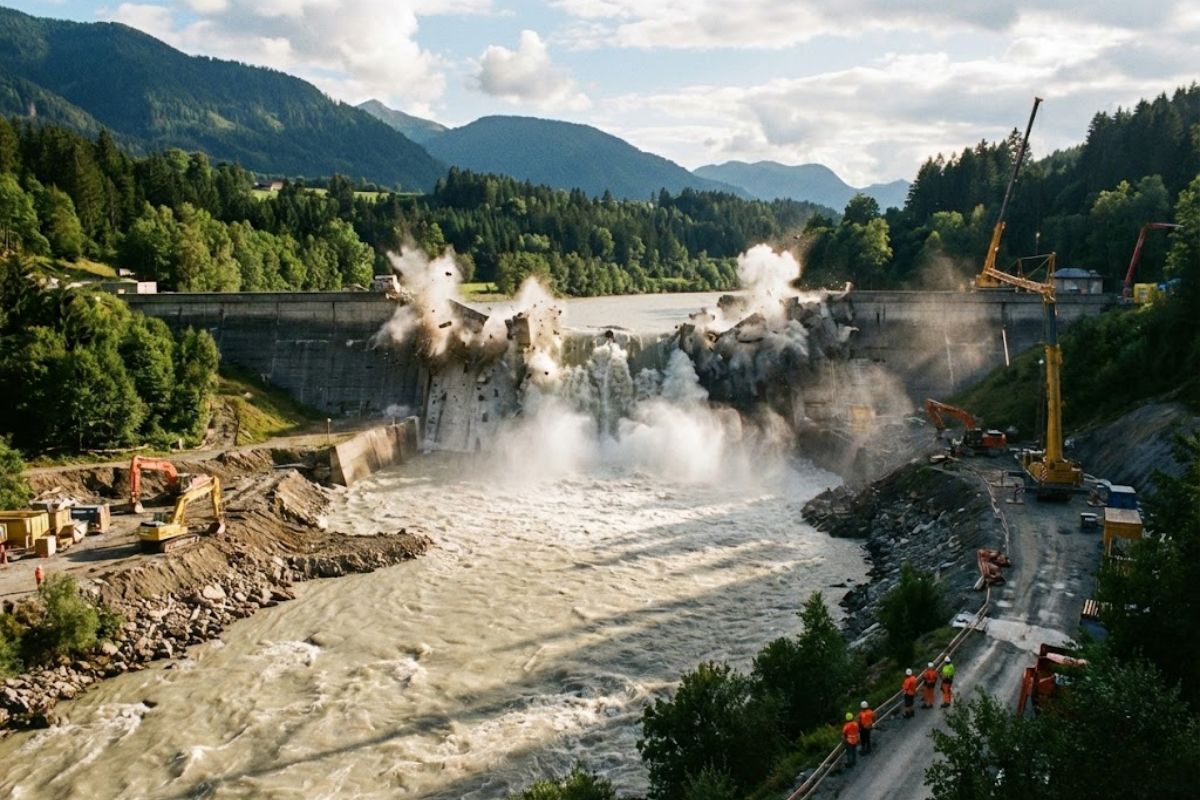


In 23 European Countries, Obsolete Dams and Barriers Were Removed in 2024, Reconnecting Over 2,900 Km of Rivers and Opening Way for Migratory Fish, Sediments, and Natural Floods, in a Movement That Promises to Redraw Water Management and Expand Biodiversity on the Continent.
In Europe, the removal of dams reached a new level in 2024: 542 barriers were removed in 23 countries, a jump of 11% from the previous year, restoring free flow to over 2,900 kilometers of rivers and reigniting a continent-wide environmental movement. Dams and old reservoirs, many of them obsolete, began to disappear from the map at a rare pace, making way for nature to resume processes interrupted for decades.
The momentum of 2024 was not limited to a single geographic axis. Countries that had never removed structures officially joined the movement, while nations already engaged reached unprecedented numbers in a year. The result was visible in different European landscapes, with stretches of rivers reconnecting, migratory routes reopened, and previously stagnant areas functioning again as dynamic systems of water, sediments, and life.
Where It Happened: Rivers of 23 European Countries and the Advancement in 2024
The advancement took place in Europe, in rivers spread across 23 European countries, which recorded removals of dams and other barriers throughout 2024.
-
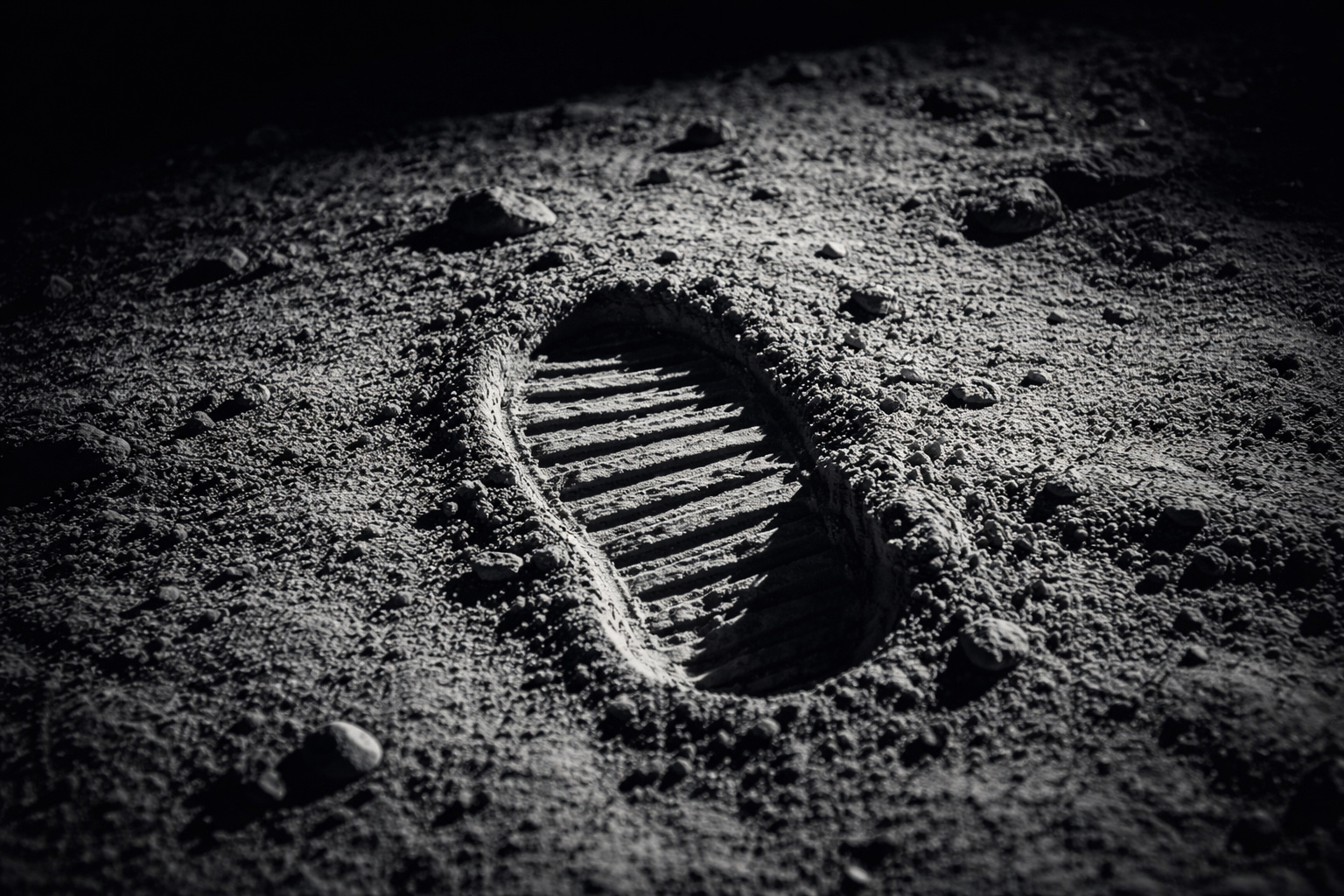
Man never set foot on the Moon? 5 scientific proofs confirm that humanity has been there and definitively dismantle conspiracy theories.
-
The Brazilian Army will adopt humanoid robots to test the concept of future combat, says a website, surprising everyone, but later revealing that it was all just an allusion to April Fool’s Day.

-
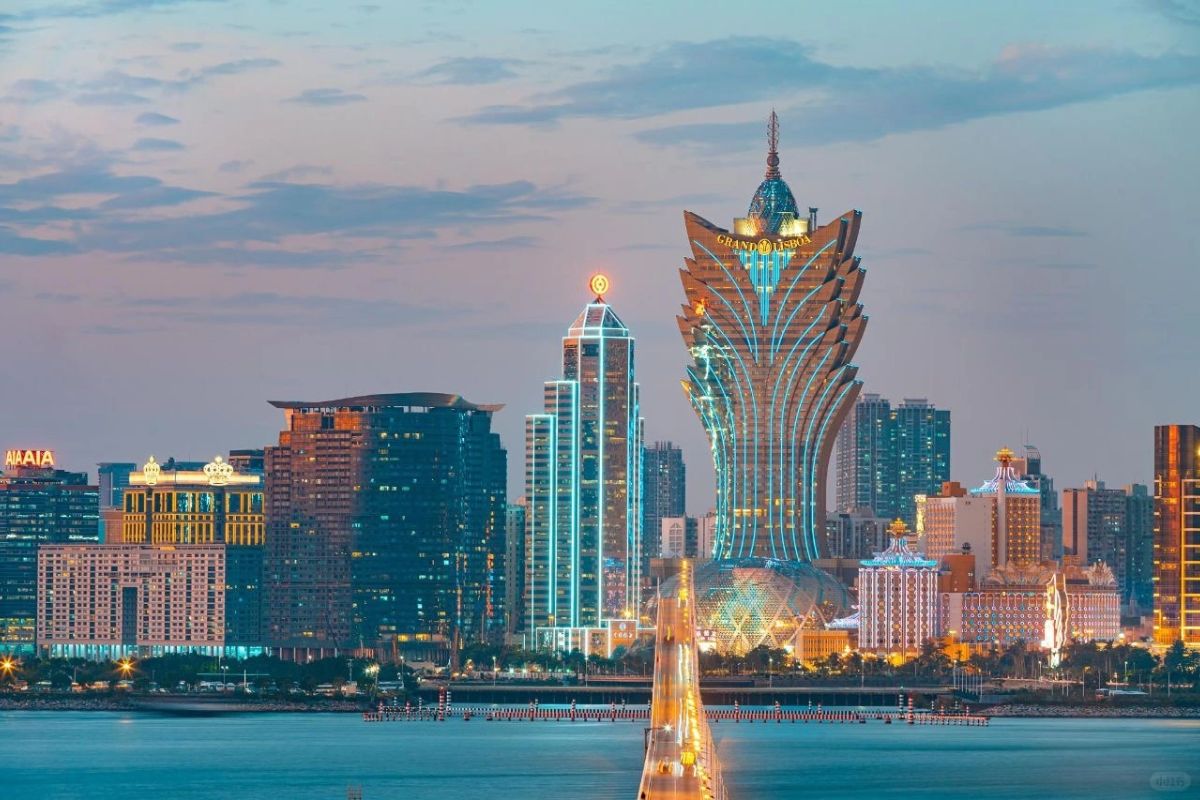
There is a city in China right next to Hong Kong where people speak Portuguese, the streets have names in Portuguese, and the architecture looks like it came straight out of a historic city in Brazil.
-
Rare frog thought to be extinct after only appearing in fossils reappears, becoming a ‘living relic’ of evolution and gaining a real path to spread after combating introduced predators.


The key figure of the year was the volume: 542 structures removed, reconnecting over 2,900 km of waterways.
The movement also gained traction because eight more countries removed barriers compared to 2023, expanding the territorial presence of the initiative and consolidating the removal of dams as a practical tool for river restoration.
Why Removing Dams Became the Fastest Way to Return Life to Rivers
The removal of dams and barriers is regarded as one of the most efficient and cost-effective ways to revitalize rivers because it simultaneously unlocks natural processes that depend on continuity.
When a river flows freely again, it resumes essential dynamics such as flow variations, natural floods, sediment transport, and nutrient circulation.
Healthy, connected rivers also provide a more diverse “aquatic landscape,” capable of supporting fauna and flora associated with freshwater.
This connectivity increases the natural capacity to purify water and can reduce downstream flood risks during heavy rain periods, as well as making the system more resilient in scenarios of climate change.
What Dams Do to Nature: Fragmentation, Trapped Sediments, and Concentrated Pollutants
Even when they have practical utility, dams and reservoirs alter the basic functioning of a river.
The cited impact is wide-ranging: loss and fragmentation of habitats, alteration of sediment and nutrient distribution, interference with natural floods, and concentration of pollutants.
Historically, the transformation has accumulated. Since the early 20th century, much of Europe’s rivers have been polluted, channelized, and obstructed.
Some structures are hundreds of years old and still provide benefits such as irrigation and energy, but others have been abandoned and become obsolete, maintaining a high ecological cost without delivering the same utility.
The Effect That Goes From Source to Sea: Migratory Fish and Coastal Ecosystems
River restoration is not limited to the stretch where the structure falls.
By reconnecting waterways, migratory routes can be reopened for fish such as salmon and sturgeon, which need access to upstream spawning areas and healthy coastal waters downstream.
When fish and other aquatic species begin to circulate again, the impact spreads through entire ecosystems, from source to sea.
Natural flow improves the health of estuaries, salt marshes, and coastal wetlands—rich biodiversity environments that also serve as carbon sinks, flood barriers, and nurseries for marine life.
The Record of 2024 in Numbers: 542 Barriers, 11% Increase, and Over 2,900 Km Reconnected
The picture of 2024 is marked by a set of numbers that explains why the year was considered a record.
There were 542 barriers removed in 23 European countries, a growth of 11% compared to the previous year. The direct effect of the removals was the reconnection of over 2,900 kilometers of rivers.
The advancement was also evident in the entry of new countries into the official removal of structures. Bosnia and Herzegovina, Croatia, Czech Republic, and Turkey officially removed their first dams.
In the group that led in volume, Finland stood out, with 138 barriers removed in 2024. In the same year, it was highlighted that Finland and France each removed over 100 dams.
How Europe Is Trying to Redesign Its Relationship with Water in Times of Extremes
With the increase of floods and droughts, the central argument of the movement is that a new relationship with water will be necessary, accepting it back into landscapes and restoring its wild nature whenever possible.
In this concept, removing dams means not only improving biodiversity but also returning the river’s capacity to expand, adapt, and buffer extremes.
This logic explains why the theme is not only conservation but also enters the debate of climate resilience, risk management, and restructuring entire landscapes.
Removal creates conditions for natural processes to function again without depending on constant interventions.
Central Apennines, Italy: Five Barriers Removed and 11 Km of the Giovenco River Free Again
One of the highlighted examples of removal in 2024 occurred in the Central Apennines, Italy, where the Rewilding Apennines team supervised the removal of five barriers on the Giovenco River in November 2024.
The result was concrete: a stretch of 11 kilometers of the watercourse began to flow freely again for the first time in many decades.
The expectation associated with this case is the revitalization of the landscape and benefits also for local communities, as river restoration tends to ripple throughout the surroundings.
Oder Delta, Poland and Germany: Two Barriers Removed and 20 Km Favoring Fish Reproduction
Another case mentioned in 2024 occurred in the Oder Delta, a landscape divided between Poland and Germany.
In the Polish part, in June and July of last year, the local team and partners supervised the removal of two barriers in waterways of the Ina River basin.
The work was complemented by actions to recreate more natural conditions in the riverbed.
The projection is to improve migration and reproduction of fish along 20 kilometers of the river, with associated benefits also to local communities, foresters, and farmers, who tend to gain from healthier waters and free flow.
What the Movement Wants From Here Forward: Continental Scale and Goals of Free Rivers by 2030
The leap of 2024 feeds an even greater goal: to expand the river restoration process across Europe, with barrier removal at scale.
In this horizon, the reference appears to restore at least 25,000 kilometers of European rivers to a free-flowing state by 2030.
The idea is that the removal of dams will consolidate as a central tool to achieve this dimension, not only because it is a direct action, but because its effects generate cascading benefits for biodiversity, connectivity, climate resilience, and water quality.
Why 2024 Became a Turning Point for Dams in Europe
What makes 2024 a milestone is the combination of volume, territorial scope, and increasing adherence from countries.
This was not only a numerical increase but a signal that the removal of dams has ceased to be a localized effort to become a European trend with accumulated results.
At the same time, the advancement reignites an inevitable debate: how to balance structures that still provide benefits such as irrigation and energy with the ecological cost that fragments rivers and weakens ecosystems.
The pressure for smarter solutions is likely to grow as climate extremes make water management more urgent.
In your view, is tearing down dams in Europe the safest way to protect rivers and people, or is there a risk of removing too quickly and creating new problems?




Bom Dia Para Vocês.
Tem As Outras Fontes De Geração De Energia Inclusive: Energia Nuclear, Energia Eólica, Energia Biomassa, Energia Geotérmica e Energia Oceânica. Essa USINA HIDRELÉTRICA Do ESTREITO No Rio Tocantins e Outras Pelo Brasil Tem Sim De Ser Desativada Removida e Desmanchada Perdaço Por Perdaço Pelo Processo De DESCOMISSIONAMENTO Porque Tem Essas Outras Fontes De Geração De Energia Ai Não Fazem Não Pensam Na População Brasileira Não Fazem Porque Eles Essas Autoridades No Caso Só Pensam No Próprio Bolso Cheio De Marços De Dinheiro e Até Quando Vão Fazer Isso De Nós Cidadãos Brasileiros o Que Querem Na Hora Que Querem De Gato e Passato Rirem e Debocharem a Vondade e Nada é Feito a Nosso Favor a Nossa Dignidade a Nossa Honrra a Nossa Honestidade a Nosso Compromisso e Ao Nosso Respeito. Aqui No Brasil Quem Manda é o Dinheiro a Corrupção o Superfaturamento a Ganância e Lavagem De Dinheiro e Não Nosso Respeito Dignidade Honrra Verdade Honestidade Compromisso e a Nosso Próprio Favor Não. Não Estão Preocupados Não Estão Nem Ai Com a Gente e Não Gostam Da Gente Não Essas Autoridades Brasileiras Não Ai Só Ficam Na Frente Das Televisões Câmeras e Nas Redes Sociais Manipulando Enganando Confundindo Mentindo Enventando e Sendo Falsos Com Discursos Demagogos Esfirapados Manipuladores Fazendo Lavagem Celebrais Na Sociedade e População Brasileira Para Continuar Fazendo o Que Querem De Nós Contra Nossa Vontade e Contra Nosso Querer Tirando a Gente De Nossas Casas e Terras Que Tínhamos Em Babaçulandia-Tocantins e Nas Outras Cidades Atingidas Pela **** Usina hidrelétrica De Estreito No Rio Tocantins. Fazem Nós De Palhaços e Vai Nós Falar, Discursar, Dialogar e Conversar Sobre Essas Coisas Inclusive Em Relação As Usinas Hidrelétricas Ai Vocês Vão Ver Eles As Autoridades Falar Que Nós Cidadãos Brasileiros Estamos Indo Contra As Justiças Leis e Democracias Do Estado Ou Seja Contra o Brasil Que Não Estamos Sendo Sendo Ou Que Não Estamos Fazendo Os Papeis De Cidadãos Brasileiros e Sim Sendo Inimigos Disfarçados De Cidadãos Brasileiros e Sabem Porque é Simples Porque Estamos Querendo e Fazendo Os Papeis De Verdadeiros Cidadãos Brasileiros e Democracias Justiças e Leis Que Nós Defendem e Que Nós Apoiam Que Nós Mesmo Estamos Nós Apoiando e Defendendo a Nossa Suberania a Nossa Própria Defesa a Nossa Dignidade a Nossa Honrra a Nossa Verdade o Nosso Compromisso o Nosso Respeito a Nossa Consideração a Nossa Inteligência a Nossa Dedicação a Nossa Preservação Permanente a Nossa Confiança o Nosso Apoio o Nossos Direitos o Nosso Bem Estar o Nosso Conforto e a Nossa Preocupação Que Estamos Começando a Acordar Para Esse Pesadelo Desse Sistema Ante-Democratico e Não Democrático e Que Só Tem Justiças e Leis a Favor Das Autoridades Brasileiras Para Eles Fazerem o Que Querem De Nós, Sempre Aprisionando Nas Manipulações Enganosas Mentiras Manipuladoras Falsidade Esfirapadas e o Pior Que Muitas Pessoas Acreditam Nessas Palavras Dialogos Conversas e Falas Dessas Autoridades Brasileiras Que Tem Justiças Leis e Democracias Para Todos Nós Cidadãos e Populações Brasileiras. Ai Meu DEUS Até Onde Essas MALDIÇÕES Inplantadas Nesse Sistema Do Brasil Vai Parar
Boa Noite Para Vocês; O Que Mesmo Você Esta Falando Isso Não é Pra Mim é Pra Quem Consegui Manipular Né; O Que Isso Mesmo é Brincadeira Ou Deboches—–> As Barragens tem suas funções e em todas estas é visado o bem estar, conforto e a segurança da população.
Derrubar ou construir são questões técnicas, econômicas e sociais.
As Funções Das Usinas hidrelétricas é Destruir a Natureza e o Meio Ambiente Isso Sim. Só Porque Produzem Energia Elétrica Não Quer Dizer Que Elas é Visando o Bem Estar o Conforto e Ainda Mais Na Segurança Da População Esta De Brincadeira Né Carlos. Da Onde Você Tirou Da Cabeça Que As Usinas Hidrelétricas é Para Bem Esta Para a Sociedade Se Elas Destroem Os Abtais Naturais Do Planeta Terra o Bem Está Da População é Quando Faz Somar Crescer e Prosperar Na Natureza Que Ela Ajuda a Própria Natureza a Evoluir e Equibrar Na Atmosfera e Com Essa Usinas hidrelétricas Faz é Desequilibrar o Ciclo Natural Do Meio Ambiente a Própria Natureza Incluindo GÁS METANO CH4 e Tem Outros Gases Que é Um Dos Piores CÂNCER TUMOR MALIGNO Para a Atmosfera e Ai Vem o Desequilíbrios Que Vai Impactar e Afetar a Nossa Própria Vida e Tem Vários Outros Problemas Que Vai Causar Danos Severos e Castratrofes e As Autoridades Não Falam. Segurança a População Ai Isso é Demais Isso Também Não é Para Com Isso Carlos Por Favor Não Tenta Justificar Uma Justificativa Sem Ser Justificativa e Sim Insegurança Para a Sociedade Inclusive Para Quem Mora e Vivem a Abaixo Das USINAS HIDRELÉTRICAS e Também Acabam Causando Impactos Sociais e Econômicos Significativos Nas Áreas De Influências Ai Tentam Disfarçar e Esconder Essas Partes. Sim Desativar Remover e Desmanchar Se Eles Consegeum e Constroi As Usinas Hidrelétricas Então Eles Tem Capacidade Sim Remover Desmanchar e Desativar Por Completo Não Fazem é Porque Não Querem Porque Querem Manter Na Corrupção Ganância Lavagem De Dinheiro e Superfaturamento Nas Obras e Não é Questão Não e Sim Honestidade Compromisso Respeito Dignidade Honrra Verdade e Sinceridade Com a População e Sociedade Brasileira Atingidas e As Não Atingidas Pelas USINAS HIDRELÉTRICAS
Barragens tem suas funções e em todas estas é visado o bem estar, conforto e a segurança da população.
Derrubar ou construir são questões técnicas, econômicas e sociais.