





 Portuguese
  English
  Spanish
  6 min of reading
  0 comments


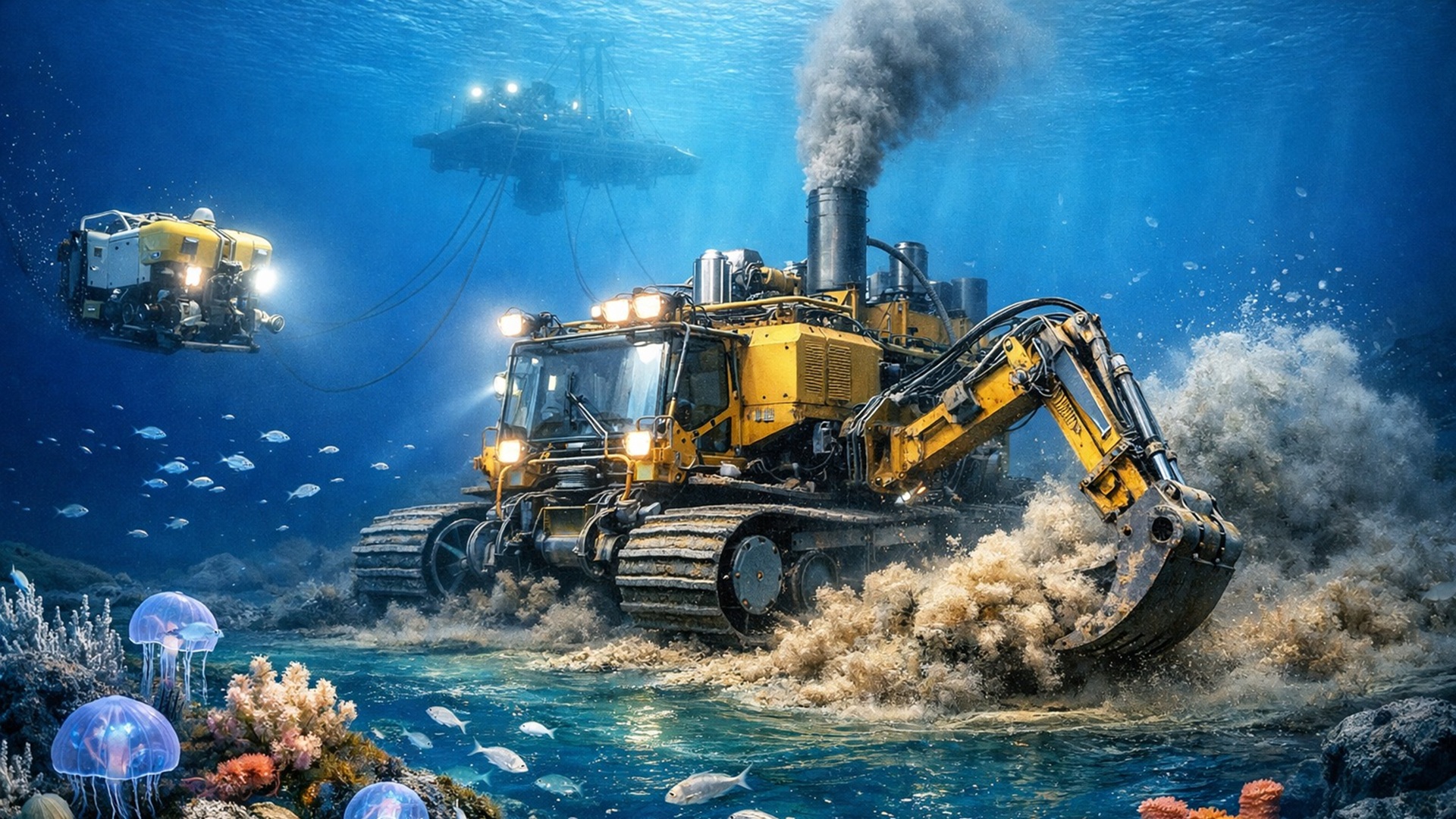
A scientific study reveals that mining waste in deep water can drastically reduce the quality of food available in the mesopelagic zone, affecting zooplankton, micronecton, marine food webs, and global fishing activities even before the start of commercial exploration
Researchers from the University of Hawaii at Mānoa identified that mining waste in deep water in the Clarion-Clipperton Zone in the Pacific could compromise the feeding of organisms between 200 and 1,500 meters, affecting food webs and fishing activities, according to a study published on November 6, 2025.
Mining Waste and the Ocean Twilight Zone
A study published today in the journal Nature Communications presents the first direct evidence that mining waste in deep water can disrupt ecosystems in the so-called ocean twilight zone. The research was conducted by scientists from the University of Hawaii at Mānoa.
The twilight zone, also known as the mesopelagic zone, extends approximately from 200 to 1,500 meters below the surface. In this range, a great diversity of organisms lives that sustain marine food webs and connect the surface waters to the ocean depths.
-
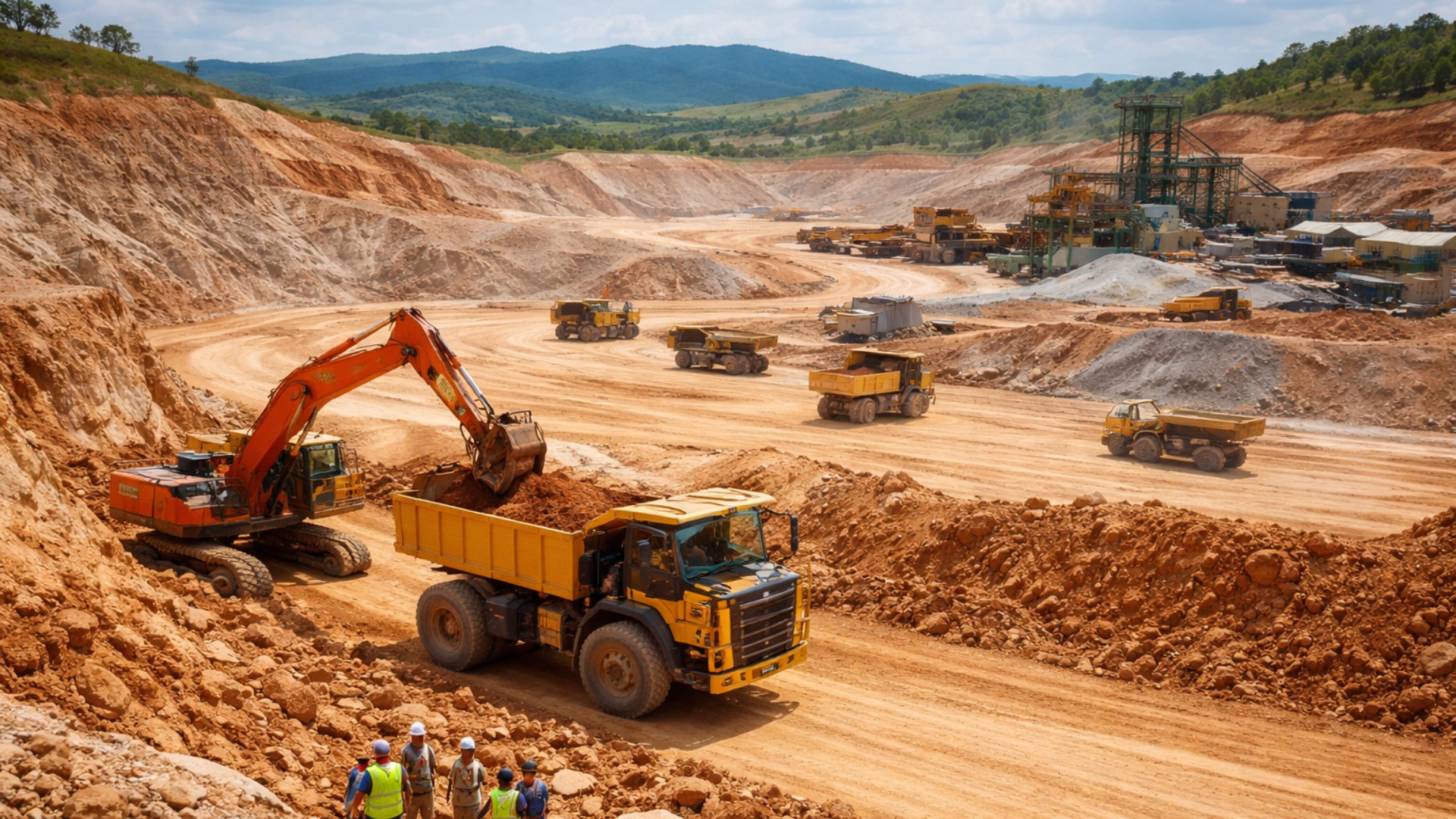
After China, it’s now the turn of the USA to ‘secure’ a share of Brazil’s natural resources: the country buys critical rare earths for R$ 3 billion and enters the center of the global technology dispute.
-
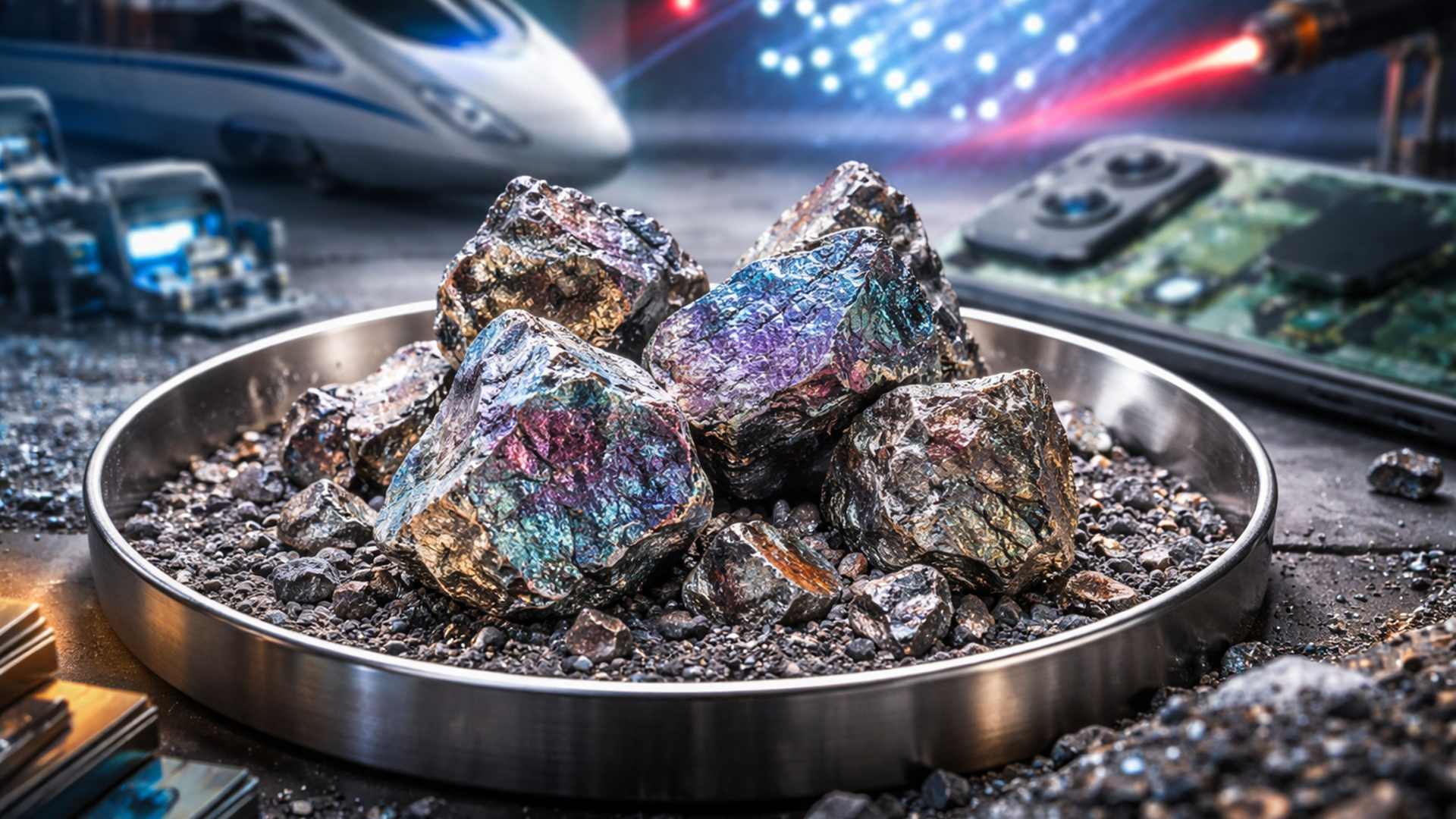
Rare earths are in everything, from cell phones to bullet trains, and what almost no one realizes is why they have become the target of such a delicate global war.
-
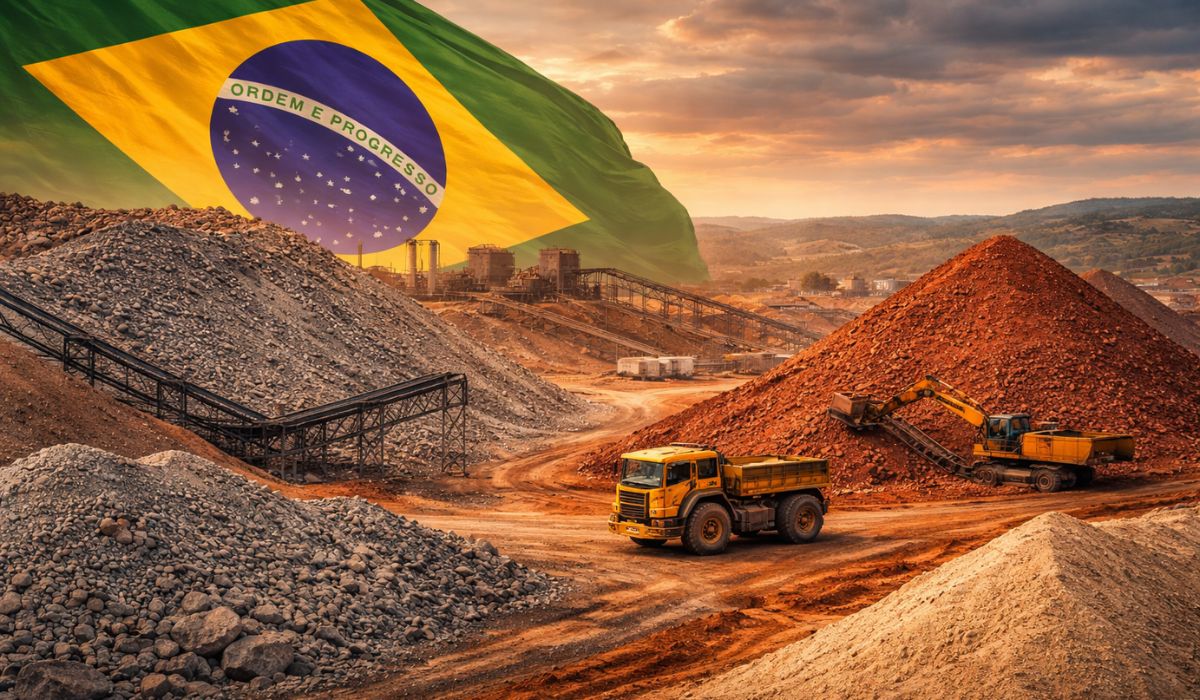
Brazil extracts 26.3 million tons of ore from what was previously treated as waste, transforming residues into wealth, producing over 3 million tons of sand, and demonstrating how national mining is relearning to generate value.
-
A $3.5 billion megaproject in Latin America pumps desalinated seawater at 1,050 liters per second over 194 km to keep a copper supermine in the Andes operational for another 20 years.
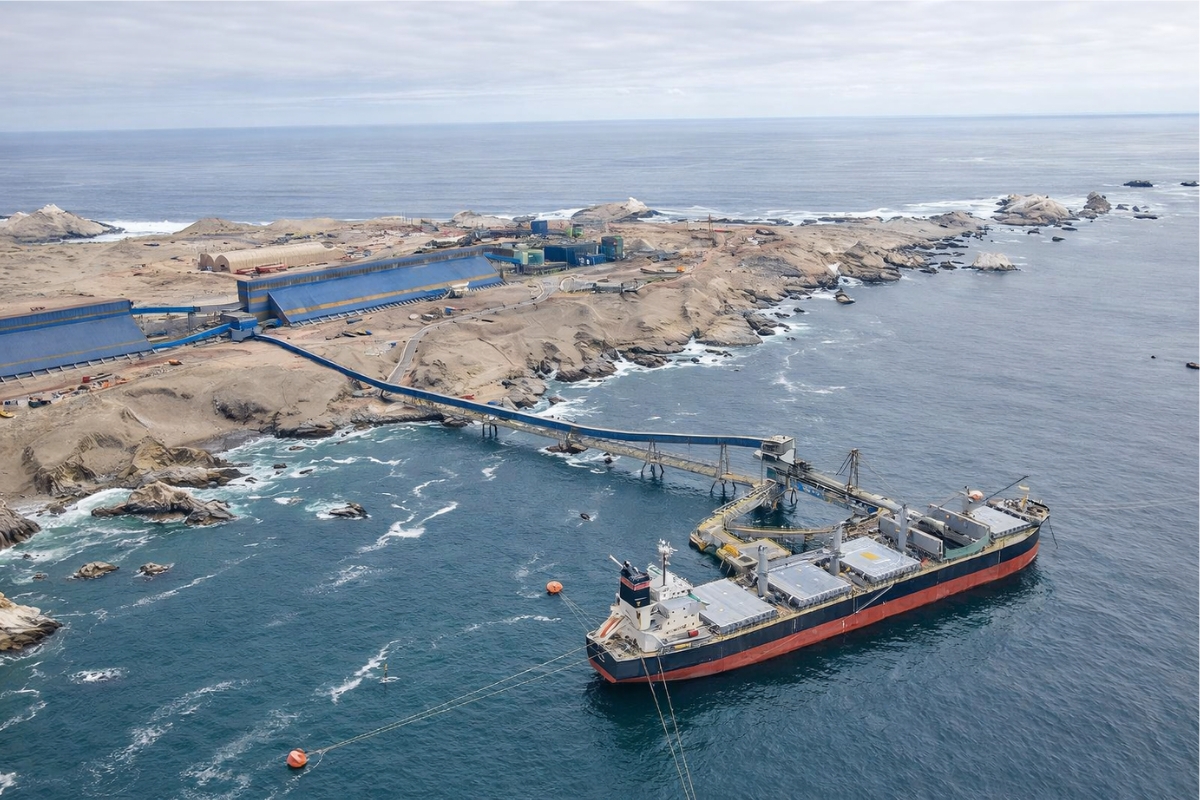

The researchers identified that clouds of waste generated by mining dilute the available food supply in this region. The suspended particles replace natural organic matter with nutrient-poor sediments, altering the food base for small organisms.
According to the study, 53% of the zooplankton and 60% of the micronecton present in the analyzed depths would be affected by waste discharge. These organisms form the food base for fish, seabirds, and marine mammals.
The Role of Zooplankton and Micronecton in the Depths
Zooplankton consists of microscopic animals that float or swim slowly in the water column. They feed on organic particles and support larger organisms throughout the marine food chain.
Micronecton includes small shrimp, fish, and other swimming animals that feed on zooplankton. Many of these organisms perform daily vertical migrations, rising to the surface at night and returning to the depths during the day.
This movement contributes to the transport of carbon from the surface to the ocean floor, playing a central role in ocean health and climate balance. Disrupting this process could have systemic consequences that are not yet well understood.
Michael Dowd, the principal author of the study, compared the turbidity caused by the waste to the mud of the Mississippi River. He stated that the dispersed particles reduce the concentration of nutritious food that is typically available for drifting zooplankton.
Nutritional Quality of Mining Waste
The research analyzed waste released during a mining test conducted in 2022 in the Clarion-Clipperton Zone. This region of the Pacific is targeted for the extraction of polymetallic nodules rich in cobalt, nickel, and copper.
The team collected water samples at the depths where the waste was discarded. Analyses showed that the mining particles contained significantly lower amounts of amino acids compared to natural organic matter.
Amino acids are an essential source of nutrition for organisms in the mesopelagic zone. The replacement of these natural particles with impoverished sediments represents a direct reduction in the quality of available food.
Erica Goetze, a co-author of the study, emphasized that many animals depend on small natural detrital particles. She noted that mining plumes replace exactly this essential food, affecting entire communities in deep water.
Technical Processes of Deep-Sea Mining
During deep-sea mining, nodules are collected from the seabed along with seawater and sediments. This material is transported through a pipe to a collection ship on the surface.
On the ship, the nodules are separated from the sediment waste. The waste, composed of sediments, seawater, and pulverized nodule particles, needs to be returned to the ocean after processing.
The exact depth at which this waste should be disposed of has not yet been defined. Some companies propose dumping it in mid-water, within the twilight zone, where sensitive communities live.
Until recently, the impacts of this waste on intermediate ecosystems were poorly understood. This scientific gap hampers the establishment of clear disposal regulations, revealing a failure in sector governance.
Potential Impacts on Food Webs and Fishing
Scientists warn that changes in the food base of the twilight zone could reverberate through higher levels of the food chain. Larger predators depend directly or indirectly on zooplankton and micronecton.
Commercial fishing could also be affected. Tuna fishing in the Pacific operates in the CCZ region, meaning that mining waste could influence species that reach global human consumption.
Jeffrey Drazen, a co-author of the study, stated that mining plumes not only make the water murky. They alter the quality of available food, especially for animals that cannot quickly move away from affected areas.
According to him, the process is akin to introducing empty calories into a food system that has been adjusted over hundreds of years. This change could compromise the functioning of entire ecosystems.
Global Context and Expansion of Marine Mining
The study emerges at a time of intensifying demand for critical minerals used in technologies such as electric vehicle batteries and renewable energy infrastructure. This scenario has driven interest in deep-sea mining.
Currently, about 1.5 million square kilometers of the Clarion-Clipperton Zone already have licenses for potential mining operations. The expansion occurs before the establishment of specific environmental regulations.
The authors emphasize that impacts on the intermediate water column must be considered with the same rigor applied to the seabed. Ignoring these layers could lead to unforeseen and difficult-to-reverse effects.
Brian Popp, a co-author of the study, stated that commercial mining has not yet begun on a large scale. He noted that this is the crucial moment for informed decisions before damages become permanent.
International Regulation and Governance Gaps
The findings should contribute to regulatory debates conducted by the International Seabed Authority. This body is responsible for establishing norms for mining activities in international waters.
In the United States, the evaluation of environmental impacts falls under the National Oceanic and Atmospheric Administration, which assesses mining initiatives led by the country.
The researchers advocate for expanding studies to the entire vertical extent of oceanic ecosystems. Most previous research has focused only on the seabed, leaving significant gaps.
Without clear rules on waste disposal, technical decisions could lead to long-term ecological consequences. The lack of safeguards increases the risk of systemic impacts that are still poorly studied.
Future Risks and Need for Precaution
Before the start of commercial mining, scientists consider it essential to carefully assess the depth for waste disposal. The behavior of plumes varies with depth and ocean currents.
Improper disposal could affect communities from the surface to the seabed. This vertical connectivity makes marine ecosystems particularly vulnerable to poorly planned interventions.
The authors of the study state that understanding these dynamics is crucial to avoid irreversible damage. Deep-sea mining involves risks that extend beyond the extraction site.
By highlighting the effects in the twilight zone, the study broadens the debate on the ecological costs of marine mineral exploration. The conclusions reinforce the need for regulatory decisions based on robust scientific evidence.
Scientific Reference of the Study
The study “Deep-Sea Mining Discharge May Disrupt Food Webs in Intermediate Waters” was published on November 6, 2025. The authors are Michael H. Dowd, Victoria E. Assad, Alexus E. Cazares-Nuesser, Jeffrey C. Drazen, Erica Goetze, Angelicque E. White, and Brian N. Popp.
The research was conducted under the School of Ocean and Earth Sciences of the University of Hawaii at Mānoa. The DOI of the article is 10.1038/s41467-025-65411-w.







-

-

2 pessoas reagiram a isso.