





 Portuguese
  English
  Spanish
 2 min of reading
  0 comments


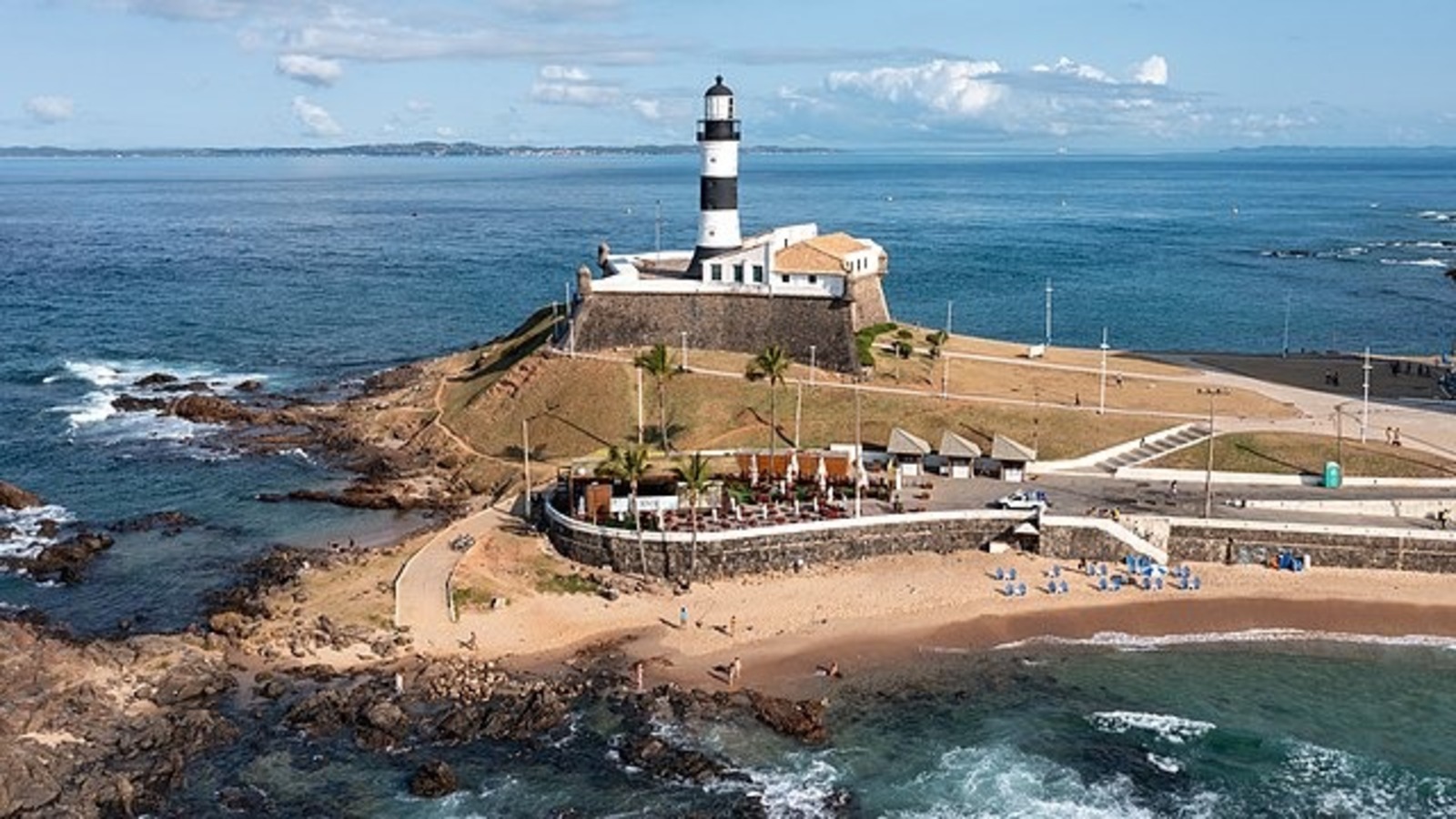
Barra Lighthouse in Salvador Preserves Centuries of Maritime History, Houses the Nautical Museum of Bahia, and Delights Visitors with Stunning Views
Erected in the late 17th century, Barra Lighthouse is one of the most prominent symbols of Salvador. Located at the Fort of Santo Antônio da Barra, it has become an architectural and cultural heritage of the city, attracting visitors from all over.
The proximity to one of the region’s most well-known beaches reinforces its importance, as it combines history and leisure in one space.
Additionally, the structure has transformed into one of the main tourist attractions in Bahia.
-
Goodbye iron: new technology from Xiaomi promises to revolutionize the way we iron clothes with 500 kPa steam, continuous flow of 120 g/min, heating in 65 seconds, and six smart modes for different fabrics.

-
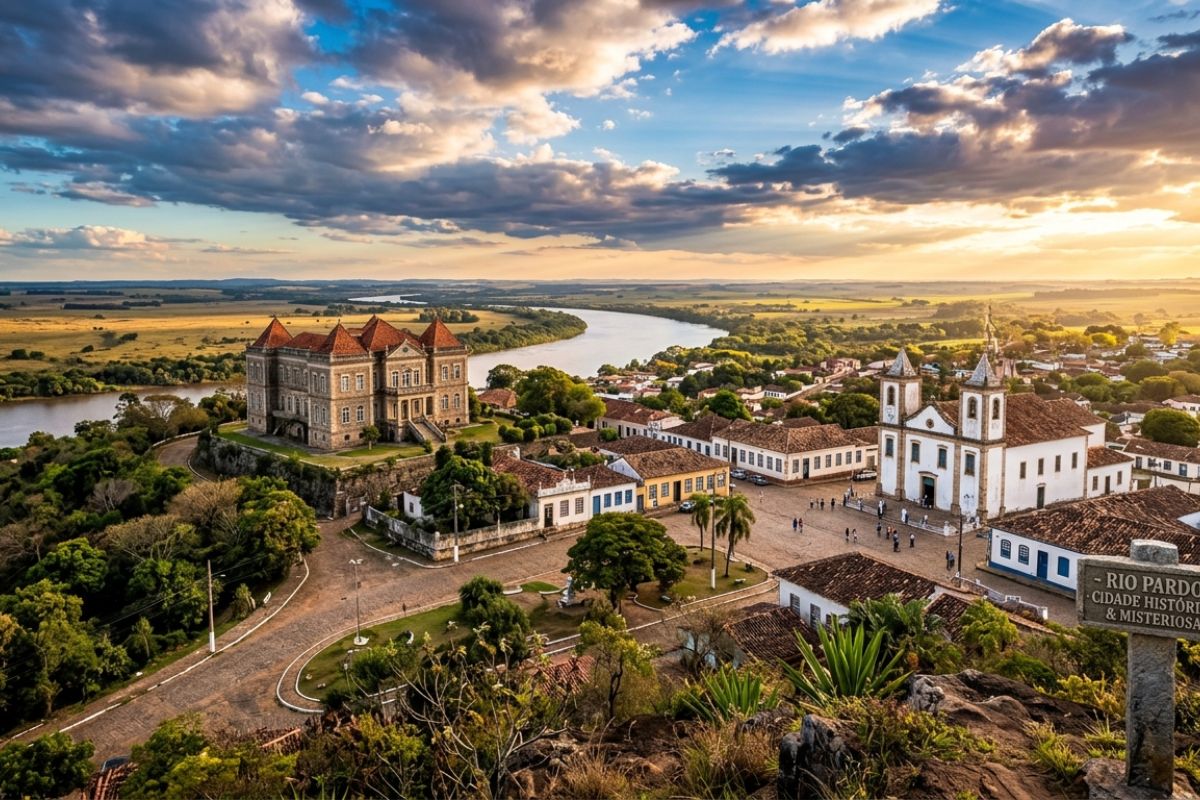
Rio Pardo, the most mysterious city in Rio Grande do Sul: untouched Pampas castle, the missing treasure of the Devil Boy, bride’s saint, invisible tunnels, and a 200-year curse today.
-
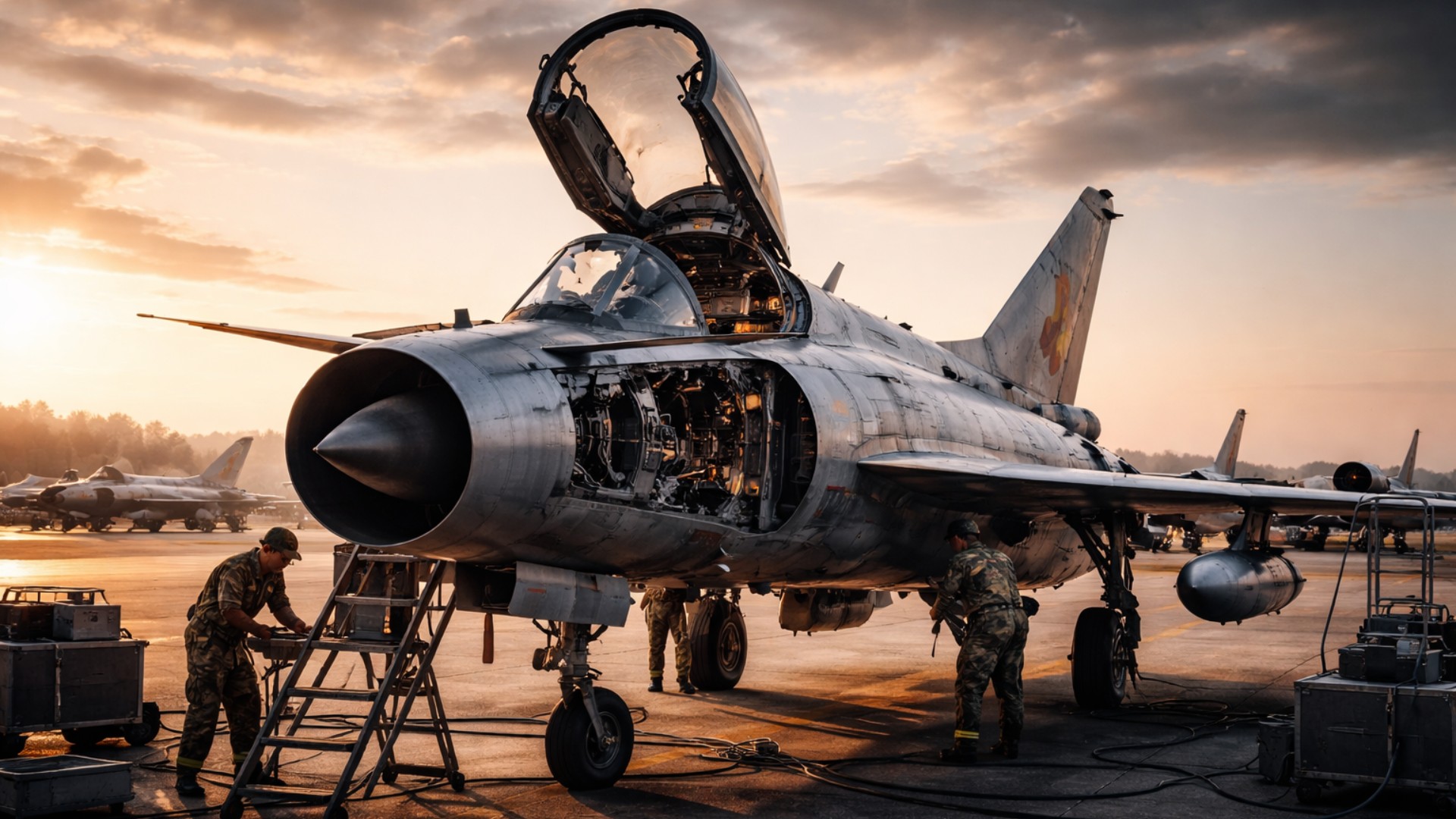
China retires the J-7 fighter after years of military protection and can now transform military items into drones, following more than 60 years of operation of the J-7, derived from the MiG-21, with thousands of units produced and strategic use in the PLAAF and PLANAF.
-
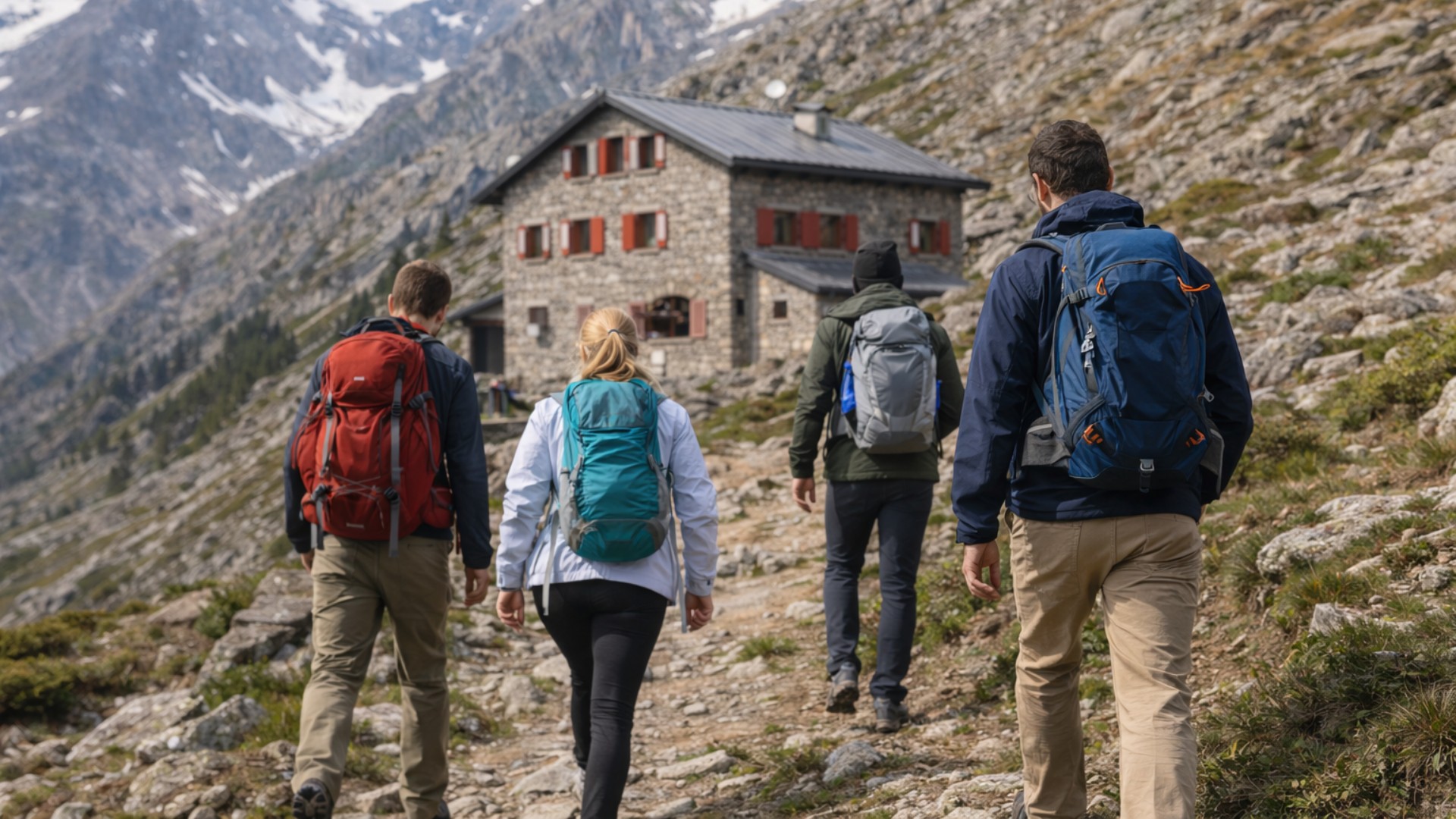
Volunteers are sought to live in the mountains for a month: a study pays people to stay at 2,500 meters, with 24-hour monitoring of sleep, metabolism, and blood pressure.

Origin and Evolution of the Construction
The beginning dates back to 1698, when a square tower with a bronze lantern protected by glass, powered by whale oil, was erected. This system was pioneering in nautical signaling in the Americas.
More than a century later, in 1839, the structure received a new format: a masonry tower with a truncated conical structure, gallery, and lantern. This modernization ensured greater safety for navigation.
Relation to the History of Bahia
The origin of the site is linked to the Portuguese invasion in 1501 when the colonizers arrived at the Bay of All Saints and took possession of Ponta do Padrão.
Over time, the area came to be known as Ponta de Santo Antônio.
During the colonial period, the Fort of Santo Antônio had military relevance. Today, however, its prestige is strongly tied to tourism and cultural preservation.
Recognition and Preservation
Barra Lighthouse was listed by the National Institute of Historic and Artistic Heritage (IPHAN).
Only in 1937 did it start using electric energy for its lighting, which reinforced its importance to this day.
This care ensures that the monument continues to be a reference for identity and historical memory of the country.
Barra Lighthouse: Experience for Visitors
Open to the public, the site allows visitors to closely experience the architectural structure and the Nautical Museum of Bahia, established in 1998. The space houses exhibitions, archaeological collections, and navigation instruments.
From its height of 22 meters, the view is panoramic and reveals not only the Atlantic Ocean but also the famous sunset of the Bahian capital.
Therefore, visiting Barra Lighthouse is to dive into history, contemplate the landscape, and enjoy one of Salvador’s greatest postcards.
With information from Correio do Estado.







Seja o primeiro a reagir!