





 Portuguese
  English
  Spanish
  3 min of reading
  0 comments


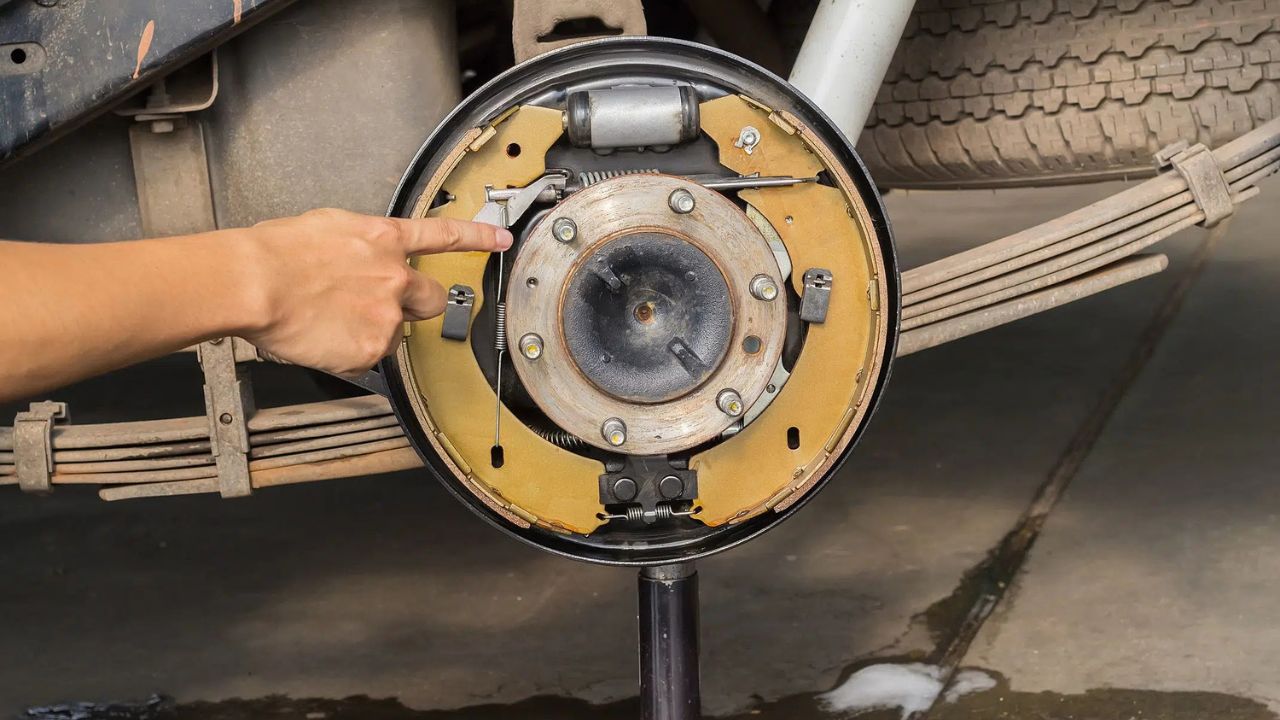
Discover How Drum Brakes Work, Their Advantages, Limitations, and Why They Still Equip Many Popular Cars in Brazil.
What is the drum brake, who uses it, why is it still present in various vehicles, and how does it work? These are some of the questions that drivers and potential car buyers often ask.
Despite the advancement of disc brakes, the drum system is still in use in Brazil and other countries, especially in compact and popular models.
The technology has been around for decades and, while considered simpler, it remains effective in certain situations.
-
Six diseases that seem common but can prevent the renewal of the driver’s license for the elderly throughout Brazil and surprise experienced drivers — could any of them affect you without showing clear signs?

-
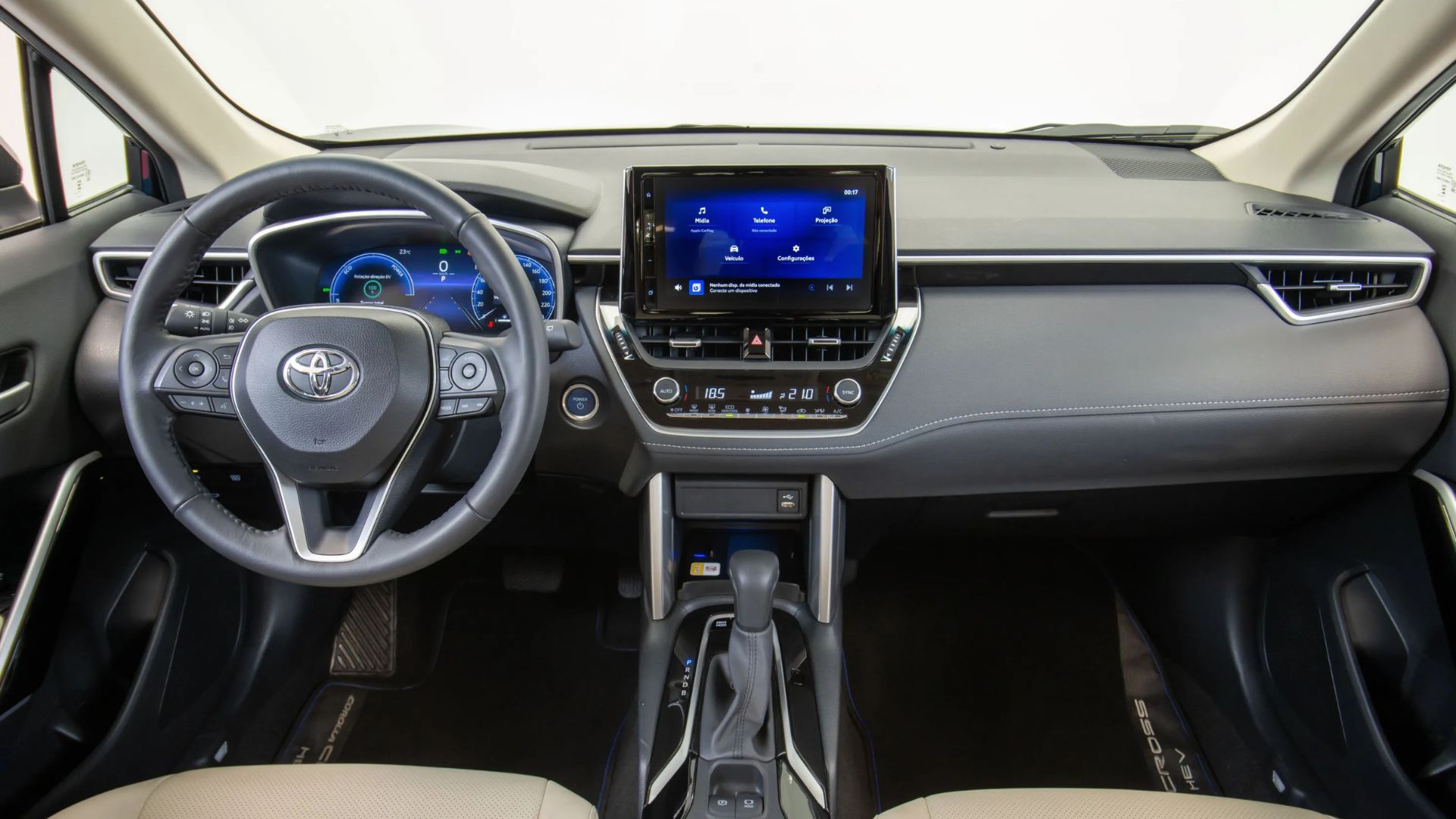
With 122 hp, fuel consumption of up to 17.7 km/l, and a trunk capacity of 440 liters, this hybrid SUV impresses even though it costs up to R$ 47,000 more than the Yaris — meet the Toyota Corolla Cross.
-
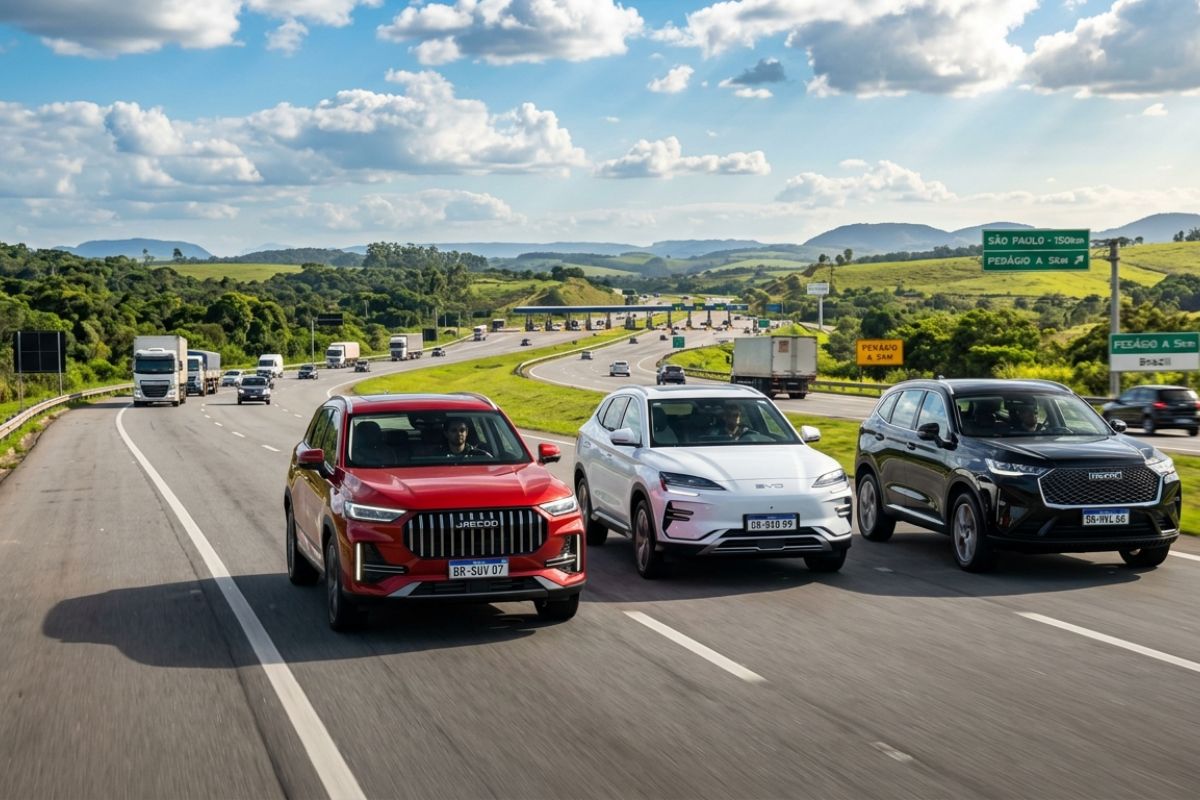
600 km with three Chinese plug-in SUVs, same mode and air conditioning on: Jaecoo 7, BYD Song Plus, and Haval H6 hit the road, and the pump reveals who was truly the most economical.
-
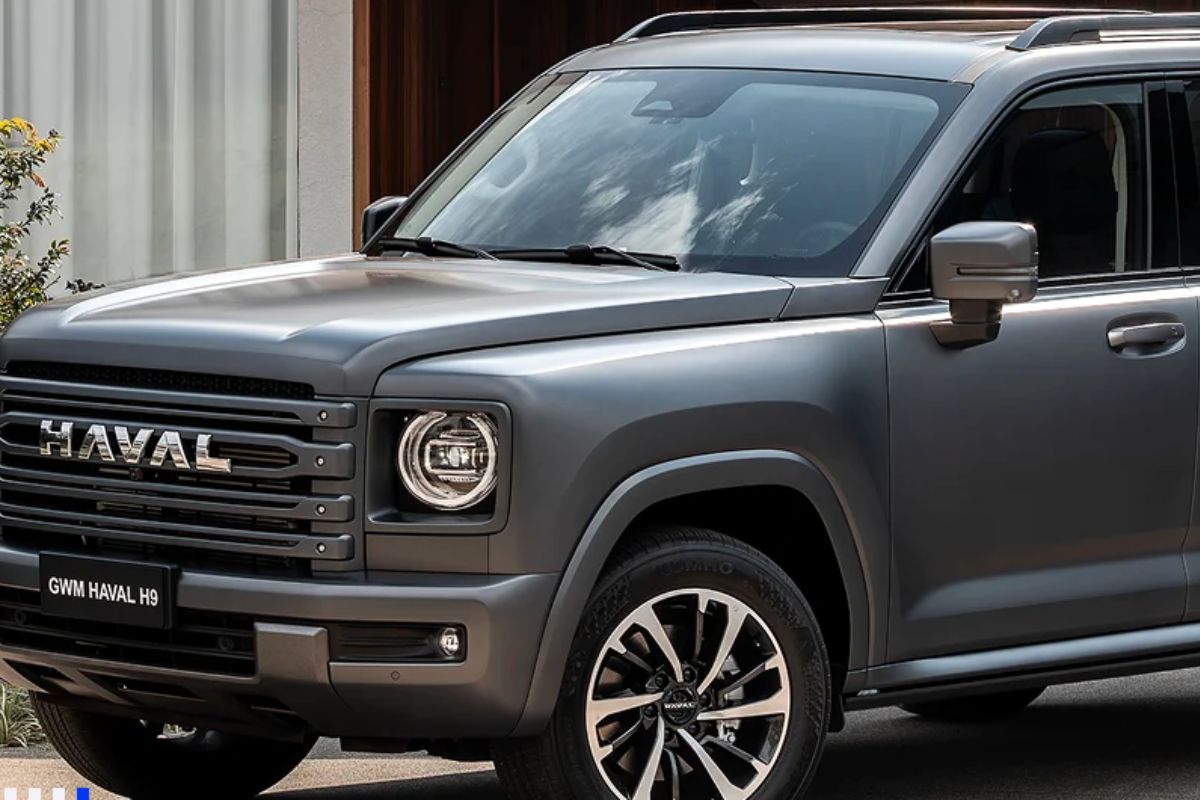
With a price almost R$ 100 thousand lower, the Haval H9 surpasses the SW4 for the first time in March, but Toyota still leads in the accumulated total for 2026; the Chinese SUV bets on technology and premium finishing to compete at the top.

But is it worth trusting it?
How Do Drum Brakes Work?
The drum brake consists of a metal cylinder fixed to the wheels.
Inside, there are shoes covered with friction material that, when pressed, create friction against the drum’s inner walls.
This movement reduces the car’s speed until it comes to a complete stop.
Interestingly, unlike disc brakes, the drum concentrates the components in a closed structure.
This ensures protection against dust, mud, and water, which can be useful in environments with many dirt roads.
Why Are Drum Brakes Still Used?
The main reason for the persistence of the drum brake is cost.
It is cheaper to produce and maintain than the disc brake, a decisive factor for manufacturers that need to balance final price and competitiveness in entry-level models.
Additionally, the drum brake is efficient for the rear axle in light vehicles.
Therefore, it is common for compact cars to use disc brakes in the front and drum brakes in the rear.
This combination ensures good performance without significantly increasing the car’s price.
Difference Between Drum Brakes and Disc Brakes
While the drum brake operates with internal shoes, the disc brake uses calipers that press pads against a metal disc.
This provides greater ventilation, better heat dissipation, and more resistance to repeated braking.
In practice, this means that disc brakes are safer in high-intensity usage situations, such as long mountain descents or sporty driving.
On the other hand, the drum can suffer from what is called “fading,” which is when the accumulated heat reduces braking efficiency.
Advantages
Despite its limitations, the drum brake still has positive aspects:
- Reduced Cost: cheaper to produce and repair.
- Durability: the internal linings typically have a long lifespan.
- Protection: closed system that better resists dust and moisture.
- Good Performance on the Rear Axle: especially in light vehicles.
These factors explain why the system remains present, even in a market that is increasingly demanding in terms of safety.
Limitations and Criticisms
The biggest challenge of the drum brake is heat dissipation.
Since the system is closed, the heat generated during braking takes longer to disperse.
This compromises performance in continuous use situations and can increase the risk in demanding sections.
Another limitation is the slower response compared to disc brakes, in addition to the maintenance, which requires more care to avoid imbalance between the wheels.
With the growing demand for safety and efficiency, many experts believe that the drum brake will lose even more ground in the coming years.
However, it is unlikely to be completely eliminated, as it continues to perform well for compact and urban vehicles.
The drum brake may not be the most modern system, but it still fulfills its role in many models in Brazil.
Cheaper, durable, and sufficient for smaller vehicles, it remains a practical solution for those seeking economy.
However, for drivers who demand maximum performance and drive in more severe conditions, investing in vehicles with disc brakes on all four wheels may be the more suitable choice.








Seja o primeiro a reagir!