





 Portuguese
  English
  Spanish
  8 min of reading
  0 comments


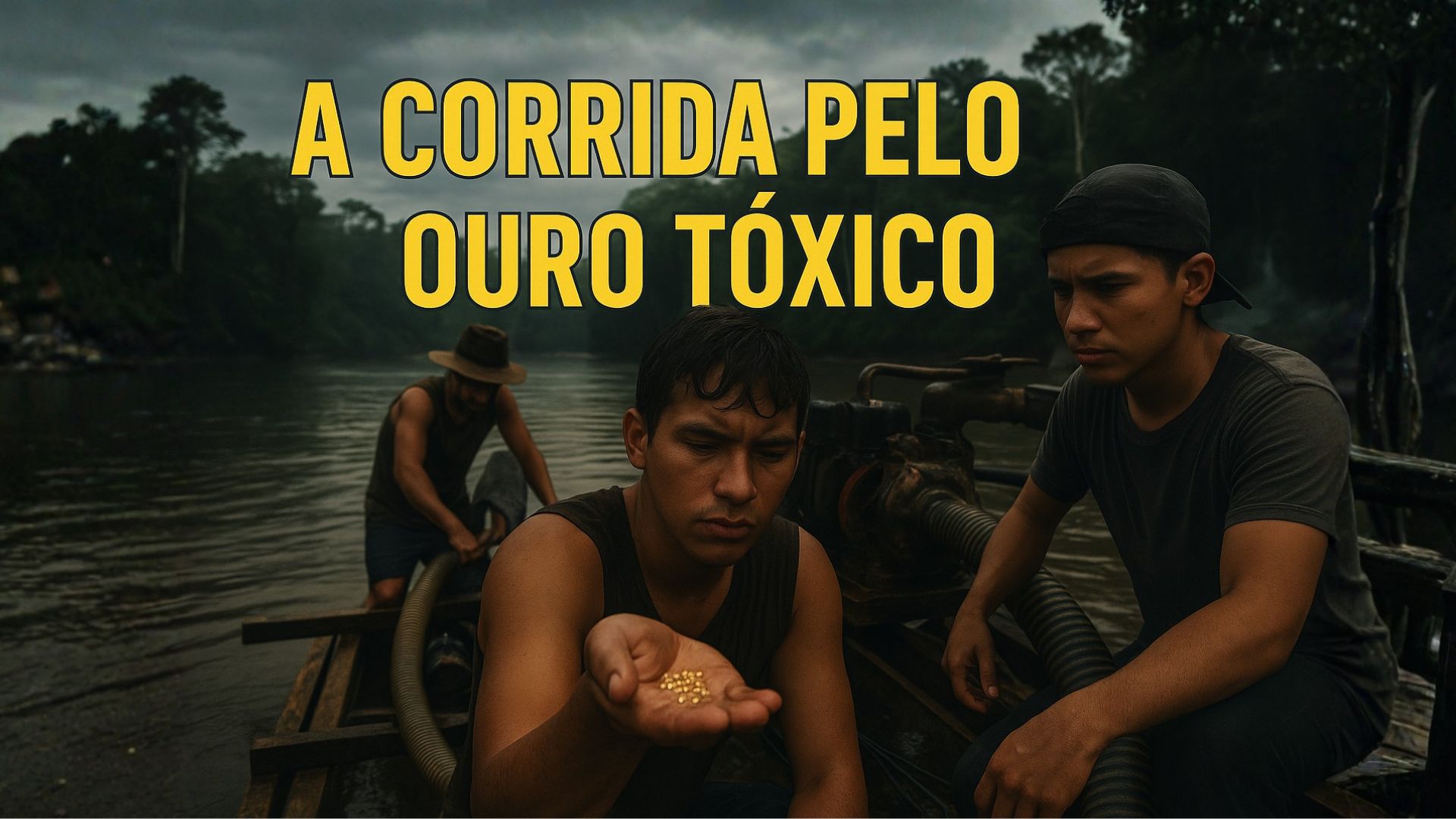
Young People Drop Out of School and Dive Into Mercury Contaminated Rivers in Search of Gold in the Peruvian Amazon
On improvised rafts on the Nanay River, in the Loreto region of Peru, dozens of young people dive daily into murky waters to extract gold with bare hands and rudimentary dredges, ignoring contamination alerts that spread through the current.
What drives this routine is the promise of income reaching US$ 1,000 a month during peak production periods, a value that triples the local minimum wage in traditional activities such as fishing or subsistence farming.
But the cost goes beyond physical effort: the mercury used in separating the precious metal releases toxic vapors that infiltrate the air, soil, and food chain, affecting more than 170,000 indigenous people in isolated territories along the river, which supplies drinking water to nearly half a million people in the city of Iquitos.
-
Rare earths are in everything, from cell phones to bullet trains, and what almost no one realizes is why they have become the target of such a delicate global war.

-
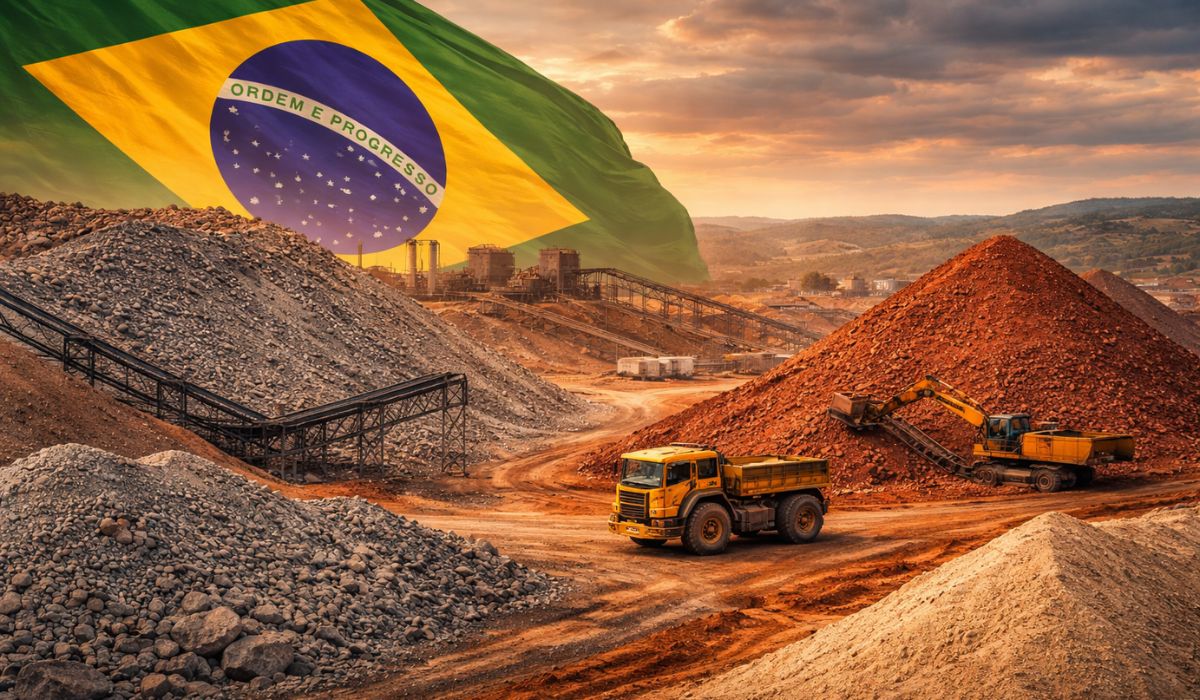
Brazil extracts 26.3 million tons of ore from what was previously treated as waste, transforming residues into wealth, producing over 3 million tons of sand, and demonstrating how national mining is relearning to generate value.
-
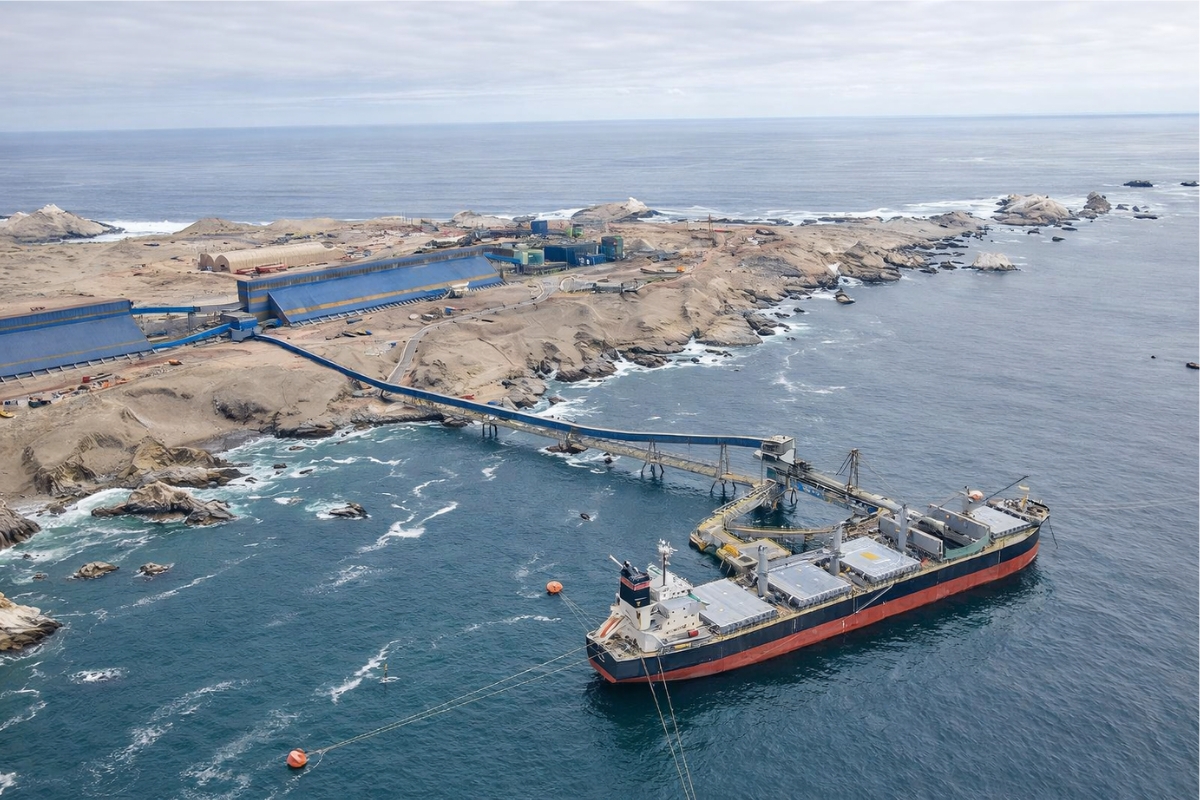
A $3.5 billion megaproject in Latin America pumps desalinated seawater at 1,050 liters per second over 194 km to keep a copper supermine in the Andes operational for another 20 years.
-
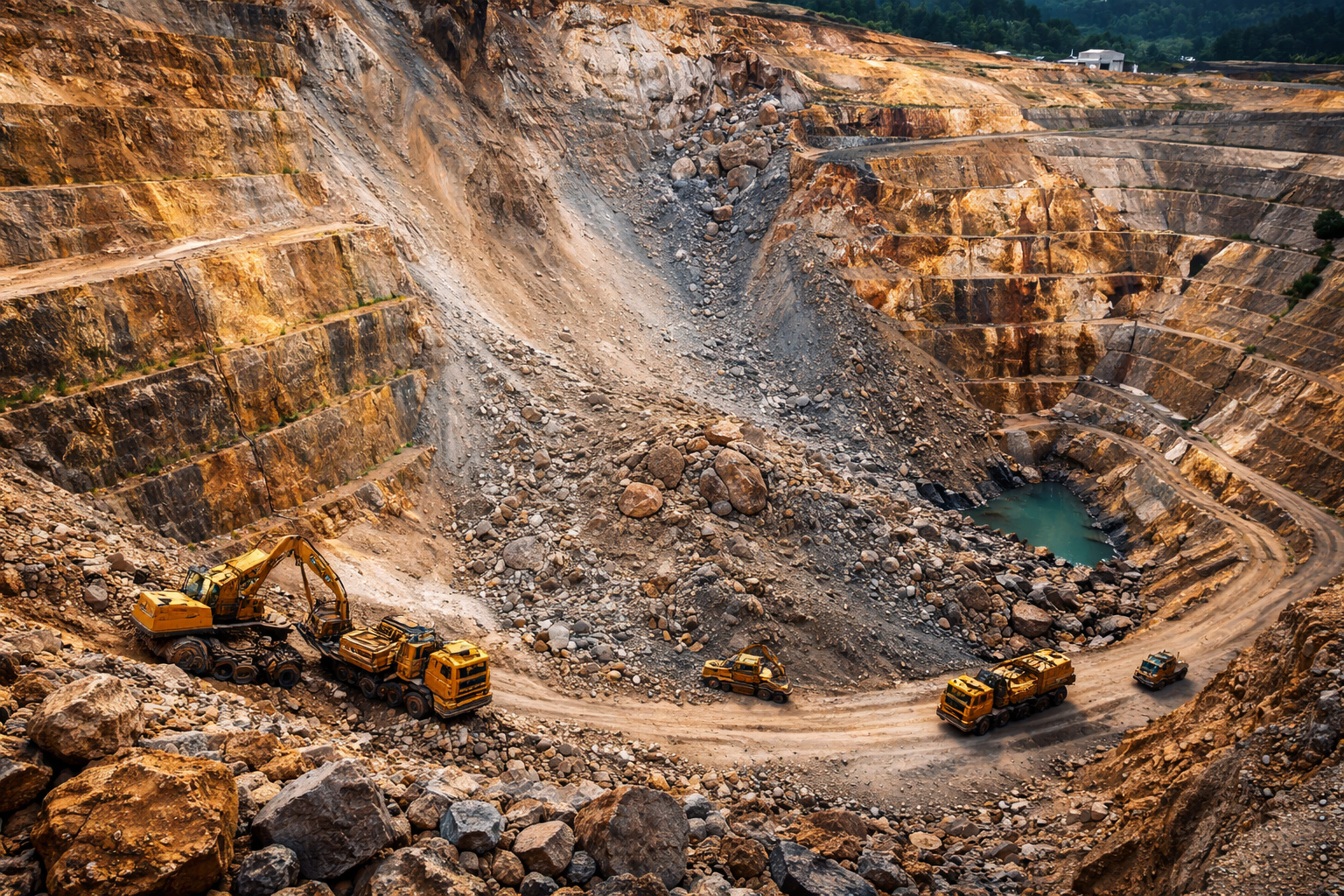
A hidden mine in the Andes valued at nearly R$ 1 trillion is starting to attract global attention, containing copper, gold, and silver, and raises an intriguing question: why do Argentina and Chile need to act together to exploit this gigantic wealth?

Explosion of Illegal Gold Mining in the Nanay River
Illegal mining exploded in the Peruvian Amazon since the COVID-19 pandemic, when unemployment and rising gold prices – which surpassed US$ 3,000 an ounce in 2024 – attracted workers to the banks of the Nanay.
Reports from the Monitoring of the Andean Amazon Project (MAAP) identified 122 cases of irregular mining along the river between 2021 and July 2023, with the Nanay concentrating three times more extraction sites than the other ten affected rivers in the region.
By 2025, the number of dredges operating on the river reached 275, according to satellite image analyses released by MAAP in September.
These vessels, banned by law in bodies of water, suck the riverbed, mix sediments with mercury, and release contaminated waste back into the current, transforming a vital ecosystem into a poisoned vein that threatens dozens of indigenous communities.
Indigenous Leaders Report Irreversible Contamination

José Manuyama Ahuite, a community leader born at the confluence of the Ucayali and Tapiche Rivers in Requena, 160 km south of Iquitos, has witnessed the change.
In 2004, when he moved to the area, the Nanay was still a source of clean fish and drinking water.
Today, he is part of indigenous patrols trying to block the advance of dredges, but miners, often armed and organized into transnational criminal groups, respond with gunfire.
“The river is condemned,” Manuyama told the Guardian in December 2023, echoing the feeling of isolation that marks villages like Mishana, where about 80 residents depend on fishing and community tourism to survive.
Contamination is already reflected in bodies: a study by the Center for Amazonian Scientific Innovation (CINCIA) from Wake Forest University, conducted in June 2025, analyzed hair samples from 273 residents from six communities along the Nanay and Pintuyacu, revealing that 80% had mercury levels above the safe limit.
Only 3% of those tested were below that threshold, with medians nearly four times higher than recommended.
Where Is the Nanay River and How Gold Changed Loreto
The Nanay River winds through the Maynas province in Loreto, the largest department in Peru, covering a basin that extends over 100 km until it flows into the Amazon near Iquitos, the largest city in the rainforest and gateway to indigenous peoples of the northern Amazon.
Historically, the local economy revolved around subsistence agriculture and the sustainable extraction of resources, with communities like the Ikito and Bora peoples maintaining ancestral fishing and gathering practices.
Loreto was seen as a peaceful region, far from the armed conflicts that plague other parts of the country.

But the discovery of alluvial gold veins in the 2010s, combined with the post-pandemic recession – which raised poverty to 29% of the Peruvian population in 2023 – reconfigured the territory.
In 2023, MAAP mapped the presence of illegal mining in 11 of the largest rivers in Loreto, affecting three protected natural areas and 31 indigenous territories.
The Nanay emerged as the epicenter, with 98 dredges detected by mid-year, compared to none at the beginning of 2020.
By mid-2025, the total number of dredges identified in the Loreto region reached 989 since 2017, according to MAAP report #233.
This expansion has devastated 140,000 hectares of forest since 1984, with 225 rivers and streams impacted, including the Nanay as the main artery for ecosystems and dozens of communities.
Armed foreign groups, coming from borders such as Brazil and Colombia, infiltrate remote areas where the absence of authorities allows organized crime to control gold smuggling routes.
Illegal gold exports from Peru reached US$ 6.8 billion in 2024, a 41% increase from 2023, surpassing the value of drug trafficking in the region.
Daily Routine in the Nanay River Dredges
The day begins before dawn on the banks of the Nanay, with wooden rafts and noisy engines departing from improvised camps in villages like Requena or Belén.
Young people, many aged 15 to 25 years, operate the dredges – floating machines that suck gravel from the river bottom at depths of up to 10 meters.
Without masks or gloves, they handle mercury directly: the liquid metal is mixed with sediments to form an amalgam with the gold, which is then heated over open fires, releasing vapors that dissipate into the humid forest air.
Each raft processes tons of material per day, but the yield varies with the global gold price and luck in locating deposits.
On productive days, a group of four to six miners extracts enough for incomes of US$ 500 to US$ 1,000 per month per person, according to reports from workers to the Thomson Reuters Foundation in September 2024.
One single dredge can generate over US$ 135,000 a month in optimized operations, according to the Natural Resource Governance Institute in November 2025, but the profits are divided among operators, mercury suppliers, and criminal intermediaries.

The process is exhausting: repetitive dives in muddy waters cause skin infections and muscle fatigue, while the 35 degrees Celsius heat and 90% humidity worsen the discomfort.
Heavy rains, common in the wet season, raise the river level and spread contaminated waste for miles downstream, reaching remote villages.
School Dropout Drives Young Labor Force in Gold Mining
The impact falls heavily on the indigenous youth, who drop out of classrooms to enter the gold mining cycle.
In communities affected by the Nanay, schools report up to 40% dropout rates, driven by the immediate need for family income.
Young people see their peers returning with raw gold – sold to clandestine buyers for up to US$ 70 per gram – and choose immediate work over studies that promise distant returns.
The educational system in indigenous areas fails to provide intercultural bilingual education, with poor infrastructure and insufficient teachers, according to a report from Free the Slaves and Onampitsite Noshaninkaye Tzinani in 2024.
In practice, teenagers take turns on the dredges, contributing 20% to 30% of family income in villages where extreme poverty affects 50% of families.
A 2025 study in the province of Puno, neighboring Loreto, indicates that mining districts have 10% fewer young people under 18 completing high school, a pattern replicated in the northern Amazon.
The logic is pragmatic: one month in mining covers food and medicine expenses that a year of cassava harvest does not guarantee.
But the knowledge acquired is of toxic survival – how to avoid mercury vapors or negotiate with traffickers – not that from classrooms.
Indigenous leaders like Eusebio Ríos from the Harakmbut warn that contaminated fish, a protein pillar of the diet, exacerbates vulnerability, forcing more children to leave school to help with fishing or gold mining.
Artisanal Techniques and Intensive Use of Mercury
Miners on the Nanay employ artisanal methods, far from industrial sophistication.
Diesel-powered dredges, with suction tubes and manual sieves, replace excavators on solid ground.
Mercury is applied directly: after sucking up the sediment, workers shake buckets with the chemical, forming clumps that are pressed and burned.
This technique, banned in international conventions like Minamata, releases about 114 kg of mercury per month per dredge, according to a joint operation by Colombia, Brazil, and the U.S. that destroyed 19 pieces of equipment in 2023.

Without centrifuges or filters, the process relies on brute force and luck, limiting the scale but allowing a cheap entry – a raft costs less than US$ 5,000, financed by loans from local chiefs.
In the rainy season, the water volume facilitates separation but increases landslides and spread of toxins.
In 2025, MAAP recorded 42 active dredges in upper Nanay, overlapping protected areas such as the Allpahuayo-Mishana National Reserve, where Sernanp patrols train indigenous people in monitoring, but face logistical limitations.
Quick Income Amid Precarious Living on the Riverbanks
Despite the gains, life on the banks of the Nanay remains rudimentary.
Part of the income finances fuel for dredges and basic supplies, such as rice and tools, in Iquitos markets.
On good days, a young miner takes home US$ 30 to US$ 50, enough to buy medicine or clothes for the family.
Motorized vehicles, like fast canoes, facilitate transportation between isolated villages and gold sales points, but houses continue to be made of stilts or mud, linked to indigenous resettlement programs.
The immediate benefit reinforces adherence: in Loreto, gold mining injects liquidity where agriculture yields harvests equivalent to weeks of mining.
However, contamination raises medical costs, with treatments for mercury poisoning consuming quick savings.
In 2025, a customs operation dismantled a network that trafficked 200 tons of mercury from Mexican mines to Peru between 2019 and June, highlighting dependence on illegal supply.
Clandestine Mining Threatens the Future of the Peruvian Amazon
The Loreto region remains off the global radar, but mining in the Nanay illustrates how informal economic booms reorganize lives in Amazonian corners, with effects on education, health, and governance.
Amid indigenous patrols and international complaints, young people continue to gamble on gold, despite the rivers that carry not only promises but silent poisons.
And you, upon seeing young indigenous people trade their future in school for poisoned gold today, do you think the price of the metal justifies the risk of an entire contaminated river for generations?





-

-

-

7 pessoas reagiram a isso.