





 Portuguese
  English
  Spanish
  3 min of reading
  0 comments


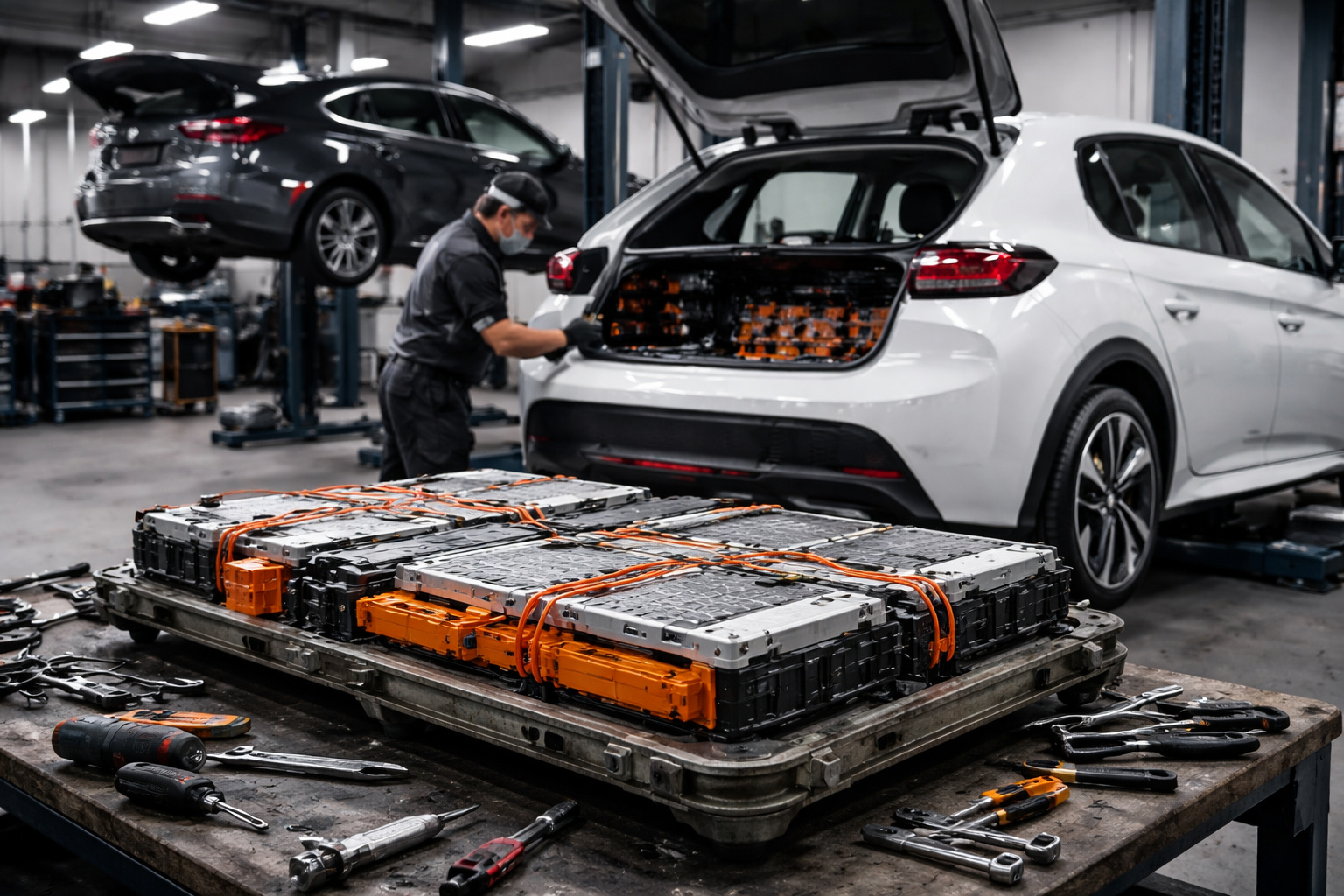
High Replacement Costs, Technical Barriers and Disproportionate Prices Reorganize the Debate on Maintenance, Sustainability and the Used Market
A structural change in the electric car market has gained attention in recent years and has begun to worry consumers, insurers, and specialized workshops.
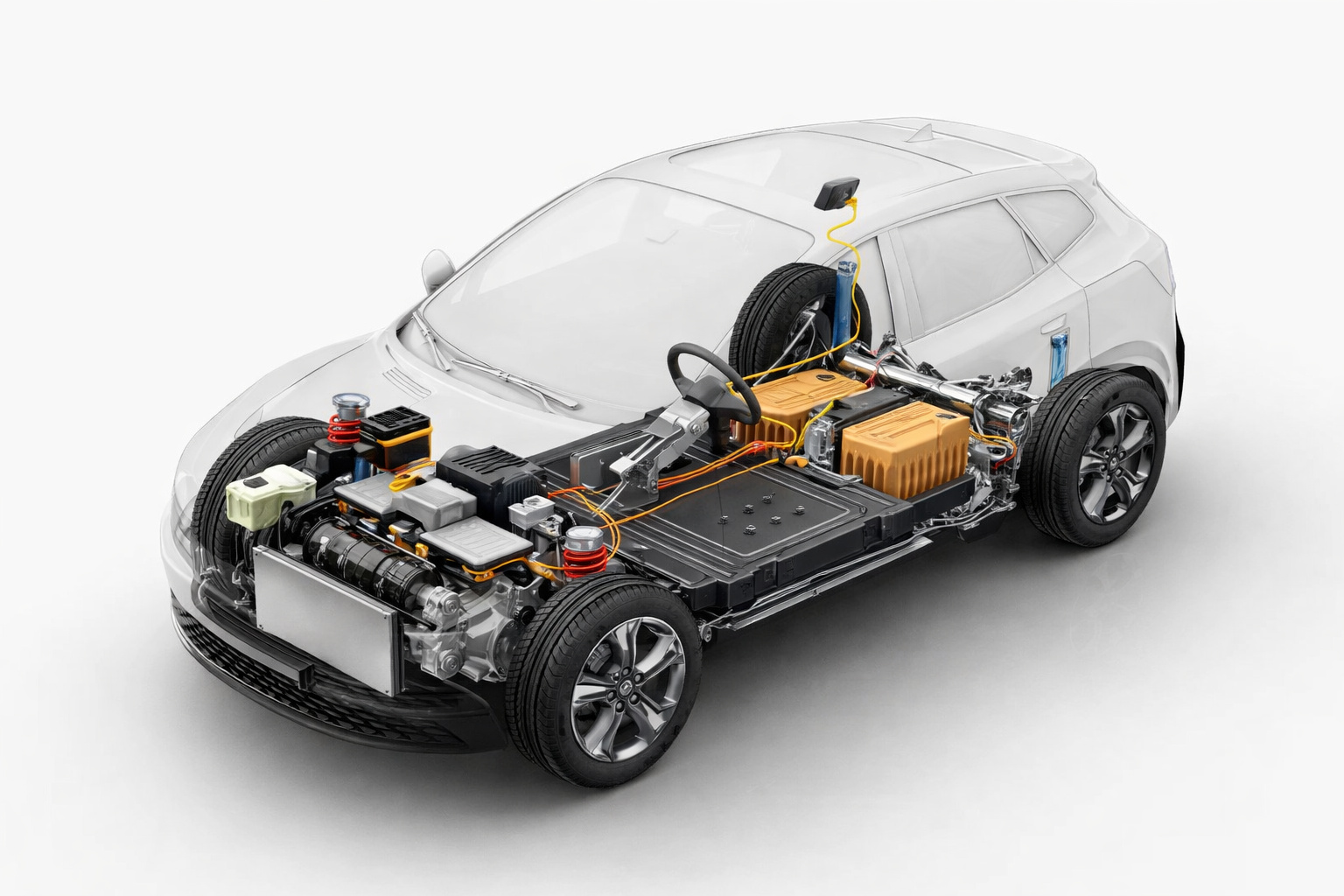
Although these vehicles became popular starting in 2020 with the promise of low maintenance, recent technical data shows that replacement batteries and motors can cost more than the car itself.
This scenario exposes a setback in the right to repair, increases the financial risk for consumers, and compromises part of the environmental gains associated with electrification.
Replacement Costs Exceed the Value of the Vehicle
According to surveys by EV Clinic, released between 2022 and 2024, the replacement of a traction battery can vary from 4,000 to over 30,000 euros, depending on the brand, model, and capacity.
As a consequence, the fear of replacing the battery outside of warranty drives buyers away from the used market.
In many cases, the repair exceeds the residual value of the vehicle, which completely alters the cost-benefit logic of electric cars.
In the case of the MG 4 Luxury, for example, the 64 kWh battery costs about 429 euros per kWh, surpassing 27,000 euros.
This amount represents approximately 83% of the price of a new car, according to data consolidated until 2024.
Still, the cost is close to that of premium models, such as the BMW i4 eDrive40, which highlights a significant distortion.
-
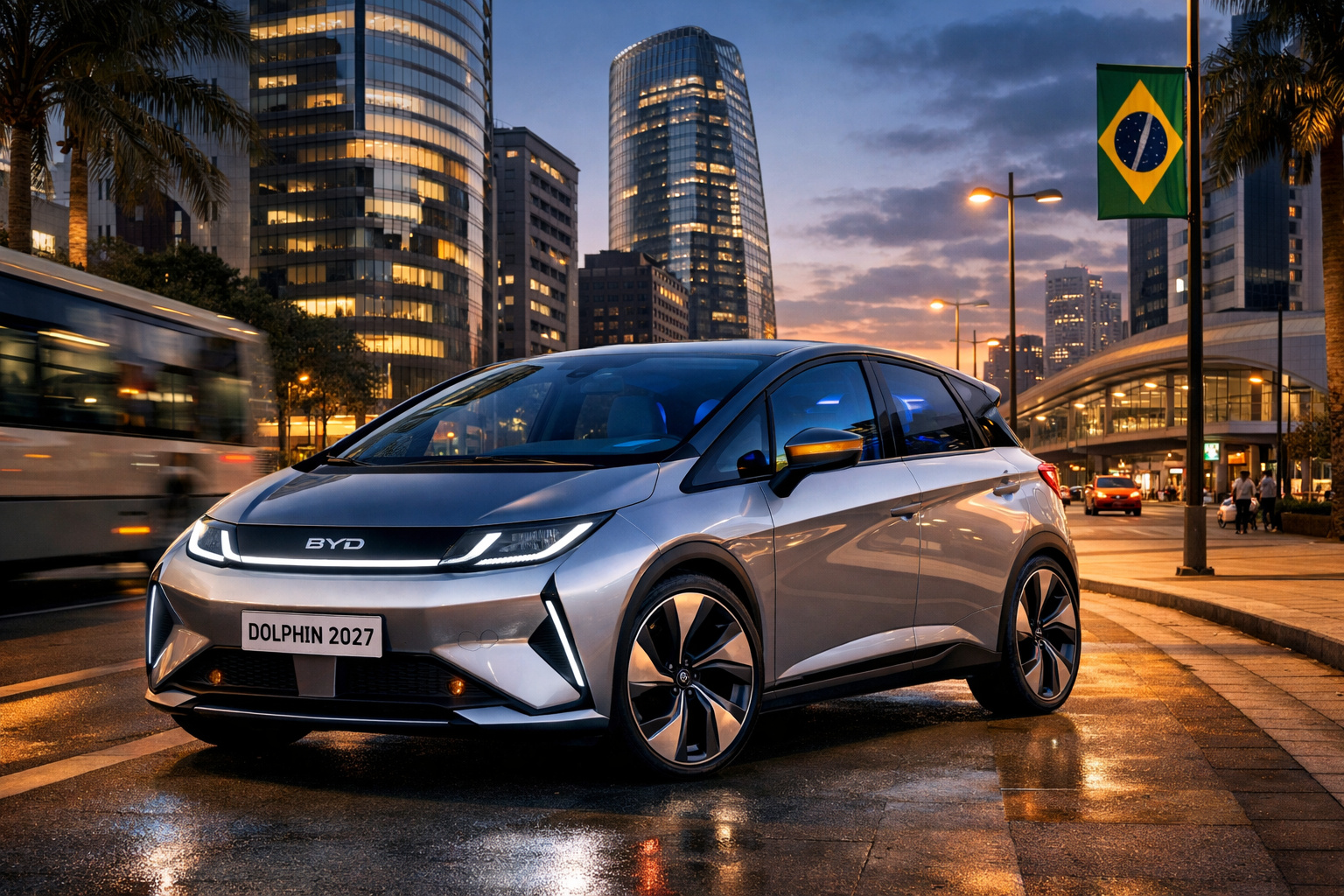
BYD Dolphin 2027 gains more power, increases in size, changes interior, and abandons controversial feature to face new competition in Brazil.
-
The German economist Wolf-Peter Schill has no doubts: “Electric cars are already far superior to cars with internal combustion engines.”

-
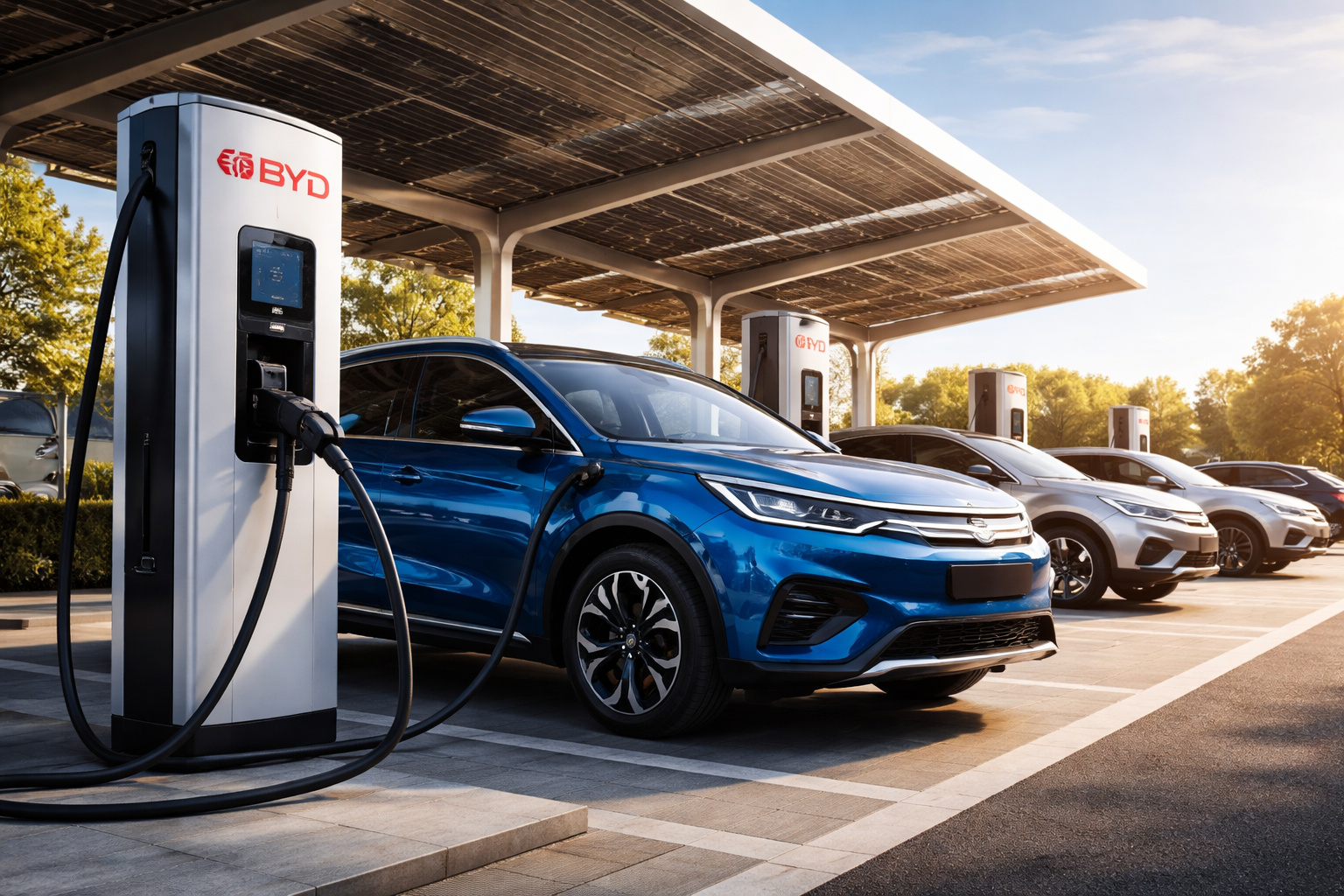
Largest public charging network in Brazil: BYD reaches 125 fast chargers and accelerates national expansion of electric mobility.
-
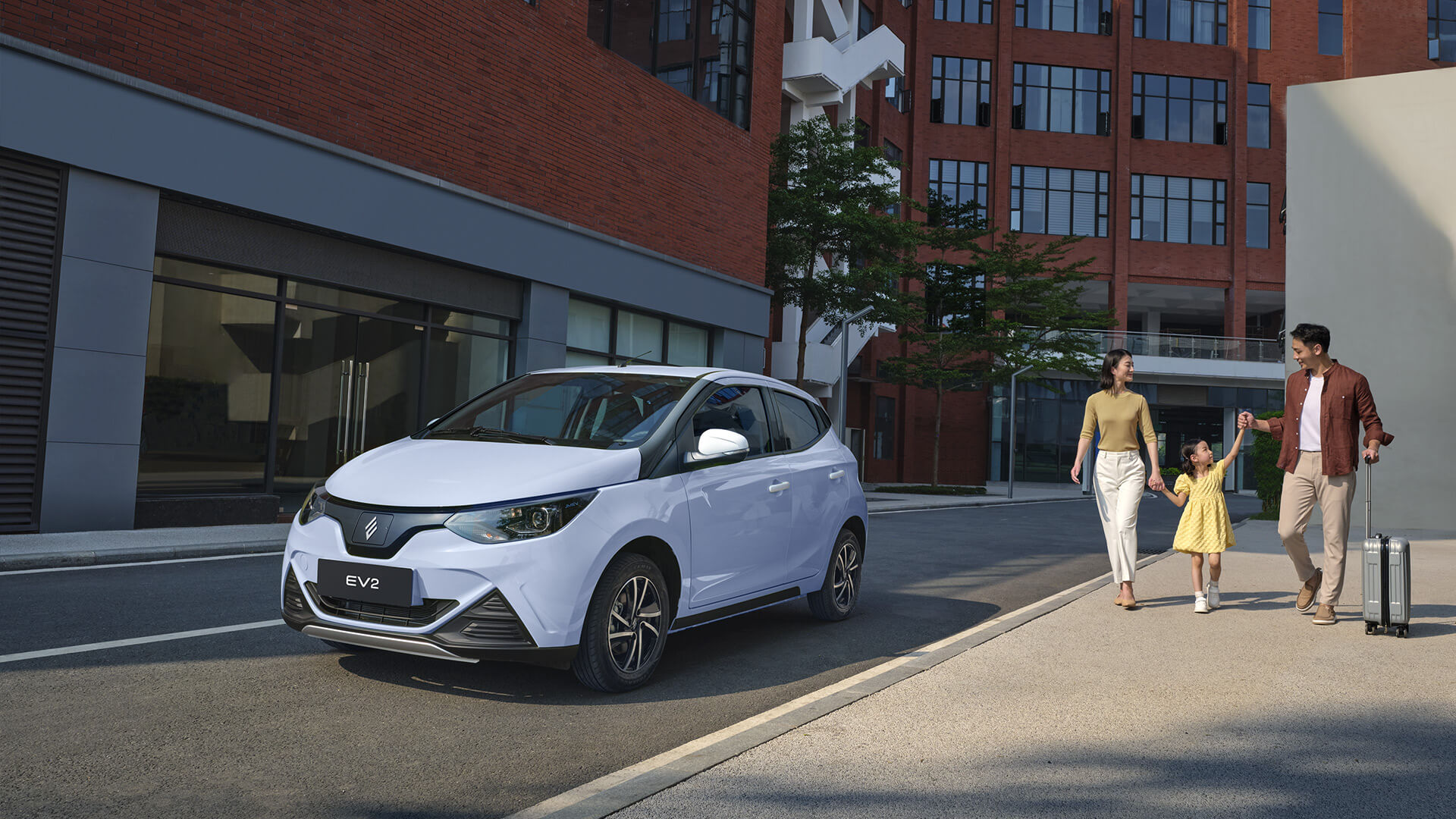
Goodbye expensive popular car: electric vehicle for less than R$ 70,000 starts being sold in Brazil with a range of 200 km and targets those looking to escape gasoline.

Popular Models Concentrate the Highest Prices
The discrepancy becomes even more evident in entry-level cars.
According to analyses published between 2023 and 2024 by EV Clinic and the blog La mirada del mendigo, the battery of the Dacia Spring, with 27 kWh, exceeds 9,600 euros.
In the Peugeot E-208, the value exceeds 17,300 euros, even though it has a smaller capacity than mid-range models.
In contrast, batteries of more expensive vehicles present significantly lower costs.
The battery of the Tesla Model 3, with 57.5 kWh, costs about 8,400 euros, even offering greater usable capacity.
In the Polestar 2, the 77 kWh battery reaches 13,500 euros, which is lower than that of popular compact cars, even in analyses conducted in 2024.
Electric Motors Follow the Same Logic
In addition to batteries, electric motors also present discrepancies that are hard to technically justify.
Although they are simpler and have fewer moving parts, their prices vary widely among brands.
The front motor of the Peugeot E-208, for example, costs almost five times more than the rear motor of the Tesla Model 3 from 2024.
A similar situation occurs in accessible models.
The motor of the Dacia Spring, with only 65 hp, costs almost three times more than that of the Tesla.
Among rear motors, the one in the Hyundai Ioniq 5, according to 2023 pricing tables, reaches 7,000 euros, while the Mercedes-Benz EQS motor costs less than half.
Right to Repair Is in Reverse
According to EV Clinic, there is no technical justification for cheaper cars to have more expensive parts.
Moreover, manufacturers have started to adopt barriers to independent repair, requiring proprietary software and exclusive tools.
A case reported in 2023 involved an owner of a Hyundai Ioniq 5 N, who was prevented from replacing brake pads without purchasing software for 6,000 euros.
This context forces consumers to turn to official dealerships or highly specialized workshops.
As a result, insurers have started to classify electric cars as total loss in case of any doubts about the battery or motor.
Thus, almost new vehicles end up being discarded after minor incidents.
Environmental Impact and the Contradiction of Sustainability
The manufacturing of an electric car has a higher initial environmental impact than that of a combustion car.
This impact, however, is only compensated over the vehicle’s lifespan.
When repair becomes unfeasible and the car is discarded prematurely, the carbon footprint increases, instead of decreasing.
This scenario highlights a central contradiction of electrification.
Without accessible repairability, the electric car cannot fully meet its environmental promise.
In light of this, the question remains: without an effective right to repair, is the current model of electric mobility really sustainable in the long term?









Seja o primeiro a reagir!