





 Portuguese
  English
  Spanish
  3 min of reading
  0 comments


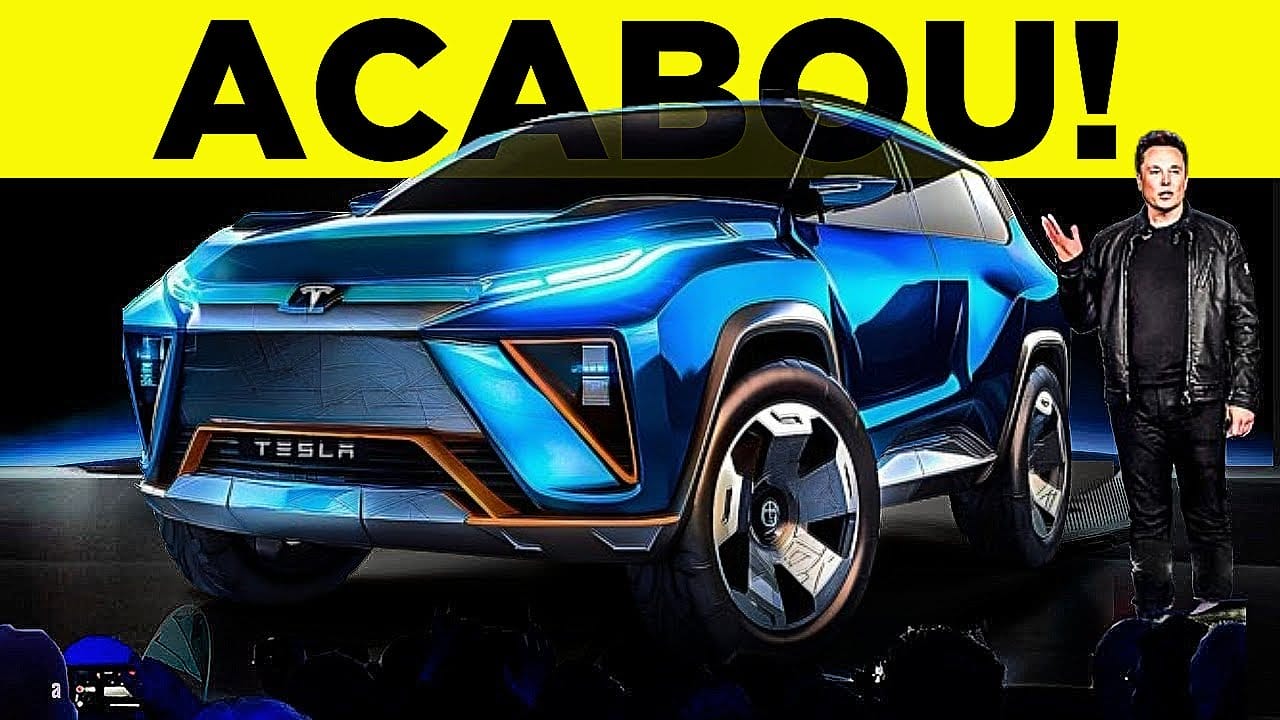
By Using Hydrogen Technology, Elon Musk Could Transform The Automotive Industry With An Innovative Hydrogen Car, A Strategic Shift By Prioritizing This Technology Over Conventional Batteries.
Elon Musk, known for his disruptive innovations in the automotive industry, seems to be redirecting his focus toward the development of a new hydrogen car, diverging from his notable trajectory with electric cars. Although the billionaire previously criticized hydrogen cells, referring to them disparagingly and even doubting their viability, it seems there has been a significant shift in his perspective. This new direction signals a possible revolution in the automotive industry, demonstrating Musk’s ongoing evolution in thinking regarding alternative energy technologies.
Elon Musk’s Tesla Will Shift From Batteries To Develop A Hydrogen Car

As highlighted in the video above, earlier this year, the billionaire stated he was very excited to announce that he is shifting Tesla from batteries to develop a hydrogen car in 2024. Elon Musk further claimed that the fuel offers even more range, quick refueling, and other benefits.
Hydrogen cells still have significant potential to be explored in the automotive industry. Currently, the sector is looking for ways to move away from fossil fuels as energy sources for vehicles. In this way, a hydrogen car offers a great alternative, potentially being even better than the electric cars that Elon Musk already dominates with Tesla.
-
Six diseases that seem common but can prevent the renewal of the driver’s license for the elderly throughout Brazil and surprise experienced drivers — could any of them affect you without showing clear signs?

-
With 122 hp, fuel consumption of up to 17.7 km/l, and a trunk capacity of 440 liters, this hybrid SUV impresses even though it costs up to R$ 47,000 more than the Yaris — meet the Toyota Corolla Cross.
-
600 km with three Chinese plug-in SUVs, same mode and air conditioning on: Jaecoo 7, BYD Song Plus, and Haval H6 hit the road, and the pump reveals who was truly the most economical.
-
With a price almost R$ 100 thousand lower, the Haval H9 surpasses the SW4 for the first time in March, but Toyota still leads in the accumulated total for 2026; the Chinese SUV bets on technology and premium finishing to compete at the top.
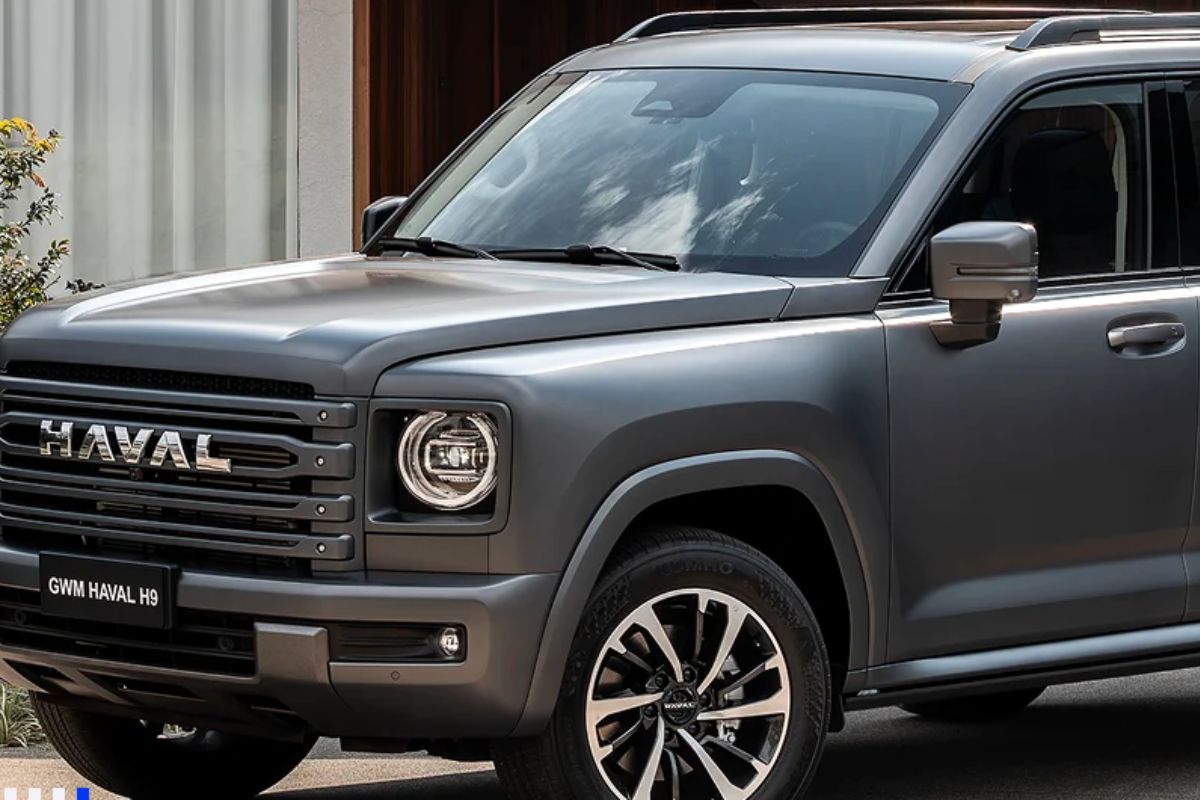

Experts have predicted that instead of electric vehicles, hydrogen cars will be the most driven on the roads by 2030. It is important to note that some companies are already operating these hydrogen models in the US.
The Toyota is also an example and has already produced vehicles powered by this fuel that are active on American roads. Moving away from battery models, Elon Musk’s initiative in the automotive industry is not without reason, given that hydrogen is very abundant throughout the universe and its cells can generate a lot of energy.
Warning Note: The video in question shows a statement by Elon Musk through his social network X (formerly Twitter), but we could not find the original tweet to integrate it here on the site, so everything that is known about Elon Musk’s hydrogen car may just be mere speculation.
Advantages Of The Hydrogen Car Over Electric Vehicles
Despite the advantages mentioned above, these are not the only benefits attracting Elon Musk, as hydrogen-powered cars will soon pose a significant threat to the current electric dominance.
The expectation is that competition will be so fierce that Tesla could lose in the long run. The main disadvantage of electric vehicles is their shortcomings, such as the long and tedious wait each user has to endure to recharge their car. A Tesla generally takes over an hour to fully charge.
Thus, it would be much more viable to choose an equally sustainable source that would reduce that time to 5 minutes or less, and that is exactly what the hydrogen car aims to offer. Despite being much faster, its range compared to electric vehicles is significantly greater.
A large percentage of electric vehicle owners are always anxious about the range of their cars, which can reach, on average, 300 km, which may decrease depending on the weather. The hydrogen car, on the other hand, can travel an impressive 483 km or more.
Scientists Are Developing Cheaper Ways To Produce Hydrogen
Until very recently, the cost of obtaining hydrogen was the primary challenge. Naturally, when this cost is very high, the price of hydrogen cars in the automotive industry rises automatically, which is not what Elon Musk seeks for his customers. However, scientists are currently working on cheaper ways to produce hydrogen so that vehicles powered by this fuel of the future come at lower prices.
This will also mean that the cost of hydrogen fuel will decrease from the current US$ 17, which is equivalent to US$ 8.5 per gallon for the same distance. However, the development of hydrogen-powered vehicles in the automotive industry is far from being established. There are few hydrogen fueling stations in the US, and the current ones are located only in California.









-

Uma pessoa reagiu a isso.