





 Portuguese
  English
  Spanish
  2 min of reading
  1 comment


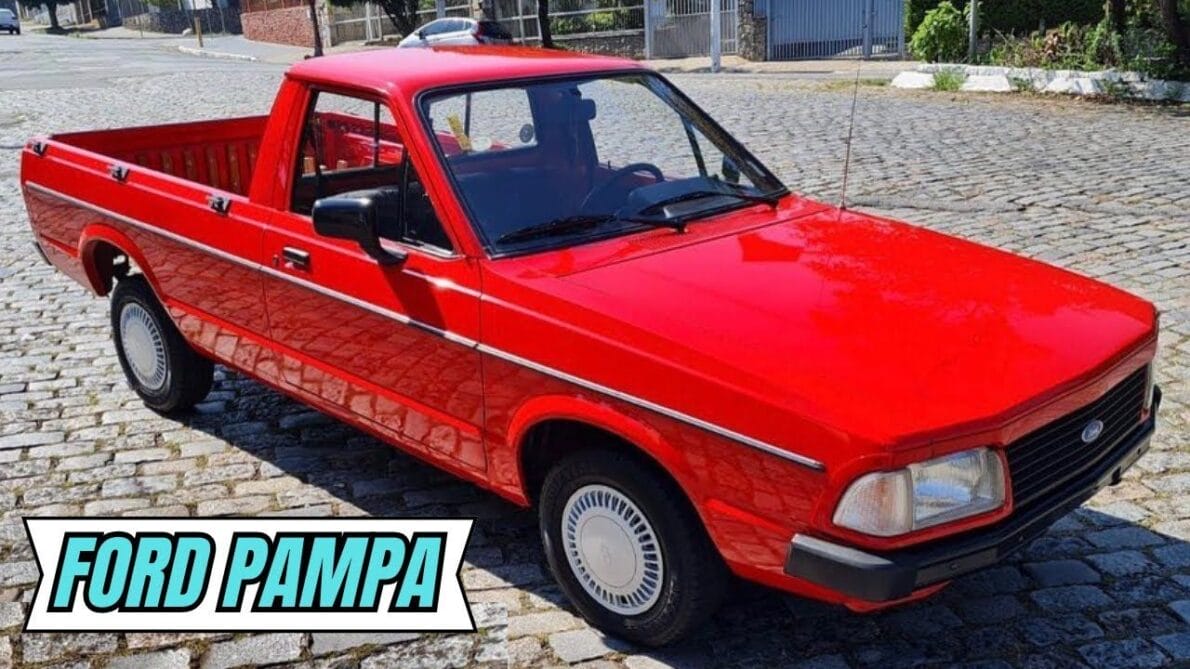

Launched as an innovation in the pickup market, the Ford Pampa 4×4 promised robustness and versatility. However, a crucial technical detail ended up limiting its sales success. Discover what that factor was and how it affected this classic Ford model.
The Ford Pampa, introduced at the 1982 Auto Show, quickly established itself as a compact and efficient option for small merchants and businesses that needed a practical vehicle to navigate the growing Brazilian cities. Derived from the Ford Corcel 2, the Pampa stood out for combining the robustness of a pickup with the comfort of a passenger car, featuring a design that included elevated suspension and a payload capacity of up to 600 kg.
In 1984, the line expanded with the introduction of the Pampa 4×4. This innovative version offered four-wheel drive, a rare feature in compact pickups of the time, promising greater off-road capability. With a renewed front end, adjusted suspension, and the addition of an all-wheel drive system, the Pampa 4×4 seemed ready to conquer a wide market.
The Four-Wheel Drive System of the Ford Pampa 4×4 Was Designed to Be Used in Specific Low-Speed Situations


However, a technical detail began to compromise its usability and, consequently, its sales. The four-wheel drive system of the Pampa 4×4 was designed to be used in specific low-speed situations and for short periods, with a limit of 60 km/h.
-
Less than a Tera TSI, up to 710 km of range and charging in 9 minutes: the new BYD Song Ultra expands the Chinese brand’s bet on increasingly faster, more technological, and competitively priced electric SUVs.

-
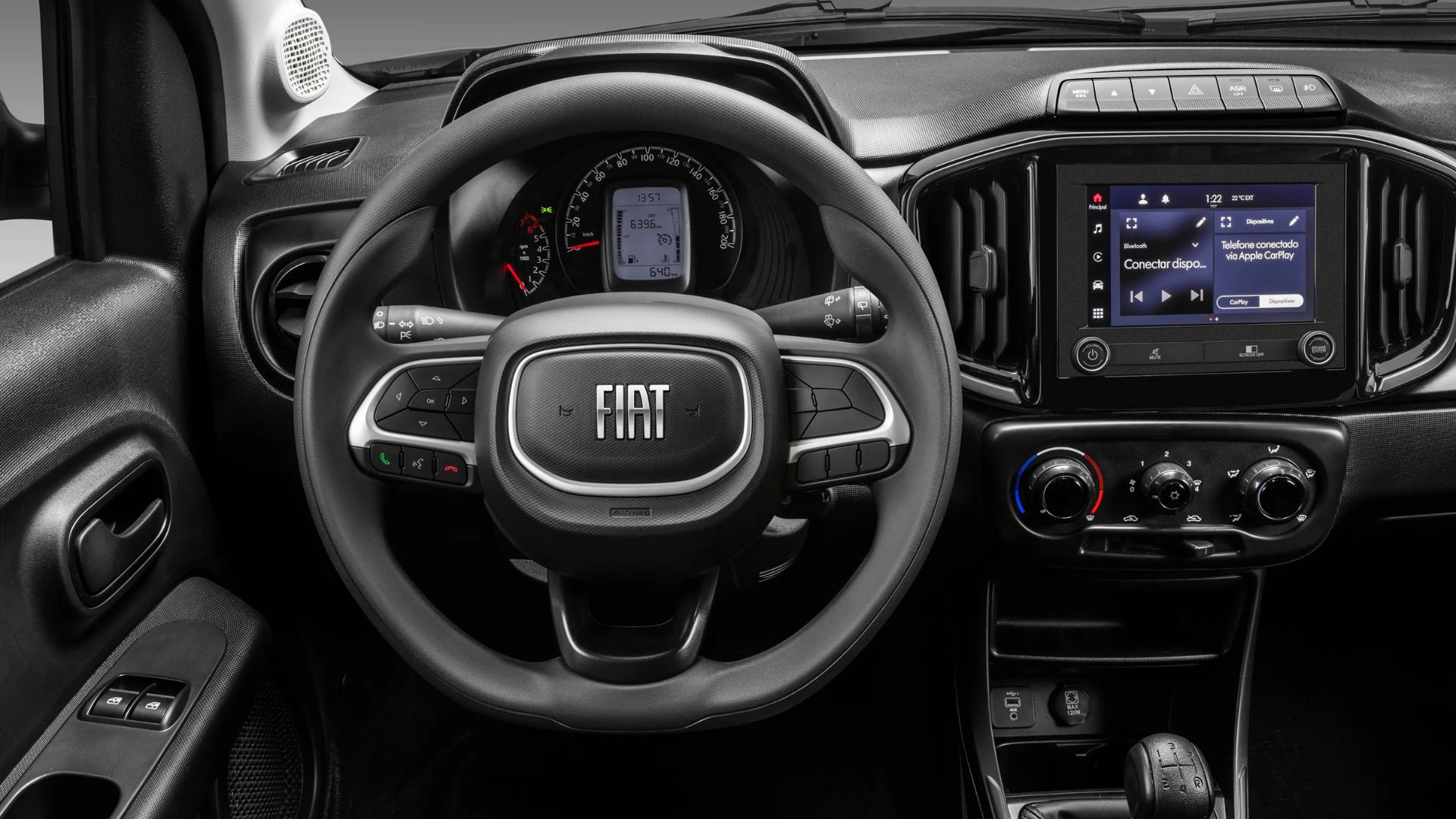
With a 1.0 engine producing 75 hp and costing less than R$ 70,000, Fiat’s car returns to the podium as the cheapest in the country; a temporary promotion for the 2026 Like version reduces the price of the Fiat Mobi.
-
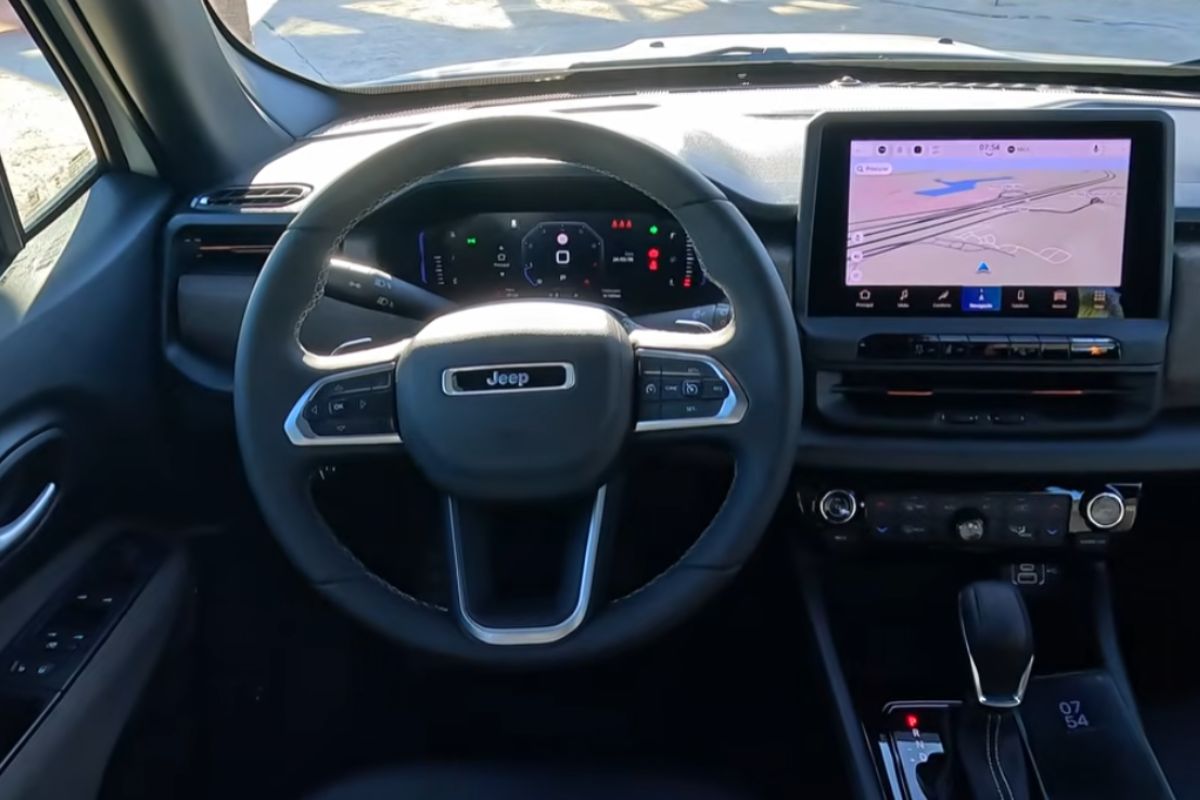
With a mild hybrid system of 48 V, 176 hp and a price of R$ 175,990 in the Sahara version, the new Jeep Renegade changes mostly on the inside, improves slightly in fuel consumption, and remains almost the same car.
-
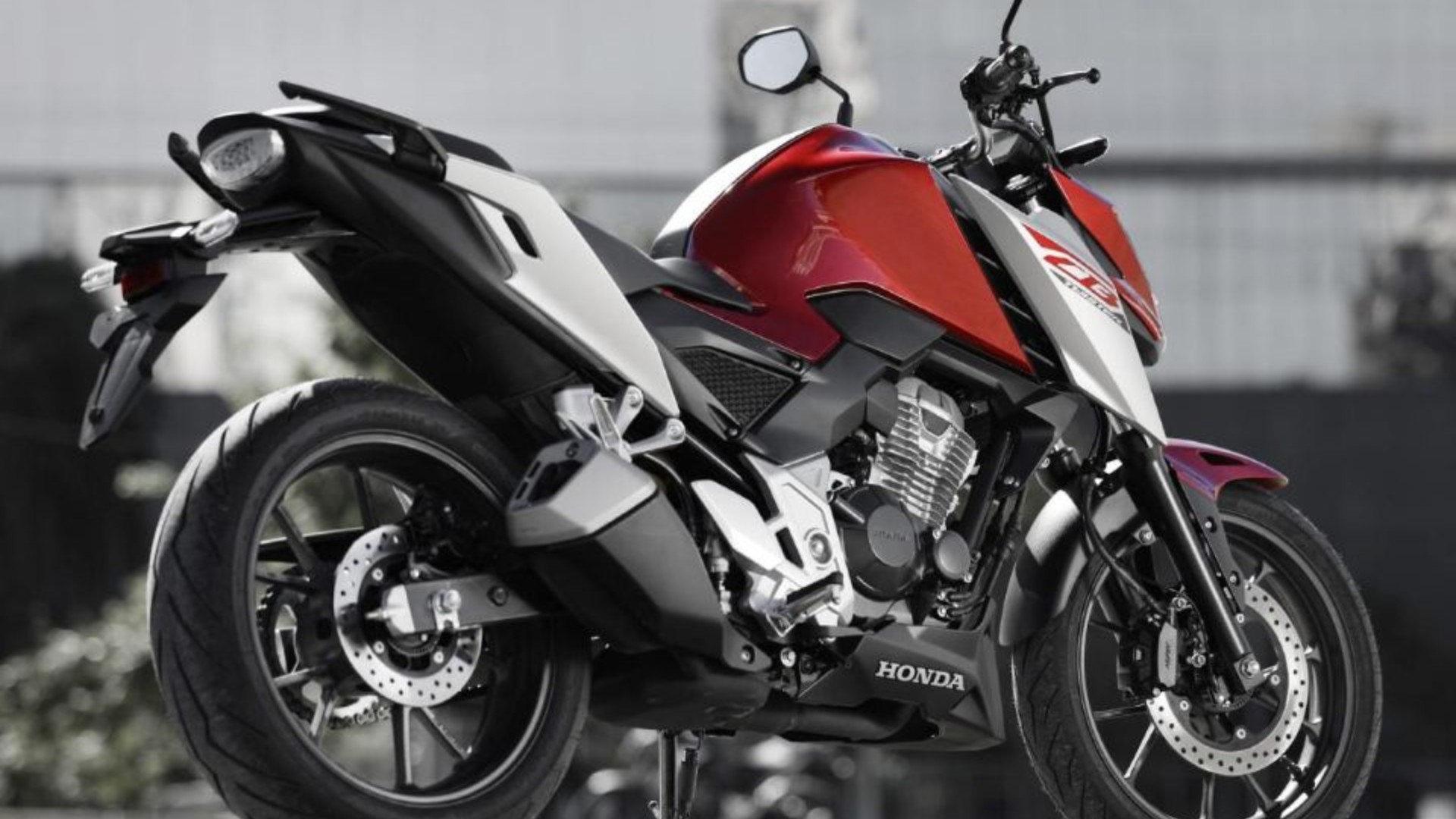
With a 293.5 cm³ engine and a range of up to 400 km with a 14.1-liter tank, the Honda CB 300F Twister 2026 has up to 24.7 hp, an initial price of R$ 25,150, and already exceeds R$ 29,000 in the Fipe Table.

This limitation was due to the risk of damage to the system when operated outside these conditions. Many users, unaware of or ignoring these restrictions, used the all-wheel drive for extended periods or at higher speeds, resulting in frequent mechanical failures and high maintenance costs.
This Factor Made the Pampa 4×4 Less Attractive to the Average Consumer
This factor made the Pampa 4×4 less attractive to the average consumer, who needed a more versatile pickup with fewer operational restrictions. Despite its reduced load capacity of 440 kg and Ford’s investment in mechanical improvements, such as the introduction of the more powerful 1.6 CHT engine in 1984, the 4×4 version never met sales expectations compared to its 4×2 sister.
Costs Associated with Maintenance of the Four-Wheel Drive of the Pampa 4×4 Provided a Lesson for Ford
The complexity and costs associated with the maintenance of the four-wheel drive of the Pampa 4×4 provided a lesson for Ford and for the automotive market in general, highlighting the importance of aligning the vehicle’s technical capabilities with the clear needs and expectations of consumers. Although the Pampa continued to be a successful model until its replacement by the Ford Courier in 1997, the 4×4 version remains a classic example of how a technical innovation can become an obstacle when not fully adapted to market demands.








Não só já andei como tenho uma 1997