





 Portuguese
  English
  Spanish
  3 min of reading
  0 comments



To Focus on Electric Car Production, the French Multinational Renault Plans to Lay Off 2 Thousand Employees from Support and Engineering in France. However, It Also Plans to Hire More Than 2,500 for Other Positions
The French multinational Renault announced that it intends to lay off around 2 thousand support and engineering employees in its home country. This action is due to the fact that the automaker is shifting its manufacturing focus to electric cars and at the same time it lays off employees, it also plans to hire employees for new positions. Renault states that it has already laid off around 4,600 employees in the country as part of a broad restructuring and also stated in an official statement that it was negotiating with unions regarding its latest plans.
Read Also
Renault Will Hire New Employees for Electric Car Production
In total, the brand intends to lay off 1,600 engineering employees and 400 support employees between 2022 and 2024, according to the official announcement. This number represents 10% of the current workforce in France.
During the same period, Renault plans to create 500 new jobs, in addition to 2,500 hires for other positions, including battery chemistry and data science, increasing expertise in energy sources for electric cars.
-
Less than a Tera TSI, up to 710 km of range and charging in 9 minutes: the new BYD Song Ultra expands the Chinese brand’s bet on increasingly faster, more technological, and competitively priced electric SUVs.

-
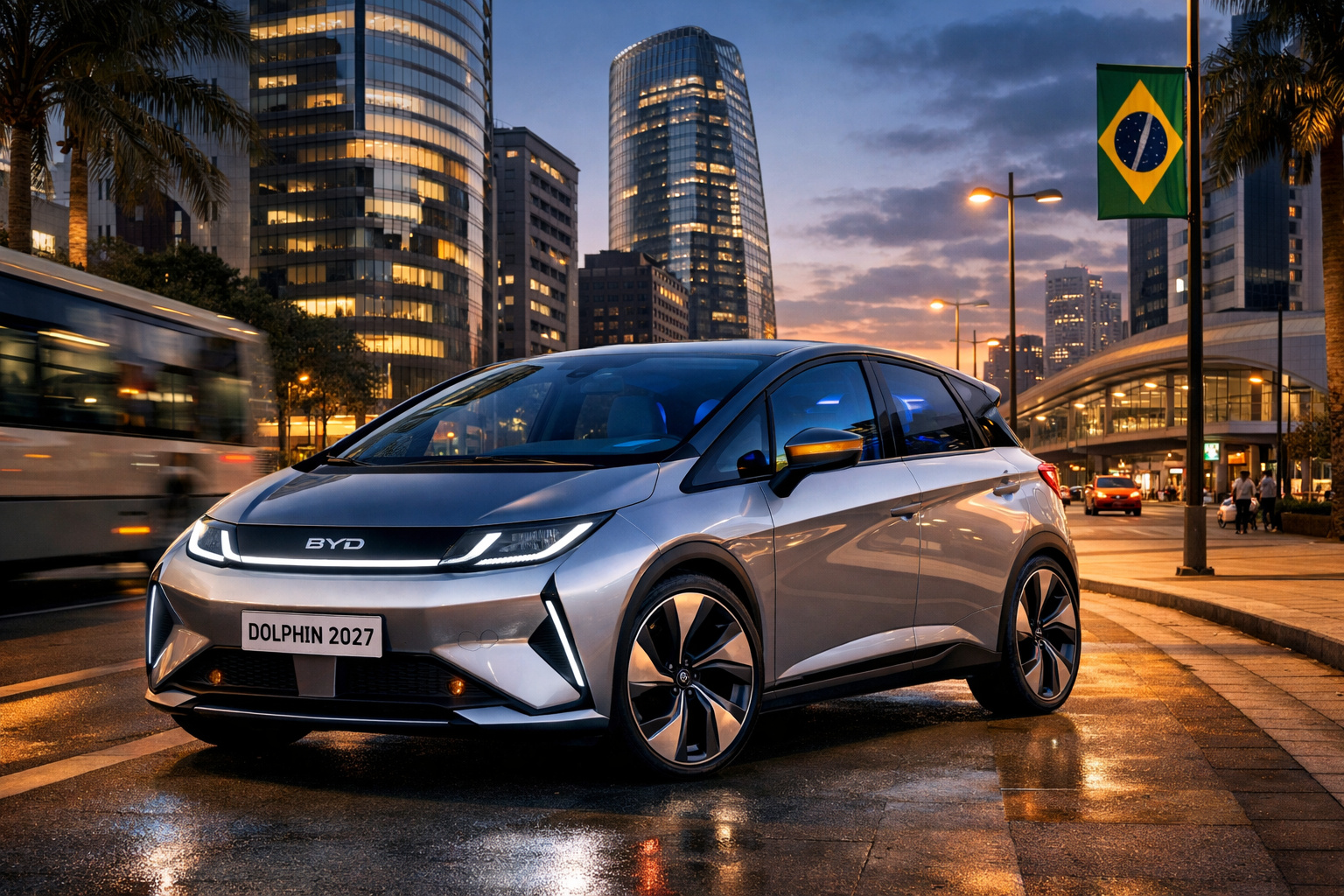
BYD Dolphin 2027 gains more power, increases in size, changes interior, and abandons controversial feature to face new competition in Brazil.
-
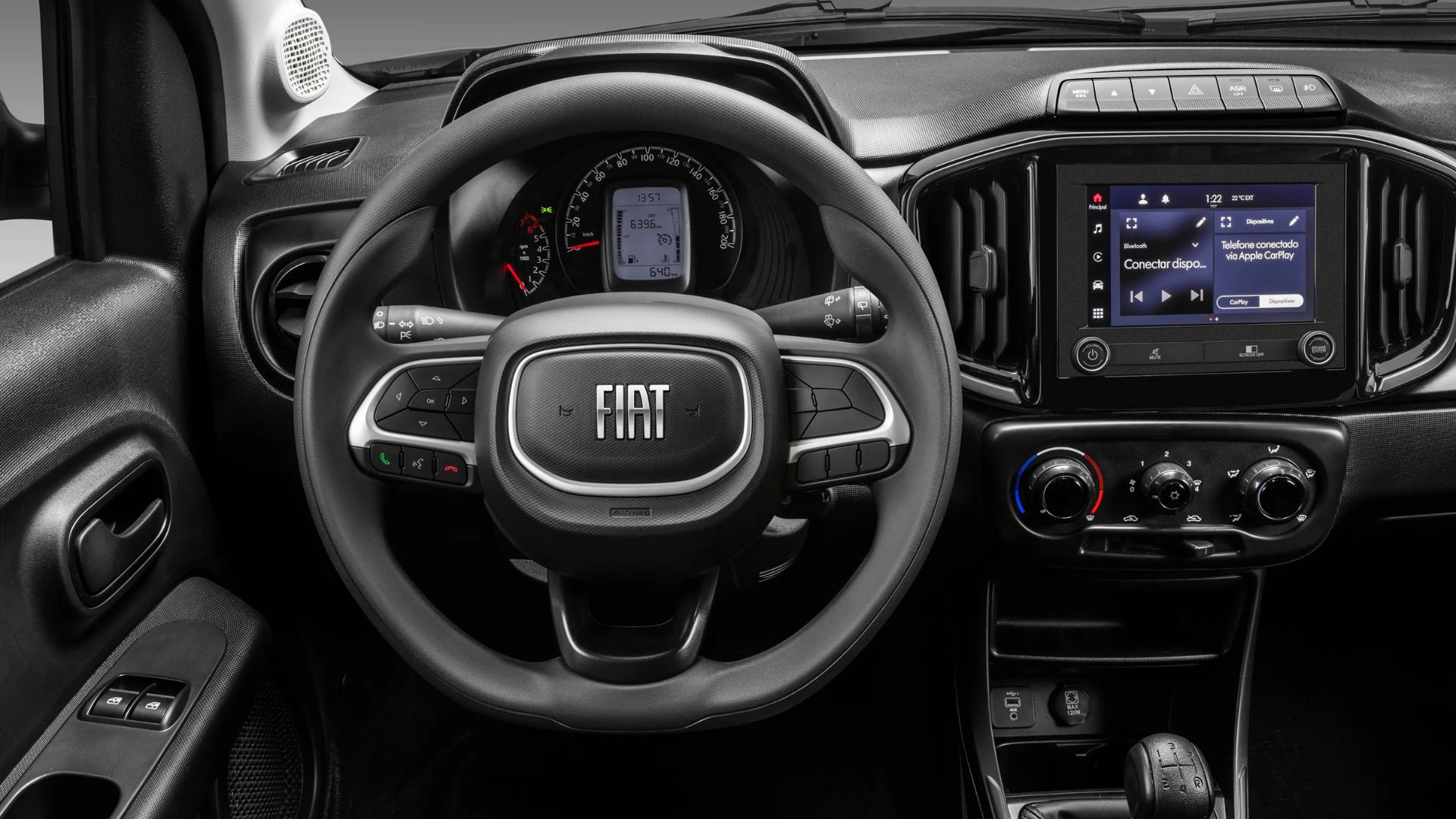
With a 1.0 engine producing 75 hp and costing less than R$ 70,000, Fiat’s car returns to the podium as the cheapest in the country; a temporary promotion for the 2026 Like version reduces the price of the Fiat Mobi.
-
Created by George Lucas with over $1 billion, a futuristic museum in the shape of a spaceship with 1,500 curved panels is about to open in Los Angeles and will house one of the largest private collections of narrative art in the world.


The news has had a negative impact and also caught the French state by surprise, as it is currently the largest shareholder of Renault. Luca de Meo, the CEO of the automaker, has a delicate line to walk in efforts to turn the situation in favor of the brand, given that the company had already announced last year that it intended to lay off around 14,600 employees worldwide, reducing its production capacity by nearly one-fifth.
Renault Aims to Focus on Launching New Electric Cars by 2025
In addition to the intention to lay off employees, the automaker also promised that it would produce nine new fully electric vehicles in France around 2025. The electric cars include new models of the Megane, Kangoo, and Renault 5, as well as an SUV and another exclusive vehicle about which the automaker did not provide many details.
The vehicle manufacturing plans now depend on how agreements with unions will be made. In a nod to pressure in an attempt to understand the situation between the automaker and the unions, Renault stated that France is a “strategic and industrial hub” in its official announcement.
Renault Shares Rise After Possible Agreement with CFDT
In response to the action taken by Renault, the French Democratic Confederation of Labor (CFDT) stated that it would demand guarantees that 750 thousand cars would be manufactured per year in the country and that no more workplaces would be closed.
The possible agreement between the parties caused Renault’s shares to open higher at the start of trading in Paris last Friday (17), although shares have fallen about 19% over the year.
Despite Renault having profited in the first half of this year, with a record loss last year, the semiconductor chip crisis has disrupted production in recent months and led to the shutdown of several factories worldwide, including Brazilian factories.
The company lagged behind rivals Stellantis, Volkswagen, and Tesla in recovering from the pandemic due to its reliance on the European market, which ” resurged” more slowly than the Chinese or North American markets.








Seja o primeiro a reagir!