





 Portuguese
  English
  Spanish
  5 min of reading
  5 comments





Starting in 2026, Mopeds Will Need License Plates and Licensing; New Rules from Contran Remove the “Cinquentinhas” from Bike Lanes and Strengthen Traffic Safety.
Brazil will undergo one of the broadest changes in its traffic system since the tightening of the Dry Law. Starting on January 1, 2026, a new regulation from the National Traffic Council (Contran) will come into effect, completely altering the rules for the use of mopeds, the popular “cinquentinhas.” These vehicles, which have so far been used with little oversight on bike lanes and avenues, will need to be registered, licensed, and operated only by licensed drivers.
The measure is part of Resolution No. 996/2023, approved by Contran and published in the Federal Official Gazette in June 2023. The text redefines what constitutes a moped and establishes stricter rules for traffic, safety, and enforcement. According to the Ministry of Transport, the goal is to standardize the use of low-displacement and electric vehicles, which have proliferated on Brazilian streets without control, increasing the risks of accidents and competition for space with bicycles and pedestrians.
What Changes Starting in 2026


Under the new regulation, mopeds are all vehicles with two or three wheels, with a motor of up to 50cc and a maximum speed of 50 km/h, powered by combustion or electricity. Starting in 2026, these vehicles will be required to:
-
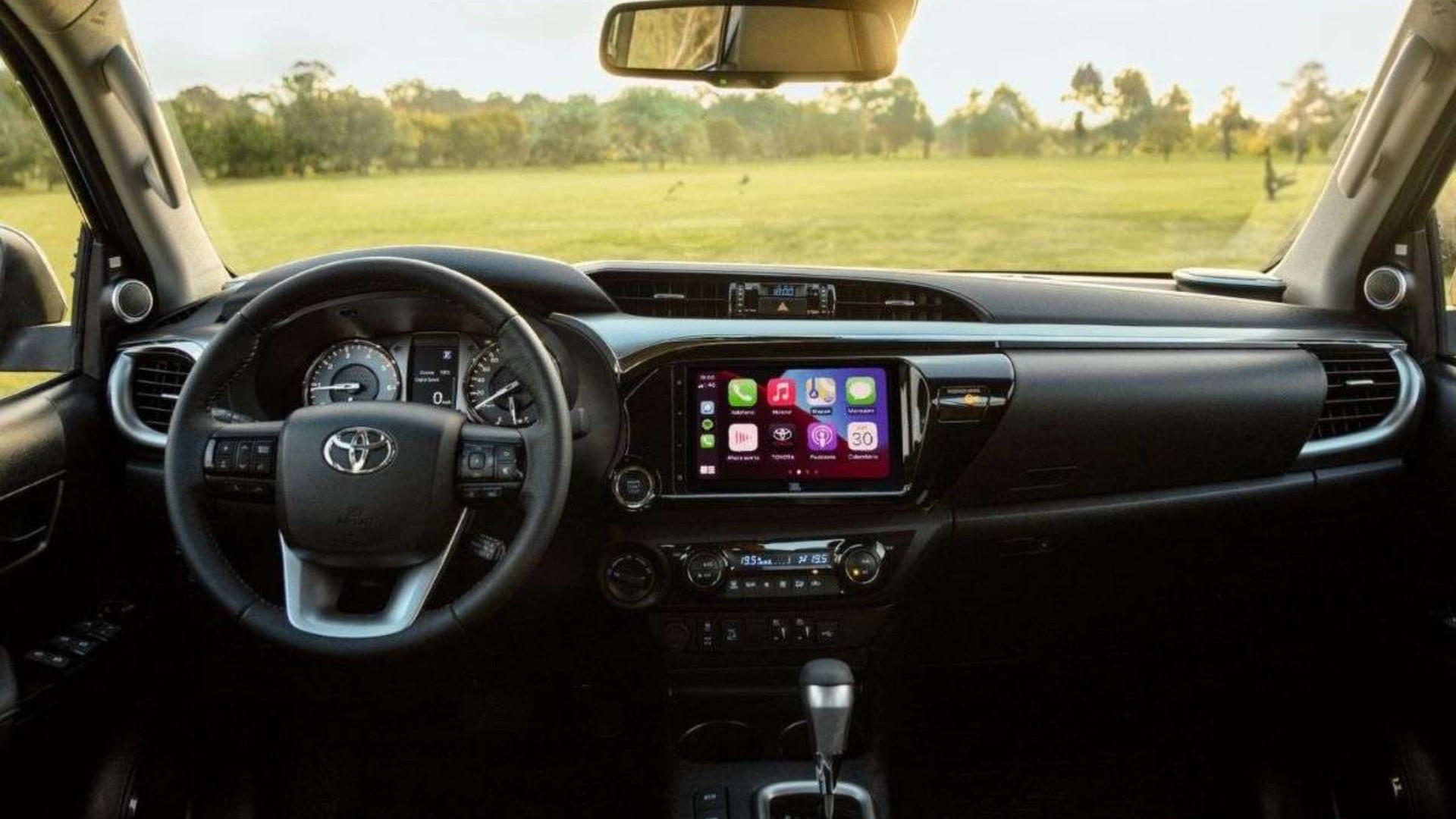
The Toyota Hilux is R$ 75.5 thousand cheaper and bets on the 2.8 turbodiesel engine with up to 204 hp and 50.9 kgfm to catch up with the VW Saveiro, which leads with 4,472 sales.
-
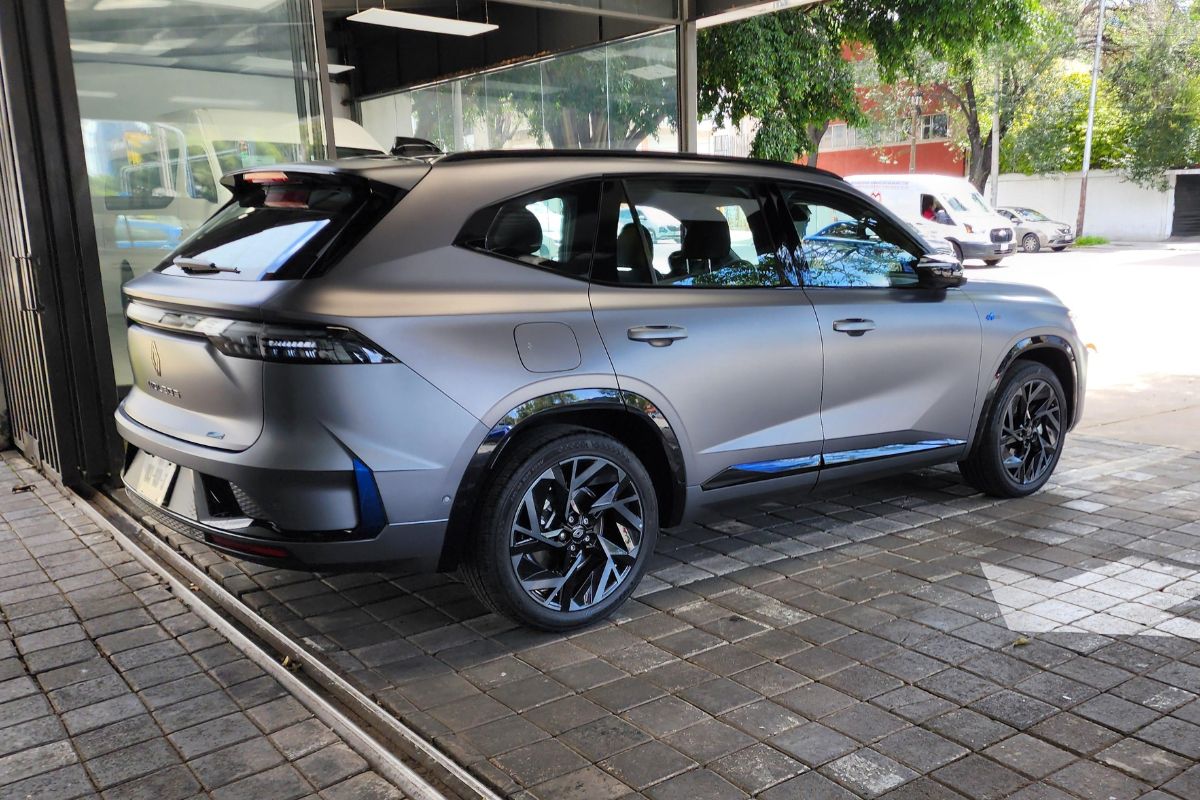
The new Renault Koleos has a screen exclusively for the passenger that is invisible to the driver, heated rear seats, and 29 assistance systems, but its Chinese competitors cost R$ 40,000 less and deliver more power.
-
The car stored for 38 years: when opening the barn door, what appears is breathtaking and looks like a scene from a movie!

-
Fiat works miracles in the Brazilian market, lowers the price of its 0 km hatch to R$ 69,990, reestablishes the model as the cheapest car in the country, and reignites the battle against Kwid and C3.

- Have mandatory registration and license plates with the DMV in each state;
- Be operated only by those holding a National Driver’s License (CNH) category A or Authorization to Drive Moped (ACC);
- Drive only on public roads, with the prohibitions on roads in bike lanes, sidewalks, and footbridges;
- Meet technical safety requirements, such as the use of helmets, mirrors, headlights, and speedometers.
Failure to comply with the rules will result in fines that can exceed R$ 880, as well as vehicle confiscation and suspension of driving privileges.
Why the Government Decided to Intervene in Mopeds
In recent years, Brazil has seen an explosion in the use of mopeds—especially electric and imported versions, many of which lack documentation, license plates, or factory registration. The Denatran estimates that over 1 million such vehicles are circulating illegally throughout the country.
The problem, according to Contran, is that the lack of regulation has created a legal and safety vacuum. Drivers of cars and buses have begun to compete for space with mopeds on major routes, while many moped operators have been using bike lanes, which are reserved exclusively for bicycles.
The Minister of Transport, Renan Filho, stated in a note that the measure aims to “ensure safety and balance in traffic, protecting the lives of drivers and pedestrians.” The Ministry also claims that the deadline until 2026 will allow for a gradual transition, with educational campaigns and simplified procedures for regularization at the DMVs.
Impact on Drivers and Commerce
The new regulatory framework will directly impact those who use mopeds as a means of transportation or work. Until now, the absence of licensing and registration made these vehicles attractive due to their low cost and ease of use.
A new model may cost between R$ 5,000 and R$ 10,000, which is significantly lower than that of a traditional motorcycle.
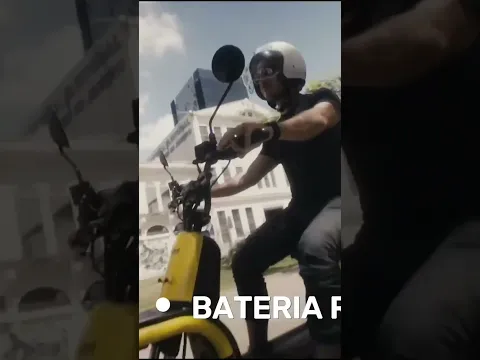
With the new requirements, it will be necessary to pay registration, licensing, and insurance fees, in addition to the costs for obtaining a license. Despite this, the sector expects that formalization will bring long-term benefits, such as access to insurance, financing, and legalized resale.
The president of the Brazilian Association of Motorcycle Manufacturers (Abraciclo), Marcos Fermanian, stated that the measure “corrects a market distortion and ensures more legal security for manufacturers and consumers.” According to him, regulation should reduce accidents and increase trust among users.
The Enforcement Will Change
With the resolution in effect, the State Departments of Transit (Detrans) will play a central role in implementing the new rules. They will need to create simplified systems for registration, licensing, and issuing the ACC, the exclusive license for mopeds.
Currently, the Authorization to Drive Moped (ACC) requires theoretical and practical exams, but with reduced hours compared to the CNH. Contran is studying ways to relax the process, allowing accredited schools to offer short courses to facilitate driver adaptation.
Moreover, municipal enforcement agencies will be able to impose fines and direct confiscations in case of violations. In some cities, such as Fortaleza, Curitiba, and Goiânia, mayors have already started awareness campaigns and promise to install regularization points for mopeds before the final deadline.
The Challenge of Electric Mopeds
One of the most sensitive points of the new law is the classification of electric mopeds, which gained popularity during the pandemic. Models such as scooters, e-bikes, and high-powered electric bicycles easily exceed 40 km/h and, in many cases, are imported without technical certification.
Resolution 996/2023 states that any electric vehicle with a throttle and a speed exceeding 32 km/h must be registered as a moped. This means that a large portion of the models currently in circulation will fall under the new rule and will need license plates, licensing, and registration with the DMV.
According to transportation engineer Luiz Renato Teles from the University of Brasília (UnB), the measure “closes the gray area that existed between motorized bicycles and motorcycles, bringing clarity and responsibility to all drivers.”
Transition and Adaptation of Mopeds in 2026
By the end of 2025, state agencies must publish detailed instructions regarding costs, deadlines, and necessary documentation for registration. The government also promises temporary fee exemptions to encourage the regularization of vehicles purchased before the new law.
The goal is that by the end of 2026, all mopeds in circulation will be registered in the national traffic system. Enforcement will initially be educational and will subsequently become punitive.
Traffic Safety and Education
The measure is seen by experts as an important step to reduce the number of fatal accidents involving mopeds, which increased by 42% between 2019 and 2023, according to data from the National Road Safety Observatory. Most occurrences happen on urban roads, and in more than 60% of cases, drivers lacked a license.
With the new regulatory framework, Brazil seeks to align with international road safety standards in countries like Spain and Portugal, where mopeds are already equated with light motorcycles.
More than just a bureaucratic change, the new rules represent a redefinition of urban space, limiting the improvisation that marked the presence of “cinquentinhas” and electric models over the last few decades.
Starting in 2026, operating a moped will require more than just fuel and balance: documentation, responsibility, and awareness that light mobility must also respect the same rules as heavy traffic will be necessary.







Sempre assim governo não quer perder nada só dinheiro pra o bolso deles
E o governo trabalhando para morder mais o seu dinheiro
Sem placa não dá pra multar né? Governo sempre a favor de si msm.