





 Portuguese
  English
  Spanish
  4 min of reading
  0 comments


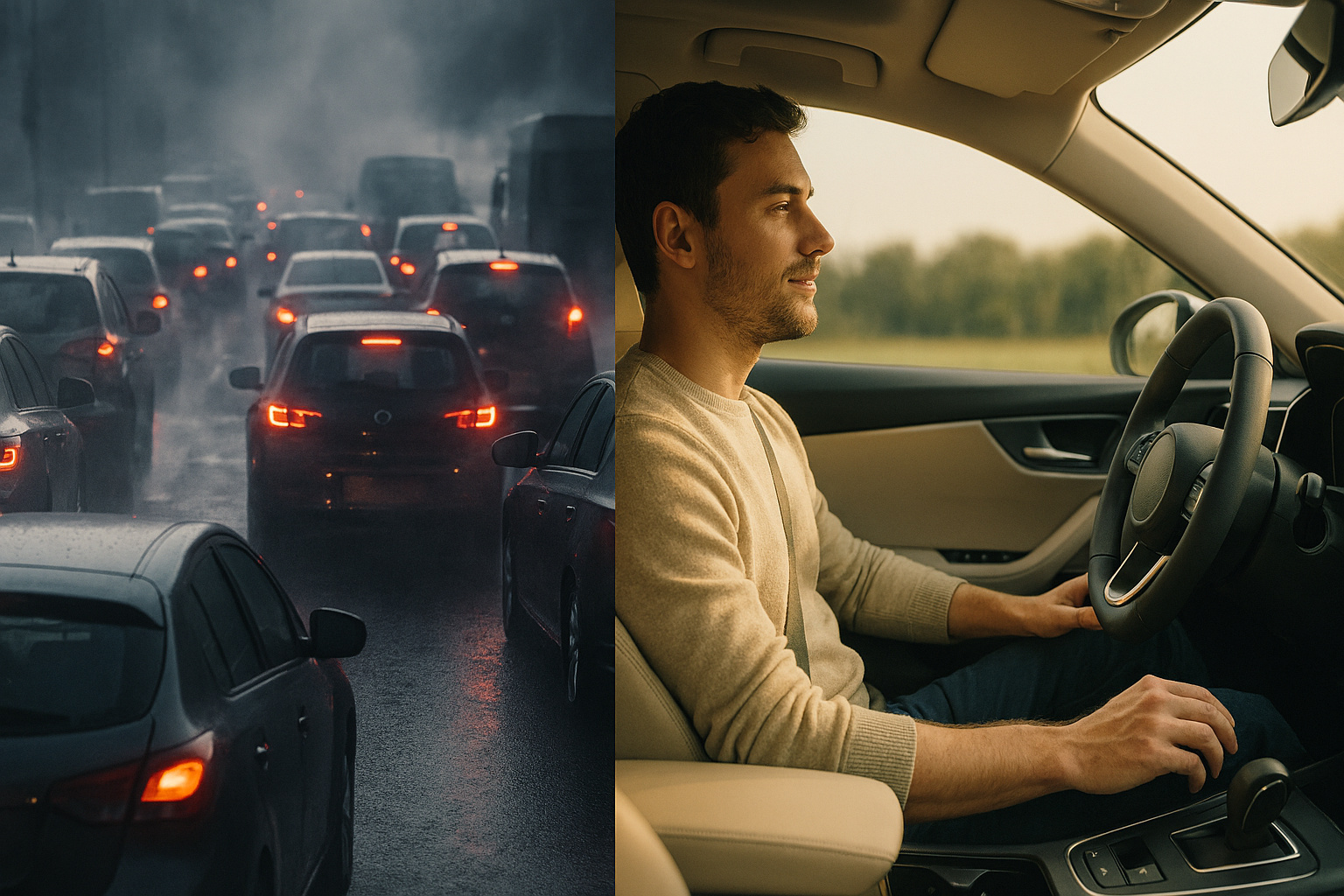
How Comfort, Silence, and Technology On Board Can Reduce Anxiety in Traffic and Transform the Car Into a Well-Being Ally in Large Cities.
Routine in large cities has imposed a new type of emotional wear on the population. Intense traffic, excessive visual and auditory stimuli, constant pressure for productivity, and the permanent sense of urgency create an environment favorable to the advancement of the so-called urban anxiety, a phenomenon increasingly present in analyses by mental health specialists.
Research and clinical reports indicate that daily commuting is among the main triggers of stress and irritability. Prolonged traffic jams, constant honking, sudden braking, and unpredictability of traffic elevate cortisol levels, directly impacting mood, concentration, and even the quality of sleep for those who spend hours behind the wheel.
In light of this scenario, one question becomes relevant: Can the automobile help reduce anxiety in traffic? If road chaos is a structural part of the challenges of urban mobility, the vehicle can also assume a new role, that of a space for emotional protection, comfort, and reduction of negative stimuli.
-
Less than a Tera TSI, up to 710 km of range and charging in 9 minutes: the new BYD Song Ultra expands the Chinese brand’s bet on increasingly faster, more technological, and competitively priced electric SUVs.

-
With a 1.0 engine producing 75 hp and costing less than R$ 70,000, Fiat’s car returns to the podium as the cheapest in the country; a temporary promotion for the 2026 Like version reduces the price of the Fiat Mobi.
-
With a mild hybrid system of 48 V, 176 hp and a price of R$ 175,990 in the Sahara version, the new Jeep Renegade changes mostly on the inside, improves slightly in fuel consumption, and remains almost the same car.
-
With a 293.5 cm³ engine and a range of up to 400 km with a 14.1-liter tank, the Honda CB 300F Twister 2026 has up to 24.7 hp, an initial price of R$ 25,150, and already exceeds R$ 29,000 in the Fipe Table.

Mobility Becomes an Extension of Well-Being
This shift in perspective broadens the traditional concept of mobility. Commuting ceases to be just a means of getting from point A to point B and is understood as an extension of well-being.
Elements such as internal silence, ergonomics, sensory comfort, and driver assistance technologies cease to be superfluous attributes and begin to exert a direct influence on the mental health of those who face traffic daily.
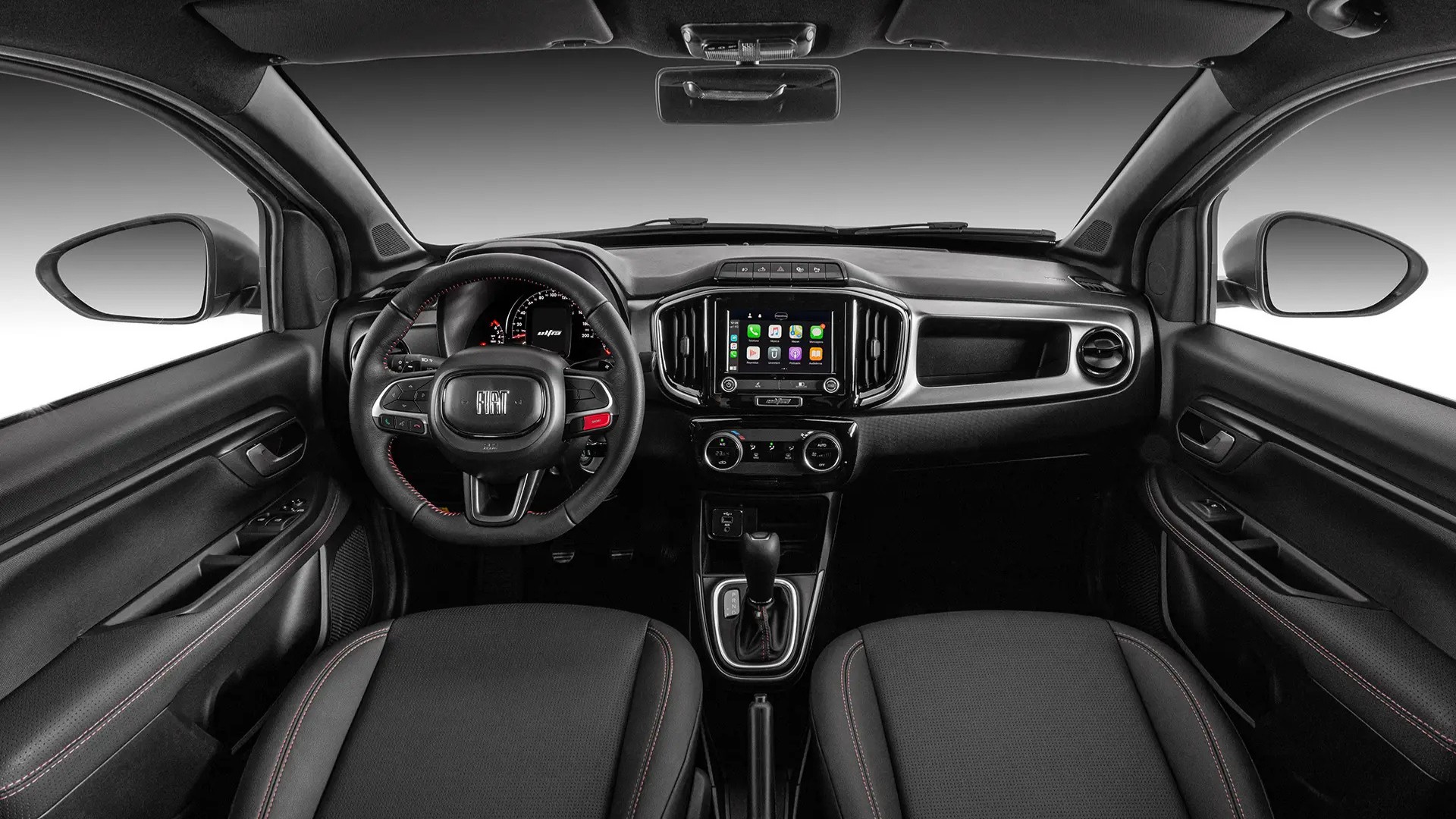
In this context, the interior of the vehicle gains strategic importance. A predictable, quiet, and comfortable environment helps reduce sensory and cognitive overload, favoring a more tranquil driving experience even in adverse urban scenarios.
How the Car Can Help Reduce Anxiety in Traffic
At OMODA & JAECOO, this vision guides the development of vehicles from the conception phase. The brand’s models are designed to offer a more serene, predictable, and comfortable driving experience, especially in urban environments characterized by heavy traffic and high emotional demand.
One of the central points is the high level of acoustic insulation. The significant reduction of external noises — such as honks, engines, and the constant sound of traffic — creates a quieter and more welcoming internal environment.
The decrease in these sound stimuli directly contributes to relieving tension, enhancing concentration, and promoting a sense of calm during driving.
Another relevant factor is the advanced driver assistance systems (ADAS). Features like collision alerts, lane-keeping assistance, and adaptive cruise control act as allies in daily life, helping to reduce cognitive overload for the driver.


By increasing the predictability of situations and providing active support, these technologies enhance the feeling of safety and confidence, especially in traffic jams and on busy roads.
Ergonomics and Comfort Reduce Fatigue and Stress
Ergonomics also plays a fundamental role in reducing anxiety behind the wheel. Adjustable driving position, intuitive controls, and seats designed for comfort help minimize physical fatigue — a factor directly associated with increased stress, irritability, and mental fatigue during long urban commutes.

Additionally, the attention to comfort and sensory experience transforms the interior of the vehicle into a pause space amid the chaos of the cities. More than just a means of transportation, the car begins to function as an environment for deceleration, capable of making routine life more balanced.
“We developed our vehicles beyond performance and technology. We think about how each solution can help the driver adopt a less aggressive driving style, with silence and comfort on board, ergonomics, and driver assistance systems that relieve anxiety for those who spend hours in traffic,” says Henrique Buzzaneli, head of Engineering at OMODA & JAECOO Brazil.
A New Vision of Urban Mobility
In a moment when urban anxiety consolidates as a central theme in discussions about quality of life, OMODA & JAECOO proposes a new way of viewing mobility.
The idea is to offer vehicles that not only keep pace with the fast rhythm of cities but also help make it lighter, safer, and more humane.
By integrating comfort, technology, and attention to emotional well-being, the automobile ceases to be just part of the traffic problem and instead becomes an ally in building a more balanced urban experience.









Seja o primeiro a reagir!