





 Portuguese
  English
  Spanish
  4 min of reading
  2 comments


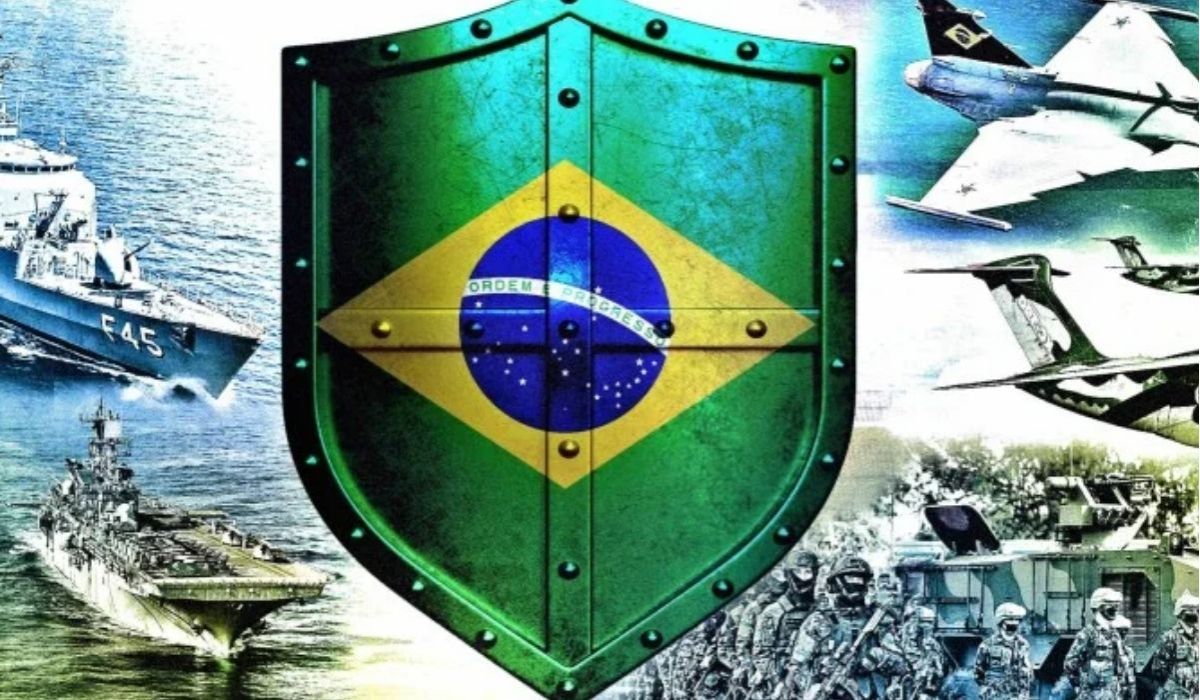


With Numerous Personnel, Ongoing Strategic Programs, and Constant Presence in International Rankings, Brazil Concentrates Military Capabilities That Differentiate It in Latin America, Combining Structure of the Armed Forces, Defense Industry, and Long-Term Projects.
Brazil is recognized as the leading military power in Latin America in international rankings that compare personnel, means, logistics, and industrial capacity.
In Global Firepower, a private survey used as a reference in comparative analyses, the country leads the regional list and was ranked 12th in the 2024 edition; in the following assessment for 2025, it moved to 11th, according to data released by the organization itself.
The ranking is based on indicators that take into account territorial extent, population, the volume of available personnel, and the structure of the Armed Forces, in addition to industrial capacity focused on defense, factors frequently cited by military analysts as relevant in international comparisons.
-
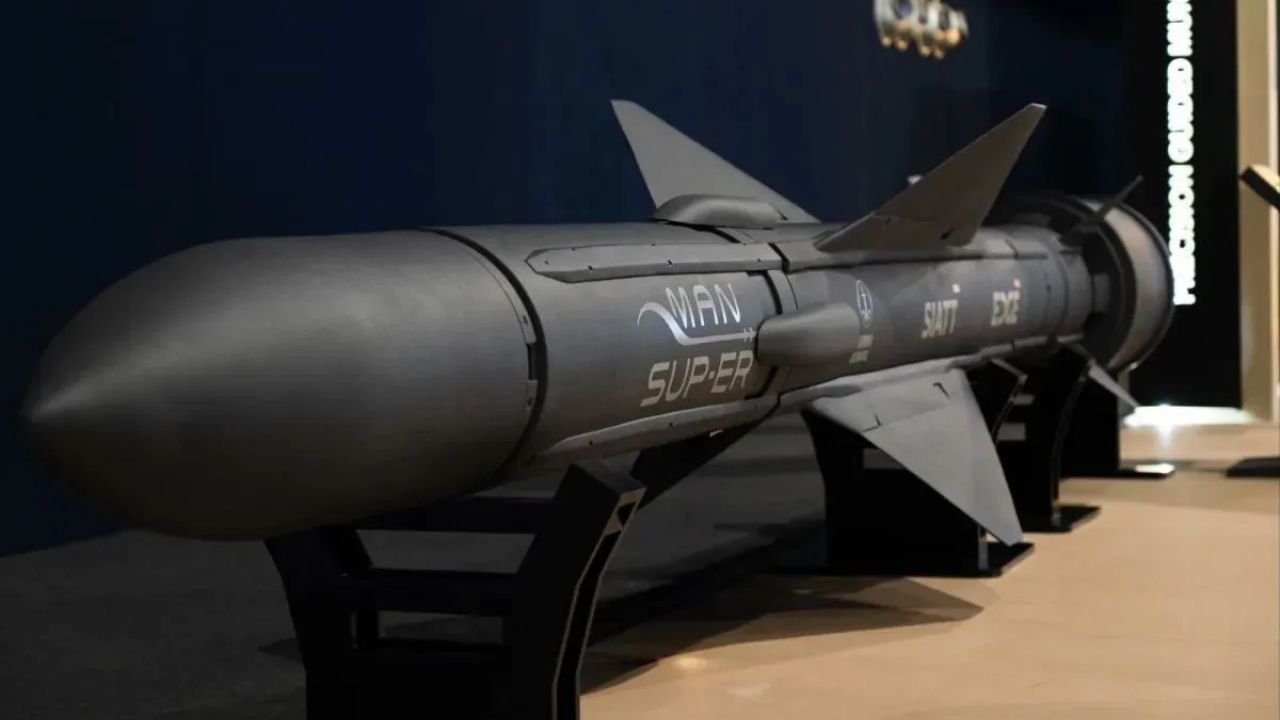
Brazil accelerates the evolution of the MANSUP missile, designing an air-surface version with a range exceeding 200 km, advanced guidance, and precision strike capability against land and naval targets, paving the way for a new generation of national armaments with global potential.
-
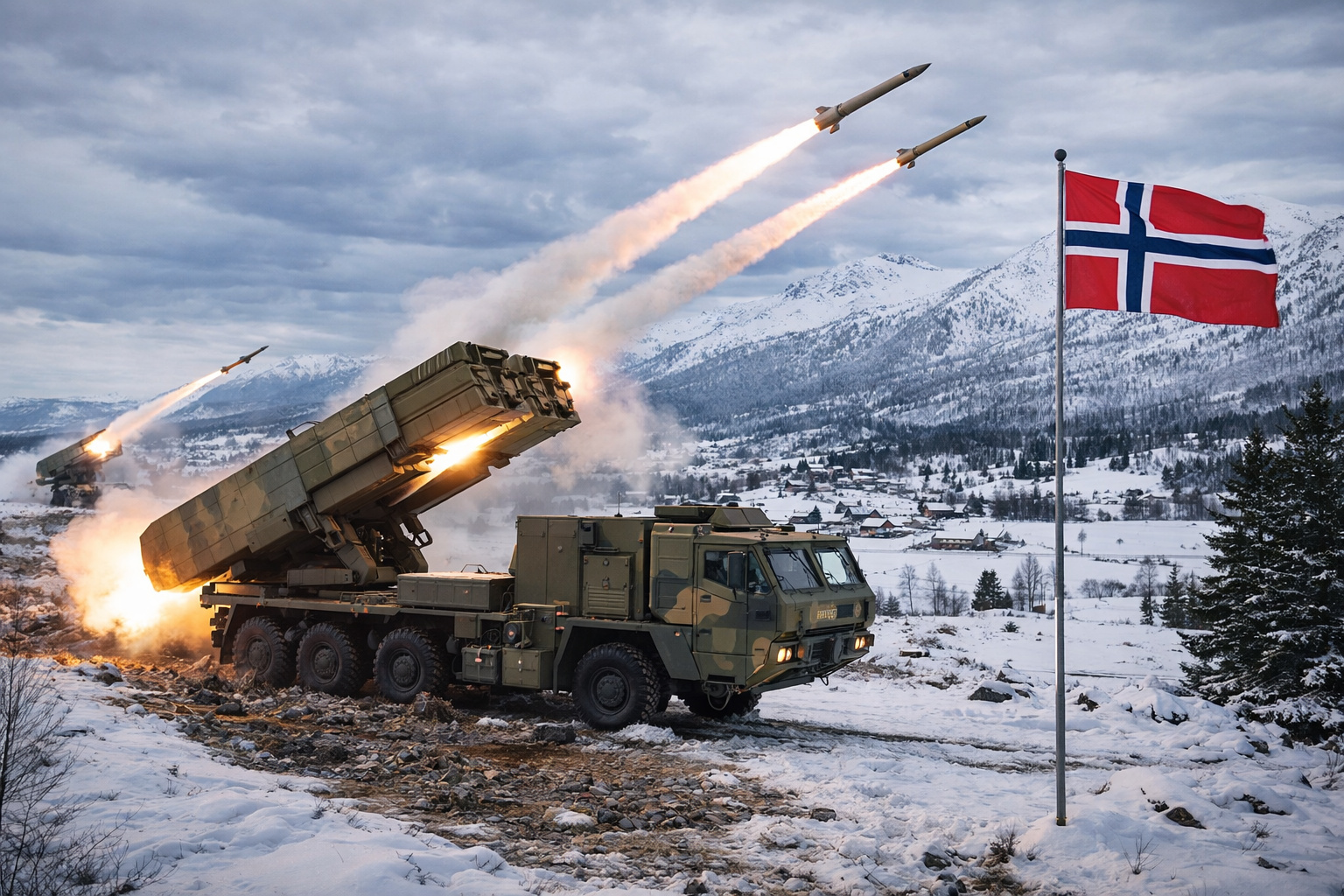
South Korea signs a $922 million deal with Norway, bringing Chunmoo launchers capable of firing guided missiles up to 290 km with an accuracy of 15 meters to Europe and turning the system into a key component of the new global race for precision artillery.
-
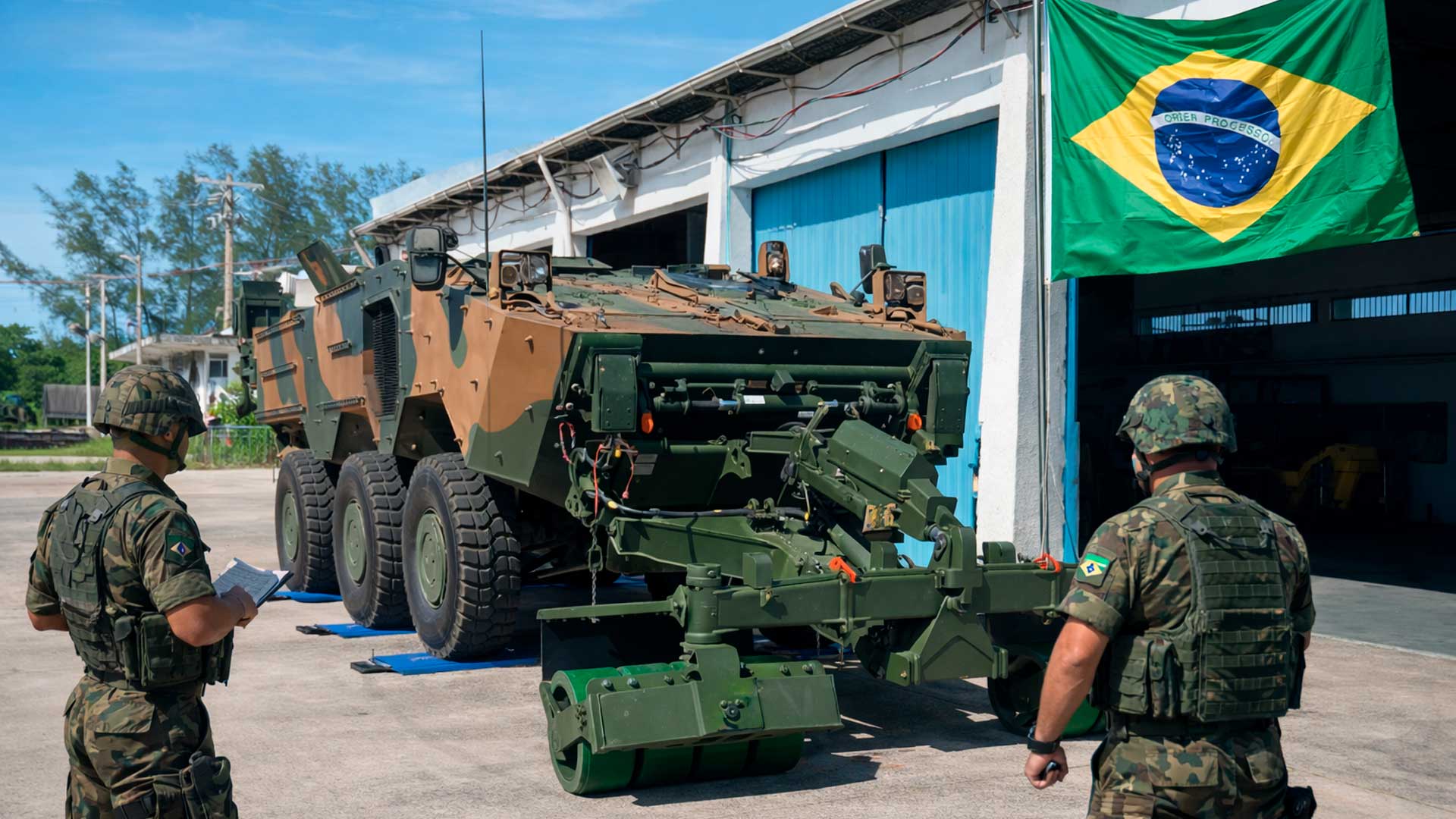
Brazil advances with decisive tests until June, the 6×6 Guarani armored vehicle with engineering equipment enters the most important phase and can enhance the operational capability of the Army.
-
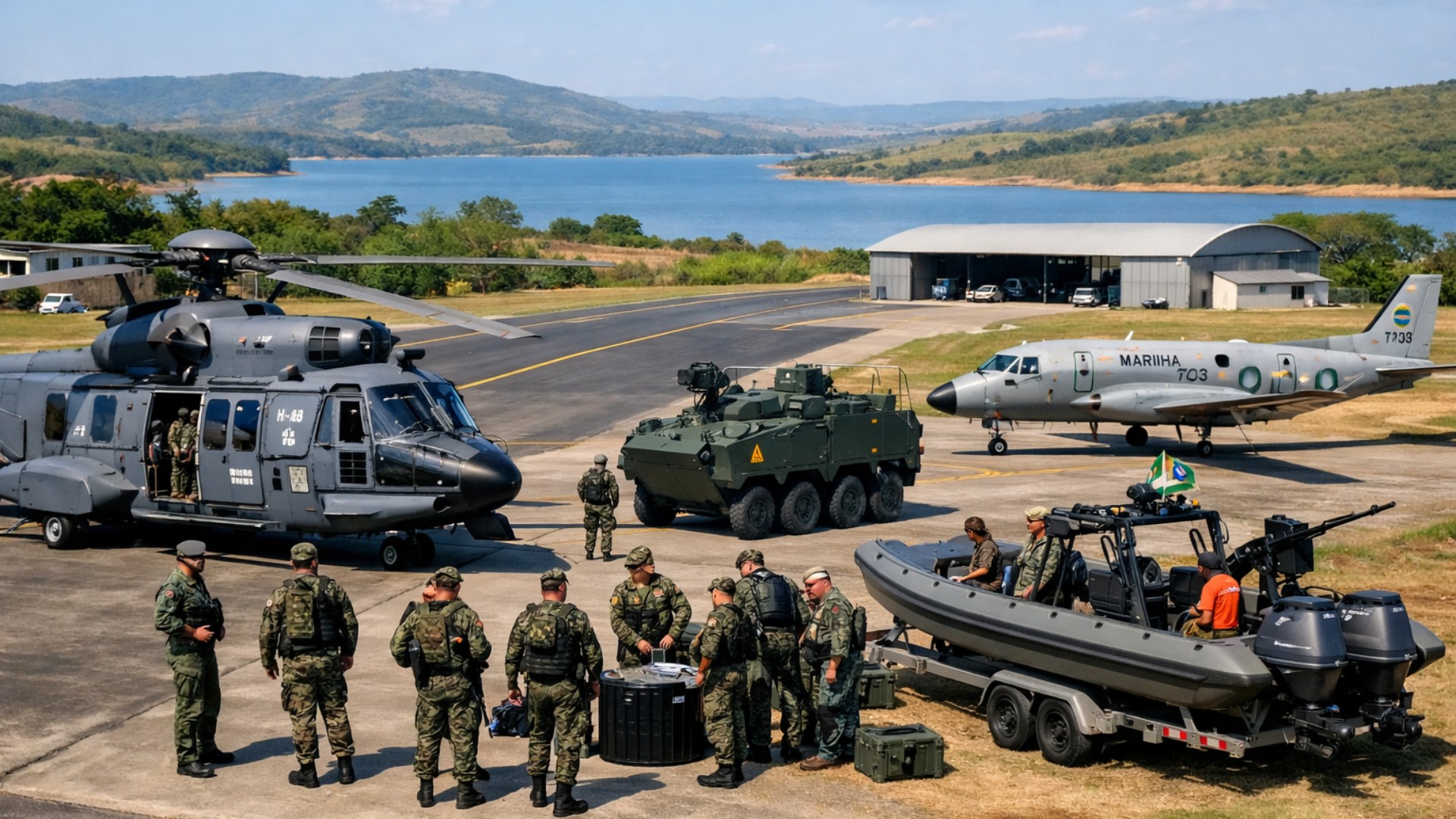
Furnas Airport is handed over to the Navy and becomes a strategic base with complete military operations, attack drones, and international mobilization at Furnas Lake.
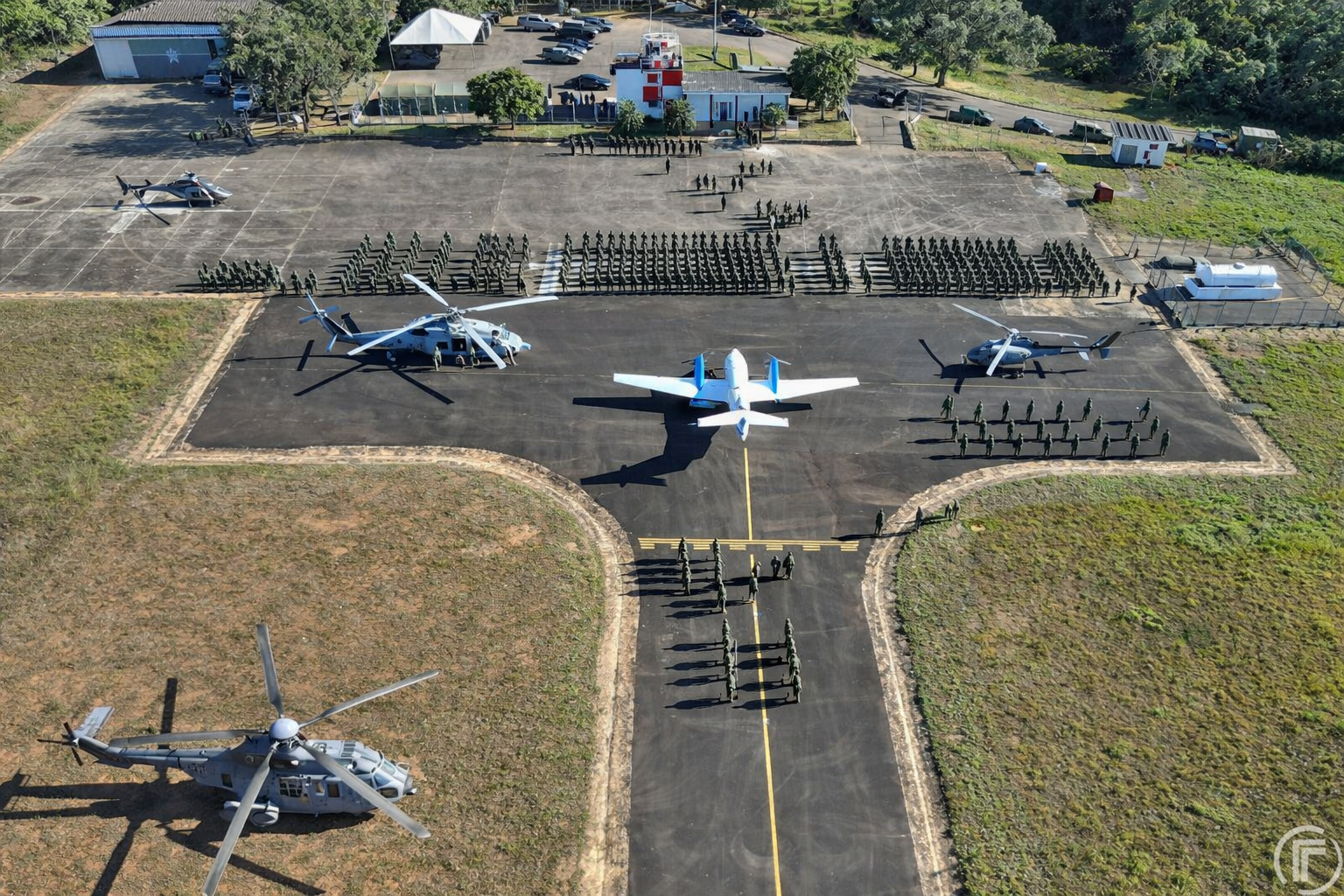
Military Personnel and Structure of the Brazilian Armed Forces
Estimates used by rankings and specialized studies indicate that Brazil has about 334,500 active military personnel, distributed among the Army, Navy, and Air Force, in addition to reserves and auxiliary forces.
According to these surveys, the size of the contingent and the territorial distribution of the troops contribute to the country’s position ahead of other Latin American nations in indicators related to mobilization capacity and coverage of extensive borders.
Criteria of the Global Military Ranking Beyond the Number of Soldiers
In the criteria adopted by Global Firepower, the position of each country does not depend only on the number of military personnel.
The methodology considers dozens of variables, such as infrastructure, logistics, land, naval, and air capabilities, as well as the ability to sustain operations.
Based on these parameters, Brazil remains the best-positioned country in the region and among the top ranked in the global ranking, although its position varies from year to year.
However, budget reports and analyses by defense specialists indicate that most of Brazil’s military spending is directed towards personnel expenses and pensions, which limits the portion available for investments and innovation in certain periods.
Gripen and KC-390 in the Modernization Process of the FAB
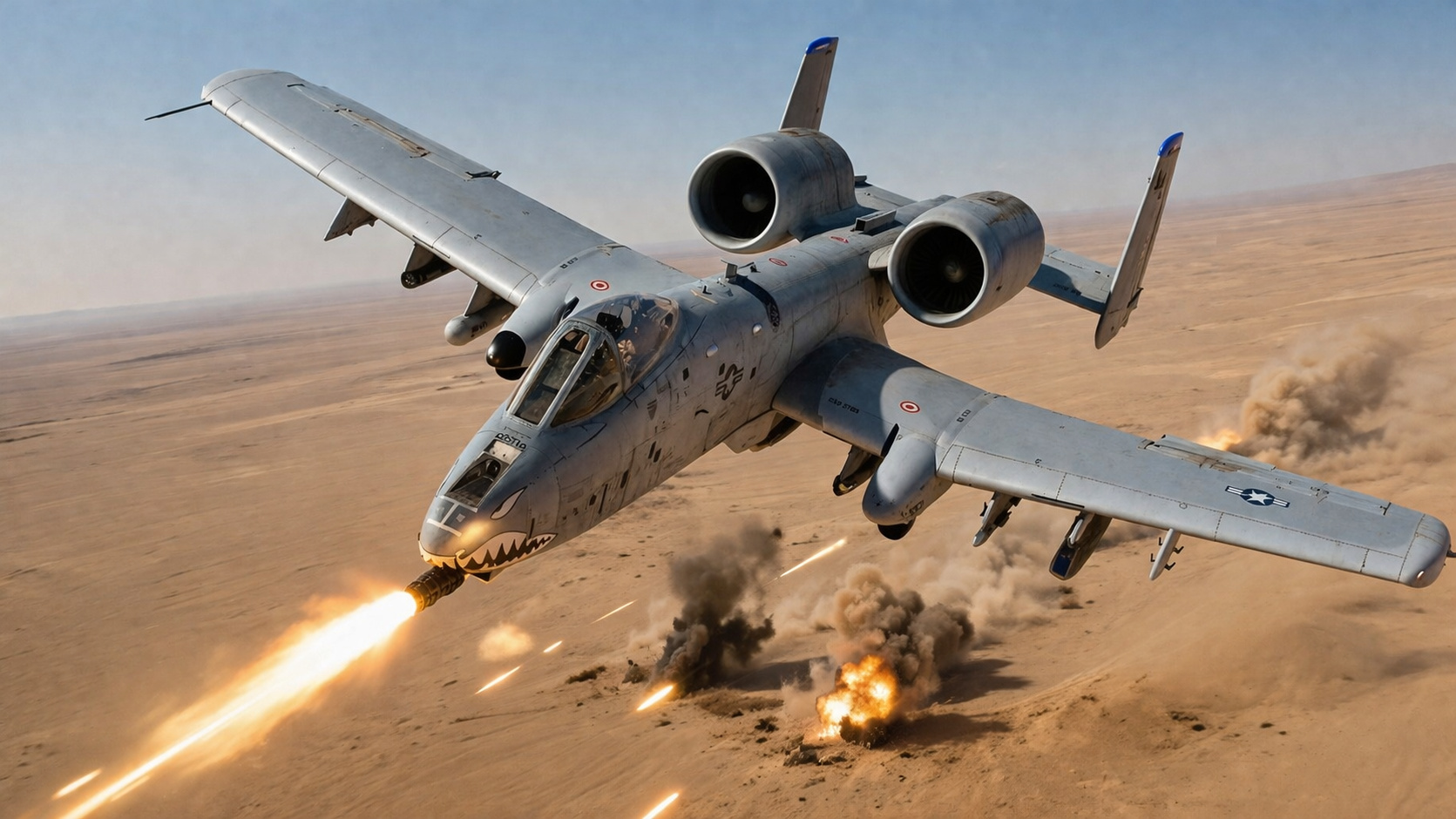
In fighter aviation, the program of the F-39 Gripen is part of the Brazilian Air Force’s fleet renewal process.
In November 2025, the FAB announced the arrival of another aircraft of this model in the country, within the gradual incorporation schedule outlined in the contract.
In transport aviation, the KC-390 Millennium, developed by Embraer, is used in logistical missions, aerial refueling, and operational support.
In October 2025, sector records indicated the delivery of the eighth aircraft to the Air Force, expanding the operational fleet.

Nuclear Submarine Álvaro Alberto and the Brazilian Naval Program
In the naval component, the project of the nuclear submarine Álvaro Alberto integrates the Navy’s Submarine Development Program.
Official information from the Navy indicates that the construction stage of the nuclear submarine was planned to take place in the current phase of the Submarine Development Program, in the industrial complex of Itaguaí, Rio de Janeiro.
The schedule, according to statements from the Navy reproduced by the press, depends on the release of resources over the next few years.
Reports published in 2025 indicated that the expected completion is around 2034 or 2035, according to internal assessments of the force.
Naval defense experts note that, if the project is completed, Brazil will join the group of countries that dominate the nuclear propulsion technology applied to submarines.

Brazilian Army and the Modernization of the Land Force
In the land component, the Brazilian Army accounts for the majority of the Armed Forces’ personnel and is responsible for the surveillance of extensive land borders.
Data used by international rankings indicate that the Army maintains dozens of brigades distributed throughout the national territory, with a permanent presence in strategic regions, especially in the Amazon border region and the Midwest.
In recent years, the land force has been conducting modernization programs aimed at renewing armored vehicles, artillery systems, communications, and surveillance.
Current projects include the incorporation of the Centauro II armored vehicle, contracted in 2022 with deliveries starting in 2023, the gradual expansion of the Guarani wheeled armored vehicle fleet, already incorporated since the last decade, the strengthening of air defense capabilities, and the growing use of border monitoring and control systems, such as SISFRON, aimed at integrating sensors, radars, and operational means.

Brazilian Defense Industry and Production Capacity
The existence of a defense industrial base in the country is cited by sector analyses as a factor that reduces external dependence in specific areas and supports part of the Armed Forces’ strategic programs.
In Brazil, this structure includes companies and technological centers involved in the production and maintenance of military systems, operating in segments such as aerospace, land systems, munitions, communications, and radars.
The participation of the national industry is also evident in projects linked to the three Forces, whether in equipment manufacturing, maintenance, system integration, or technology transfer outlined in some contracts.
Defense economy specialists point out that the continuity of this capacity depends on regular orders, budget predictability, and investment in research and development.






OS.MELHORES QUADROS ESTAO DANDO BAIXA DAS FFAA… QIE MATERIA MENTIROSA
e o salário,?