





 Portuguese
  English
  Spanish
  6 min of reading
  4 comments


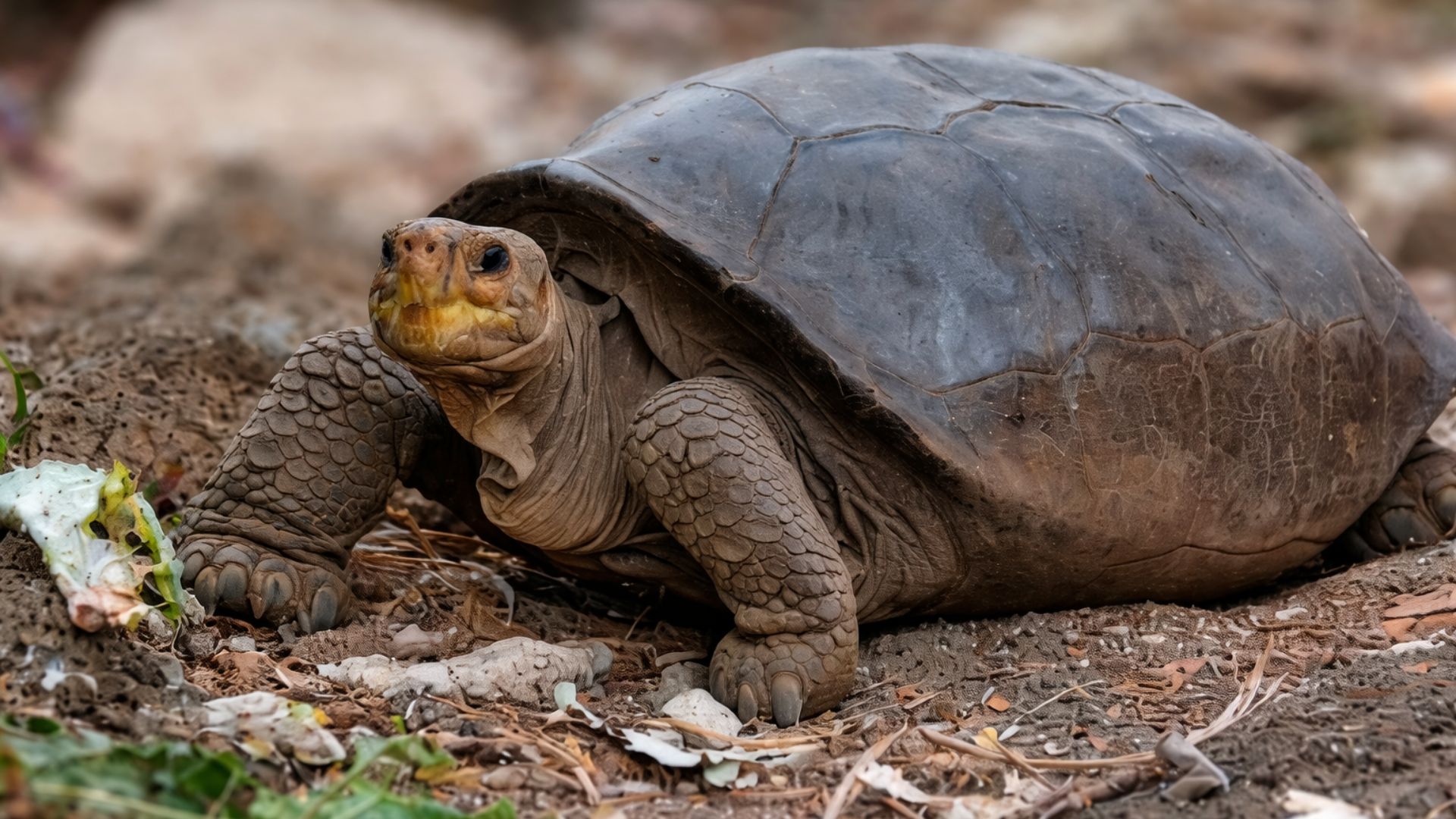


Rediscovery in Galápagos Rescues Giant Tortoise Thought to Be Extinct for Decades and Places Rare Species Back at the Center of Conservation After Genetic Identification and Rescue on Remote Volcanic Island. Case Involves Historic Lineage, Lava Environment, Scientific Searches, and Management at Breeding Center.
A giant tortoise that was considered extinct for decades garnered worldwide attention after being found alive in one of the most remote areas of the Galápagos archipelago in Ecuador.
Identified as a member of the lineage known as Fernandina Giant Tortoise, the species was known from rare records dating back to the early 20th century and was cited as an emblematic case of “lost species.”
The genetic confirmation that the animal belongs to the same lineage as a historical specimen preserved in a museum transformed the rediscovery into a milestone for the conservation of Galápagos tortoises and for science that uses biological collections as reference.
-
Rio Pardo, the most mysterious city in Rio Grande do Sul: untouched Pampas castle, the missing treasure of the Devil Boy, bride’s saint, invisible tunnels, and a 200-year curse today.
-
China retires the J-7 fighter after years of military protection and can now transform military items into drones, following more than 60 years of operation of the J-7, derived from the MiG-21, with thousands of units produced and strategic use in the PLAAF and PLANAF.

-
Volunteers are sought to live in the mountains for a month: a study pays people to stay at 2,500 meters, with 24-hour monitoring of sleep, metabolism, and blood pressure.

-
Goodbye to kitchen cabinets: innovation retires the traditional furniture of Brazilian kitchens by introducing modern pantries with modules of up to 2.40 m, 40% more organization, ergonomic access, adjustable shelves, and smart lighting in 2026.


Fernanda, the Female Located in Lava Area and Active Volcano
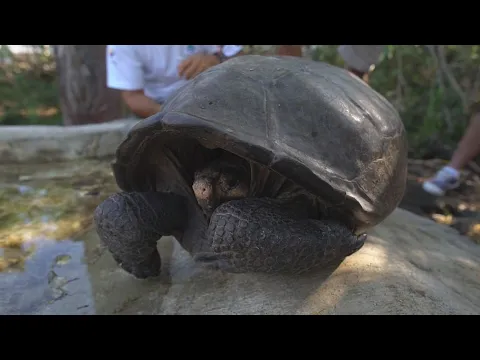

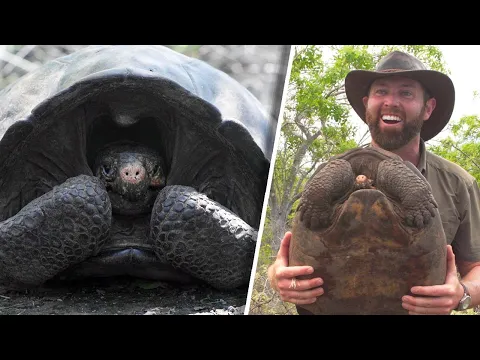
The living specimen is a female nicknamed Fernanda, located on Fernandina, an island dominated by an active volcano and extensive lava fields that hinder movement and monitoring of wildlife.
The tortoise was found in an isolated patch of xerophytic vegetation, separated from the greener areas of the island by lava flows.
After the rescue, she was placed under care at the Galápagos Giant Tortoise Breeding Center in Santa Cruz, where she is monitored by technical teams.
Why the Fernandina Tortoise Was Considered a Rare Case
The significance of the case lies in the fact that the Fernandina tortoise was known for an extremely limited history.
The scientific literature describes that only one other individual attributed to the same lineage had been reliably documented: a male collected in the early last century and now associated with scientific collections, including preserved material at the California Academy of Sciences.
This is why the identification of Fernanda was not limited to a visual confirmation; the challenge was to demonstrate, with verifiable methods, that it was indeed the same lineage and not an animal from another island of the archipelago.
Genetics Confirms Lineage and Reduces Identification Doubts
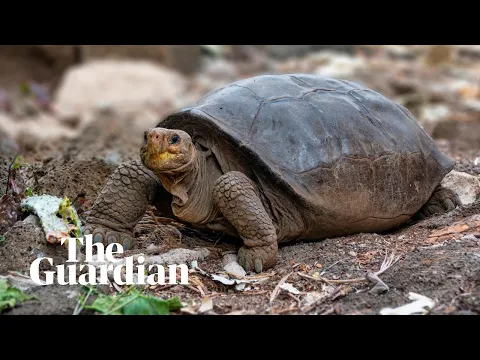
This caution was reinforced by morphological characteristics.
Researchers studying Galápagos tortoises explained that Fernanda did not exhibit some distinctive features observed in the historical specimen, such as the “saddleback” shape, in which the front part of the shell is more elevated, associated with certain lineages of the archipelago.
The scientific team itself pointed out that her growth is visibly reduced, which could distort body traits and make appearance-based comparison a fragile procedure.
Validation came with genome sequencing.
A multinational group of scientists published in a peer-reviewed journal an analysis based on the complete genome of Fernanda and the historical specimen collected on Fernandina.
The study compared this genetic material with data from other lineages of Galápagos tortoises, including representatives of living lineages and an extinct lineage.
The result indicated that both individuals from Fernandina belong to the same lineage and are genetically distinct from other assessed tortoises from the archipelago.
Fernandina Island, Extreme Environment, and Expeditions in Difficult Terrain
In addition to confirming identity, the research helped explain why the case gained historical significance.
The Fernandina tortoise became a symbol because it highlights a phenomenon known in conservation biology: species can persist for long periods with populations so small and discreet that they go unnoticed.
In this scenario, each evidence of survival changes the status of a lineage that appeared restricted to museum records and reopens discussions about management, protection, and the search for other individuals.
The very location of Fernanda indicates the degree of difficulty of this type of expedition.

Fernandina is a young island in geological terms, marked by volcanic activity, recent lava fields, and a landscape that can change with eruptions and flows.
The information released by institutions linked to the Galápagos National Park highlights that the terrain imposes logistical obstacles and reduces windows for field work, which explains why successive surveys may not produce records even when there are indirect signs of presence.
Indications of Other Individuals and New Searches in Galápagos
In the scientific study and in statements from the institutions involved in the expeditions, there are references to indications found in other surveys, such as trails and feces, described as signs compatible with the presence of more than one individual on the island.
This type of evidence does not replace direct observation but is used as an indicator to guide new searches and delineate areas of interest.
In volcanic islands with a large expanse of bare rock, any clue indicating recent movement can concentrate monitoring efforts in specific points of vegetation and shelter.
Galápagos Giant Tortoises and the Historical Impact of Exploration
The rediscovery is also connected to the broader context of Galápagos tortoises.
Throughout the 19th century, populations of giant tortoises on different islands were drastically reduced due to capture and exploitation associated with sailors, including whalers and buccaneers, according to information released by conservation institutions of the archipelago.
Estimates presented by these organizations indicate that, across the islands, the current number of giant tortoises represents only a fraction of the historical populations, which were estimated in the hundreds of thousands of individuals.
This background helps explain why the identification of a rare lineage has immediate practical implications.
A species or lineage with few known records requires careful decisions regarding genetic management, protection, and conservation strategy.
Genome sequencing, in addition to confirming the lineage, provides an objective basis for comparing genetic diversity, understanding evolutionary relationships, and guiding conservation practices that reduce typical risks of very small populations.
Breeding Center and Management of the Species Under Technical Care
In the specific case of Fernanda, institutions involved in the work emphasized that she was taken to a breeding center in the National Park with the aim of keeping her safe and allowing for veterinary and biological assessments.
The same line of action considers the search for other individuals as a central step to expand conservation possibilities for the lineage, as reproduction depends on the existence of a compatible mate.
Therefore, the expeditions have been described as part of a long-term effort, conditioned by the characteristics of the terrain, team safety, and the natural limitations of the environment.
Species Symbolizing Evolution and Diversity in Isolated Islands
The story of the Fernandina tortoise also drew attention for bringing the public closer to a recurring theme in Galápagos: the islands’ evolutionary uniqueness.
Galápagos giant tortoises are often used as examples of diversification in isolated environments, with lineages adapted to the conditions of each island and even to different regions within the same island.
The genetic confirmation of a lineage that seemed extinct reinforces this image of diversity and provides material for future research on the origin, dispersion, and natural history of Pacific tortoises.
Formal Conservation and Evidence-Based Decision Making
With the tortoise under care in Santa Cruz and its genetic identity confirmed, the rediscovery has transitioned from being merely a curious record to integrate into a set of formal conservation efforts coordinated by scientific institutions and the Galápagos National Park.
At the same time, the case shows how the combination of fieldwork, museum collections, and modern genetics can redefine the fate of a lineage that seemed restricted to the past and place a rare species back at the center of decision-making regarding protection of the archipelago.
If a tortoise considered lost for over a century was found alive on a volcanic island, how many other discreet species might be surviving in isolated areas without recent records?







Me alegro que haya aparecido
Ni estaba extinta. La vais a extinguir ahora los falsos animalistas/ecologistas
Rescatarlas es quitarlas de su ambiente? 🙄🤔🫤