





 Portuguese
  English
  Spanish
  5 min of reading
  8 comments


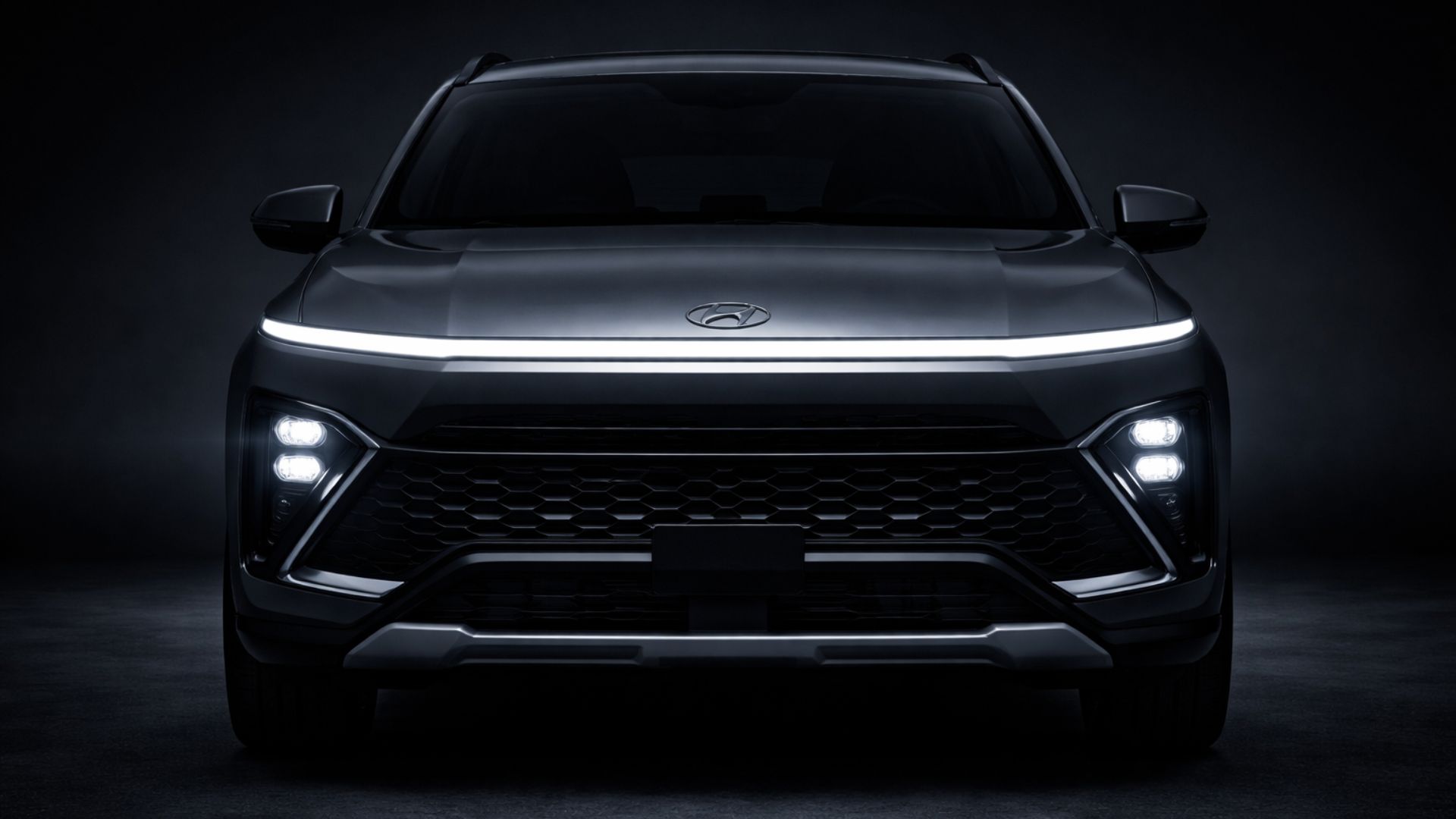


Launch of the Kona in Brazil Signals Strategic Changes at Hyundai, Focused on Design, Digitalization, and Electrification, While the Market Follows Possible Impacts on HB20 and Future Compact SUV Expected for the Next Industrial Cycle of the Brand.
Hyundai has launched the new generation Kona Hybrid for sale in Brazil and used the arrival of the SUV to reinforce the direction it intends to take in upcoming local projects, including the renewal of the HB20 and a new compact SUV.
The presentation of the model, held in São Paulo, focused on design and technology features that the automaker describes as part of a global modernization strategy for its lineup.
Although the HB20 remains in line, the movement surrounding the Kona helps explain why Hyundai has been associated with a significant change in its entry-level offering starting in 2026, when the brand is expected to reorganize the HB20 family and expand its presence in the SUV segment.
-
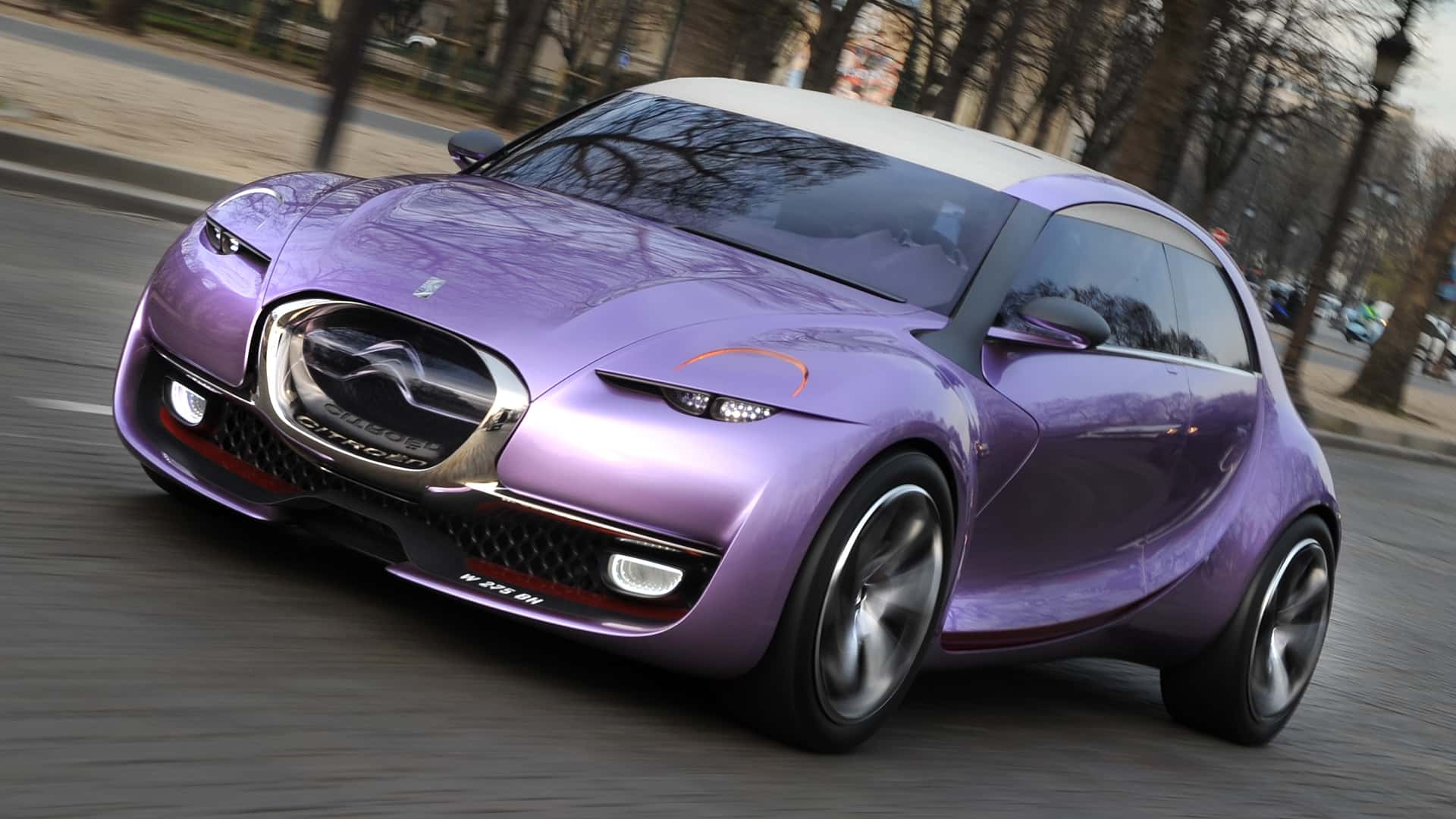
After decades out of the spotlight, Citroën is preparing to bring back the legendary 2CV as a low-cost electric vehicle, betting on the revival of one of the most popular cars in history and aiming to enter the race for affordable compact cars.
-
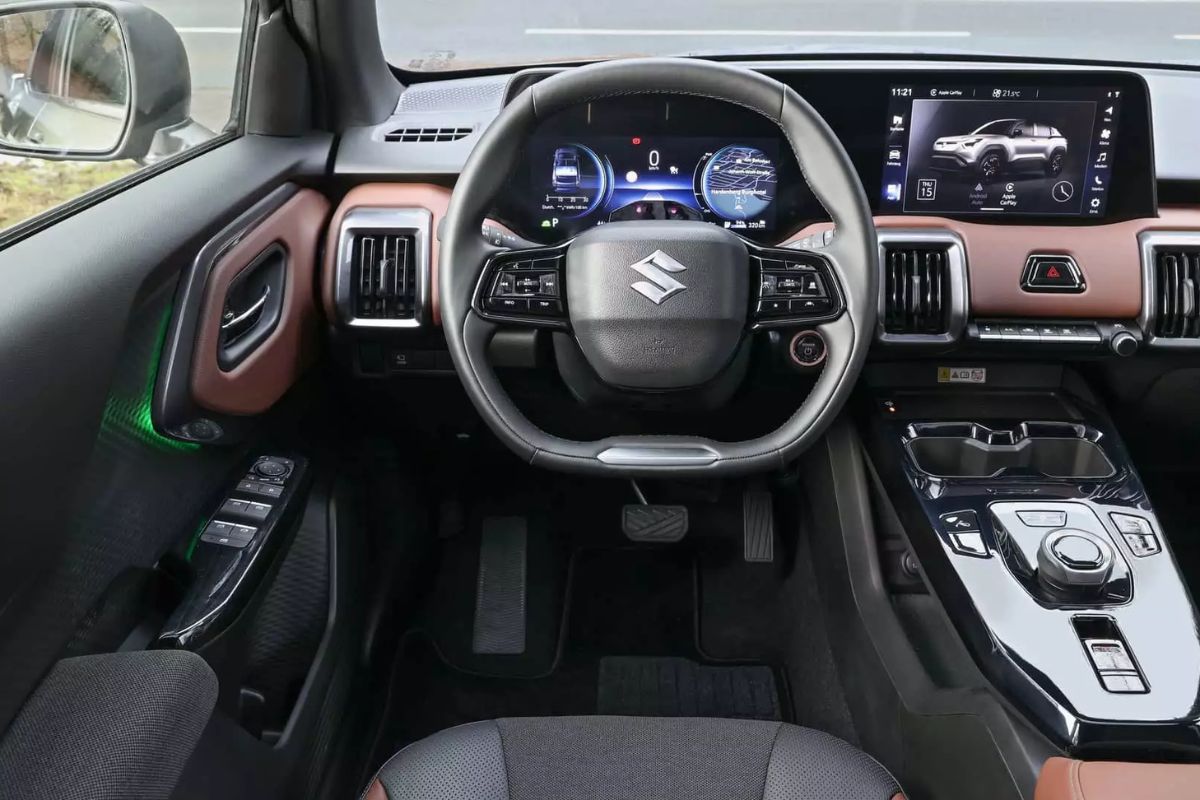
The 2026 electric Vitara arrives in Brazil and proves that Suzuki is not leaving: 4×4 traction, 184 hp, 61 kWh LFP battery, 293 km range, R$ 259,000, and a trunk capacity of 224 L.
-
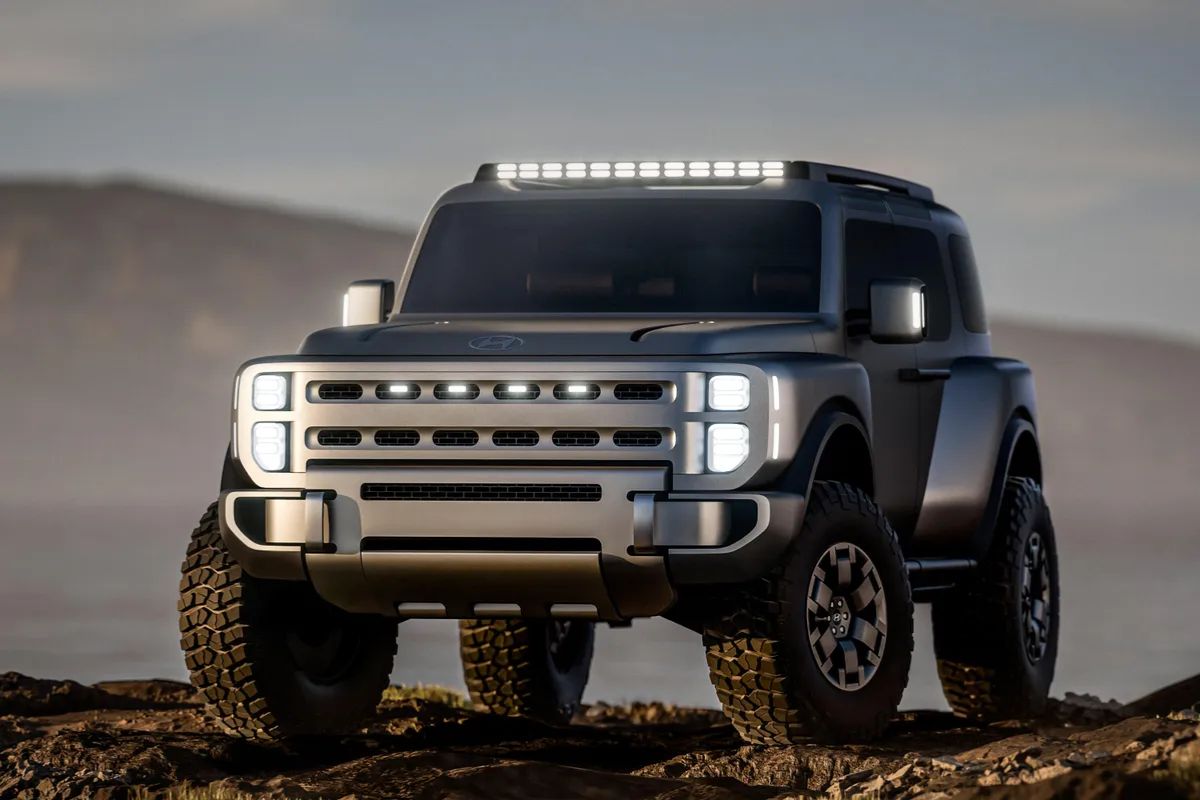
Hyundai has unveiled the Boulder, a square SUV with a body-on-frame design, 37-inch mud tires, and carriage-style doors that seems to be made to take on the Ford Bronco and the Scout Traveller in the United States.
-
The Toyota Hilux is R$ 75.5 thousand cheaper and bets on the 2.8 turbodiesel engine with up to 204 hp and 50.9 kgfm to catch up with the VW Saveiro, which leads with 4,472 sales.

So far, the company has not publicly detailed how this redesign of the national portfolio will be, nor confirmed in official statements a direct “replacement” for the hatchback.
Hyundai’s Global Strategy and the Role of the Kona

The Kona Hybrid arrives in the country as the second generation of the model and with a proposal more aligned with the standard of recent releases from the automaker: focus on connectivity, digitalization, and striking visual identity.
Hyundai reported that sales will begin in June in two versions, positioning the SUV at a level above what is usually understood as “entry” in the Brazilian market.
In practice, the Kona serves as a showcase.
Instead of merely expanding the range of electrified vehicles, the SUV demonstrates solutions that may become internal references for other products, especially in the design of the interior and in how the brand wants to organize controls and screens without losing ergonomics.
This logic also helps to understand why the arrival of the model gained interpretation as a “signal” about the future of the HB20 and a compact SUV with local production.
Hyundai has been advocating, in institutional materials, that electrification and digitalization will be pillars of the evolution of its range in the country, even though the pace and applications for each model have not been detailed in depth.
Internal Design and Steering Wheel Without the Traditional Logo
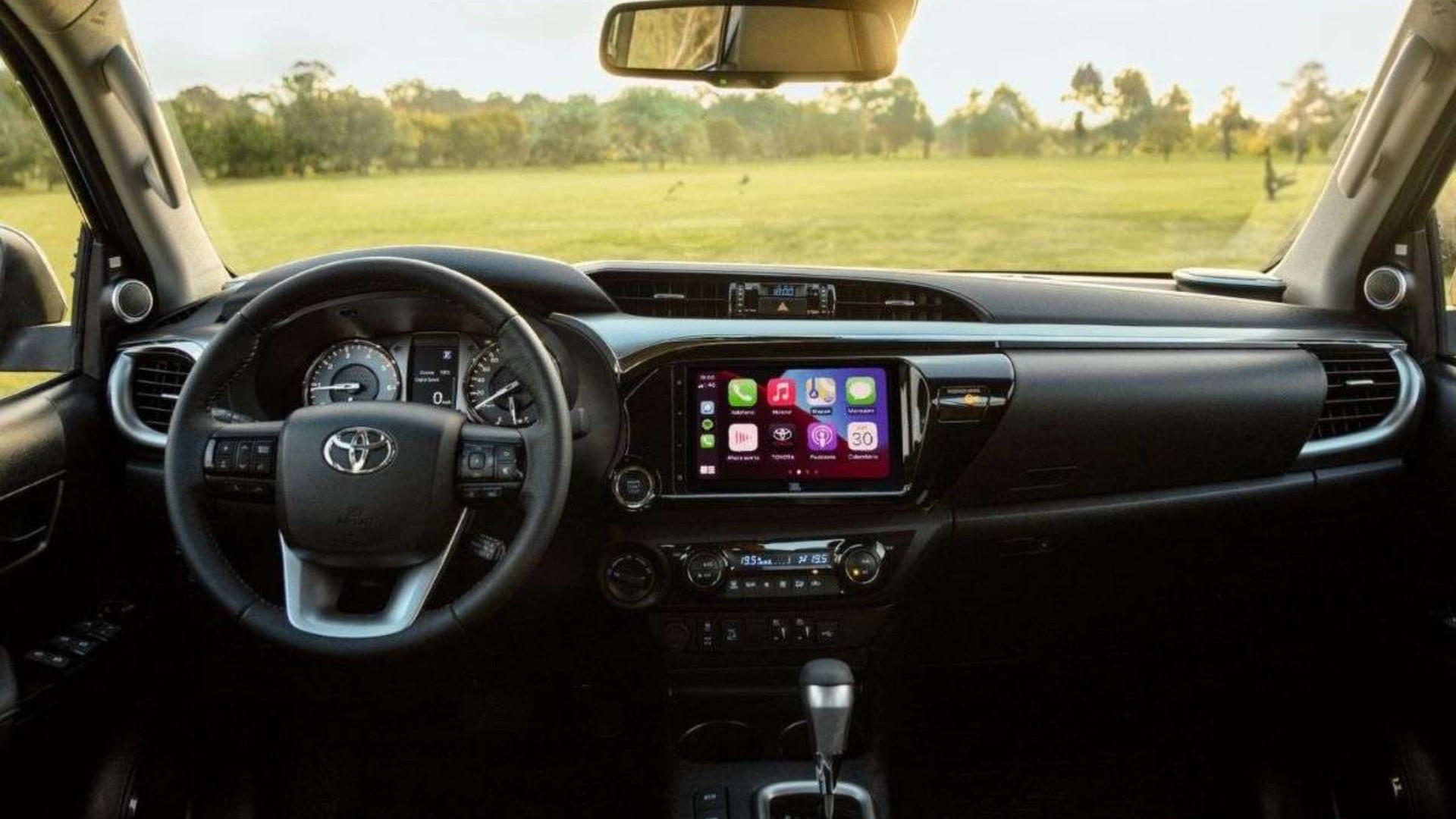
Among the notable changes in the Kona is the design of the steering wheel.
The traditional “H” logo no longer occupies the center and gives way to a more minimalist solution, aligned with what Hyundai has been adopting in other markets.

The change has a direct effect on the perception of the cabin.
The area in front of the driver appears visually cleaner, reinforcing the discourse of sophistication and contemporary design.
At the same time, the brand has not completely abandoned the logic of physical controls.
At a time when part of the industry is migrating functions to screens, the Kona combines digital surfaces with buttons and controls dedicated to essential items.
This choice tends to facilitate quick adjustments for daily use without requiring navigation through menus.
Digital Dashboard with 12.3-Inch Integrated Screens
Another central point of the Kona is the so-called “digital slab” on the dashboard.
The SUV features two integrated screens, one for the instrument cluster and another for the multimedia center, both measuring 12.3 inches.
Hyundai highlights this set as a key element of the interior, both for its size and visual integration.
The proposal aligns with a trend already established in brands seeking to elevate the perception of value.
Reducing cutouts on the dashboard, integrating screens, and concentrating information in the driver’s field of vision are increasingly common paths.
In the case of the Kona, the solution also reorganizes the console and contributes to a sense of a more spacious cabin.
LED Light Signature and Visual Identity

On the outside, the Kona features a standout light signature.
Illuminated LED bars cross the front and rear, creating a horizontal band that enhances the sense of width.
This feature helps differentiate the SUV in traffic and reinforces the model’s visual identity.
Hyundai treats lighting as part of the DNA of its most recent launches.
The idea of identity, however, does not solely depend on lights.
The set of proportions and the evolution of the Kona’s size shows a movement of product growth.
This is reflected in interior space and the trunk.
On the official page for the model, Hyundai reports capacity of 407 liters in the luggage compartment, in addition to dual-zone digital air conditioning and other comfort-related items.
What Is Already Known About HB20 and National Compact SUV
The direct relationship between the Kona and the next phase of the HB20 appears more as market interpretation than as a formal announcement of substitution.
There is, however, public discussion about a compact SUV that will be based on the HB20.
This project is associated with an industrial strategy in Brazil and frequently appears in specialized publications.
Projections are also circulating that the renewal of the HB20 and the arrival of this compact SUV are linked to a cycle expected for 2026.

Production is expected to take place in Piracicaba, in the interior of São Paulo.
Still, these points are not confirmed in recent official communications from Hyundai.
When discussing products in Brazil, the automaker has emphasized the modernization of its lineup and the expansion of electrified options.
Specific timelines for each national model have not been detailed.
On the technical side, the Kona reinforces the agenda of efficiency by arriving with hybrid powertrain.
The positioning of the SUV prioritizes consumption and technology.
This helps explain why electrified versions are frequently mentioned when discussing the brand’s next product cycle.
In the specific case of the HB20 and the national compact SUV, there is still no official technical sheet published.
No information has been released that would allow for a clear identification of which solutions will be adopted or which versions are expected.
Without these details, the safest reading is that the Kona serves as a showcase for the aesthetic and technological path that Hyundai wants to consolidate in the country.
Meanwhile, the market awaits the formalization of what will actually change in the HB20 family and the promised expansion among compact SUVs.
If the brand is preparing a new phase for 2026, which elements of the Kona should the Brazilian consumer recognize first in the higher-volume models?





HB20 é um tanque de guerra, carro maravilhoso, aguenta trancos e barrancos, manutenção barata e design ótimo….
Eu tenho um hb20, se mudar vou pra Fiat, não faz sentido pra mim ir para um veículo totalmente diferente.
Infelizmente a marca não tem nenhuma consideração com os clientes e também penso se deixarem de fabricar o HB20 penso em mudar de marca e passarei a não indicar a marca para ninguém. Comprei um HB20 está zero em nome da.mkmha esposa.