





 Portuguese
  English
  Spanish
  4 min of reading
  1 comment


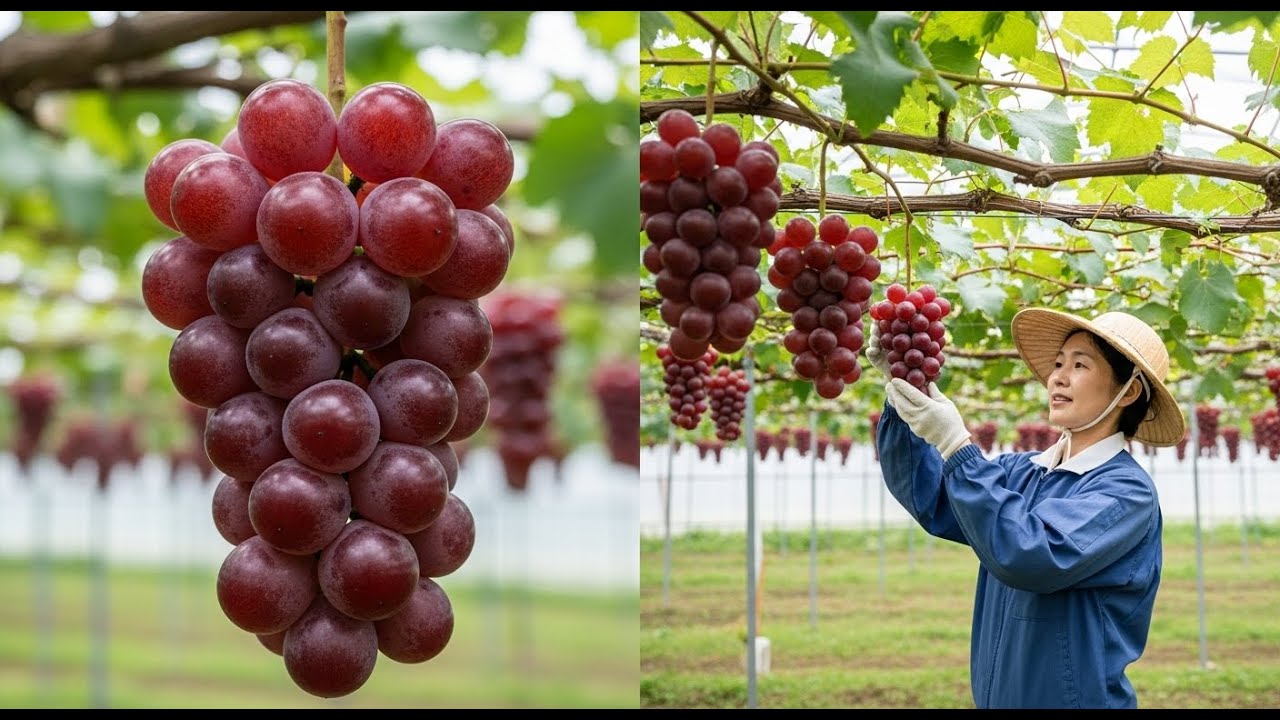


Ruby Roman Grapes From Japan Can Cost More Than R$ 40 Thousand At Auctions, They Follow Strict Criteria For Size And Sweetness And Have Transformed A Common Fruit Into A Symbol Of Agricultural Luxury.
In the world of luxury fruits, few stories are as emblematic as that of the Ruby Roman grapes. Developed and cultivated in Ishikawa Prefecture, in Japan, they have elevated an everyday food to a level reserved for jewels, Swiss watches, and works of art. The price is impressive, but it is just the visible tip of an agricultural system that mixes science, tradition, aesthetics, and a culture of perfection taken to the extreme.
A Grape Created To Be Exceptional
The Ruby Roman did not come about by chance. It is the result of more than a decade of agricultural research, controlled crossings, and rigorous testing until it reached a standard deemed worthy of the Japanese premium fruit market.
Officially launched in 2008, the variety was conceived to meet three rare attributes at once: large size, extreme sweetness, and impeccable appearance.
-
The sugar-energy sector advances with agricultural technology, but agricultural productivity still raises concerns.

-
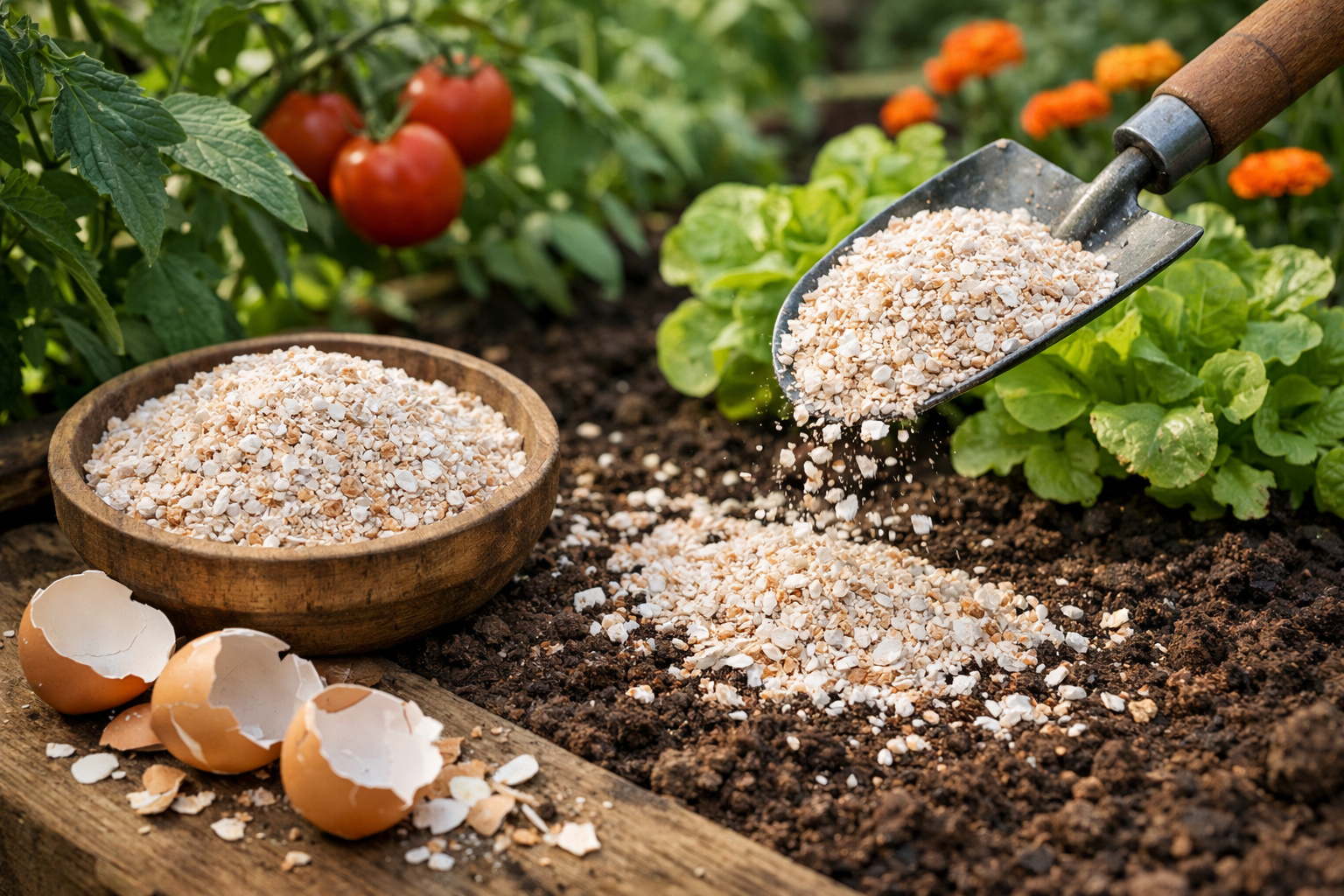
The eggshell that almost everyone throws away is made up of about 95% calcium carbonate and can help enrich the soil when crushed, slowly releasing nutrients and being reused in home gardens and vegetable patches.
-
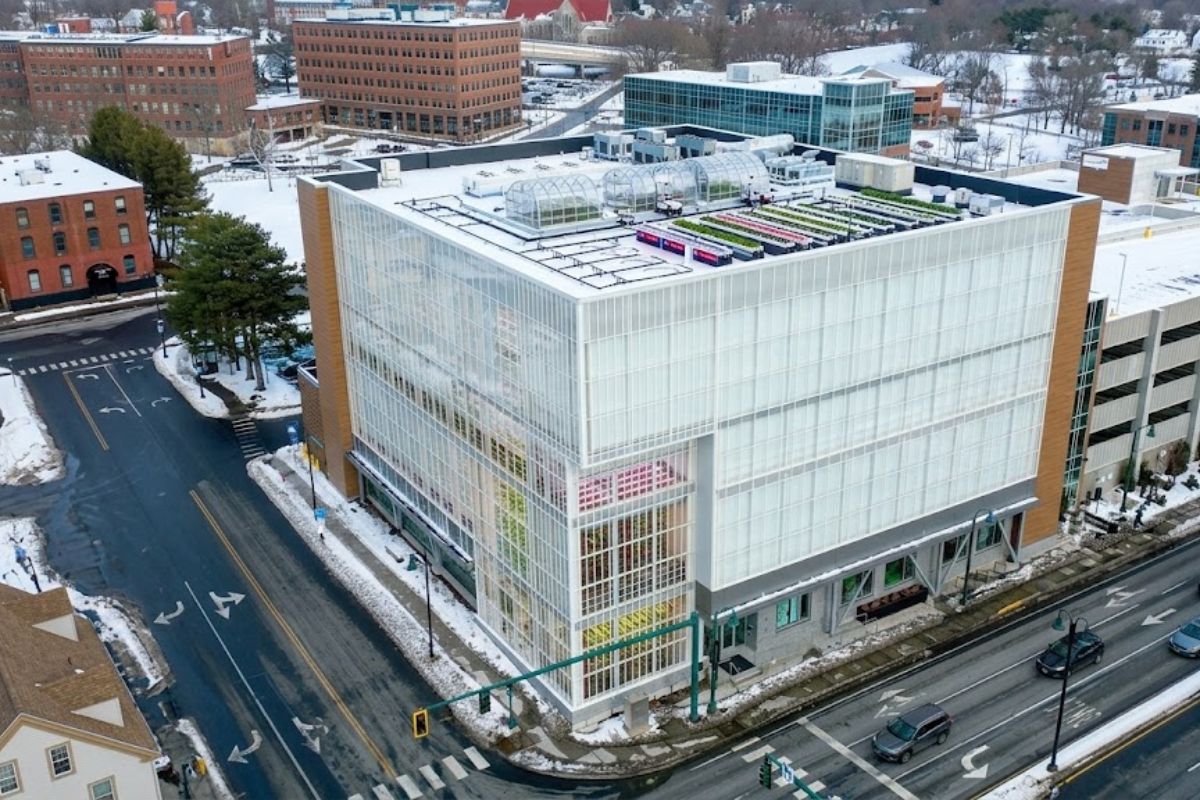
This farm in the United States does not use sunlight, does not use soil, and produces 500 times more food per square meter than traditional agriculture: the secret lies in 42,000 LEDs, hydroponics, and a system that recycles even the heat from the lamps.
-
The water that almost everyone throws away after cooking potatoes carries nutrients released during the preparation and can be reused to help in the development of plants when used correctly at the base of gardens and pots, at no additional cost and without changing the routine.


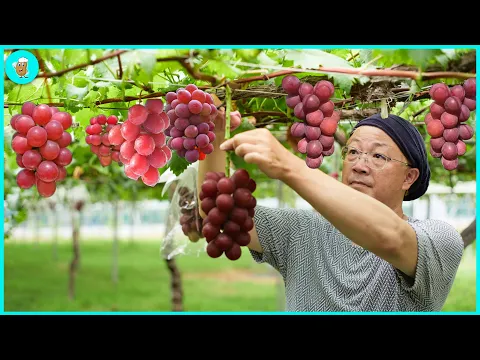

Each grape can weigh about 20 grams, a size comparable to that of a ping-pong ball. The color must be a deep, uniform red, without spots, cracks, or variations. But the most demanding criterion is not visual: the sugar content must exceed 20 degrees Brix, a level higher than that of most table grapes sold worldwide.
Strict Selection That Eliminates Most Of The Production
Not every grape harvested in Ishikawa receives the Ruby Roman seal. On the contrary. Only a fraction of the annual production meets the official classification criteria. The bunches undergo detailed inspection, grape by grape, assessing weight, shape, color, and sugar content.
The specimens that reach the highest level enter the premium category and proceed to auctions or specialty stores. Others, even being of excellent quality, are sold as common grapes or discarded from the luxury circuit. This severe process is one of the factors that sustain such high prices.
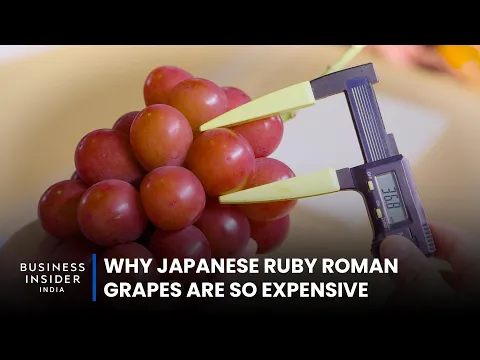
In specialty stores, a bunch of Ruby Roman can cost more than R$ 10 thousand, an amount already considered high for any fruit. However, the peak of the market occurs at the annual auctions that mark the beginning of the season.
At these events, exceptional bunches have been auctioned for amounts exceeding 1 million yen, equivalent to more than R$ 40 thousand, depending on the exchange rate. These record prices do not represent the average market value, but serve as a symbolic showcase of the exclusivity and agricultural excellence of Japan.
Fruit As A Status Object And Ritual Gift
To understand why someone pays so much for a grape, it is necessary to comprehend the role of luxury fruits in Japanese culture. Unlike other countries, premium fruits in Japan are often purchased as formal gifts, offered on special occasions, business visits, or important celebrations.
In this context, the fruit ceases to be merely food and begins to function as a symbol of respect, status, and refinement. The Ruby Roman, with its perfect appearance and rarity, has become one of the prime examples of this custom.
Precision Agriculture And Absolute Control
Growing Ruby Roman involves advanced management techniques. Producers control irrigation, sun exposure, ventilation, and even the number of grapes per bunch, manually reduced to concentrate nutrients and sugars in the remaining fruits.
The process requires specialized labor, constant monitoring, and inevitable losses. The high cost reflects not only the rarity of the final product but also the ongoing effort to maintain nearly scientific quality standards.
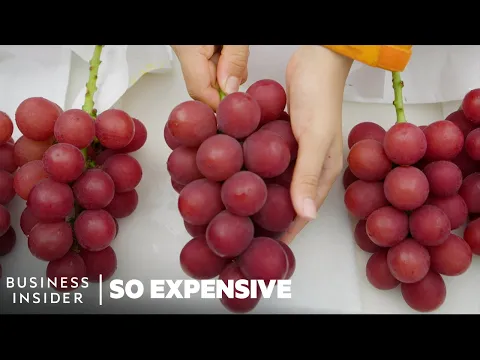
Despite its international fame, the Ruby Roman is not produced in large volumes nor exported in bulk. Most of the production remains in the Japanese market, reinforcing its exclusive and local character.
Still, the variety has become a global reference when it comes to luxury fruit, inspiring comparisons with square watermelons, rare mangoes, and other Japanese agricultural products that challenge the traditional notion of food value.
More Than A Grape, A Cultural Portrait
The story of the Ruby Roman reveals how the value of a food can be shaped by culture, aesthetics, and tradition. The price is not just in taste or size, but in the rigor of the process, the controlled scarcity, and the social meaning attributed to the product.
In a world accustomed to mass production and standardization, these grapes represent the opposite: the celebration of detail, exception, and perfection. And it is precisely this philosophy that transforms a simple bunch of grapes into one of the most extreme symbols of contemporary agricultural luxury.










Tem que ser muito **** mesmo pra pagar esse valor por um simples cacho de uva. Pode ser um mel, mas não vale 10 reais pra nós. Pelo visto, um litro de vinho feito por essa uva deve valer 1/2 milhão de dólares. Ou é palhaçada ou esses caras vivem numa região de uma escassez severa. Só pode.