





 Portuguese
  English
  Spanish
  5 min of reading
  0 comments


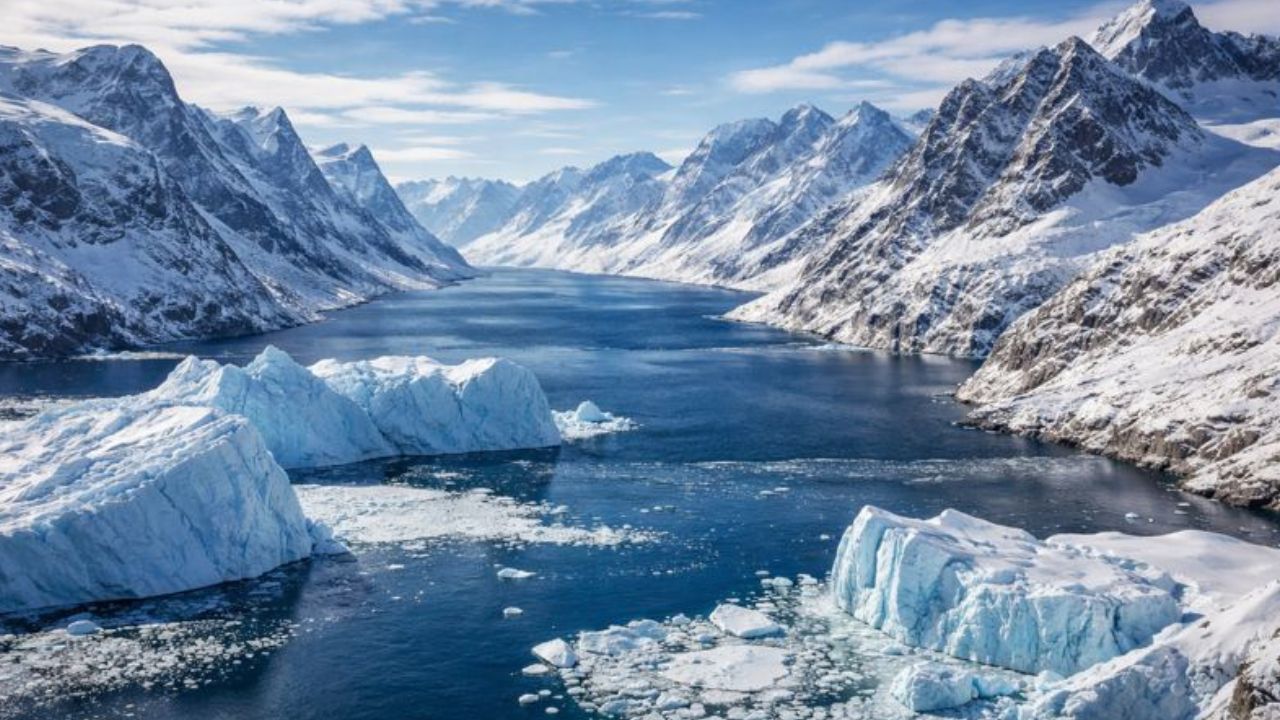
Learn Why Greenland Is The Largest Island In The World, Not A Continent, And How Trump Put The Territory At The Center Of Global Geopolitics.
Greenland, considered the largest island in the world, has returned to the center of international news in recent months for two main reasons: the scientific discussion about its geographical classification and the growing geopolitical dispute involving major powers, including statements from former American President Donald Trump.

The debate has gained momentum now as economic, military, and environmental interests overlap in a strategic territory located in the Arctic, belonging to the Kingdom of Denmark, but with a high degree of autonomy.
See More: Greenland Faces Climate Crisis In The Arctic And Economic Slowdown
-
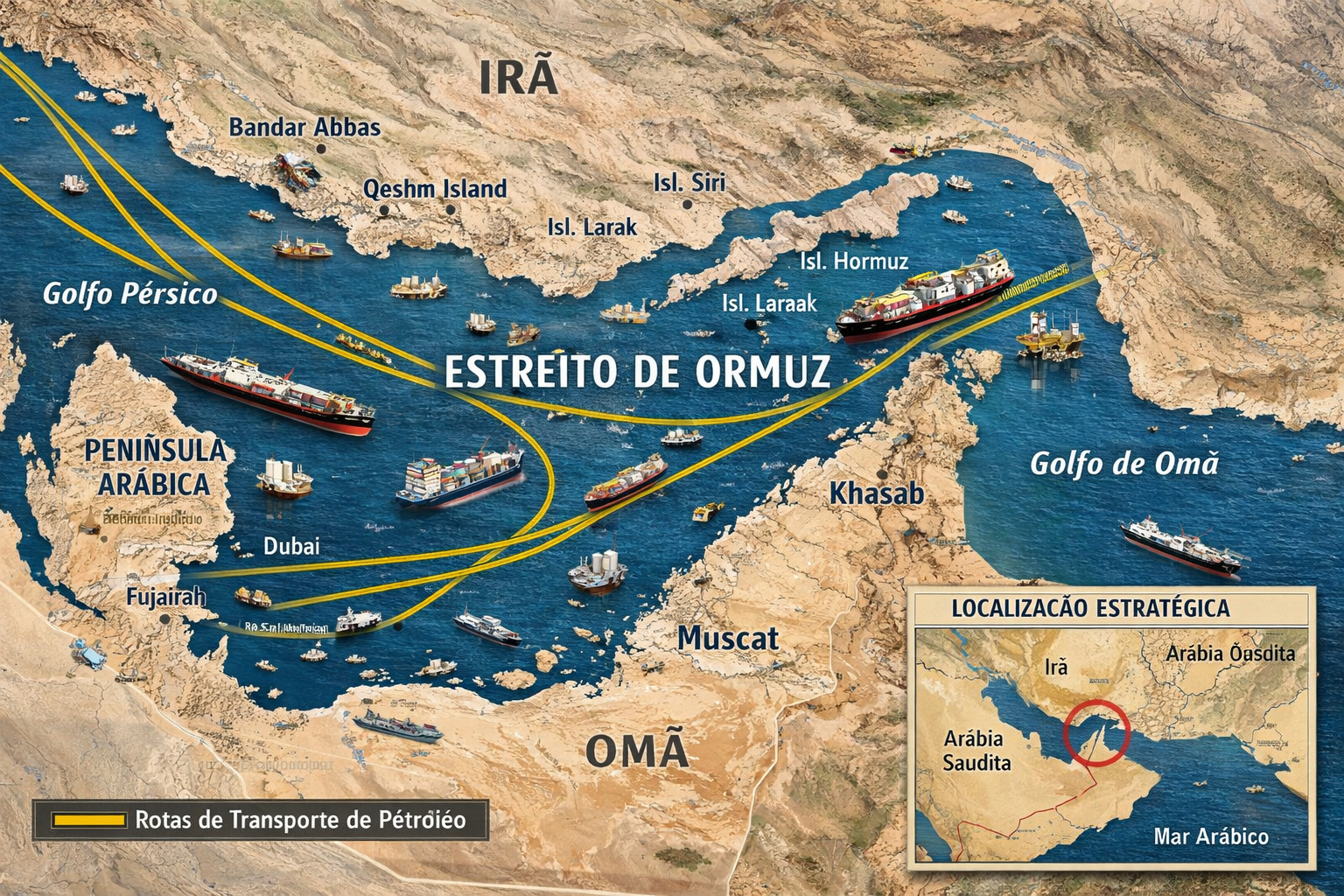
Global summit with over 40 countries pressures Iran for a blockade in the Strait of Hormuz and warns of direct impact on oil, food, and the global economy.
-
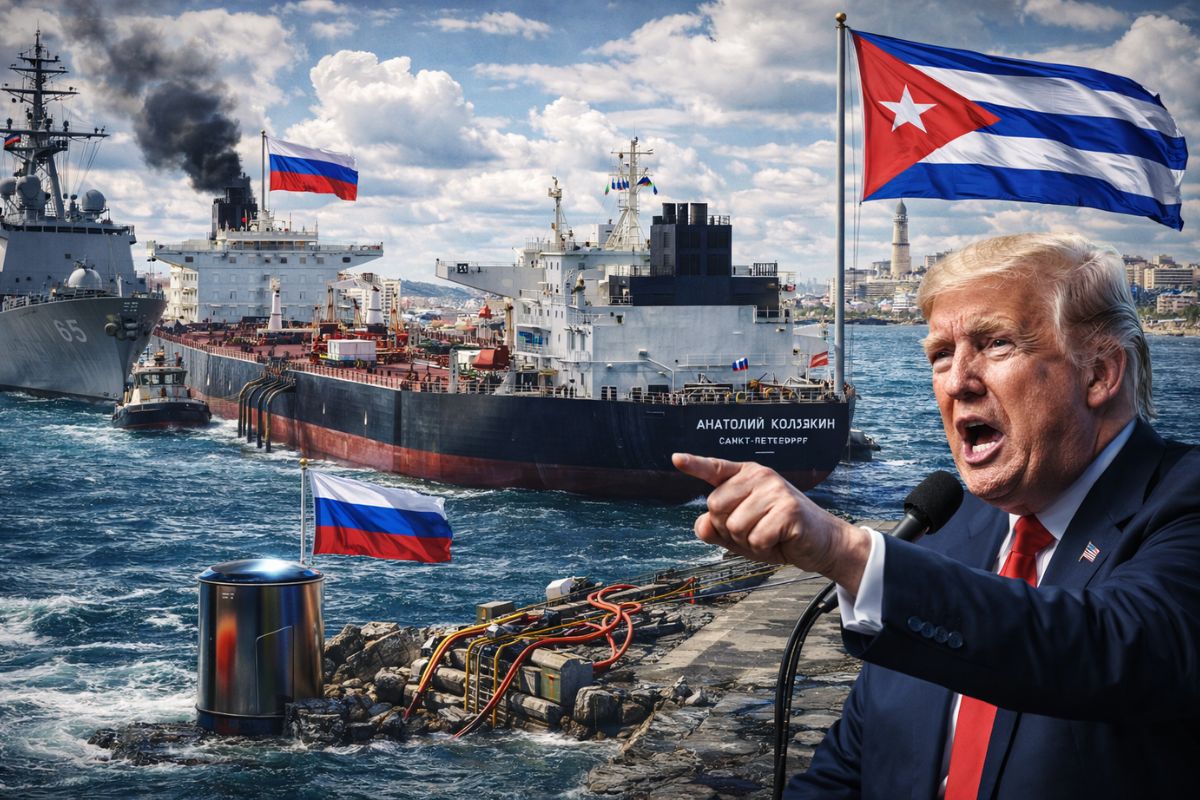
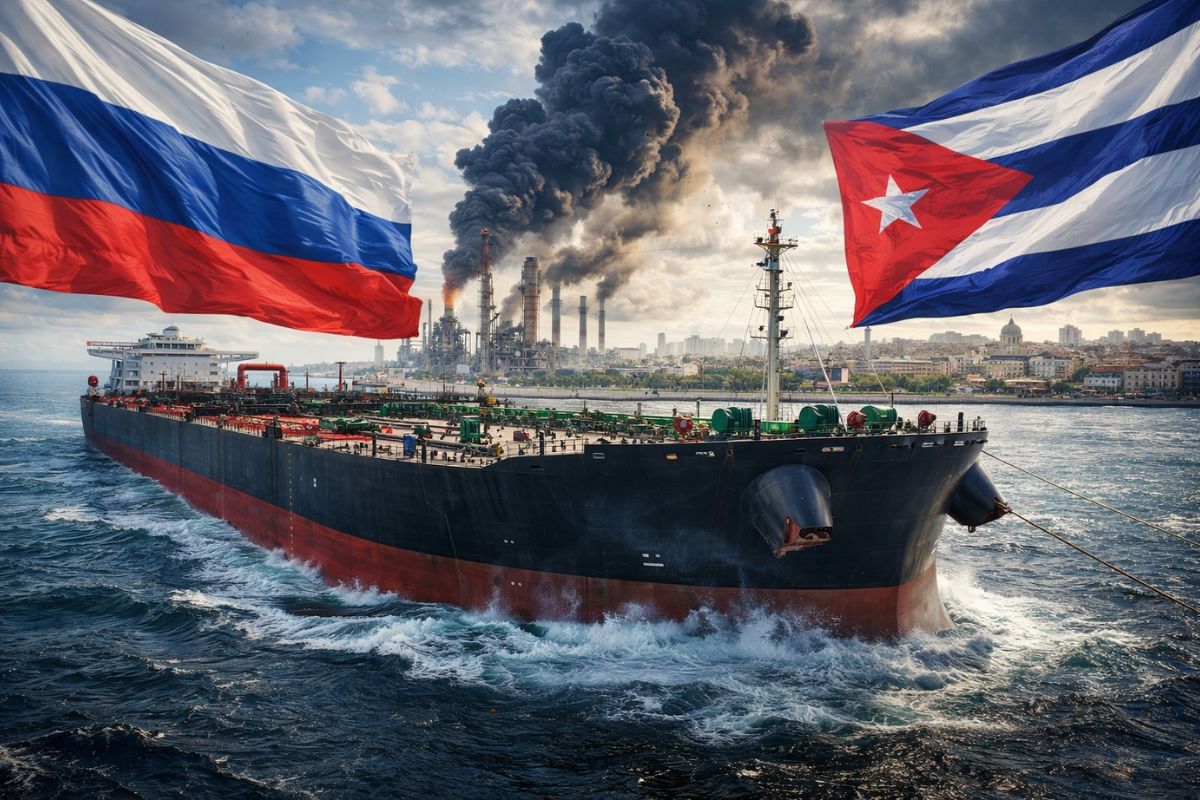
Russia has broken the U.S. maritime blockade to send oil to Cuba and is now loading a second ship while Trump says that “Cuba is next” in a possible military action against the island.
-
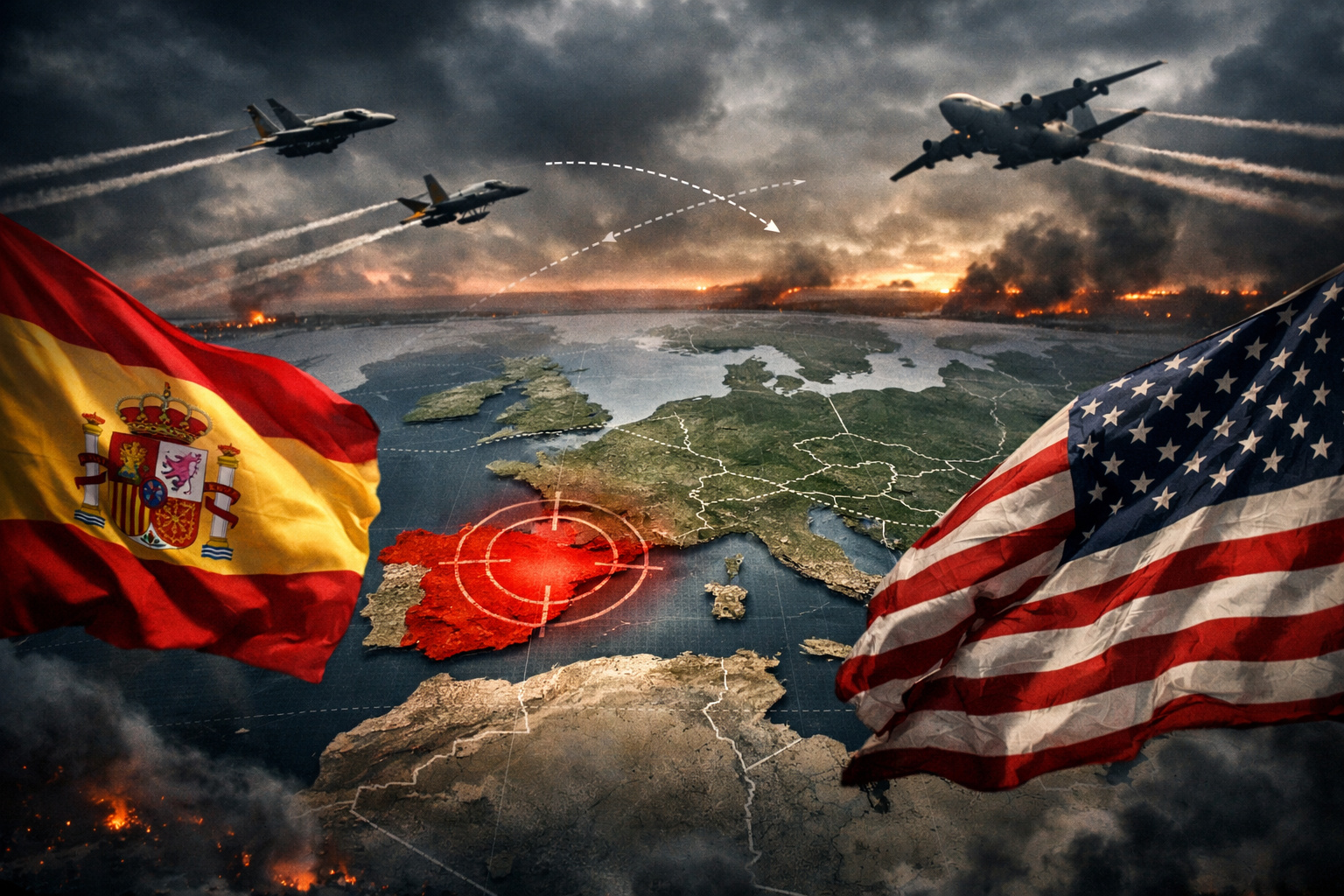
Spain challenges the USA and closes its airspace for operations against Iran, raising global tension and provoking the threat of a trade rupture.
-
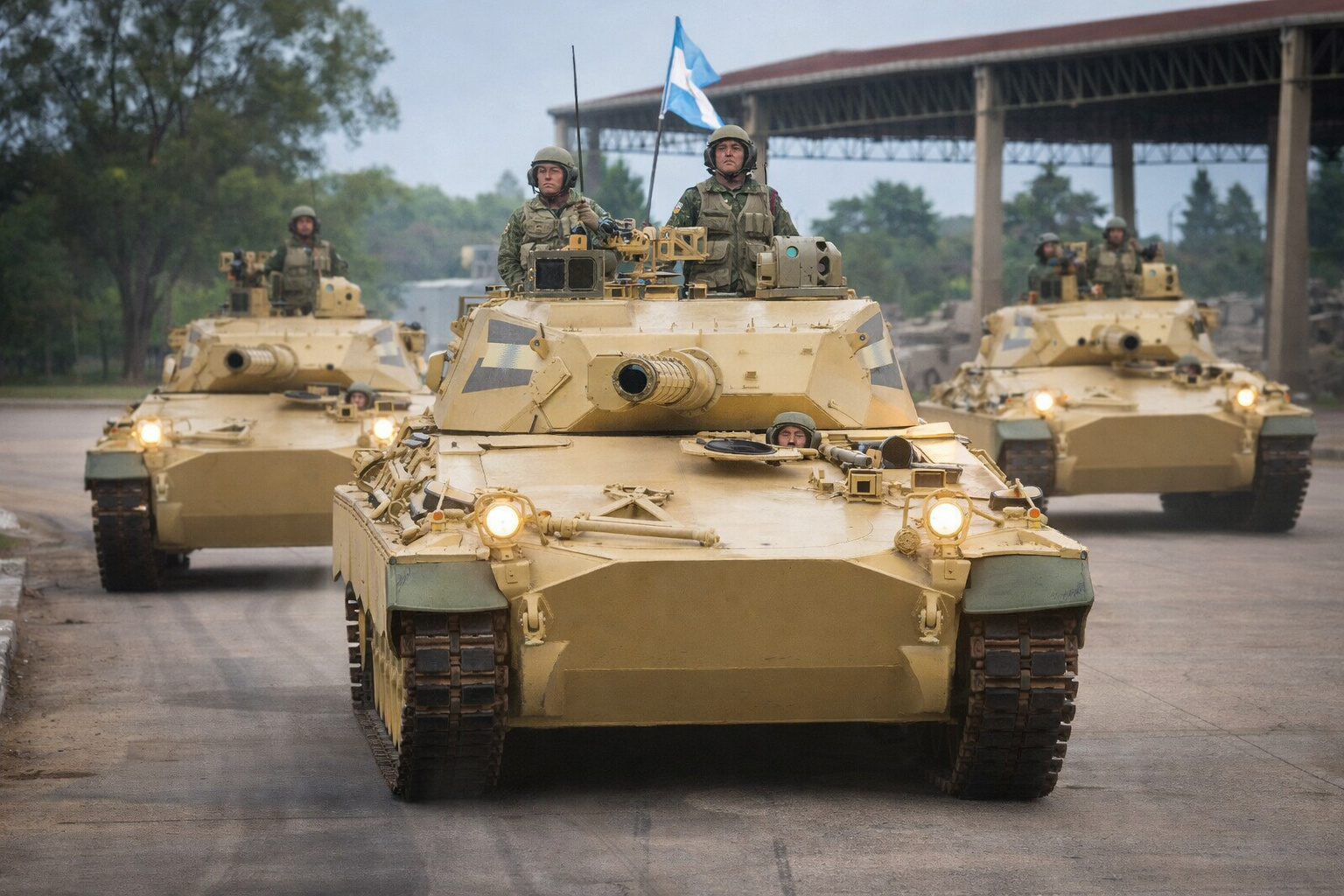
While no other country manufactures tanks in Latin America, Argentina activates the TAM 2C-A2 and raises a curiosity about the technological lag in the region.

See More: Military Drones And The Defense Industry: How The Conflict In Ukraine Led Renault To Change Course
Why Greenland Is The Largest Island In The World
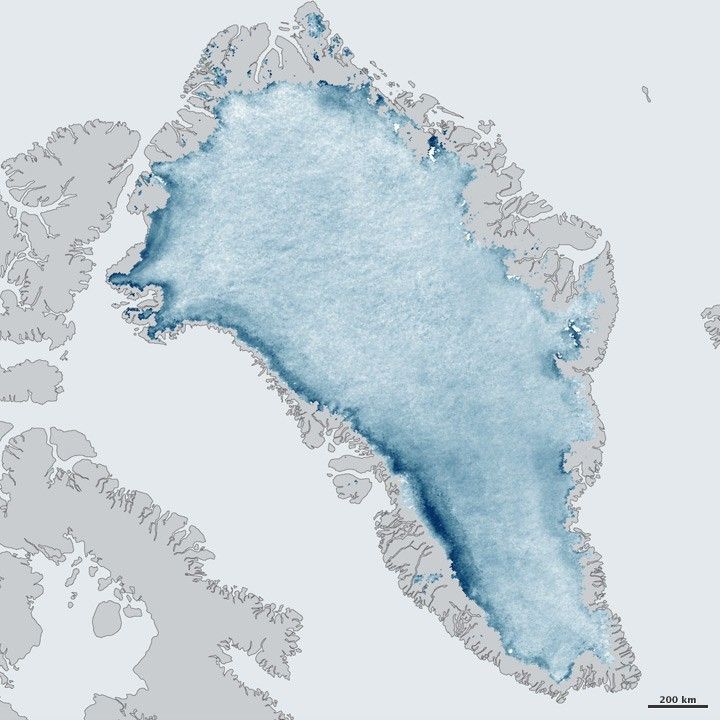
Despite covering about 2.16 million square kilometers, Greenland is often compared to Australia and Antarctica, which are territorially larger.
However, geographical science makes a clear distinction: Australia and Antarctica are classified as continents, while Greenland is not.
This definition is adopted by reference institutions such as the Britannica Encyclopedia, the Danish government, and also by educational systems, including in Brazil.
Thus, Greenland remains officially recognized as the largest island in the world that does not qualify as a continent.
What Differentiates An Island From A Continent
There is no single and absolute rule, but there are widely accepted criteria. Continents have a large territorial extent, thick continental crust, tectonic autonomy, and their own geographical identity.
This is the case for Australia, which rests on a large tectonic plate, and for Antarctica, which has a vast landmass beneath the ice.
Conversely, an island, in general, is a land area surrounded by water, smaller than a continent, and without equivalent tectonic autonomy.
Greenland fits this profile as it shares tectonic plates with North America, reinforcing its scientific classification as an island, not as a continent.
See More: Northern Lights In Rio Grande Do Sul? Purple Sky In Cambará Do Sul Intrigues Astronomy
Fauna, Tectonic Plates, And Scientific Conventions
In addition to geological aspects, factors such as fauna, flora, geographical history, and scientific conventions consolidated over time are also considered.
Although Greenland has continental dimensions for many laypeople, it does not meet the full set of criteria necessary to be considered a continent.
In this context, regions like Oceania often generate confusion. Oceania is a geographical region made up of thousands of islands in the Pacific, which includes Australia — recognized as the smallest continent on the planet.
The Largest Island In The World At The Center Of The Global Dispute
If previously Greenland attracted attention primarily for its icy landscapes, it now plays a strategic role on the international chessboard.
The territory has become the target of economic and military interests, especially following Trump’s statements about the possibility of expanding the United States’ influence in the region.
Charles Mendlowicz, a Brazilian economist who was recently on the island filming a special series, closely follows this scenario.
According to him, the local political climate is one of tension and curiosity. “The word I’ve heard the most here was Trump,” he reported, describing conversations in cafes and public spaces in Nuuk.
Rare Earths And The Technological Race
One of the main interests in Greenland lies beneath the ice: the so-called rare earths. These minerals are essential for semiconductors, solar panels, and the infrastructure that supports artificial intelligence.
According to Mendlowicz, the island has 25 of the 34 minerals considered strategic for Europe and 43 of the 50 classified as crucial for the economic security of the United States.
Without these resources, the global technological race becomes unfeasible. Thus, as the U.S. and Europe seek to secure access to the reserves, China strategically seeks to protect its dominant position in the global market for these minerals.
New Maritime Routes And International Security
Global warming has also increased Greenland’s geopolitical value. The melting ice in the Arctic is opening up new trade routes that can significantly reduce transportation time between Asia and Europe.

At the same time, concerns about the movements of Russian and Chinese submarines in the region are increasing.
Additionally, the island hosts strategic bases used in missile warning systems, essential for North America’s defense.
This set of factors explains why Greenland has ceased to be merely the largest island in the world and has become a key point in international security.
The Dilemma Of The Local Population
Despite global attention, the Greenlandic population faces a delicate impasse. There is a growing desire for more autonomy from Denmark, but the local economy still depends on annual subsidies ranging from US$ 500 to 600 million.
The big question is whether residents are willing to exchange this dependence for external investments or for a closer connection with the United States.
“What should matter is what the population wants,” questions Mendlowicz, highlighting that any future agreement needs to consider the will of the island’s inhabitants.
Diplomacy And Sovereignty Under Debate
Recently, diplomatic meetings in Nuuk emphasized that Greenland’s sovereignty remains a sensitive topic.
The Danish leadership made it clear that military cooperation is welcome, but territorial integrity is non-negotiable. The local government stated that no decision will be made without direct consultation with the Greenlandic people.
Thus, Greenland remains at the center of a debate that intertwines science, economics, and geopolitics. Between being the largest island in the world, not being a continent, and attracting the interest of global powers, the Arctic territory is solidifying as one of the most strategic points of the 21st century.









Seja o primeiro a reagir!