





 Portuguese
  English
  Spanish
  3 min of reading
  0 comments


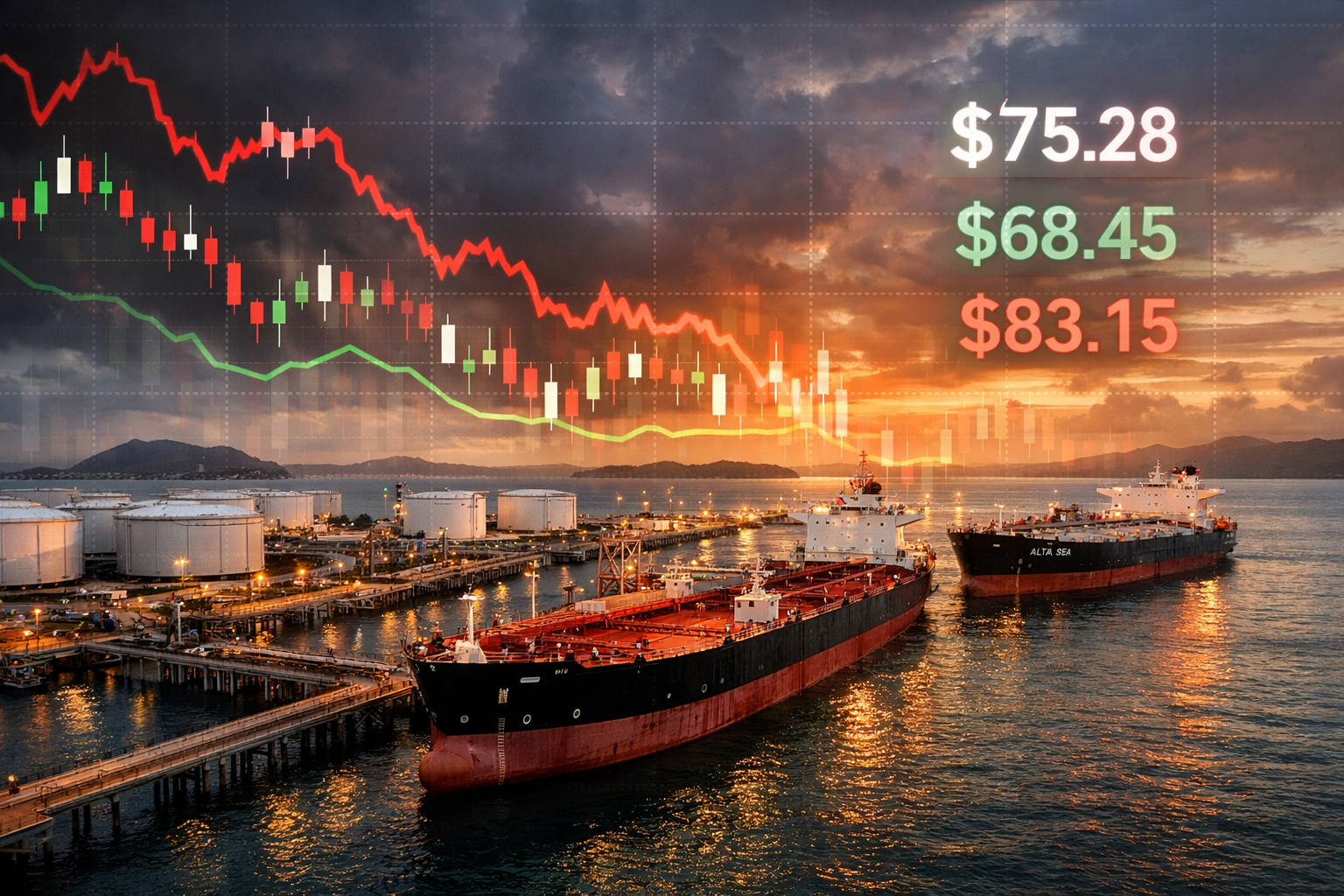
Industry Assessment Indicates That Political Tension Will Weigh More Than Venezuelan Supply in the Short Term

The oil industry in Brazil is closely monitoring the escalating tension involving the United States and Venezuela. According to an assessment from the Brazilian Institute of Oil, Gas and Biofuels (IBP), the U.S. attack on Venezuelan territory has increased the degree of geopolitical uncertainty, a factor that tends to pressure international oil prices in the coming days.
According to the president of IBP, Roberto Ardenghy, despite the possibility of Venezuela increasing its production in the medium term, the market mainly reacts to political risk. Therefore, the expectation of instability weighs more than any immediate prospects of increased global supply of the commodity.
This information was released through sector analyses following statements from U.S. President Donald Trump, indicating that Washington could temporarily govern Venezuela and allow U.S. companies to exploit the country’s oil. These remarks, therefore, heightened the perception of risk among investors.
-
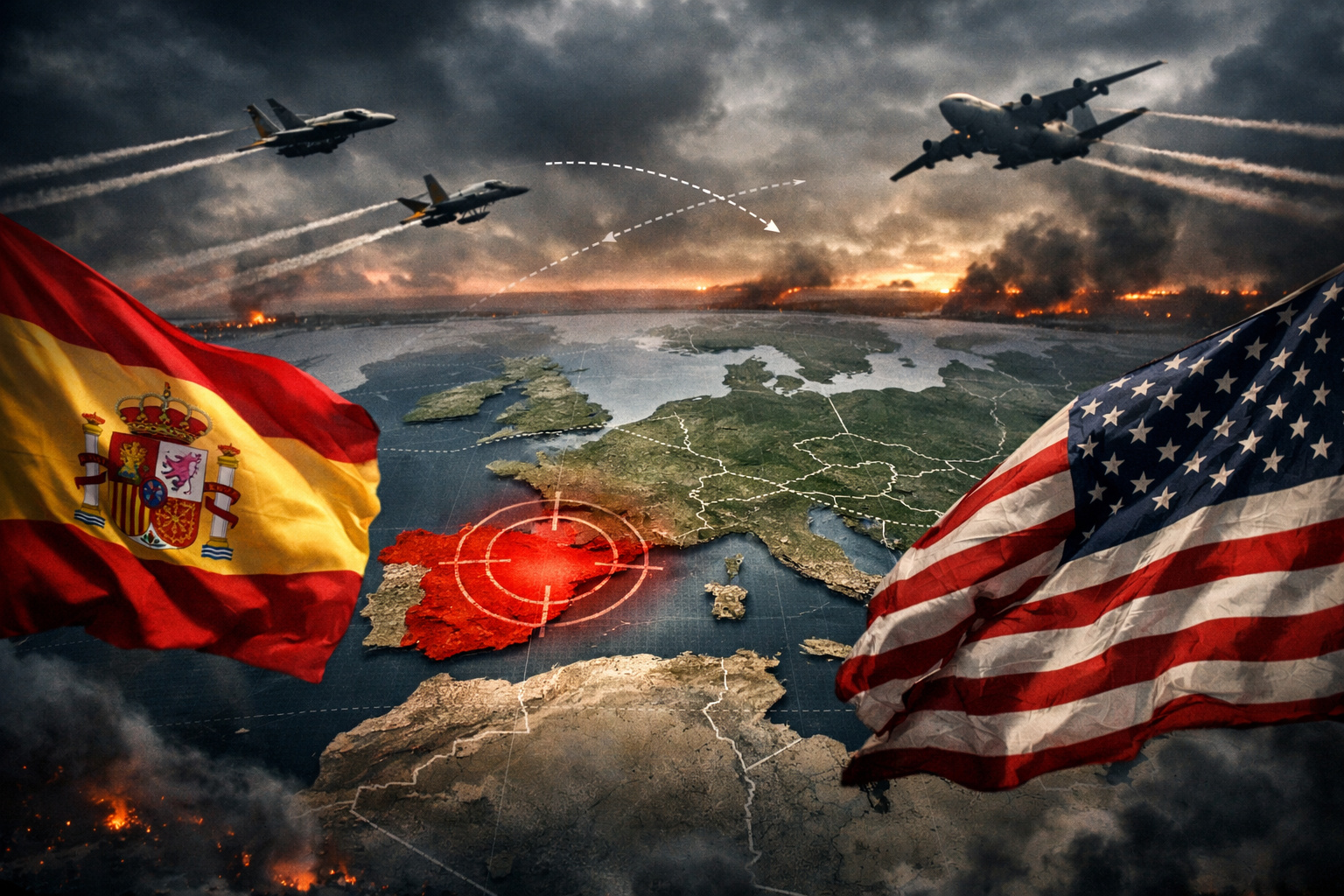
Spain challenges the USA and closes its airspace for operations against Iran, raising global tension and provoking the threat of a trade rupture.
-
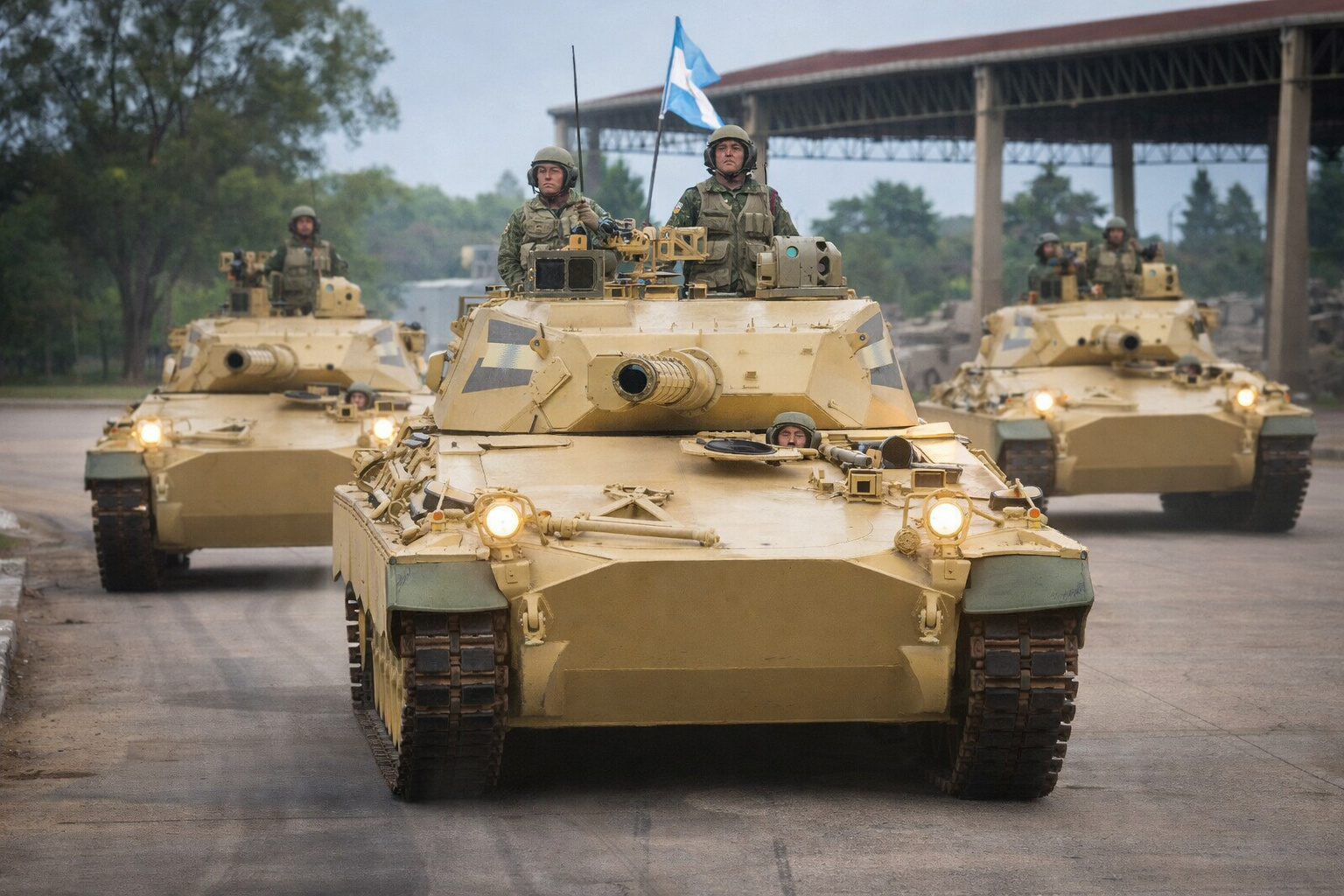
While no other country manufactures tanks in Latin America, Argentina activates the TAM 2C-A2 and raises a curiosity about the technological lag in the region.
-
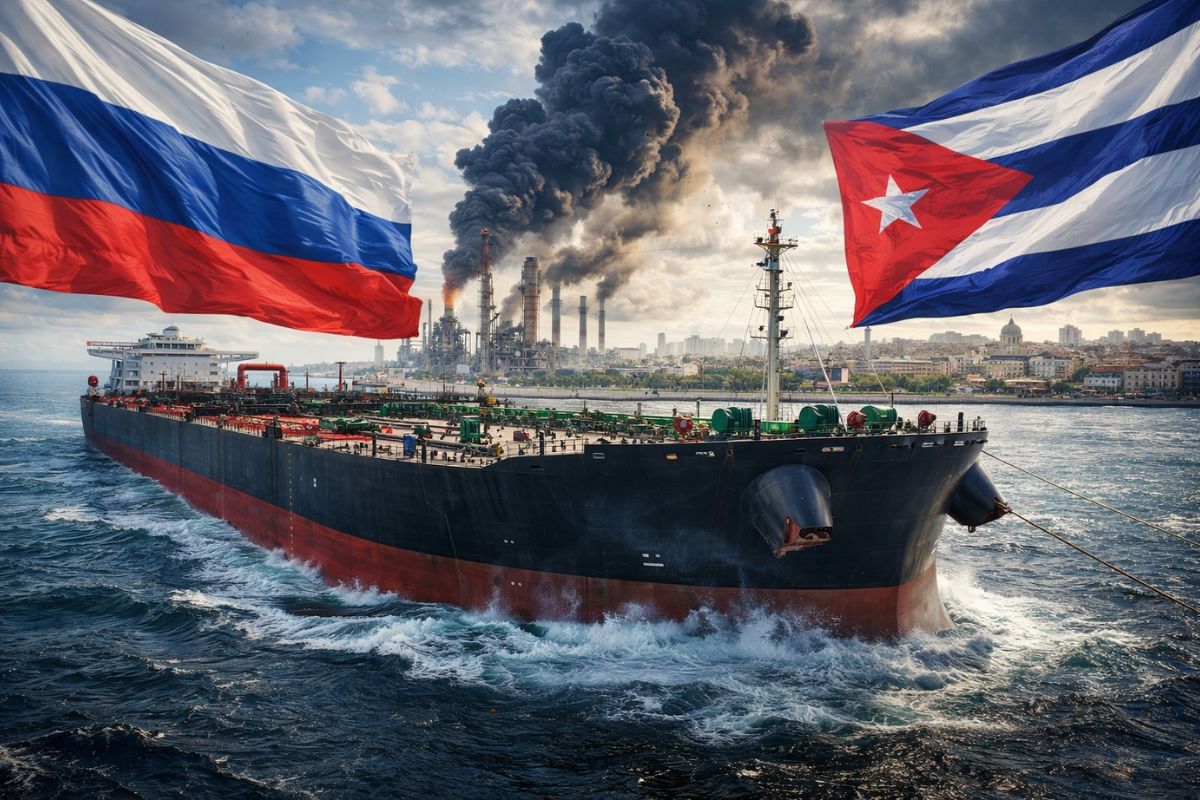
A Russian ship with 730,000 barrels of oil has just arrived in Cuba while Mexico negotiates fuel sales through private companies: the communist island is desperately seeking alternatives after losing its supply from Venezuela due to American military action.
-
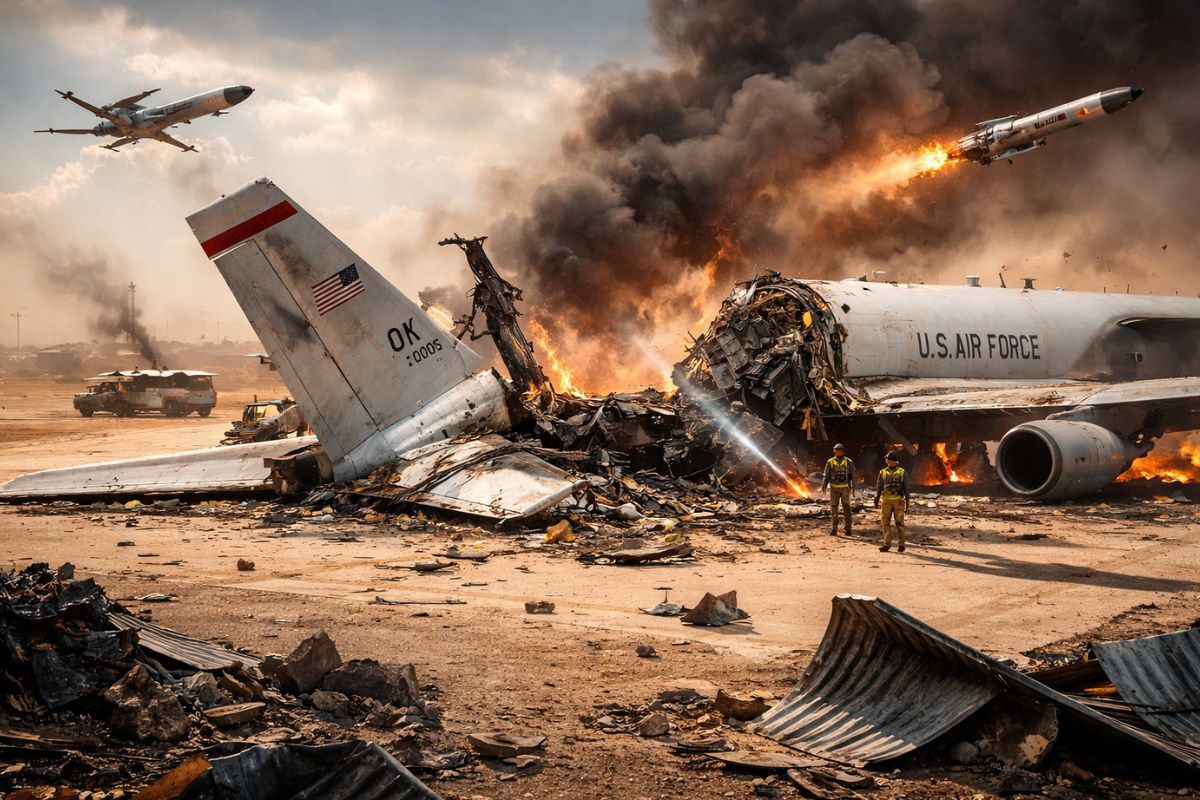
Iranian drones and missiles destroyed a 270 million dollar American spy plane in Saudi Arabia, splitting the E-3 Sentry aircraft in half and injuring 12 military personnel in an attack that exposes the vulnerability of U.S. bases in the Persian Gulf.

Giant Reserves Contrast With Venezuela’s Limited Production
Venezuela has the largest known oil reserves in the world, estimated at around 220 billion barrels, mainly concentrated in the Orinoco Belt. This volume helps explain the international interest and the potential impact of changes in the country’s political landscape.
However, despite these reserves, Venezuela’s weight in global production remains limited. Currently, the country produces about 700,000 barrels per day. In comparison, Saudi Arabia produces approximately 12 million, the United States around 13 million, while Brazil reaches 5 million barrels daily.
According to Ardenghy, the international market reacts more to future expectations than to immediate physical production. Although the world produces about 100 million barrels per day, the volume traded daily in the futures market reaches 1 billion barrels. Thus, any increase in perceived risk is quickly incorporated into prices.
“Even without immediate changes in supply, the mere increase in uncertainty already affects prices. The market will price in that risk,” explained the president of IBP.
Maritime Freight and the Caribbean Amplify Geopolitical Impact

In addition to the direct effect on prices, the geopolitical escalation may pressure shipping and marine insurance costs in the Caribbean. The region is a strategic route for trade between South America, the United States, and Canada. Therefore, blockades, route deviations, or increased operational risk raise transportation costs and affect global supply chains.
This movement directly impacts Brazil. The country exports oil to the United States and imports diesel, gasoline, and LPG (cooking gas) from the American market. Thus, any increase in logistical costs tends to reflect on internal prices.
Another relevant factor is the profile of Venezuelan oil. It is heavy oil, with low API gravity, requiring more complex production techniques. Nevertheless, this type of oil is valued for producing diesel, petroleum coke, and asphalt, and American refineries have historically been adapted to process it.
OPEC, Sanctions, and Reflections for Brazil
Currently, Venezuelan oil remains under U.S. embargo, which limits its international circulation. Trump stated that sanctions would remain until the political situation in the country normalizes. Additionally, Venezuela is a founding member of OPEC, which accounts for about 40% of world production, further increasing market attention.
Even under sanctions, the country maintains partnerships with China, Russia, and Iran, adding an extra layer of complexity to the geopolitical scenario.
For Brazil, a potential increase in oil prices could have positive effects on the trade balance. According to Ardenghy, the country exports about 1.7 million barrels per day and ranks among the largest global exporters. Therefore, a more expensive barrel tends to generate more dollars for the Brazilian economy.
Still, the expert emphasizes that the main impact factor is not Venezuelan production itself, but the geopolitical context. “What can structurally move the market is the instability environment, not just production numbers,” he concluded.
In light of so much geopolitical instability, do you believe that the Brazilian consumer will feel this impact in their pockets sooner than they realize?








-

-

2 pessoas reagiram a isso.