





 Portuguese
  English
  Spanish
  2 min of reading
  0 comments



Brazil Approved An International Agreement That Promises To Reduce Bureaucracies In Cargo Transport, Streamline Borders And Lower Prices By Integrating The Country Into The TIR System
The Federal Senate approved, this Wednesday (26), an international agreement that promises to reduce bureaucracies and expedite cargo transport between countries. This is the PDL 655/2025, which ratifies the Customs Convention On The International Transport Of Goods Under Cover Of TIR Carnets, known worldwide as the TIR Convention.
With the approval in the Senate, the agreement now enters the final phase to be officially incorporated into Brazilian legislation.
Created in Geneva in 1975, the TIR Convention has established itself over the last few decades as the main global instrument to facilitate customs transit of goods by road. Currently, 78 countries are part of the system, including Argentina, Chile, and Uruguay, creating a more integrated circulation network among different regions of the world.
-
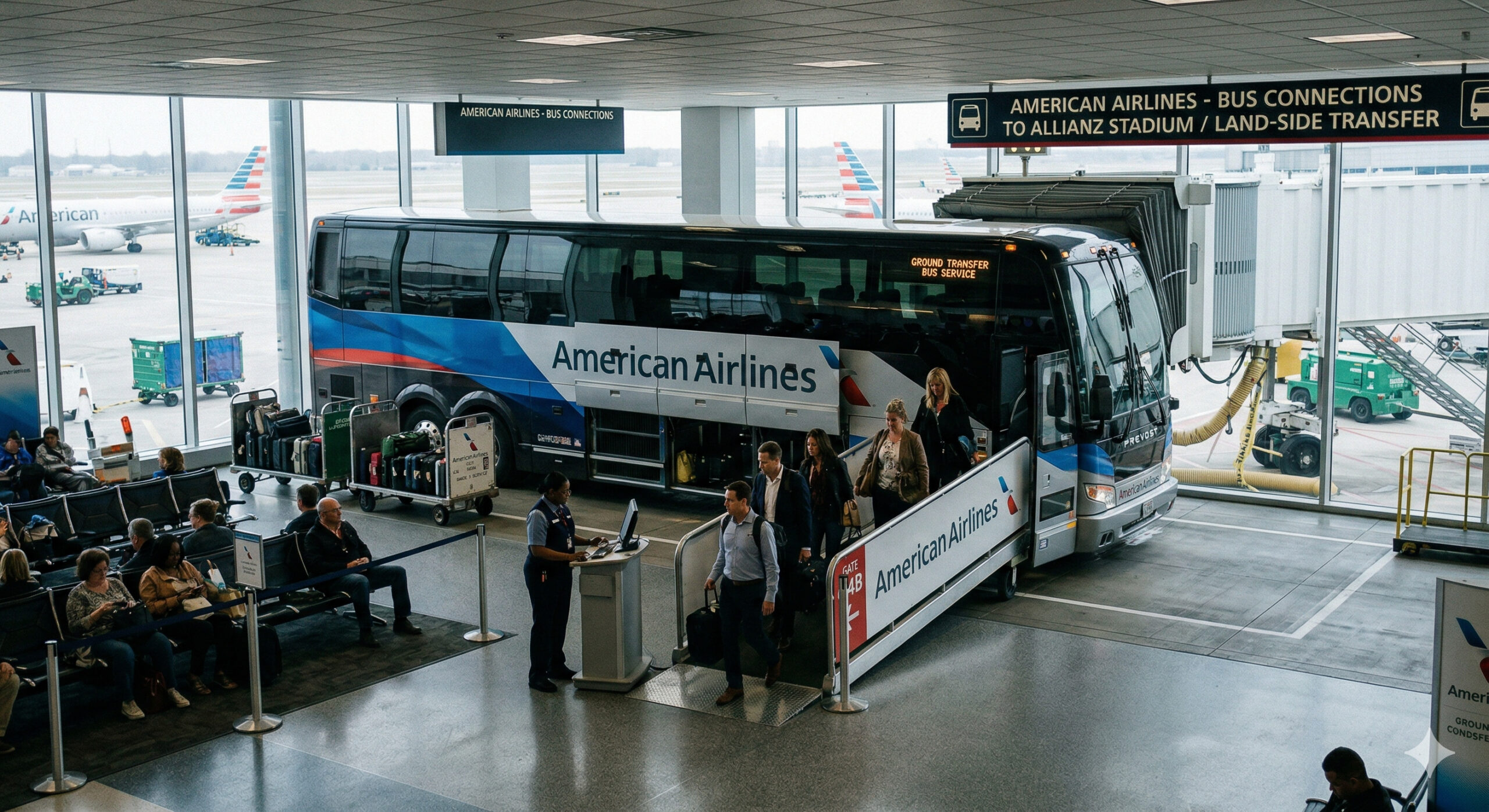
American Airlines starts selling trips as if they were flights, with check-in and baggage check at the airport, but on short routes, passengers board luxury buses connecting cities to major hubs in the U.S.
-
São Paulo surprises the world with a colossal railway network project that promises over 1,000 km of tracks, R$ 194 billion in investments, and 40 projects connecting the capital to the interior with fast and sustainable trains.

-
The world’s largest escalator, measuring 905 meters in China, reduces urban travel time from 1 hour to about 20 minutes and transforms mobility in mountainous regions with an engineering solution adapted to the terrain.

-
A R$ 300 million logistics giant is taking shape in Serra with over 100,000 m² and raises a question: how can this transform e-commerce and distribution in the state?


The proposal approved by the Brazilian Senate establishes common rules for international transport by trucks, standardizing documents, procedures, and technical requirements for vehicles and containers. The convention includes 64 articles and 11 annexes, ranging from the TIR carnet model to operational standards for crossing borders with fewer steps and repeated inspections.
Although focused on road transport, the convention allows multimodal operations, provided that a mandatory part of the route is by road. This opens up space to integrate trucks with railways, waterways, and other modalities, reducing logistics costs and offering more flexibility for exporting companies.
Before reaching the Plenary, the agreement went through the Senate Committee on Foreign Relations (CRE). The rapporteur, Senator Nelsinho Trad (PSD-MS), who is also the president of the CRE, gave a favorable opinion and highlighted the strategic importance of the document. According to him, the TIR is “the only universal customs transit system currently in force and recognized by the United Nations (UN).”
The senator also recalled that Brazilian adherence paves the way for the TIR carnet to be used in the future bioceanic route, a corridor that is expected to connect Brazil, Paraguay, Argentina, and Chile, creating a faster link between the Brazilian Midwest and Pacific ports. The expectation is that the agreement will reduce costs for cargo carriers, expedite border releases, and strengthen regional trade.








Seja o primeiro a reagir!