






 Portuguese
  Spanish



Brazil Approved An International Agreement That Promises To Reduce Bureaucracies In Cargo Transport, Streamline Borders And Lower Prices By Integrating The Country Into The TIR System
The Federal Senate approved, this Wednesday (26), an international agreement that promises to reduce bureaucracies and expedite cargo transport between countries. This is the PDL 655/2025, which ratifies the Customs Convention On The International Transport Of Goods Under Cover Of TIR Carnets, known worldwide as the TIR Convention.
With the approval in the Senate, the agreement now enters the final phase to be officially incorporated into Brazilian legislation.
Created in Geneva in 1975, the TIR Convention has established itself over the last few decades as the main global instrument to facilitate customs transit of goods by road. Currently, 78 countries are part of the system, including Argentina, Chile, and Uruguay, creating a more integrated circulation network among different regions of the world.
-
Why can the crane operator only obey the correct signalman on the construction site: among dozens of workers, a hand raised by the wrong person can confuse the maneuver and turn a load of tons into an immediate risk.

-
What changes with the new public transportation rules that can reduce pressure on fares and pave the way for zero fare in Brazil?
-
Argentina confirms Belgian giant to lead strategic Paraná River waterway and promises to reduce logistical costs on one of South America’s most important routes
-
MBRF surprises the logistics sector by demonstrating how Artificial Intelligence can directly influence deliveries throughout Brazil by reorganizing distribution routes in seconds, optimizing fleet usage, reducing logistics costs, and speeding up product arrivals even in the face of unforeseen road incidents.

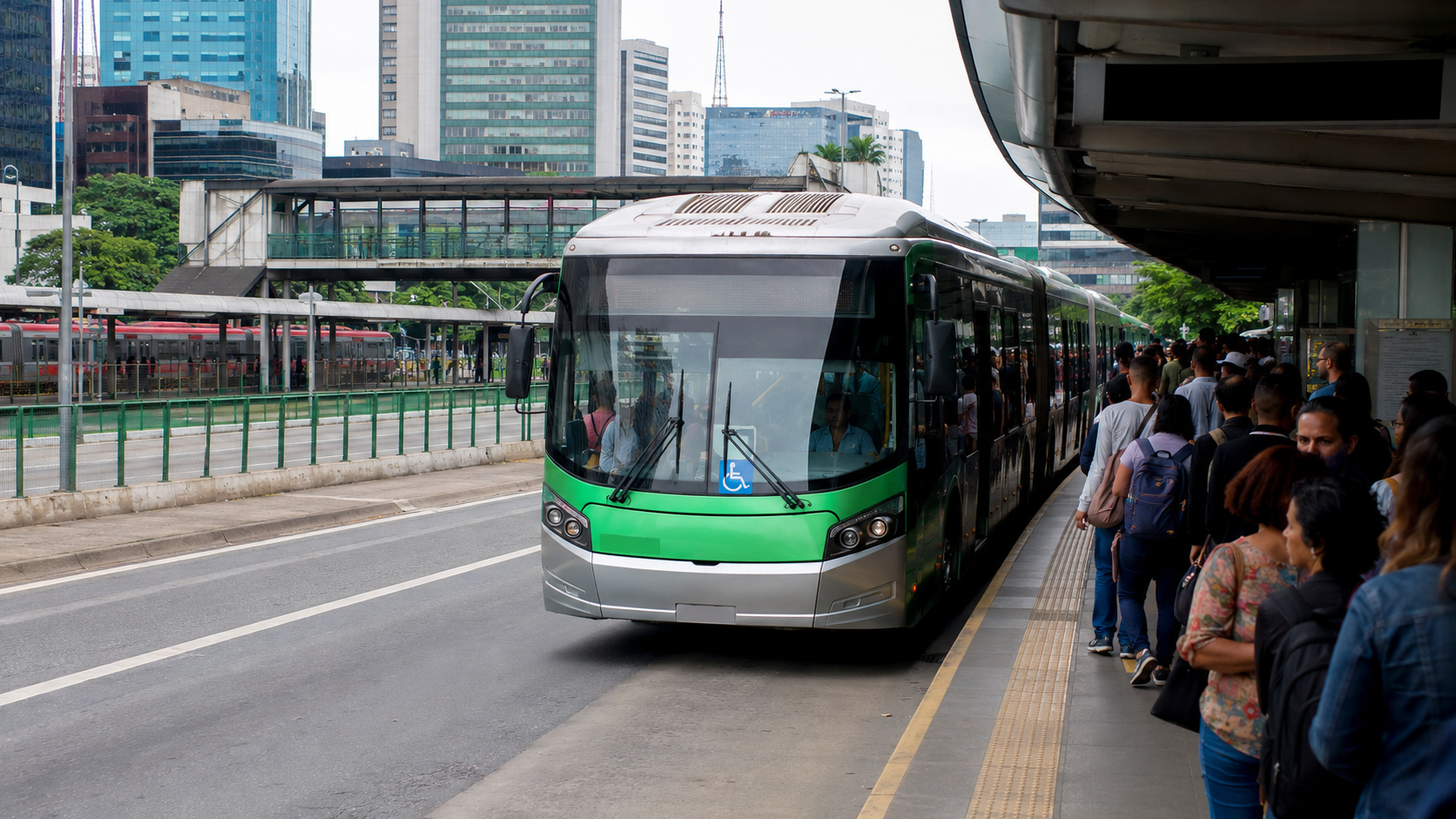


The proposal approved by the Brazilian Senate establishes common rules for international transport by trucks, standardizing documents, procedures, and technical requirements for vehicles and containers. The convention includes 64 articles and 11 annexes, ranging from the TIR carnet model to operational standards for crossing borders with fewer steps and repeated inspections.
Although focused on road transport, the convention allows multimodal operations, provided that a mandatory part of the route is by road. This opens up space to integrate trucks with railways, waterways, and other modalities, reducing logistics costs and offering more flexibility for exporting companies.
Before reaching the Plenary, the agreement went through the Senate Committee on Foreign Relations (CRE). The rapporteur, Senator Nelsinho Trad (PSD-MS), who is also the president of the CRE, gave a favorable opinion and highlighted the strategic importance of the document. According to him, the TIR is “the only universal customs transit system currently in force and recognized by the United Nations (UN).”
The senator also recalled that Brazilian adherence paves the way for the TIR carnet to be used in the future bioceanic route, a corridor that is expected to connect Brazil, Paraguay, Argentina, and Chile, creating a faster link between the Brazilian Midwest and Pacific ports. The expectation is that the agreement will reduce costs for cargo carriers, expedite border releases, and strengthen regional trade.





Be the first to react!