





 Portuguese
  English
  Spanish
  4 min of reading
  1 comment


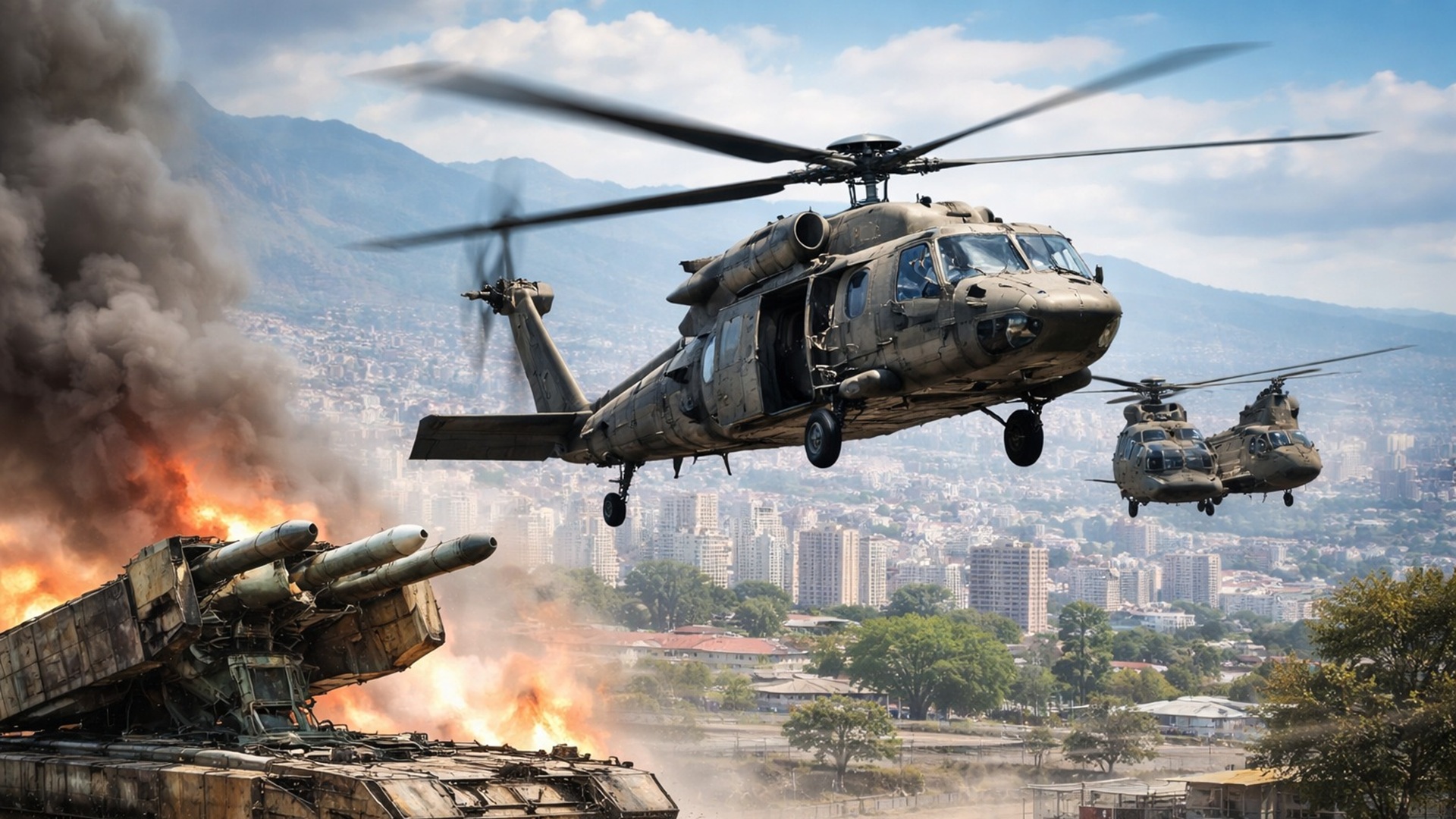


The Lack Of Reaction From The Venezuelan Air Defense During The U.S. Operation, With Military Helicopters Flying Over Caracas Without Firing Missiles, Fighters, Or MANPADS, Exposed Operational Failures, Lack Of Coordination, And Possible Collapse Of The Country’s Airspace Protection System
The U.S. military intervention in Caracas resulted in the capture of Nicolás Maduro, using special operations forces to neutralize strategic targets. The action prioritized minimizing casualties and exposed the ineffectiveness of Venezuelan defense systems against the air incursion.
The American Military Elite And The Surgical Strike Strategy
The operation involved the participation of the 160th Special Operations Aviation Regiment, known as “Night Stalkers.” This unit of the U.S. Army provided essential air support. According to Jennifer Jacobs, the capture of Maduro was handled by Delta Force.
MH-60L Black Hawk and MH-47G Chinook Block II helicopters were identified during the attack on Caracas. These elite aircraft operated in conjunction with prior missile strikes against various Venezuelan military bases to prepare the ground.
-
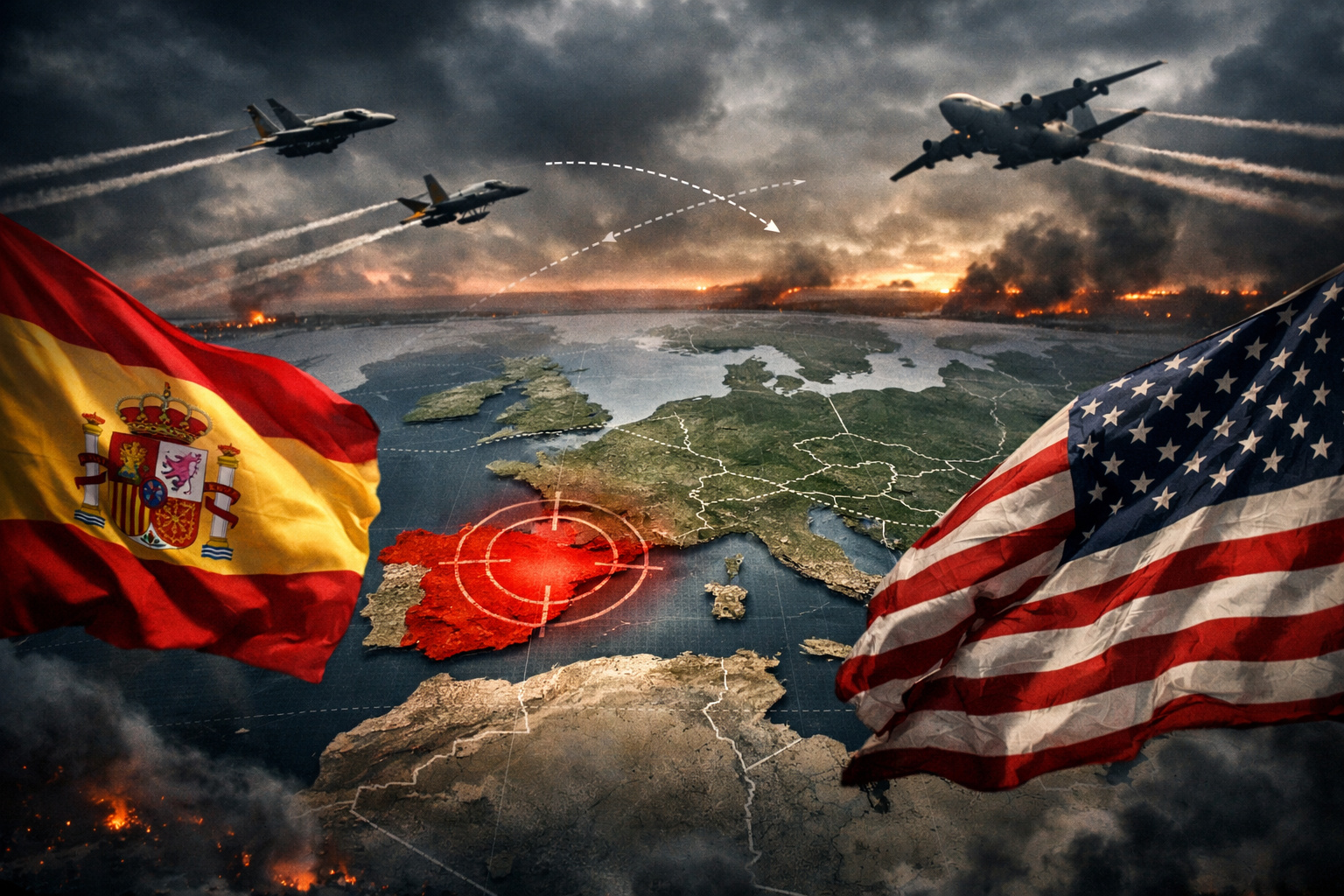
Spain challenges the USA and closes its airspace for operations against Iran, raising global tension and provoking the threat of a trade rupture.
-
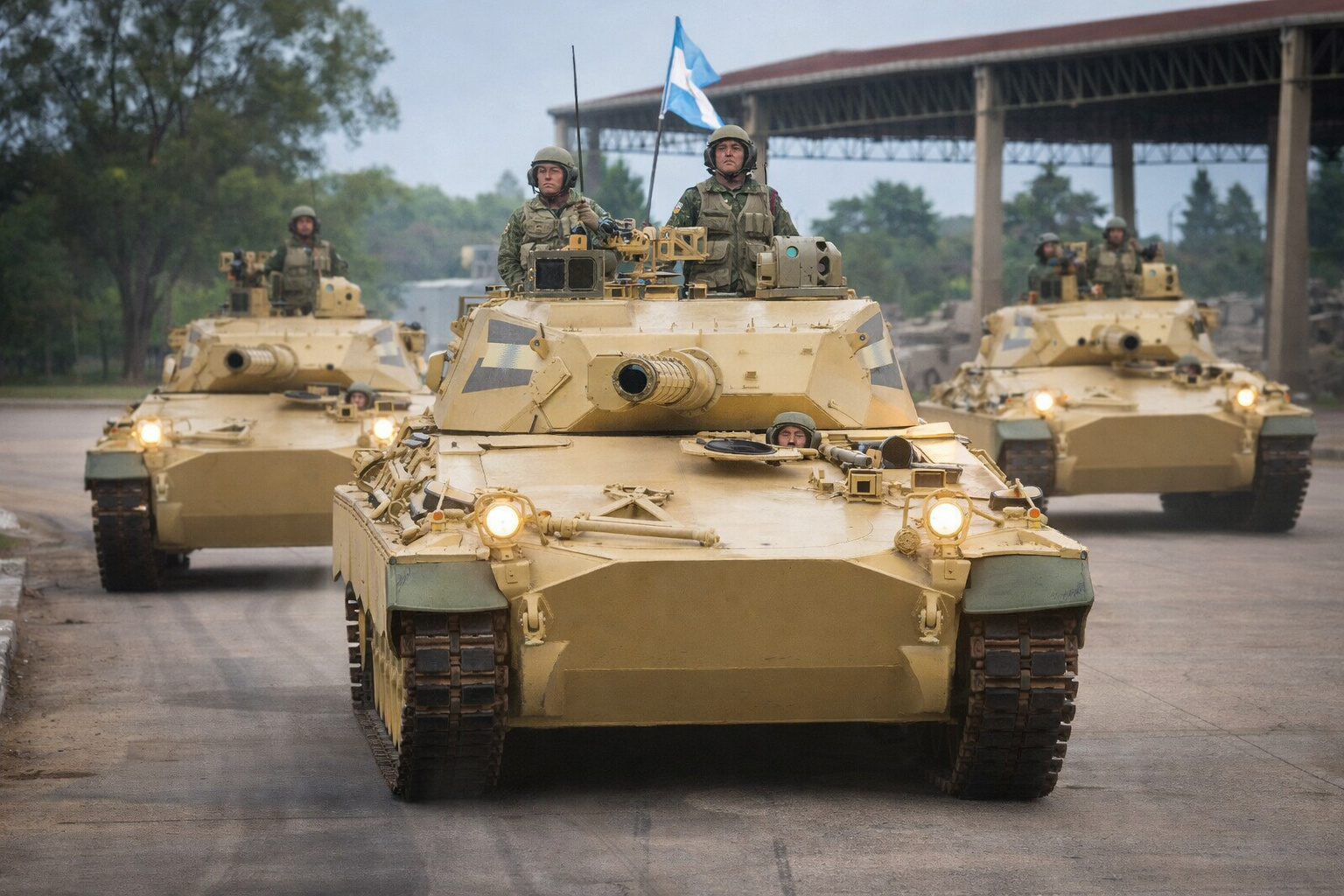
While no other country manufactures tanks in Latin America, Argentina activates the TAM 2C-A2 and raises a curiosity about the technological lag in the region.
-
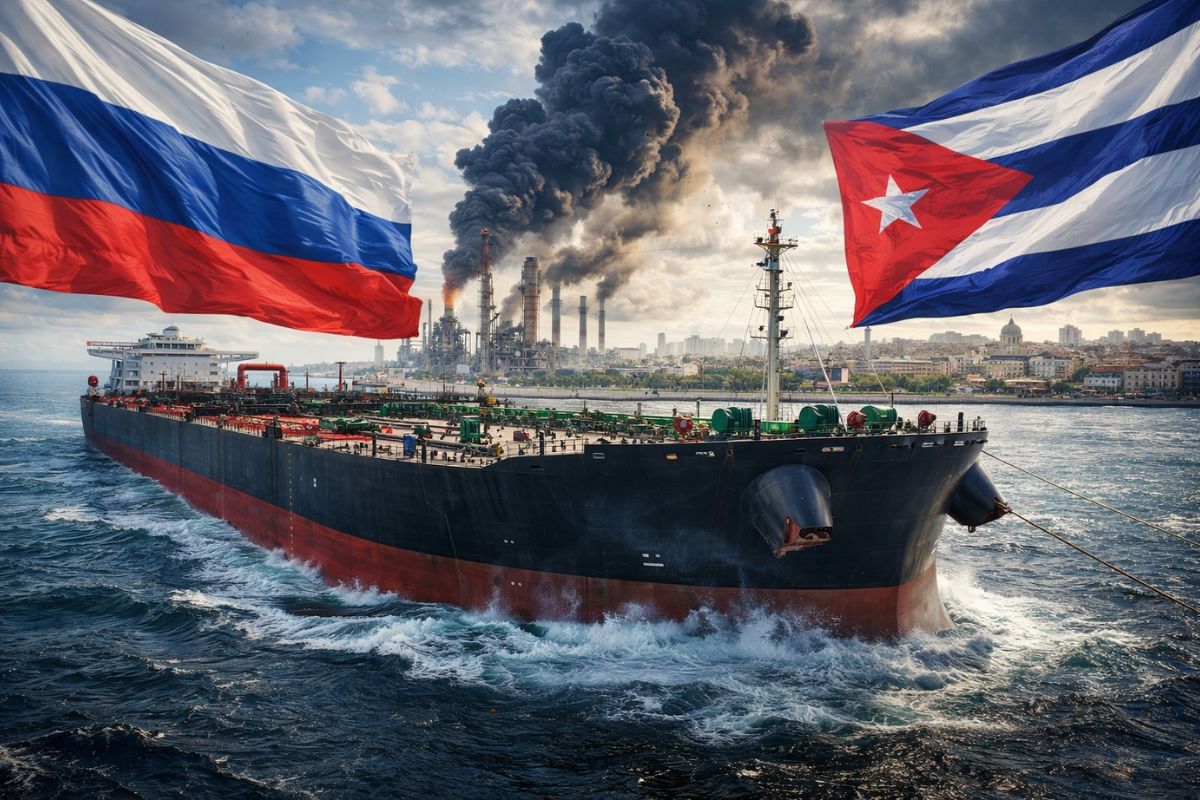
A Russian ship with 730,000 barrels of oil has just arrived in Cuba while Mexico negotiates fuel sales through private companies: the communist island is desperately seeking alternatives after losing its supply from Venezuela due to American military action.
-
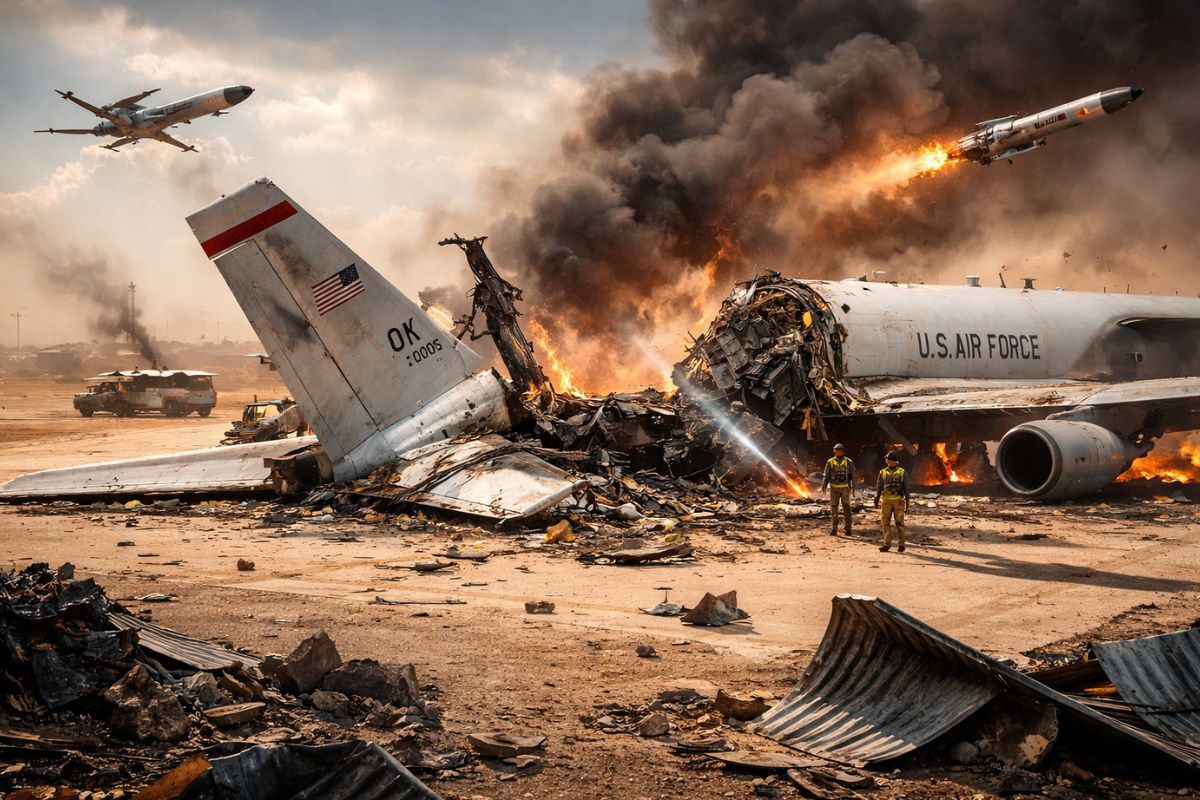
Iranian drones and missiles destroyed a 270 million dollar American spy plane in Saudi Arabia, splitting the E-3 Sentry aircraft in half and injuring 12 military personnel in an attack that exposes the vulnerability of U.S. bases in the Persian Gulf.

The intervention was characterized by being precise and selective. The central objective was to minimize civilian and military casualties, avoiding undermining popular support. The strategy recognized that not all Venezuelan soldiers remained loyal to Maduro’s dictatorship.
Consequently, the action avoided unnecessary attacks in other regions of Venezuela. The main focus of the offensive concentrated on Caracas and its immediate surroundings, heavily utilizing special operations forces to ensure the mission’s speed.
The Neutralization Of Defenses In La Carlota And Russian Systems
One of the priority targets was Generalissimo Francisco de Miranda Air Base, located in La Carlota. The destruction of defenses at this facility, located east of Caracas, was crucial for the success of the American operation and the safety of the aircraft involved.
Released images confirmed the presence of Russian-made BUK-M2E surface-to-air missile launchers. Venezuela acquired three of these systems in 2013. They were primary targets to allow the opening of a safe air corridor for the U.S. helicopters.
State television videos showed the effects of the attack in La Carlota. The footage revealed civilian buses used as barricades in an attempt to block access to the military facility. One of the vehicles appeared riddled with bullets after the confrontation.
The Venezuelan Combat Fleet And The Late Reaction
The report “The Military Balance 2024” indicates that Venezuela possessed 39 fighters in 2024. The fleet included 21 Su-30MKV Flankers and 18 F-16 Fighting Falcons. However, the operational state of these aircraft was questionable due to a lack of parts.
Only three F-16s were estimated to be airworthy and poorly armed, a consequence of the U.S. embargo. In addition to the main fighters, the inventory included 23 Chinese Hongdu K-8 training jets and 12 Brazilian Embraer EMB 312V Tucanos.
El Libertador Air Base, home to Fighter Groups No. 16 and No. 11, was attacked. However, the attack did not destroy all aircraft on the ground. The profile @InquisidorVZLA reported the takeoff of four F-16s and two Su-30s hours after Maduro’s capture.
This late mobilization suggests serious flaws in the response. The delay may have occurred due to a lack of alertness, the effectiveness of U.S. electronic warfare, or pilots’ decisions. EA-18G Growler aircraft from the U.S. Navy likely operated to disable Venezuelan radar systems.
The Portable Missile Arsenal And The Lack Of Response
An inexplicable aspect of the operation was the inactivity of MANPADS. The dictatorship claimed to have about 5,000 Russian 9K338 Igla-S missiles. Even if the number is exaggerated, hundreds of these systems would pose a lethal threat to American helicopters.
These portable missiles are easy to deploy and difficult to detect before firing. The risk to the operation was high. However, U.S. helicopters flew unhindered, raising suspicions about the willingness of Venezuelan troops to fight.
Santiago Rivas from Pucará Defensa suggests there was collaboration from the Venezuelan Armed Forces. He points to the lack of resistance and the fact that the U.S. did not attack other important air bases, such as Lieutenant Luis del Valle García, as evidence.
Anton Gerashchenko, a Ukrainian advisor, reinforces this theory. He assesses that the Venezuelan military leadership made the conscious decision not to resist. The lack of desire to die for Maduro may have allowed the operation to occur without the use of available air defenses.







É claro que Maduro foi traido. Qual o país que não revidaria?