





 Portuguese
  English
  Spanish
  4 min of reading
  0 comments


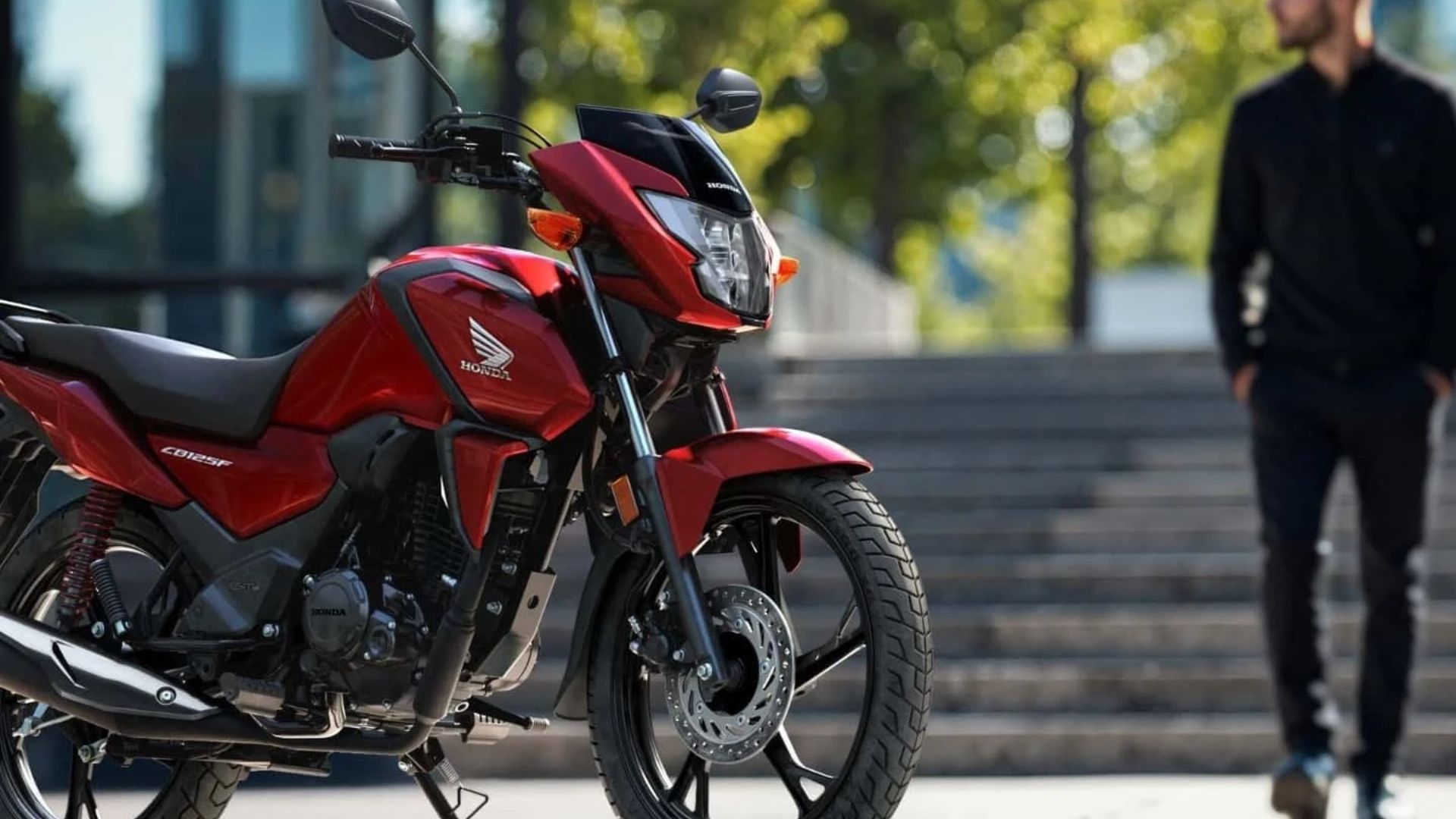
New Version of the Honda CB125F Combines Extreme Efficiency, Innovative Technologies in the 125 cm³ Segment and Enhanced Range, Offering an Urban Package That Combines Low Consumption, Updated Electronic Features and an Accessible Proposal for Daily Use.
The Honda has revamped the CB125F 2026 with a focus on energy efficiency, low environmental impact, and reduced usage costs.
The brand’s entry model for Europe combines a 124 cm³ engine with a certified average consumption of 66.7 km/l, a projected range of over 730 km with an 11-liter tank, and technological features such as Idling Stop system, Full LED lighting, and a color TFT dashboard with connectivity.
Launched in 2025 for the 2026 lineup, the CB125F is positioned as an urban low-displacement motorcycle aimed at both new riders and those seeking an economical utility vehicle for everyday use.
-
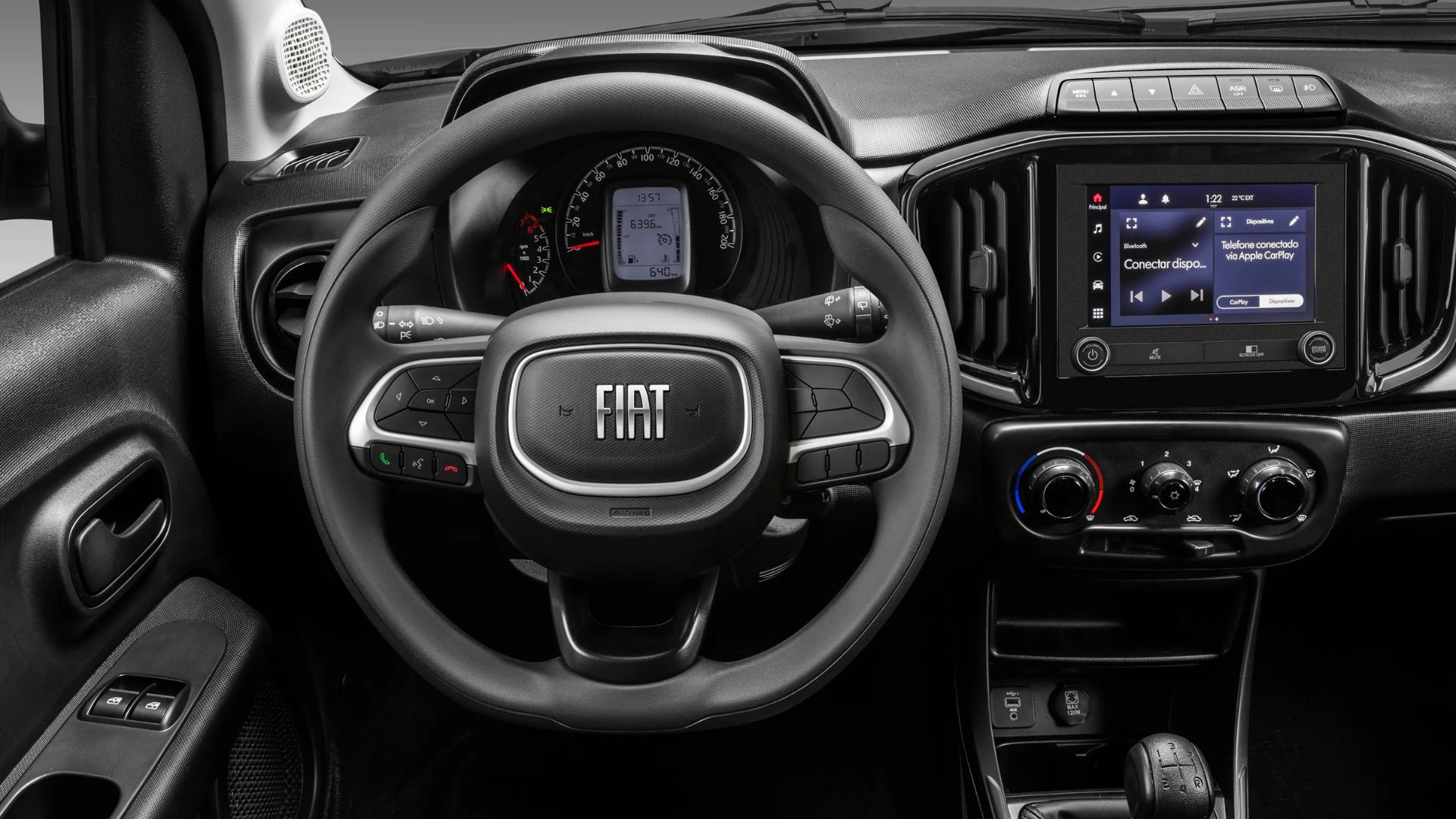
With a 1.0 engine producing 75 hp and costing less than R$ 70,000, Fiat’s car returns to the podium as the cheapest in the country; a temporary promotion for the 2026 Like version reduces the price of the Fiat Mobi.
-
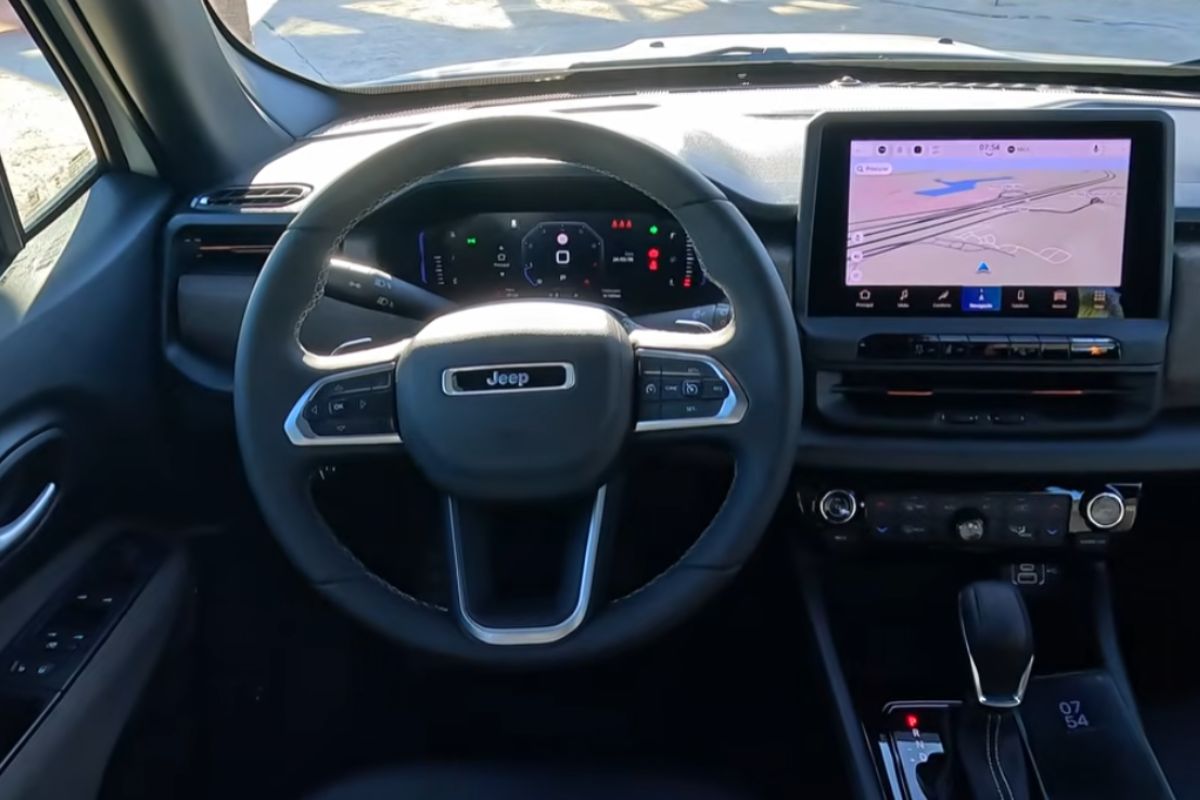
With a mild hybrid system of 48 V, 176 hp and a price of R$ 175,990 in the Sahara version, the new Jeep Renegade changes mostly on the inside, improves slightly in fuel consumption, and remains almost the same car.
-
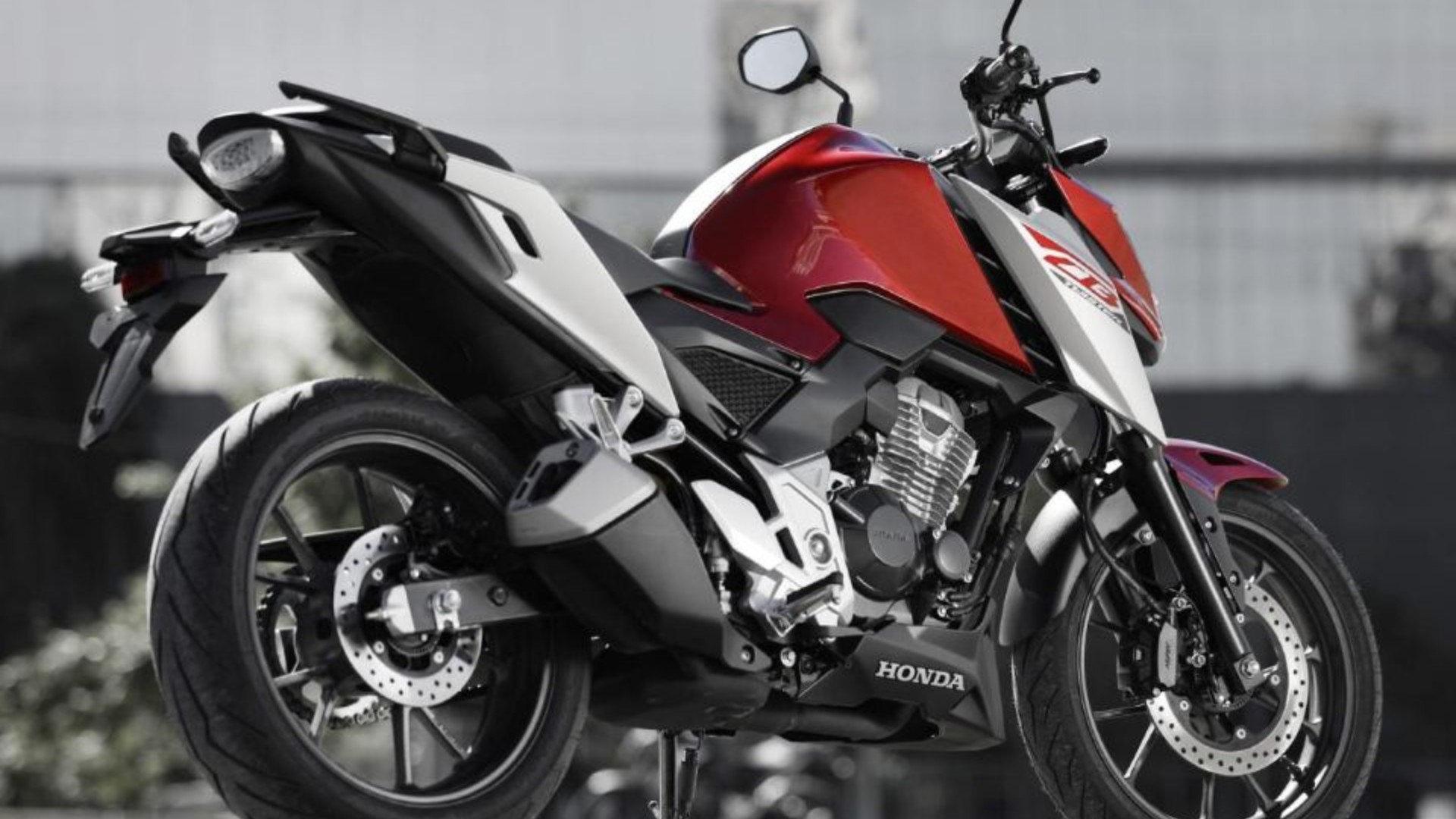
With a 293.5 cm³ engine and a range of up to 400 km with a 14.1-liter tank, the Honda CB 300F Twister 2026 has up to 24.7 hp, an initial price of R$ 25,150, and already exceeds R$ 29,000 in the Fipe Table.
-
With a 1.3 engine, nearly 700 km of range, and Turbo 200, the Fiat model surpasses Polo, Tera HB20, and Onix, becoming the best-selling car in March; see the numbers for the Fiat Strada and others.

The model is marketed in European markets, where it complies with stricter environmental regulations and faces direct competitors in the 125 cm³ segment.
Engine and Consumption of the Honda CB125F 2026
The powertrain of the Honda CB125F 2026 is a single-cylinder 124 cm³, four-stroke engine, with a single overhead camshaft (SOHC) and air cooling.

The design uses a bore of 50 mm, stroke of 63.1 mm and compression ratio of 10.0:1, a combination aimed at delivering good thermal efficiency without compromising mechanical reliability.
In this configuration, the engine develops 8 kW (about 10.9 hp) at 7,500 rpm and 10.9 Nm of torque at 6,000 rpm.
The numbers are modest, but sufficient for urban use, focusing on smooth starts, predictable responses, and controlled consumption.
The choice of air cooling keeps the package simple, eliminating the need for a water pump, radiator, and hoses, reducing complexity and maintenance costs.
Electronic Fuel Injection PGM-FI and eSP Technology
Fuel delivery is done by the PGM-FI (Programmed Fuel Injection) system, which precisely doses fuel according to load, speed, and temperature.
The engine also incorporates Enhanced Smart Power (eSP) technology, which reduces internal friction and improves overall efficiency.
Among its elements are a displaced cylinder and a piston with oil jet cooling, which help control temperature and extend component life.
With this setup, the CB125F 2026 achieves a certified average consumption of 66.7 km/l in the WMTC cycle, ensuring a range of over 730 km with the 11-liter tank.
Idling Stop System and Euro 5+ Standard
One of the highlights is the Idling Stop system, which automatically shuts off the engine during longer stops and restarts it when the clutch is engaged.
The aim is to reduce consumption and emissions in urban traffic.

The CB125F 2026 is homologated according to the Euro 5+ standard, which sets strict limits for pollutants and noise.
According to official data, the model emits about 32 g/km of CO₂ and has a noise level of 67 to 68 dB, values below the current European limits.
Transmission, Weight and Mechanical Structure
The engine works with a five-speed manual transmission, with a multi-plate oil bath clutch, designed for smoother shifts.
The final drive uses a sealed 428 chain, which requires less maintenance and offers greater resistance to corrosion.
The crankcase uses 1 liter of lubricant oil, reinforcing the proposal for simplified maintenance.
The weight of 117 kg favors fuel economy and facilitates maneuvers in urban use.
The chassis includes a diamond-type tubular steel frame, front telescopic suspension, and two rear shock absorbers with preload adjustment.
The 18-inch alloy wheels balance stability, comfort, and agility.
What Changes in Relation to the Previous Version
The CB125F underwent a significant update in 2021, when it received weight reduction, structural improvements, and elements such as a digital dashboard and LED headlight in some markets.
The 2026 version maintains these foundations and adds new features for efficiency and connectivity.

Among them are the 4.2-inch color TFT dashboard, Full LED lighting, connectivity with Honda RoadSync, and USB-C port, depending on the region.
Even with the new features, the central proposal remains focused on mechanical simplicity, reliability, and low operational costs.
Urban Vocation and Daily Use
The entire architecture of the Honda CB125F 2026 has been designed for urban mobility.
Power delivery at low and medium revs favors smooth starts.
The five-speed gearbox keeps the engine at efficient regimes, even on sections of fast roads.
Reduced consumption and the 11-liter tank minimize frequent stops for refueling, which is important for those who use the motorcycle daily.
Carefully tuned suspension for uneven surfaces, a seat height of 790 mm, and reduced weight facilitate use for riders of different profiles.
Collectively, these elements position the CB125F among the most efficient and balanced 125 cm³ motorcycles in the current European market.
With a package that combines low consumption, Idling Stop system, Full LED lighting, and a connected dashboard, how would a model with this profile be received if it were to enter the Brazilian market?








-

-

-

-

-

-

108 pessoas reagiram a isso.