





 Portuguese
  English
  Spanish
  3 min of reading
  0 comments


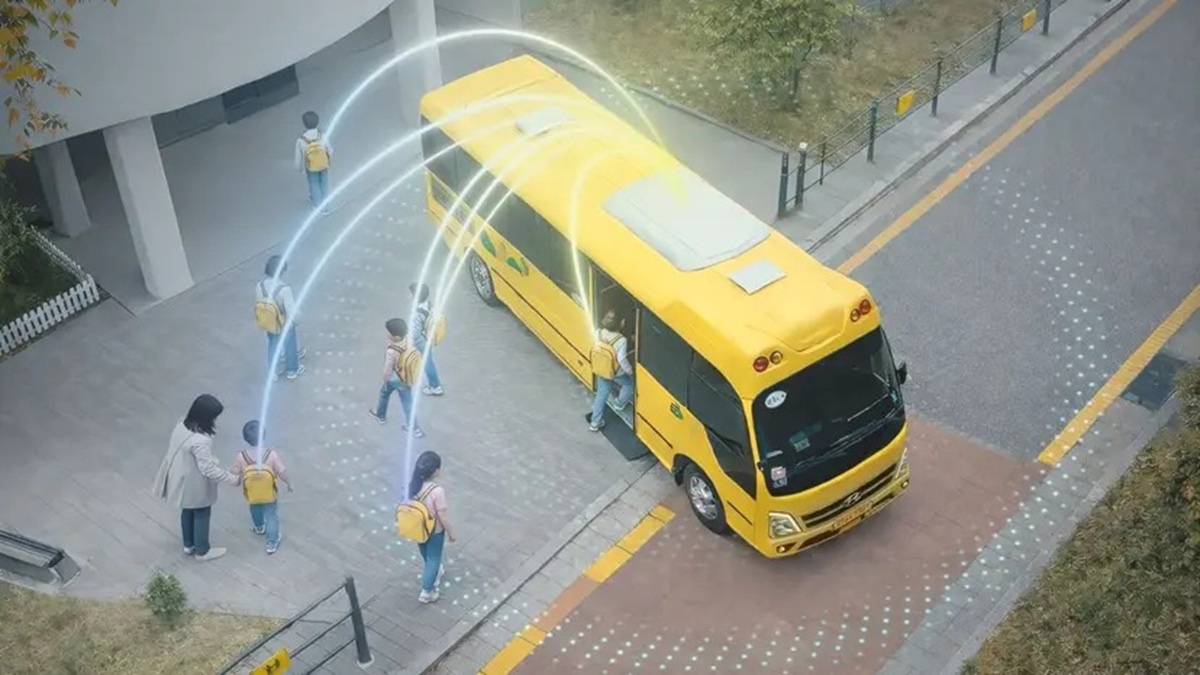
Vision Pulse Technology, Developed by Hyundai and Kia, Uses Ultra-Wideband Signals to Identify People and Vehicles Outside the Driver’s Field of View, Achieving Over 99% Accuracy, Communication in Under Five Milliseconds and Operational Range of 100 Meters, Even in Adverse Conditions
Hyundai Motor Company and Kia Corporation announced a new vehicle safety technology capable of detecting people and vehicles in blind spots with over 99% accuracy, using real-time UWB signals, enhancing safety in adverse conditions and environments with visual obstruction.
Vision Pulse Technology and Detection Beyond the Line of Sight
The South Korean automakers presented the Vision Pulse system, a solution based on ultra-wideband radio signals, known as UWB, capable of identifying the position of people and vehicles even outside the driver’s field of view.
The technology measures the signal propagation time between UWB modules installed in vehicles and nearby devices, allowing it to determine the exact location of objects around, including in situations where cameras and visual sensors have operational limitations.
-
Less than a Tera TSI, up to 710 km of range and charging in 9 minutes: the new BYD Song Ultra expands the Chinese brand’s bet on increasingly faster, more technological, and competitively priced electric SUVs.

-
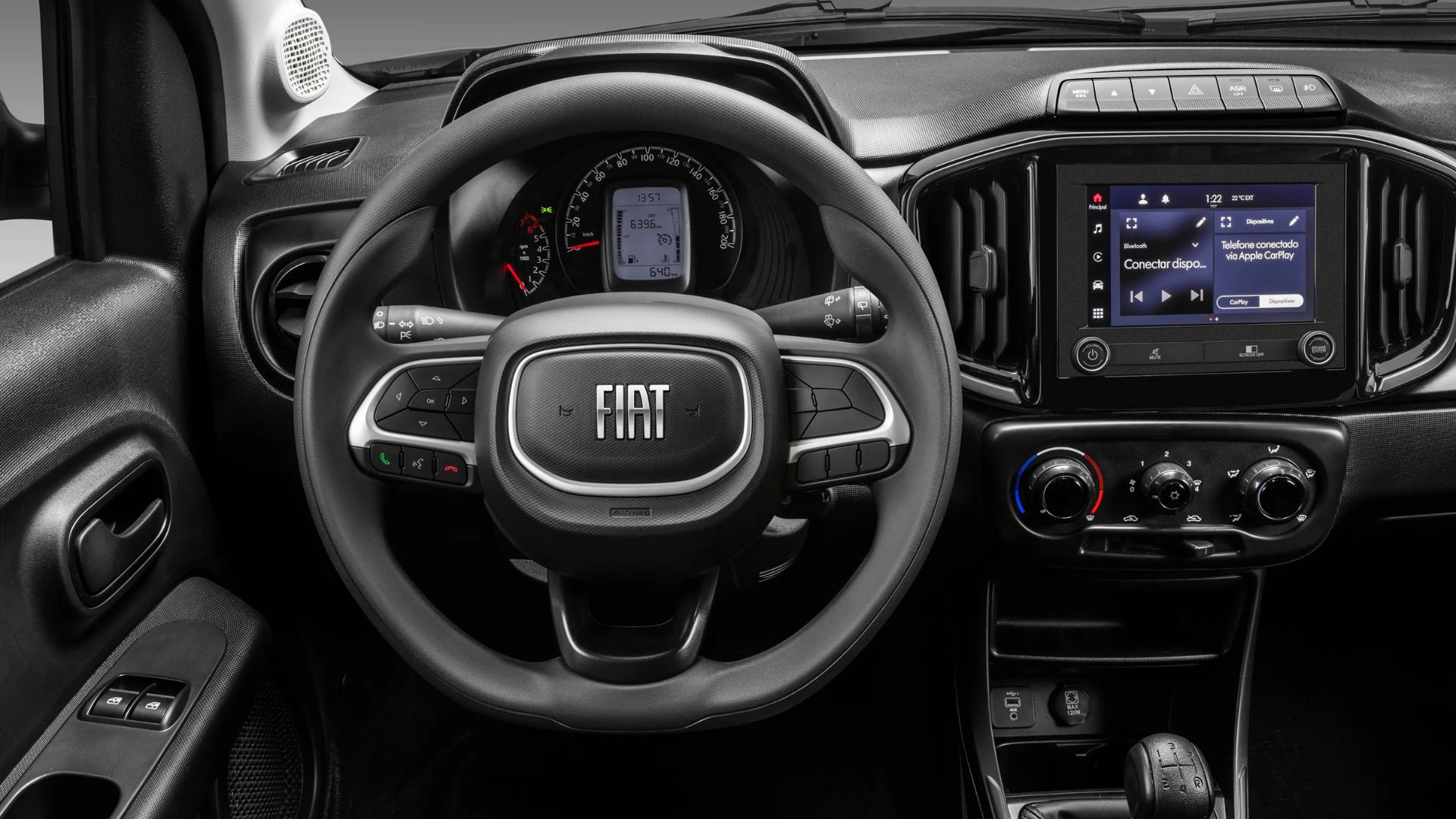
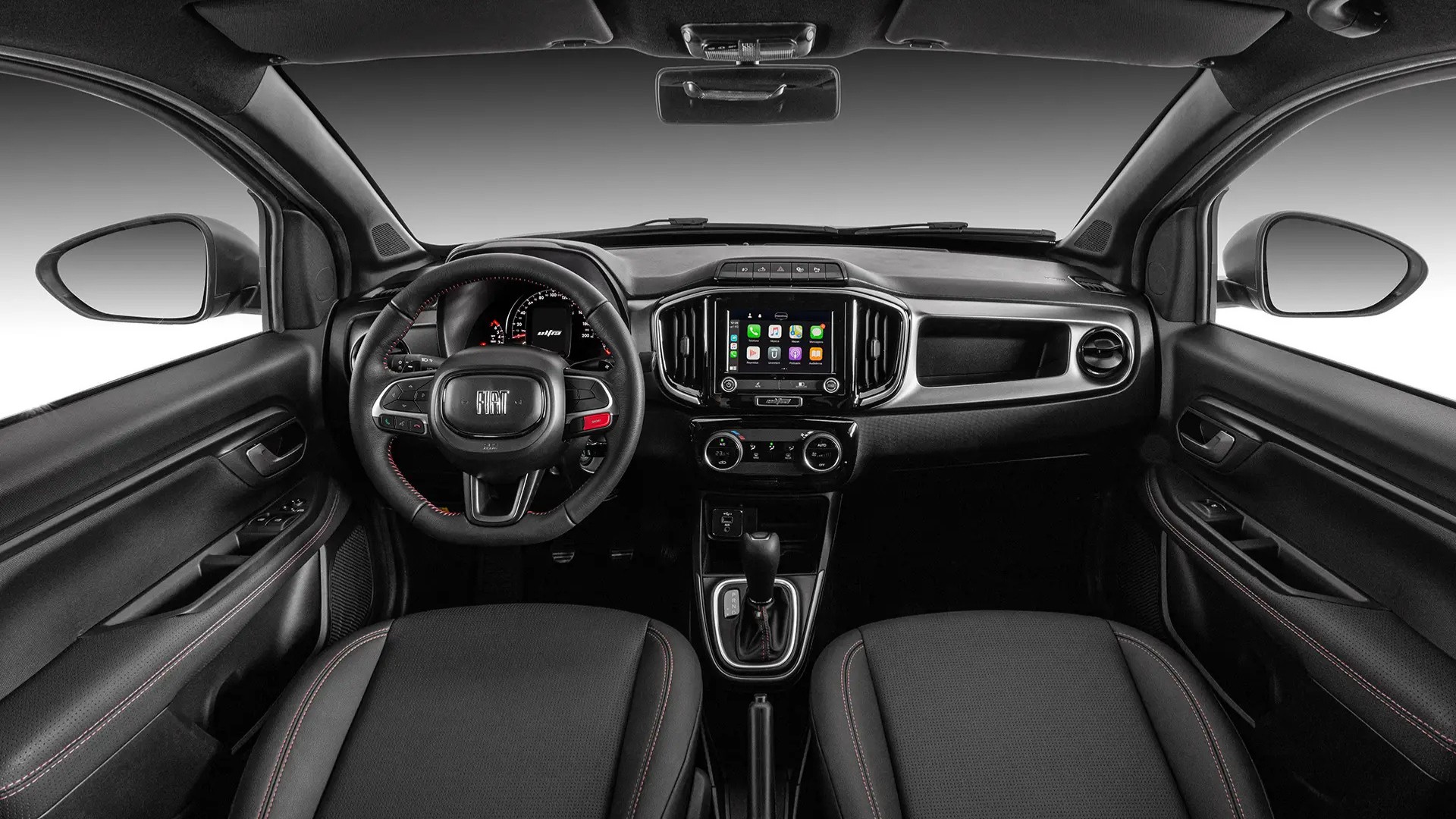
With a 1.0 engine producing 75 hp and costing less than R$ 70,000, Fiat’s car returns to the podium as the cheapest in the country; a temporary promotion for the 2026 Like version reduces the price of the Fiat Mobi.
-
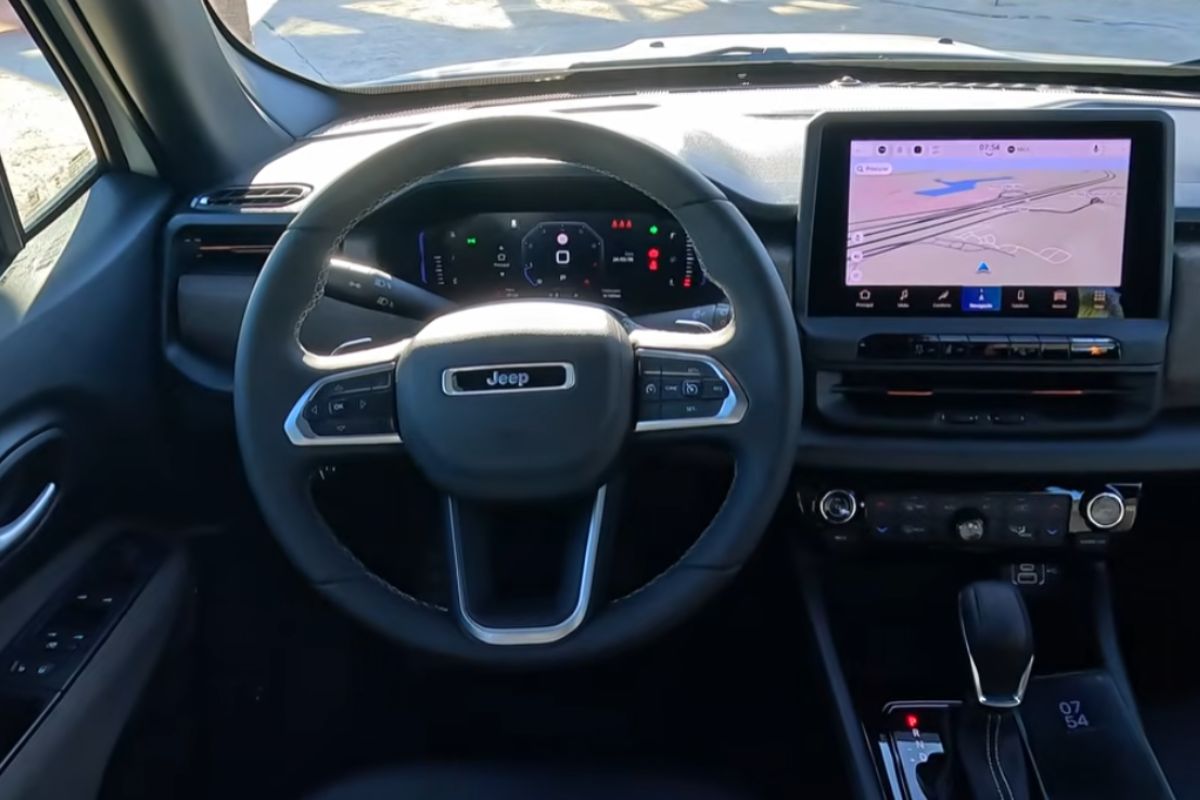
With a mild hybrid system of 48 V, 176 hp and a price of R$ 175,990 in the Sahara version, the new Jeep Renegade changes mostly on the inside, improves slightly in fuel consumption, and remains almost the same car.
-
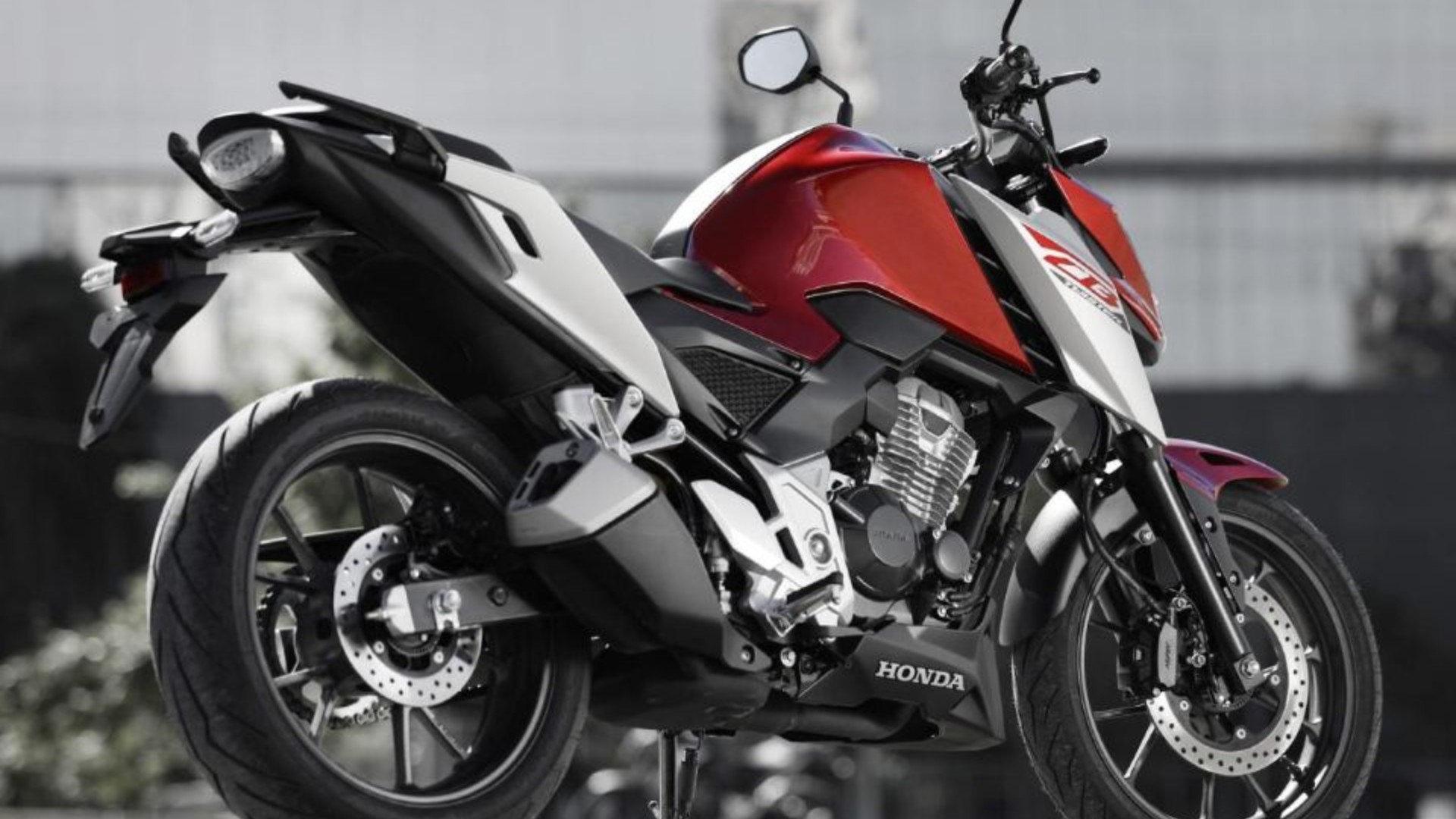
With a 293.5 cm³ engine and a range of up to 400 km with a 14.1-liter tank, the Honda CB 300F Twister 2026 has up to 24.7 hp, an initial price of R$ 25,150, and already exceeds R$ 29,000 in the Fipe Table.

According to the companies, the system achieves positional accuracy of up to four inches, equivalent to 10 centimeters, within a radius of 330 feet, or 100 meters, maintaining consistent performance even at night or under adverse weather conditions.
Accuracy, Speed, and Real-Time Response in Blind Spots
According to Hyundai representatives, Vision Pulse maintains a detection rate above 99% and communication speeds between one and five milliseconds, allowing simultaneous tracking of multiple moving objects.
This capability enables immediate alerts when the system detects a potential collision risk, reducing the likelihood of accidents and improving real-time safety management in the vehicle’s surrounding blind spots.
High accuracy is preserved even in busy intersections or areas with significant visual obstruction, where conventional sensors struggle to identify pedestrians, cyclists, or other rapidly approaching vehicles.
Integration with UWB Devices and Predictive Algorithms
Vision Pulse connects directly to UWB-enabled devices present in the environment, including smartphones, wearable devices, and compatible trackers, as long as equipped with ultra-wideband modules.
Hyundai and Kia stated that specific algorithms have been developed to predict the position of multiple objects, even as they move at high speeds around the vehicle, enhancing the technology’s effectiveness in dynamic scenarios.
These algorithms allow for anticipating movements and adjusting alerts based on likely trajectories, contributing to faster system responses in situations of imminent collision risk.
Cost, Scalability, and Use of Existing Hardware
The companies emphasize that cost and scalability are significant advantages of Vision Pulse. Some models of Hyundai and Kia already feature integrated UWB hardware through Digital Key 2, a smartphone-based vehicle key.
As a result, the system can be activated without the need for additional sensors, reducing dependence on more expensive equipment such as LiDAR and radar, and simplifying adoption in already compatible vehicles.
The operation of UWB in the gigahertz range also reduces interference from other wireless signals and offers high penetration and diffraction capacity, maintaining stable performance in complex environments.
Industrial Applications, Emergency Situations, and Ongoing Testing
In addition to driver assistance, Hyundai and Kia are exploring Vision Pulse applications in industrial mobility, such as preventing collisions between forklifts and workers in warehouses and logistics facilities.
In disaster response scenarios, the technology can be used to locate people trapped or buried under debris, leveraging its ability to detect without direct line of sight.
Practical tests have been ongoing since 2025 at Kia’s PBV Conversion Center in Hwaseong, South Korea, focusing on industrial safety. Additional pilot programs are planned with the Busan Port Authority, expanding large-scale evaluation and operational blind spots, despite occasional communication failures.





Seja o primeiro a reagir!