





 Portuguese
  English
  Spanish
  3 min of reading
  5 comments


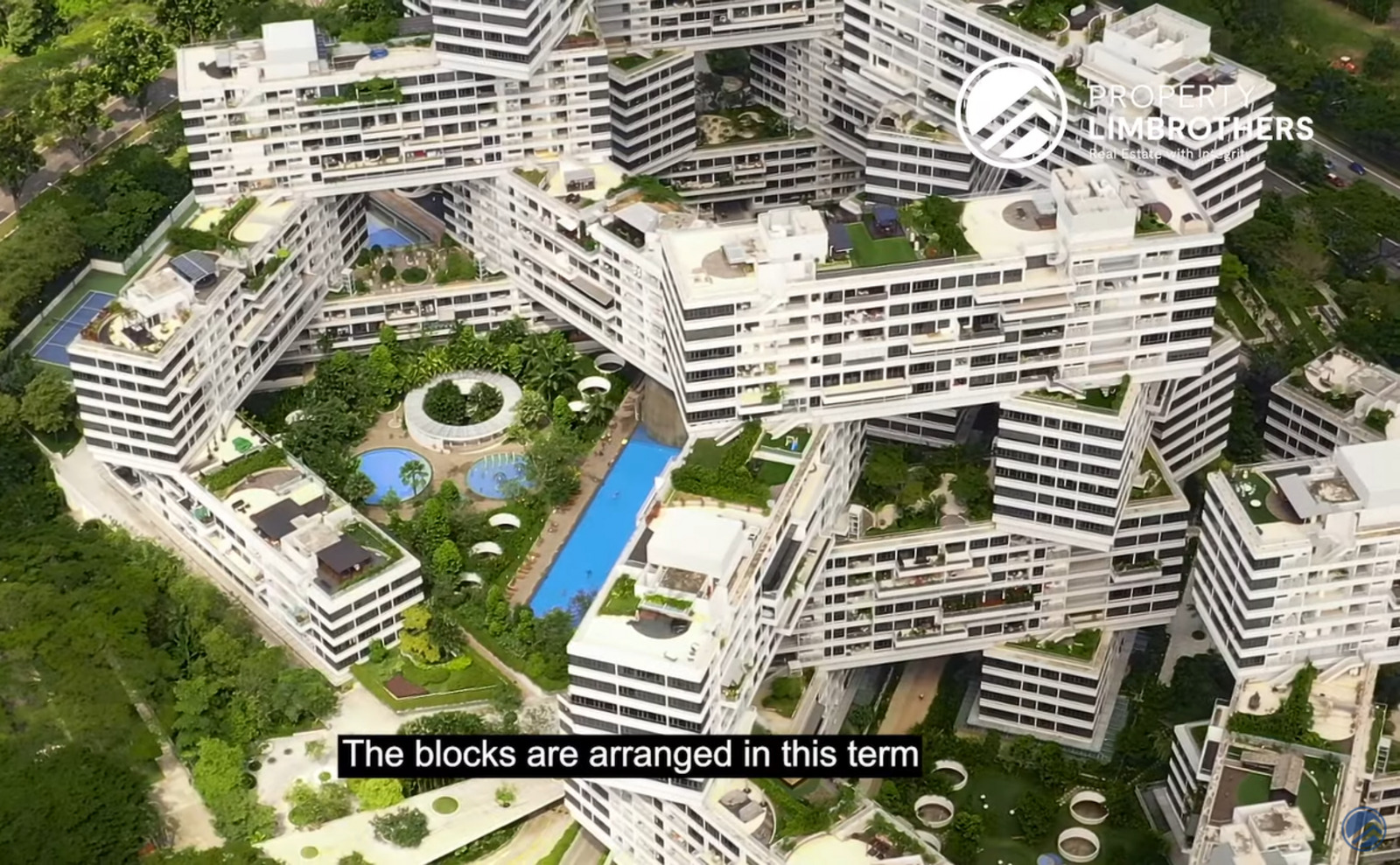


Complex With 31 Stacked Blocks Creates Vertical Village That Integrates Leisure, Nature, Sustainability, and Promotes Coexistence in a New Model of City
The Interlace, in Singapore, breaks with the traditional logic of skyscrapers and proposes a new way of thinking about life in large urban centers. With 31 stacked apartment blocks in a hexagonal shape, the residential complex designed by Ole Scheeren gained international recognition by winning the “Building of the Year” award at the World Architecture Festival.
More than a visual landmark, the project has become a symbol of architecture that places people at the center of decision-making.
A Vertical Village in Place of Towers
Instead of erecting isolated vertical towers, the architect chose to arrange the blocks horizontally, creating a structure that resembles a suspended village.
-
Goodbye iron: new technology from Xiaomi promises to revolutionize the way we iron clothes with 500 kPa steam, continuous flow of 120 g/min, heating in 65 seconds, and six smart modes for different fabrics.

-
Rio Pardo, the most mysterious city in Rio Grande do Sul: untouched Pampas castle, the missing treasure of the Devil Boy, bride’s saint, invisible tunnels, and a 200-year curse today.
-
China retires the J-7 fighter after years of military protection and can now transform military items into drones, following more than 60 years of operation of the J-7, derived from the MiG-21, with thousands of units produced and strategic use in the PLAAF and PLANAF.

-
Volunteers are sought to live in the mountains for a month: a study pays people to stay at 2,500 meters, with 24-hour monitoring of sleep, metabolism, and blood pressure.

The hexagonal arrangement results in eight large internal courtyards, allowing natural light and ventilation to circulate constantly throughout the complex.
This choice alters the experience of living at height. Instead of closed and repetitive corridors, residents coexist with open areas, wide views, and spaces that encourage casual encounters, bringing the urban routine closer to the feeling of a neighborhood.

Coexistence and Leisure as Part of Daily Life
The Interlace was designed to enhance community life. Common courtyards and terraces function as squares, where it is possible to walk, exercise, or simply relax.
The proposal is clear: transform shared areas into points of coexistence.
The infrastructure resembles that of a club, with swimming pools, tennis courts, a gym, and barbecue areas. All of this is integrated with intense landscaping, covering 112% of the land area thanks to the suspended gardens.
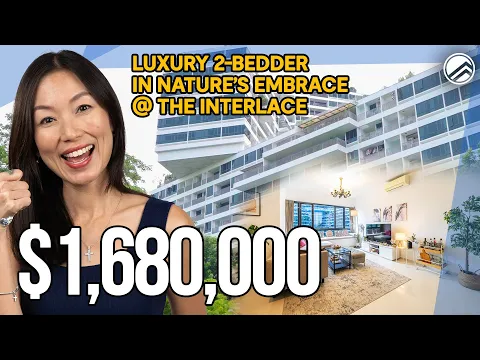
For those who want to explore these spaces in detail, the PropertyLimBrothers channel presents a complete tour of the development, highlighting the hexagonal structure and sophisticated interiors.
Sustainability and Quality of Life at The Interlace
The environmental analysis of the project indicates that the stacking form reduces solar heat gain and improves indoor air quality.
The extensive presence of green areas also helps mitigate the urban heat island effect.
Singapore is recognized as a leader in green architecture, and initiatives like this reinforce the idea that population density can coexist with well-being.
Data and guidelines on sustainable urbanism are studied globally by institutions like UN-Habitat.
A City Within a City
With 1,040 residential units, The Interlace functions as a small city. In addition to housing, it offers walking paths, sports facilities, and leisure areas, reducing the need for frequent commuting.
The aesthetics inspired by “jenga” type game blocks draws attention in the landscape and reinforces that residential architecture can be functional and bold at the same time.
The project shows how new spatial solutions can redefine the future of urban communities without compromising comfort and integration.
Information from BMC News.







Matéria até interessante, mas cadê as imagens? Só tinha uma unica foto? Nem Google imagens conseguiu ajudar?
Arq.futuristica maravilha
.
Excelente matéria, com vontade política muito pode ser feito em busca da qualidade de vida e da sustentabilidade.