





 Portuguese
  English
  Spanish
 6 min of reading
  0 comments


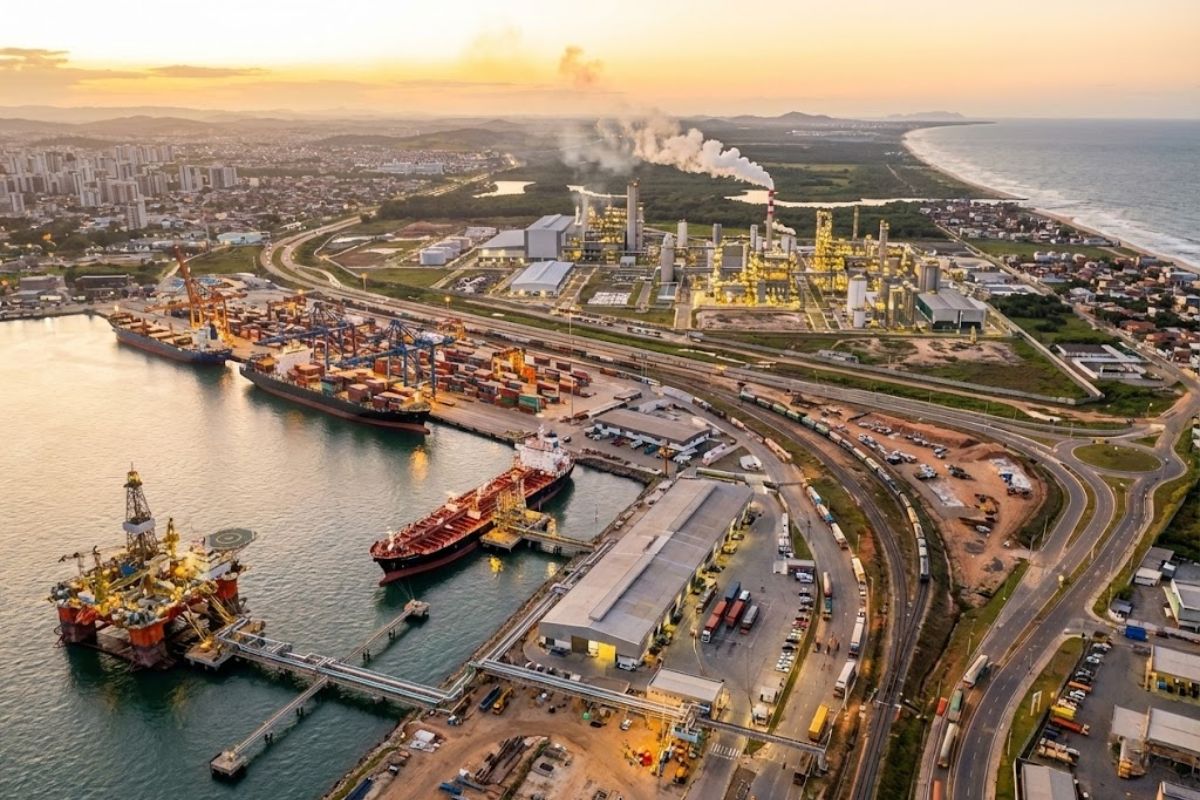
Findes Survey Projects Investments of R$ 106 Billion in Espírito Santo by 2029, Driven by Oil and Gas and Infrastructure, with Highways, Sanitation, Energy, and Ports. The Industry Concentrates R$ 65.4 Billion. Serra Leads with R$ 11.9 Billion and Presidente Kennedy with R$ 9.7 Billion and 11 Billion-Dollar Cities.
The projection from the Federation of Industries of Espírito Santo (Findes) indicates that the State is expected to receive R$ 106 billion in investments by 2029, focusing on oil and gas extraction and infrastructure such as highways, sanitation, and ports. Of the total, R$ 65.4 billion, equivalent to 61.6%, remains in the industry, concentrating the volume of investments in energy and industrial transformation chains.
In the municipal breakdown, 11 of the 78 municipalities show more than R$ 2 billion in investments and together account for 50% of the total planned for the State. Serra leads with R$ 11.9 billion, followed by Presidente Kennedy with R$ 9.7 billion, while the detailed list also includes Anchieta, Aracruz, Vitória, Cariacica, Vila Velha, Itapemirim, Piúma, Marataízes, and Linhares, comprising the ranking that guides the reading by city.
What Changes with R$ 106 Billion in Investments by 2029

The total volume of investments reported for Espírito Santo by 2029 is R$ 106 billion, distributed among industrial projects and infrastructure works.
-
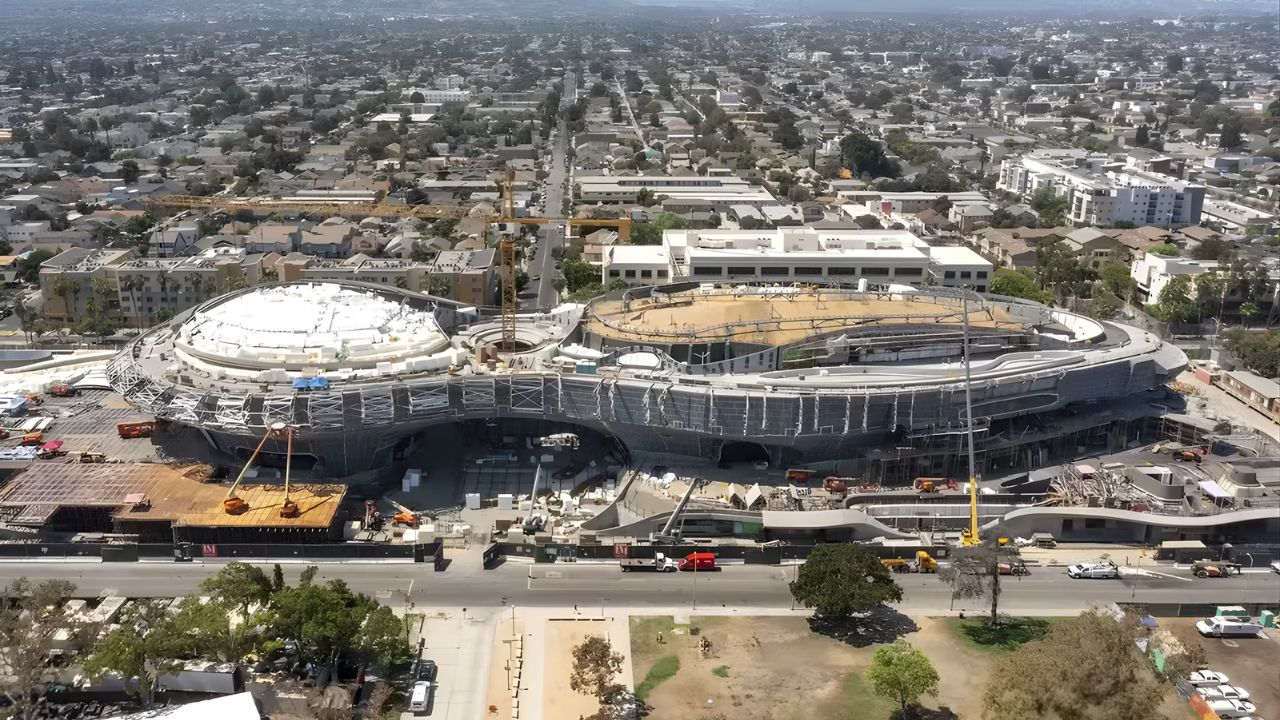
Created by George Lucas with over $1 billion, a futuristic museum in the shape of a spaceship with 1,500 curved panels is about to open in Los Angeles and will house one of the largest private collections of narrative art in the world.
-
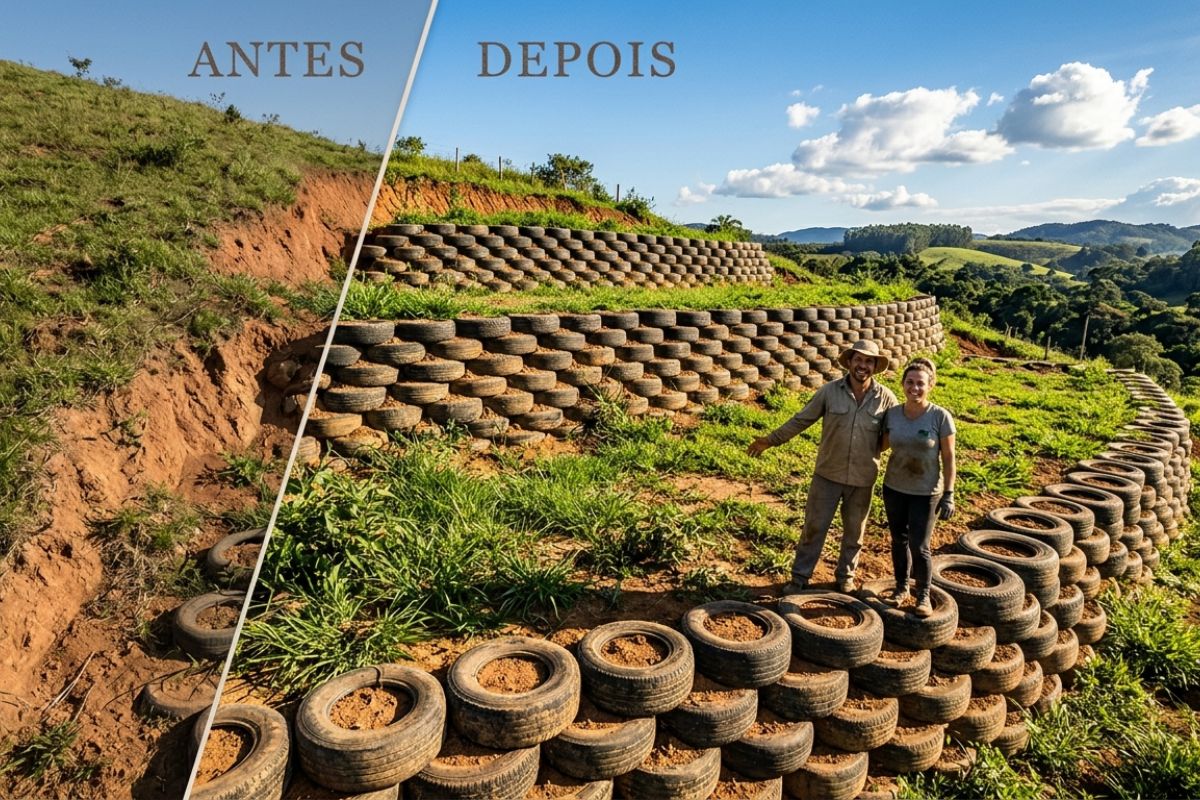
Couple shows how they built a retaining wall on their property using 400 old tires: sloped land turned into plateaus, tires are aligned, filled, and compacted with layers of soil, with grass helping in support and at almost zero cost.
-
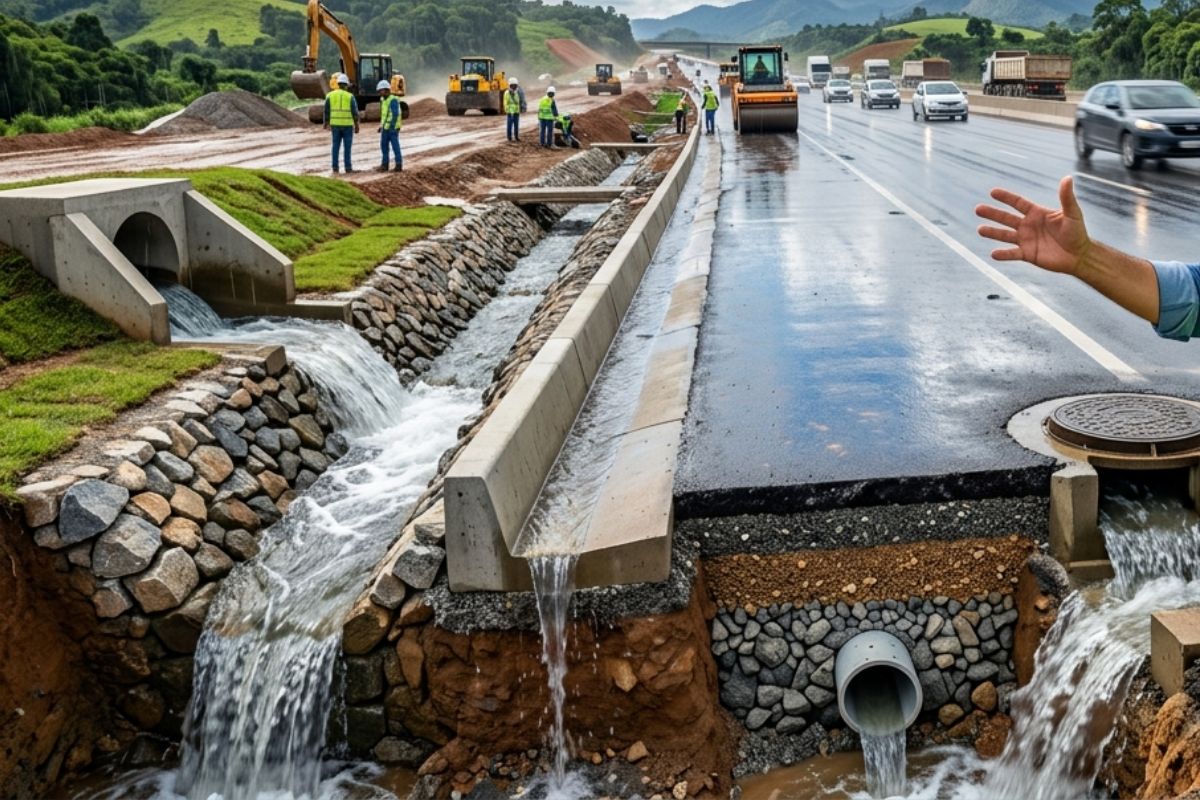
Engineer explains drainage during the rainy season: the difference between surface water and deep water, ditches, gutters, and water outlets on the road, as well as drains and drainage mattresses, to prevent erosion, aquaplaning, and flooding at the construction site today.
-
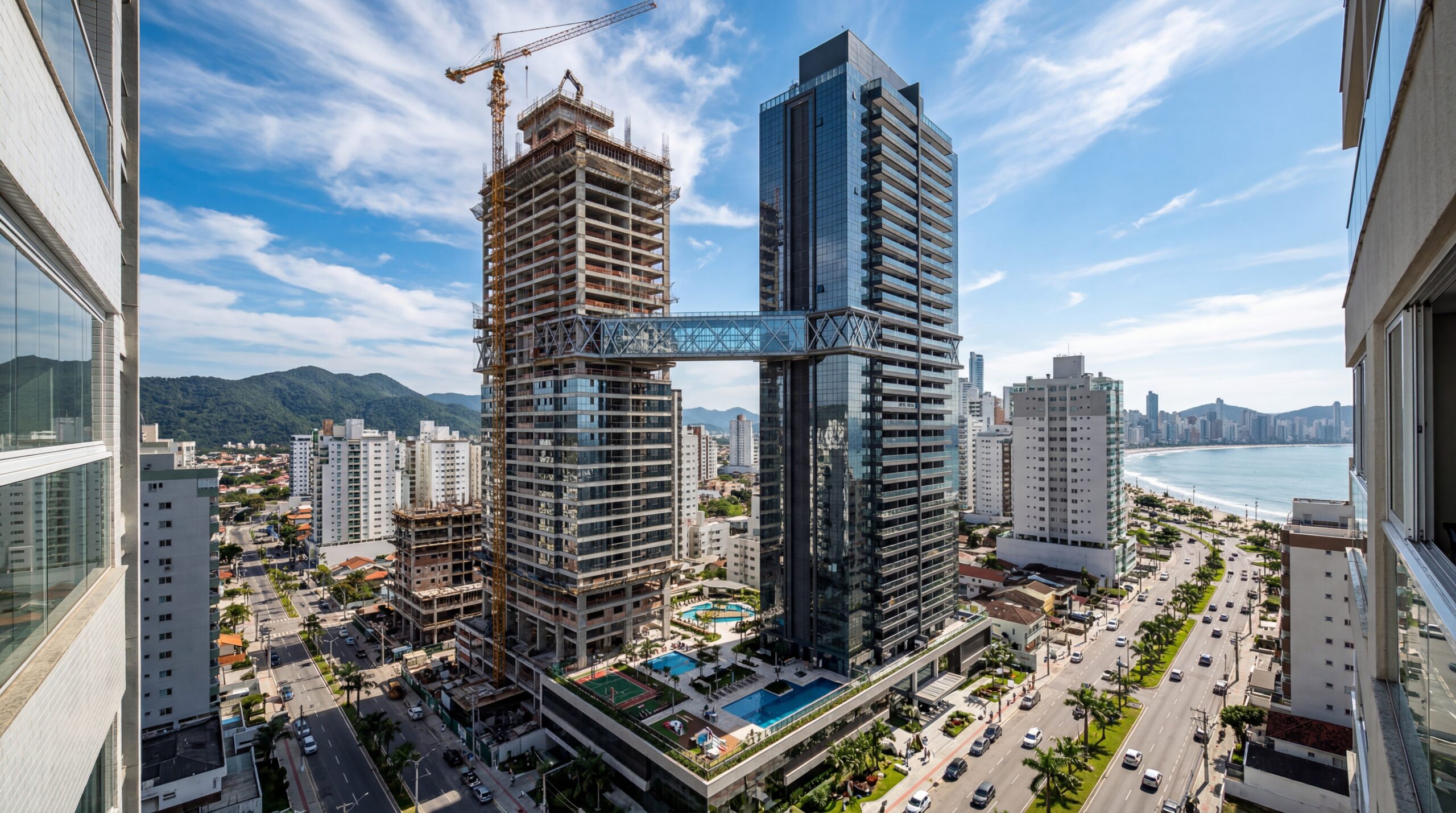
With 55 floors, 177 meters in height, a 15-meter walkway between the twin towers, ventilated facade, and 6,300 m² of leisure space, Ápice Towers already has one tower completed and another nearly at the top.

The sectoral reading indicates that the majority of investments are concentrated in the industrial sector, with R$ 65.4 billion, equivalent to 61.6% of the total.
The published list details investments associated with oil and natural gas extraction, metallurgy, metallic minerals extraction, and specific industrial segments.
Meanwhile, investments in infrastructure that connect highways, sanitation, energy and gas, ports, and airports appear, forming the physical base for flow and services.
Investments by Sector and the Weight of Oil and Gas
Among the investments by sector, oil and natural gas extraction leads with R$ 43.7 billion.
Next, metallurgy appears with R$ 7.4 billion, metallic minerals extraction with R$ 5.3 billion, food products manufacturing with R$ 1.9 billion, and the manufacturing of machinery, equipment, and electrical materials with R$ 1.0 billion.
This composition helps explain why industrial investments dominate the total: oil and gas serve as a capital-intensive axis, while metallurgy and mining complete the investment map with transformation and base projects.
Investments in Infrastructure: Highways, Sanitation, Energy, and Ports
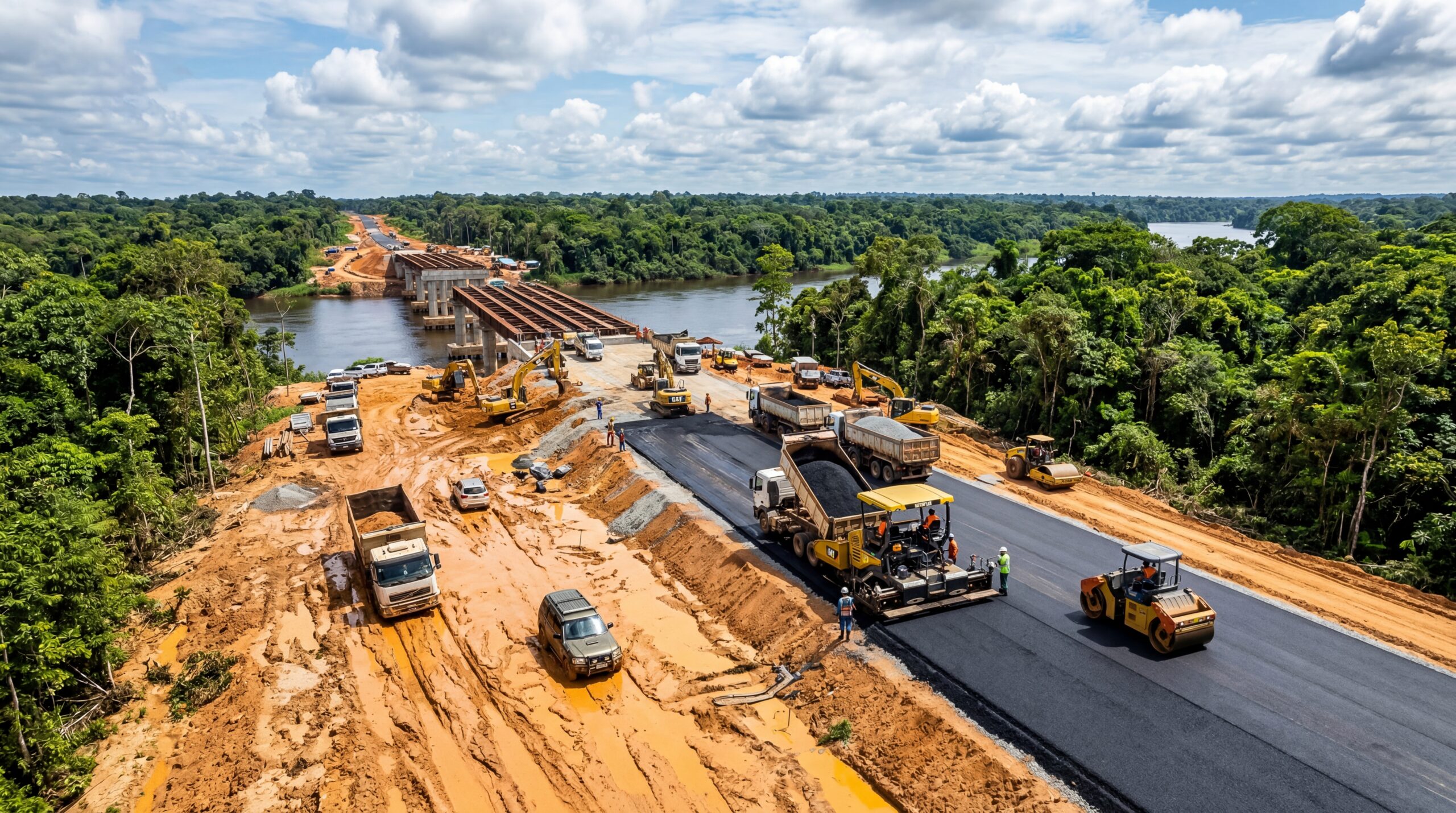
In the infrastructure investment block, highways account for R$ 16.9 billion and sanitation concentrates R$ 8.1 billion.
Energy and gas appear with R$ 7.3 billion, ports with R$ 6.5 billion, and airports with R$ 76.5 million.
Investments in infrastructure are presented as part of the same expansion cycle because they support logistics, mobility, and services that enable industrial investments.
The combination of highways and ports tends to guide the flow, while sanitation and energy reinforce the capacity for urban and industrial service.
Municipal Ranking: 11 Cities Above R$ 2 Billion in Investments
The breakdown by municipality indicates 11 cities with more than R$ 2 billion in investments, accounting for 50% of the total planned for Espírito Santo.
Serra leads with R$ 11.9 billion and Presidente Kennedy appears with R$ 9.7 billion.
Following the municipal ranking, Anchieta is listed with R$ 6.2 billion, Aracruz with R$ 5.7 billion, Vitória with R$ 3.4 billion, Cariacica with R$ 3.1 billion, Vila Velha with R$ 2.8 billion, Itapemirim with R$ 2.7 billion, Piúma with R$ 2.7 billion, Marataízes with R$ 2.4 billion, and Linhares with R$ 2.0 billion.
A point of attention is that the opening of the survey cites Aracruz with R$ 6.2 billion, while the detailed table places R$ 6.2 billion in Anchieta and R$ 5.7 billion in Aracruz.
For a technical reading of investments by city, the ranking above follows the values presented in the municipal breakdown.
Largest Investors and the Concentration of Corporate Investments
The list of largest investors in Espírito Santo is led by Petrobras, with R$ 35 billion.
Next are Ecovias Capixaba with R$ 10.3 billion, DER ES with R$ 6.3 billion, ArcelorMittal with R$ 5.7 billion, GS Inima with R$ 5.2 billion, and EDP with R$ 5.0 billion.
The block also includes Prio with R$ 4.6 billion, BW Energy with R$ 4.0 billion, Samarco with R$ 3.5 billion, Imetame Logística with R$ 3.0 billion, Porto Central with R$ 2.6 billion, Private Construtora with R$ 2.5 billion, Vale with R$ 1.9 billion, Acciona with R$ 1.8 billion, Grupo Simec with R$ 1.5 billion, Nestlé Garoto with R$ 1.08 billion, and ES Gás with R$ 1.0 billion.
This snapshot indicates that investments combine energy, logistics, heavy industry, and sanitation, with a strong emphasis on oil and gas projects and road infrastructure.
Industrial Investments in Focus: Projects Driving the Volume
In the detailed breakdown of industrial investments, Petrobras appears with the Investment Plan in the State, including the Integrated Project of the Baleias Park, with the installation of the FPSO Maria Quitéria platform, totaling R$ 35.0 billion.
Prio is mentioned with the development of the Wahoo project, worth R$ 4.9 billion. BW Offshore appears with oil exploration from the Camarupim and Golfinho fields, with R$ 4 billion.
ArcelorMittal is listed with the implementation of a cold strip mill and a continuous coating line, worth R$ 3.8 billion.
Samarco enters with operational resumption of R$ 3.5 billion. Imetame appears with the construction of Imetame Porto Aracruz, worth R$ 3.0 billion.
Porto Central is cited with the construction of phase 1 of Porto Central, worth R$ 2.6 billion.
The list also includes ArcelorMittal with an Environmental Commitment Agreement of R$ 1.9 billion, Vale with the implementation of two green briquette plants of R$ 1.9 billion, Grupo Simec with the expansion and modernization of the industrial park of R$ 1.5 billion, and Nestlé with the modernization of Chocolates Garoto in Vila Velha worth R$ 1.08 billion.
ES Gás appears with gas network expansion plans of R$ 1.0 billion. In addition, there are investments from the Consórcio Navegantes with a liquid bulk terminal in the Port of Vitória of R$ 550 million, Marcopolo with production capacity expansion in São Mateus of R$ 260 million, Biomasstrust with a pellet factory worth R$ 250 million, Maratá with a coffee processing factory in Linhares worth R$ 180 million, and WEG with modernization and production capacity expansion worth R$ 178 million.
How to Read the Investment Map by City and by Sector
The set of investments until 2029 allows for two complementary readings.
The first is sectoral: oil and gas lead investments and pull a significant share of the industrial volume.
The second is territorial: investments are concentrated in a few municipalities, with Serra and Presidente Kennedy at the top and a group of cities with billion-dollar amounts that account for half of the total.
For public tracking, the practical utility of this survey is to compare infrastructure investments, such as highways, sanitation, and ports, with industrial investments announced by large companies.
When both blocks move together, the State gains execution capacity and attraction for new projects.
Espírito Santo is forecasted to receive R$ 106 billion in investments by 2029, with 61.6% of the total concentrated in industry and a strong focus on oil and gas.
In the municipal breakdown, 11 cities account for 50% of the volume and position Serra and Presidente Kennedy as leaders in the investment ranking.
For readers following regional economics, the next step is to observe which investments move from announcement to execution schedule, especially in highways, sanitation, ports, and industrial projects related to oil and gas.
Which of these investments do you consider most decisive for changing the Capixaba economy by 2029: highways, sanitation, ports, or oil and gas projects?








-

Uma pessoa reagiu a isso.