





 Portuguese
  English
  Spanish
  4 min of reading
  0 comments


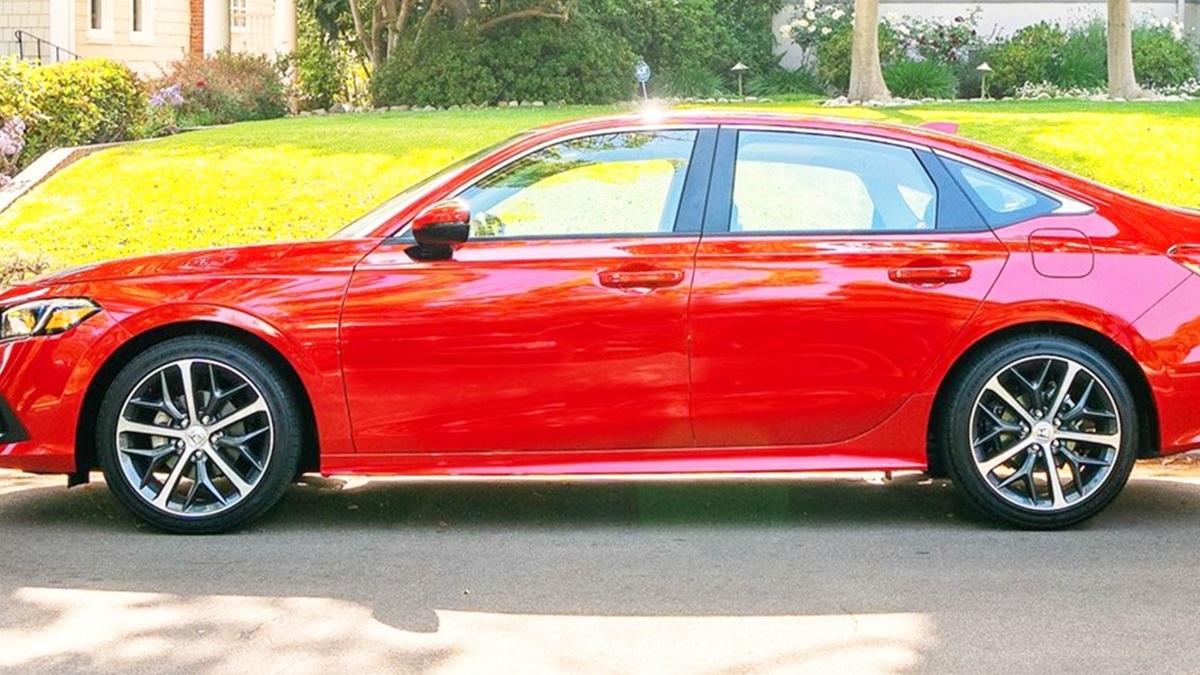
Even with five decades of history, more than 27 million units produced and technical advances such as the hybrid and:HEV system with 41% thermal efficiency, the Honda Civic continues in 2025 distant from the Toyota Corolla in the Brazilian market, which maintains broad leadership in sales in the medium sedan segment
Launched in July 1972, the Honda Civic became one of the most important models in the automotive industry, with 27 million units sold in 50 years, continuous technological evolution, and, in 2025, commercial performance in Brazil far inferior to that of the Toyota Corolla in the medium sedan segment.
Origin of the Honda Civic and the Commitment to Global Efficiency
Since its debut as a two-door compact sedan, the Honda Civic was conceived as a “car for the world,” focusing on energy efficiency and technological innovation. The model quickly stood out for its low fuel consumption and the proposal to serve distinct markets.
The major milestone was the CVCC engine, capable of meeting California’s stringent emission standards without using a catalytic converter.
-
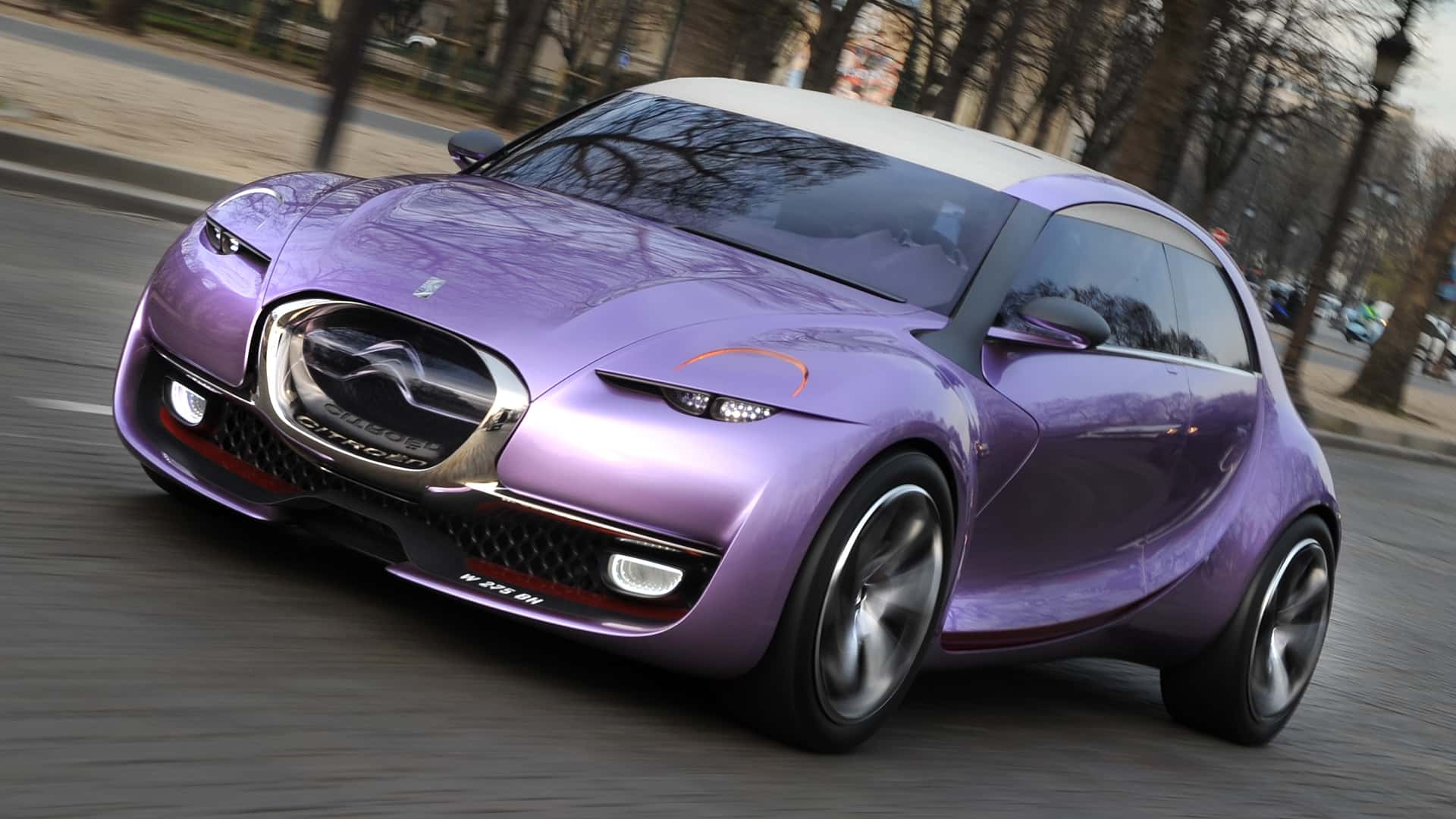
After decades out of the spotlight, Citroën is preparing to bring back the legendary 2CV as a low-cost electric vehicle, betting on the revival of one of the most popular cars in history and aiming to enter the race for affordable compact cars.
-
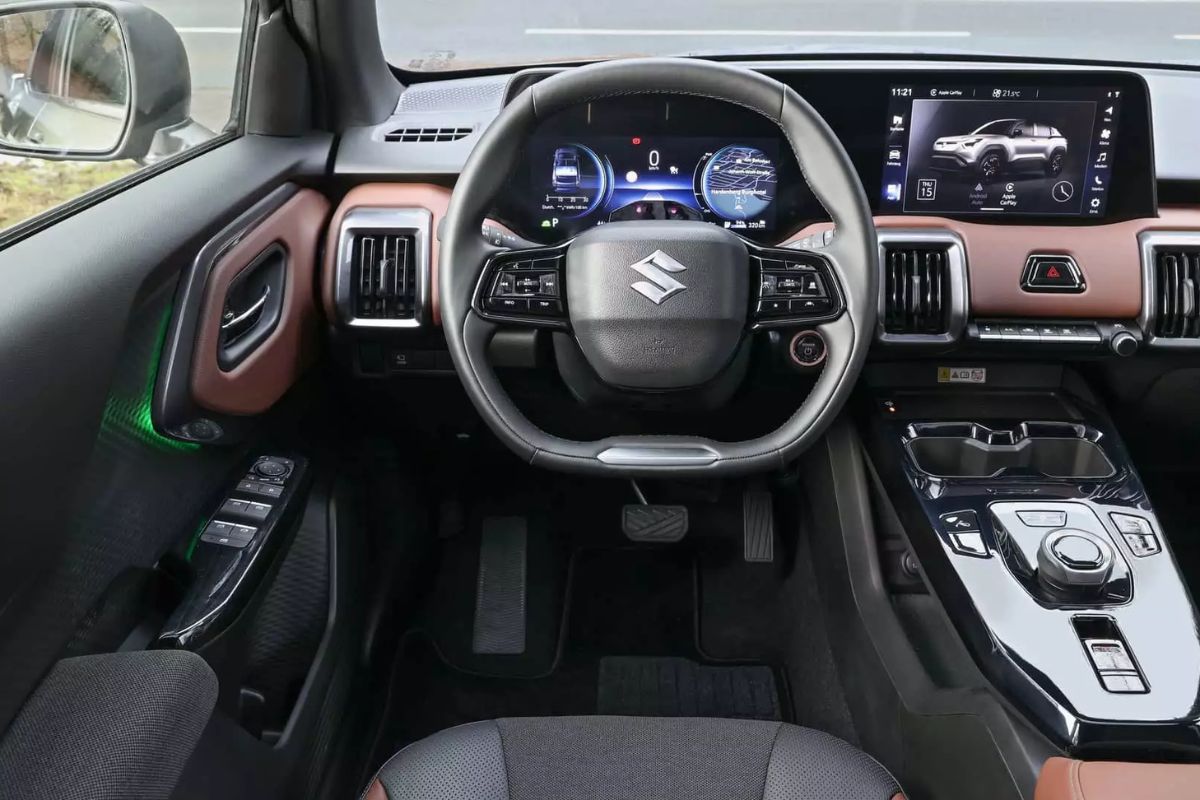
The 2026 electric Vitara arrives in Brazil and proves that Suzuki is not leaving: 4×4 traction, 184 hp, 61 kWh LFP battery, 293 km range, R$ 259,000, and a trunk capacity of 224 L.
-
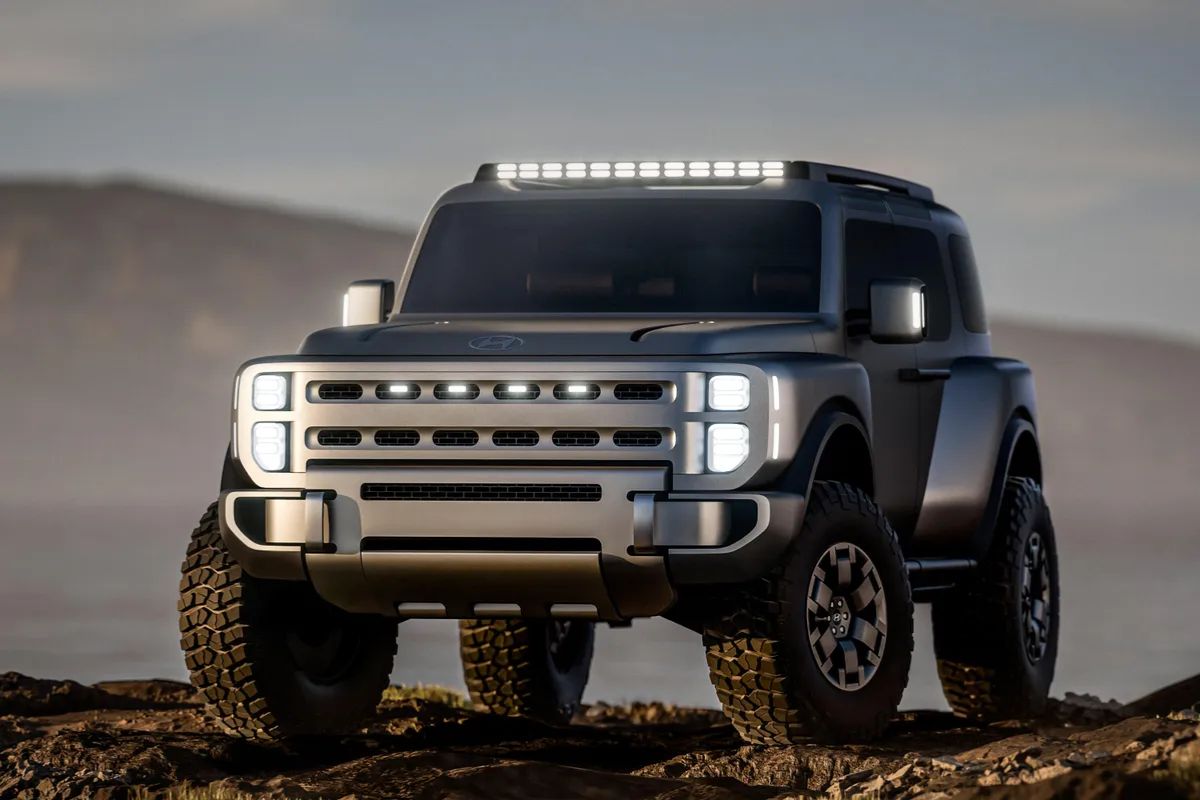
Hyundai has unveiled the Boulder, a square SUV with a body-on-frame design, 37-inch mud tires, and carriage-style doors that seems to be made to take on the Ford Bronco and the Scout Traveller in the United States.
-
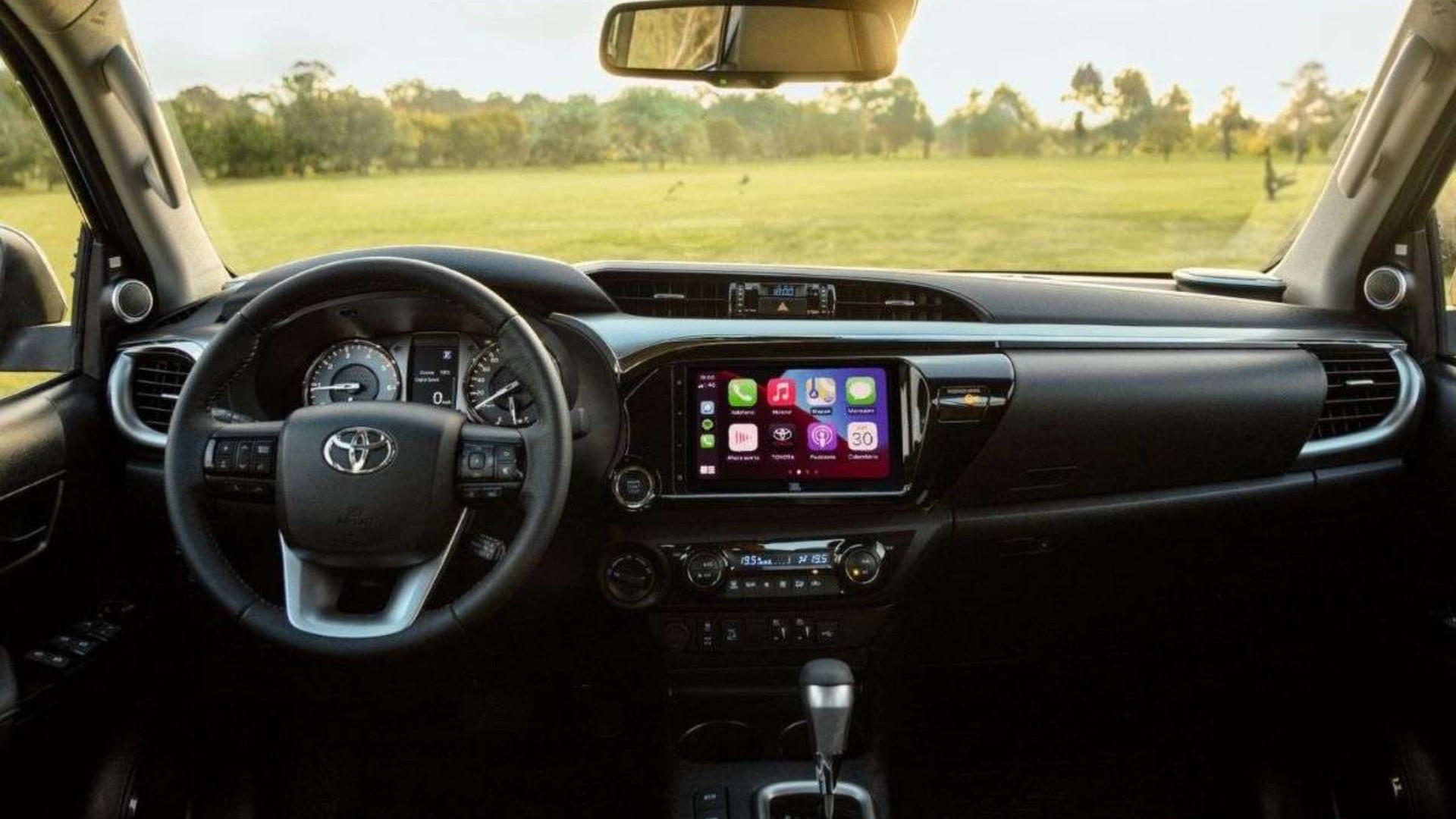
The Toyota Hilux is R$ 75.5 thousand cheaper and bets on the 2.8 turbodiesel engine with up to 204 hp and 50.9 kgfm to catch up with the VW Saveiro, which leads with 4,472 sales.

This technical solution projected the Civic internationally and consolidated Honda’s image as a manufacturer focused on efficient engineering.
Shortly after launch, the Civic expanded its range of body styles, including hatchback and station wagon. Simultaneously, it incorporated mechanical innovations such as the Hondamatic automatic transmission, broadening its presence in the United States, Europe, and Asia.
In just four years, the model surpassed the milestone of one million units sold globally. This initial performance laid the foundation for the Civic’s longevity and its consolidation as one of the most recognized vehicles of the Japanese brand.
Evolution by Generations and Technology Milestones
Over the decades, the Civic underwent successive generations, keeping pace with regulatory changes and technological advancements. The first generation, launched in 1972, stood out for its compact concept, efficiency, and recognition as Car of the Year in Japan for three consecutive years.
In 1995, the sixth generation played a significant role by introducing 1.6L engines combined with CVT transmissions, paving the way for more advanced efficiency solutions. This transition was crucial for the arrival of hybrid versions in the early 2000s.
The year 2001 marked the introduction of the first Honda Civic hybrid available to the general public in North America. The initiative positioned the model as a precursor to electrification even before the topic gained global scale in the automotive sector.
By 2021-2022, the eleventh generation presented the Civic e:HEV, equipped with a 2.0L Atkinson cycle engine, a 1 kWh battery, and a thermal efficiency of 41%. The model was recognized as North America Car of the Year.
Features of the Hybrid Civic in the 11th Generation
In its current configuration, the Honda Civic hybrid evolved into a longer vehicle, measuring approximately 4.52 meters in length. The design adopts sportier lines while maintaining a focus on drivability and dynamic behavior in urban and highway driving.
From the base version, the model offers hybrid technology, with an estimated power of 184 hp. The declared combined consumption varies between 4.7 and 5.0 l/100 km, while CO₂ emissions range from 108 to 114 g/km, according to homologation.
The interior is described as spacious, with high-quality finishes and a generous offering of equipment. Despite the technical advancement, the greater focus on dynamics results in slightly higher consumption than that of its main direct competitor.
Even with these features, the Civic maintains the proposal of efficiency combined with innovation, reinforcing the trajectory started back in the 1970s, now adapted to the demands of contemporary hybrid mobility.
Direct Comparison with the Toyota Corolla Hybrid
The Civic’s main competitor is the Toyota Corolla, recognized in the market for its economy, reliability, and practicality. The Corolla hybrid measures about 4.37 meters in length, making it more compact than the Civic in the current generation.
The Toyota model offers two power options, 140 hp and 196 hp, with fuel consumption ranging between 4.4 and 4.7 l/100 km. CO₂ emissions range from 100 to 106 g/km, positioning it as a benchmark in efficiency in the segment.
These numbers help explain Brazilian consumer preference for the Corolla, especially in a context of operational costs and pursuit of lower consumption, decisive factors in the medium sedan market.
Sales in Brazil in 2025 and Market Context
In 2025, the commercial performance of both models in Brazil showed a significant difference. The Toyota Corolla accumulated about 30,898 units sold, maintaining segment leadership even in the face of production challenges and growing competition.
The registration data, compiled from reports by Fenabrave and final rankings by model, were released by Noticias R7. The result solidified the Corolla as the leading medium sedan in the country in 2025.
In the same period, the Honda Civic recorded approximately 1,111 units sold in Brazil. The volume is significantly smaller but still relevant within a specific niche of the segment, reflecting a more restricted positioning.
The Civic’s more modest performance was influenced by factors such as price, the availability of hybrid versions, and internal and external competition. Nevertheless, the model remains a symbol of efficiency and innovation, even selling less than its direct rival.








-

-

-

-

-

-

189 pessoas reagiram a isso.