





 Portuguese
  English
  Spanish
 4 min of reading
  0 comments


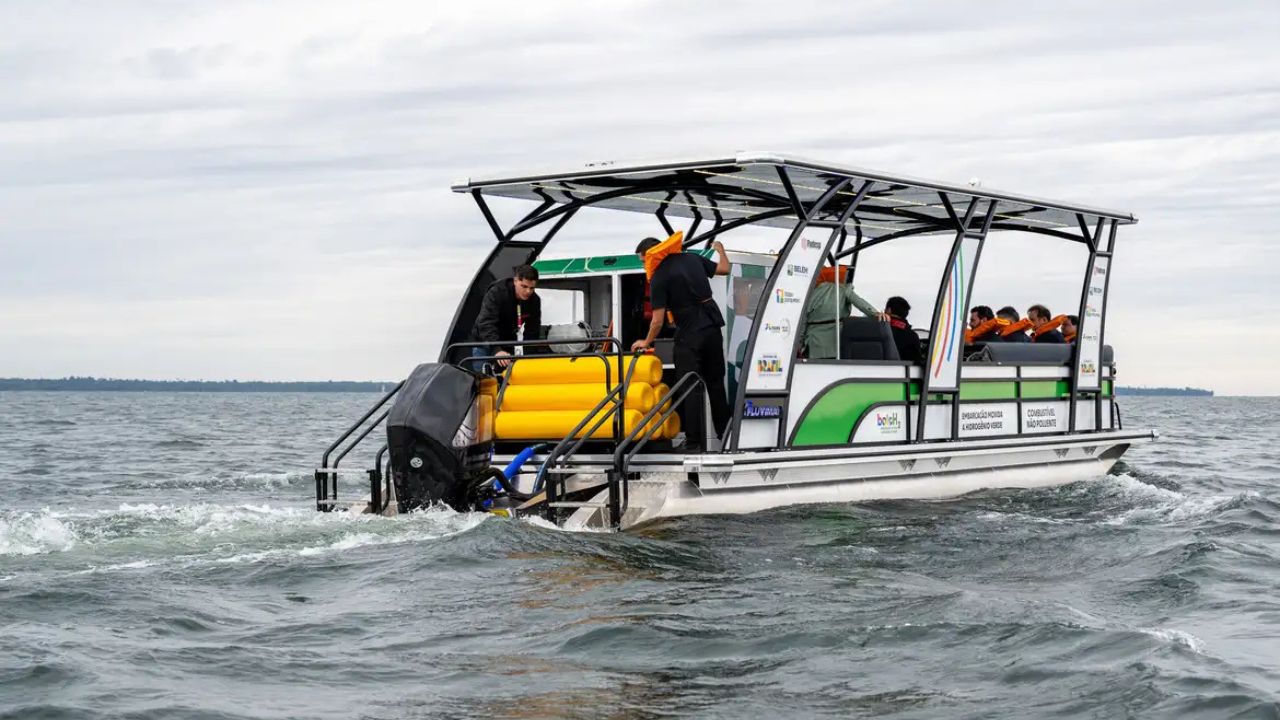
Itaipu and Parquetec Advance in Energy Transition with Tests of Brazil’s First Green Hydrogen Powered Boat, Highlighting Sustainable Innovation Ahead of COP30 and New Directions for Clean Mobility
On October 7, 2025, Itaipu Binacional and Itaipu Parquetec presented Brazil’s first 100% green hydrogen powered boat, marking a decisive step forward in the energy transition and the promotion of clean mobility.
The vessel was tested at the Itaipu dam reservoir in Foz do Iguaçu and will be officially delivered during COP30, which will take place in Belém from November 10 to 21.
Itaipu’s Technological Innovation: A National Milestone
The launch of the hydrogen-powered boat marks a turning point in Brazilian sustainable technology. Developed based on over a decade of research by Itaipu Parquetec, the project combines innovation and social-environmental responsibility.
-
China bets on the Fishery-PV model and transforms fish farms into giant solar plants, covering ponds with panels that generate energy while utilizing the same space for large-scale aquaculture production.

-
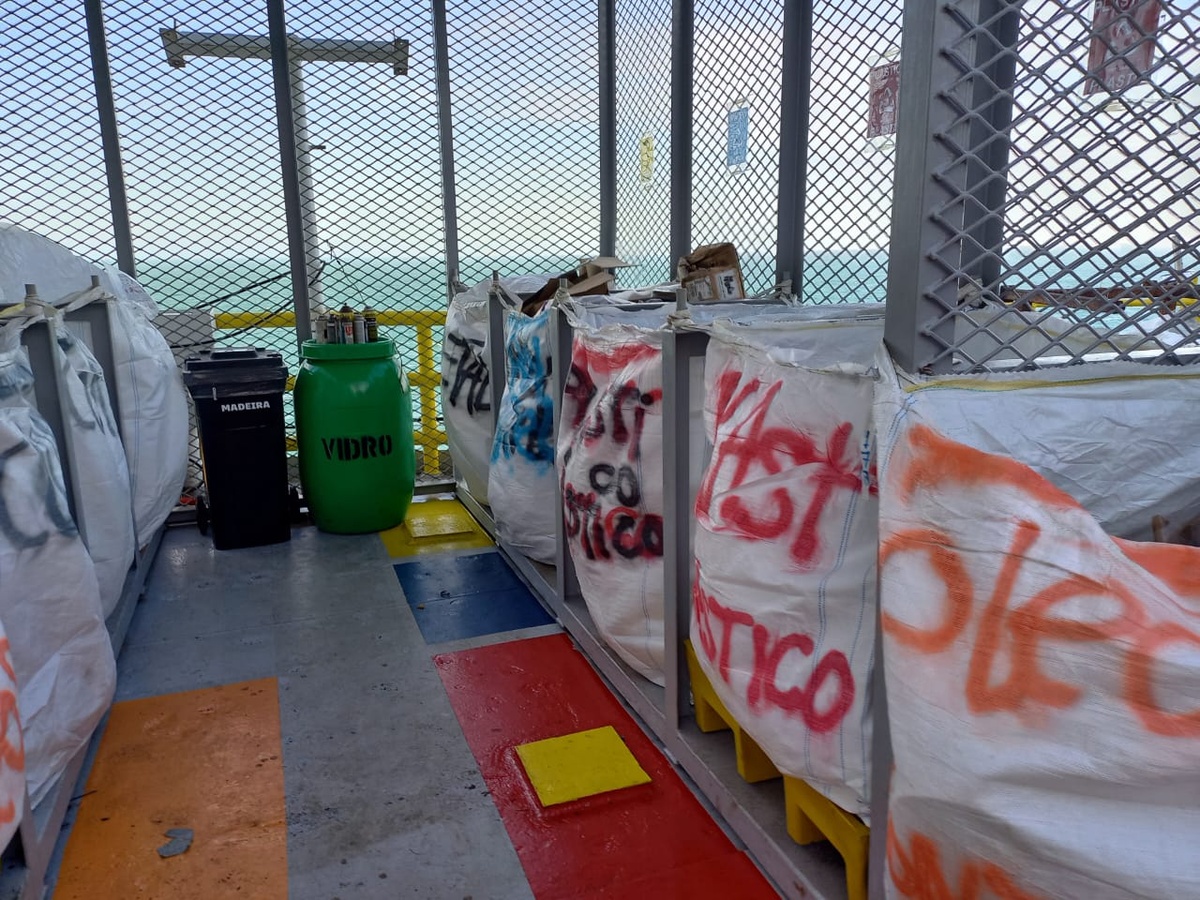
Foresea achieves 100% offshore waste reuse in 2025, eliminates landfill disposal, and consolidates sustainable strategy with 1,500 tons recycled.
-
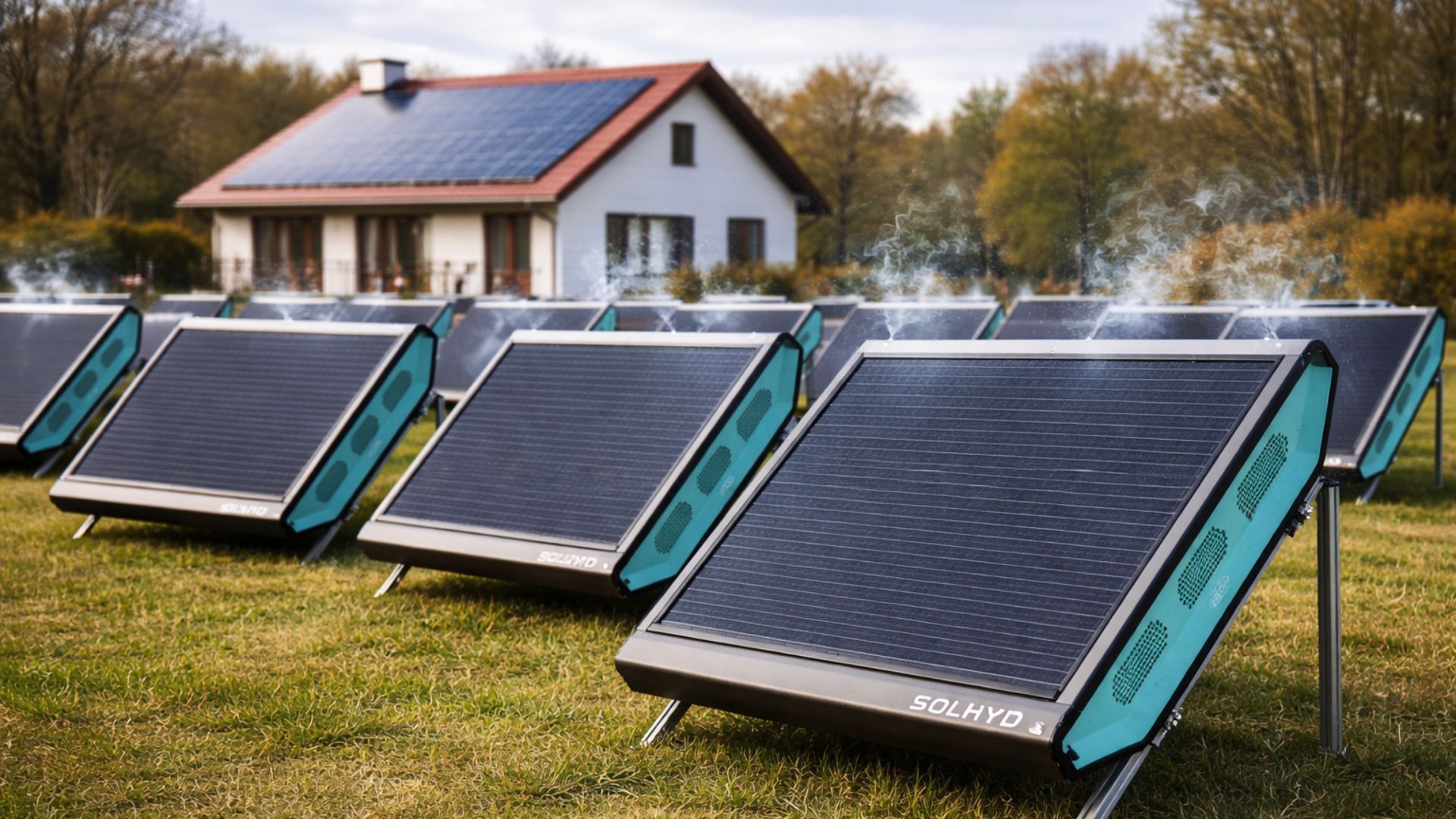
Green hydrogen at home: Belgium launches new technology that makes solar panels produce fuel from the moisture in the air, which could boost the energy transition.
-
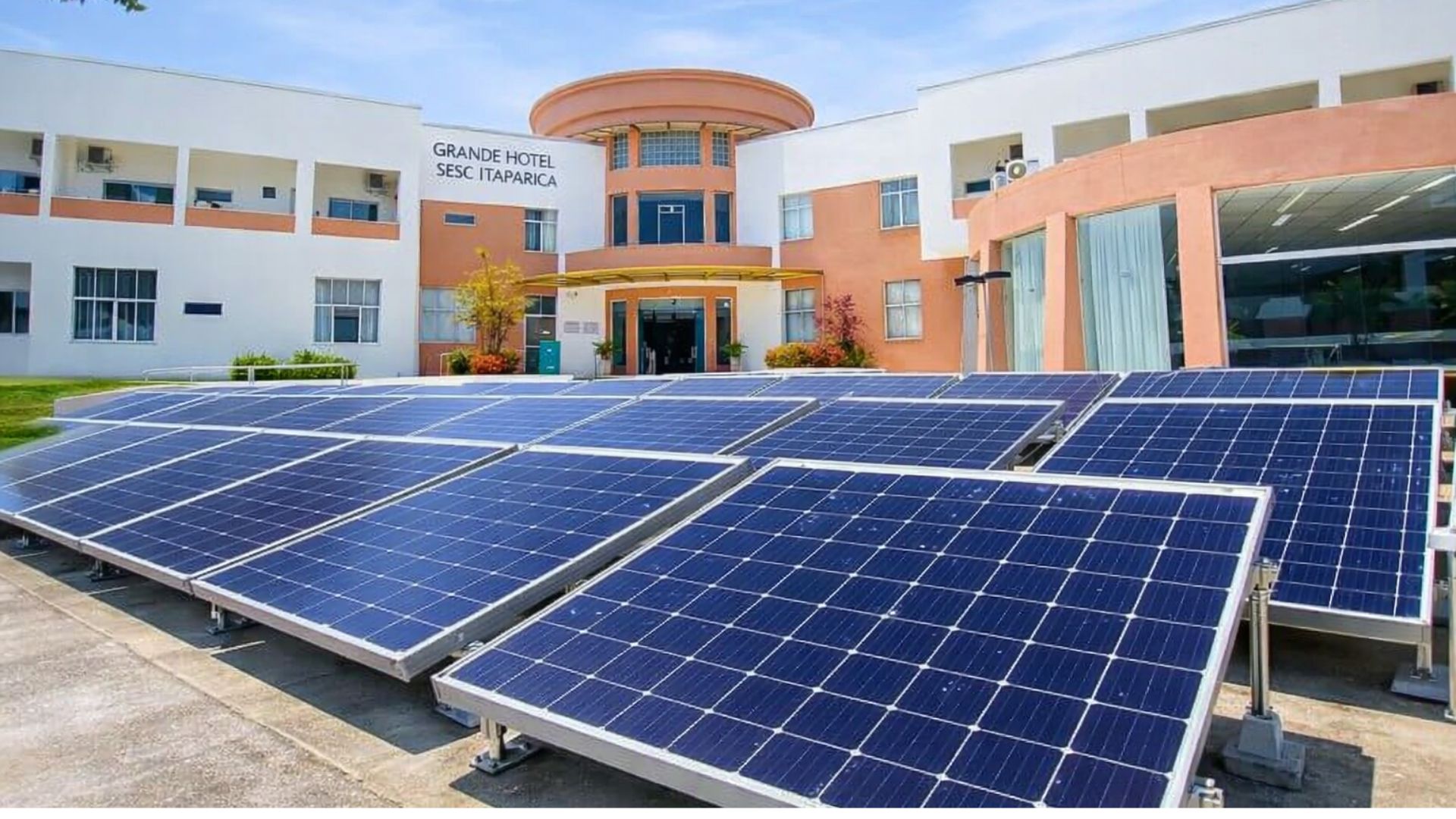
Sesc-BA bets on renewable energy with the support of EDP and drives the energy transition with a direct impact on cost reduction and the sustainability of its operations in Bahia.

According to Enio Verri, the Brazilian general director of Itaipu, the initiative reflects the company’s commitment to solutions that do not pollute and that directly benefit local communities.
The vessel will initially be used for the selective collection of urban solid waste in the inhabited islands of Belém, under the responsibility of the Foundation for Research Support and Development (Fadesp), linked to the Federal University of Pará (UFPA). The green hydrogen used will be produced locally by the university, ensuring a sustainable supply cycle.
Technical Details of Itaipu’s Hydrogen-Powered Boat
The boat is constructed of aluminum, with 9.5 meters in length, 3 meters in width, and a weight of 1.5 tons, capable of supporting up to 9 tons of cargo. Equipped with a supplemental photovoltaic system, it emits neither noise nor pollutants, and the only waste produced by the engine is pure water.
This technology is silent, clean, and efficient, ideal for operations in sensitive areas like the Amazon. The green hydrogen propulsion system is powered by water electrolysis, using renewable energy — ensuring its classification as green hydrogen.
Strategic Partnerships and Social Impact
In addition to technological innovation, the project has a strong social impact. The partnership between Itaipu, Parquetec, UFPA, and the City of Belém includes actions for environmental education and structuring selective collection, supporting four recycling cooperatives.
The initiative promotes social inclusion, income generation, and environmental awareness, aligning with the UN Sustainable Development Goals.
According to Carlos Carboni, Itaipu’s Coordination Director, the project is a clear demonstration of Brazil’s ability to contribute solutions to the global climate crisis.
According to the executive, this project, which will be presented at COP30, highlights Itaipu’s potential to develop innovative technologies aimed at combating climate change, particularly solutions that accelerate the energy transition.
Green Hydrogen: Fuel of the Future
Green hydrogen is considered one of the main bets for decarbonizing the economy. Produced through water electrolysis with renewable energy, it does not emit greenhouse gases and can be used in various sectors such as transport, industry, and energy generation.
Daniel Cantane, manager of the Hydrogen Technologies Center at Parquetec, emphasizes that the use of green hydrogen in the boat is just the beginning. Cantane states that applications for green hydrogen are being developed for trucks, buses, and even airplanes, demonstrating that the future of sustainable mobility is already underway.
Additionally, a fueling station will be installed in Belém for continuous refueling of the vessel, utilizing solar energy for local fuel production. This structure ensures autonomy and sustainability for the project, even after COP30.
COP30 and the Global Showcase of the Energy Transition
COP30 will be held in Belém, the capital of Pará, and will bring together world leaders, scientists, and civil society representatives to discuss climate solutions. The delivery of the hydrogen-powered boat during the event positions Brazil as one of the pioneers in energy transition and sustainable innovation.
The Itaipu and Parquetec project will be one of the highlights of the conference, showing how technology can be practically applied to improve people’s lives and protect the environment. Clean mobility is one of the main topics of COP30, and the boat represents a concrete and replicable solution.
Expansion of Technology and Sustainable Tourism with Itaipu and Parquetec
Alexandre Leite, director of Technologies at Parquetec, points out that the use of hydrogen-powered boats can be expanded to passenger transport, recreation, fishing, and sustainable tourism. “It’s a transportation method that can be used to promote sustainable tourism,” he exemplified.
In the Itaipu reservoir region, there is great potential for the adoption of this technology, which can replace fossil fuel-powered vessels, reducing pollution and promoting more ecological experiences for visitors and residents.


Clean Mobility and Energy Transition: Brazil as a Reference
The launch of the first 100% green hydrogen powered boat in Brazil is a historic milestone for innovation and sustainability. Developed by Itaipu and Parquetec, the project combines cutting-edge technology, social impact, and environmental commitment, serving as a clear example of how the energy transition can be effectively implemented.
The official delivery at COP30 reinforces Brazil’s role as a leader in climate solutions and renewable energies. With strategic partnerships, adequate infrastructure, and a focus on social inclusion, the project has the potential to transform river transportation and inspire new initiatives throughout the country.






Seja o primeiro a reagir!