





 Portuguese
  English
  Spanish
  3 min of reading
  0 comments



After a 5% Drop in the Electric Vehicle Market in the United States, Ford Revises Its Strategy, Reallocates US$ 19.5 Billion, Expands Focus on Hybrids, and Projects That 50% of Its Future Sales Will Come from Electrified Models
Ford CEO Jim Farley stated that electric vehicles priced between US$ 50,000 and US$ 80,000 did not sell after a 5% market contraction in the U.S., leading the company to support regulatory changes and redirect US$ 19.5 billion.
Market Reaction and Regulatory Change
Following Donald Trump’s announcement about relaxing CAFE standards, Ford was one of the first to support the measure, signaling a complete shift from its recent plans for full electrification.
In a recent interview with CNBC, Jim Farley was straightforward in assessing the situation, stating that the last few months showed a 5% drop in the electric vehicle market in the United States.
-
The German economist Wolf-Peter Schill has no doubts: “Electric cars are already far superior to cars with internal combustion engines.”

-
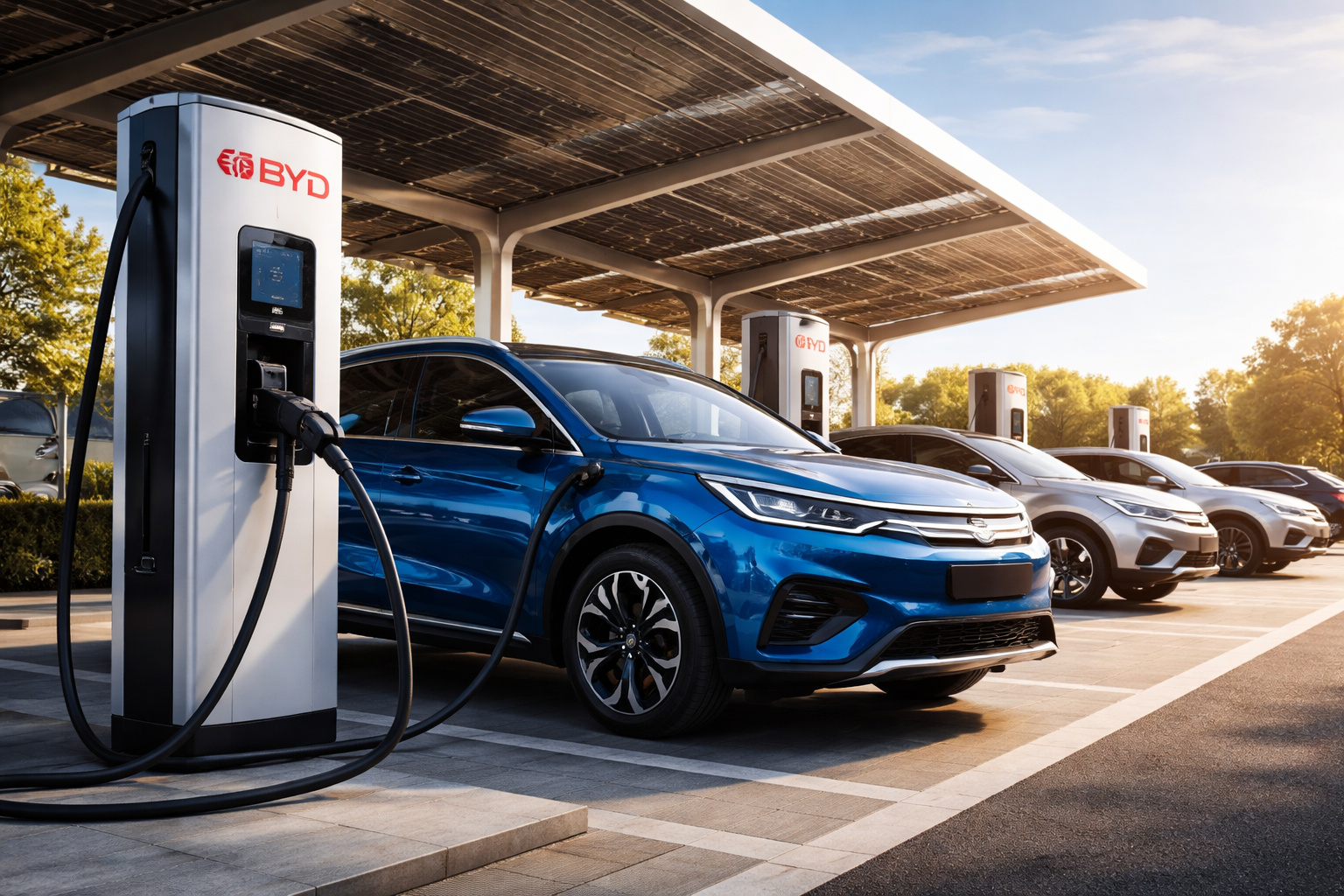
Largest public charging network in Brazil: BYD reaches 125 fast chargers and accelerates national expansion of electric mobility.
-
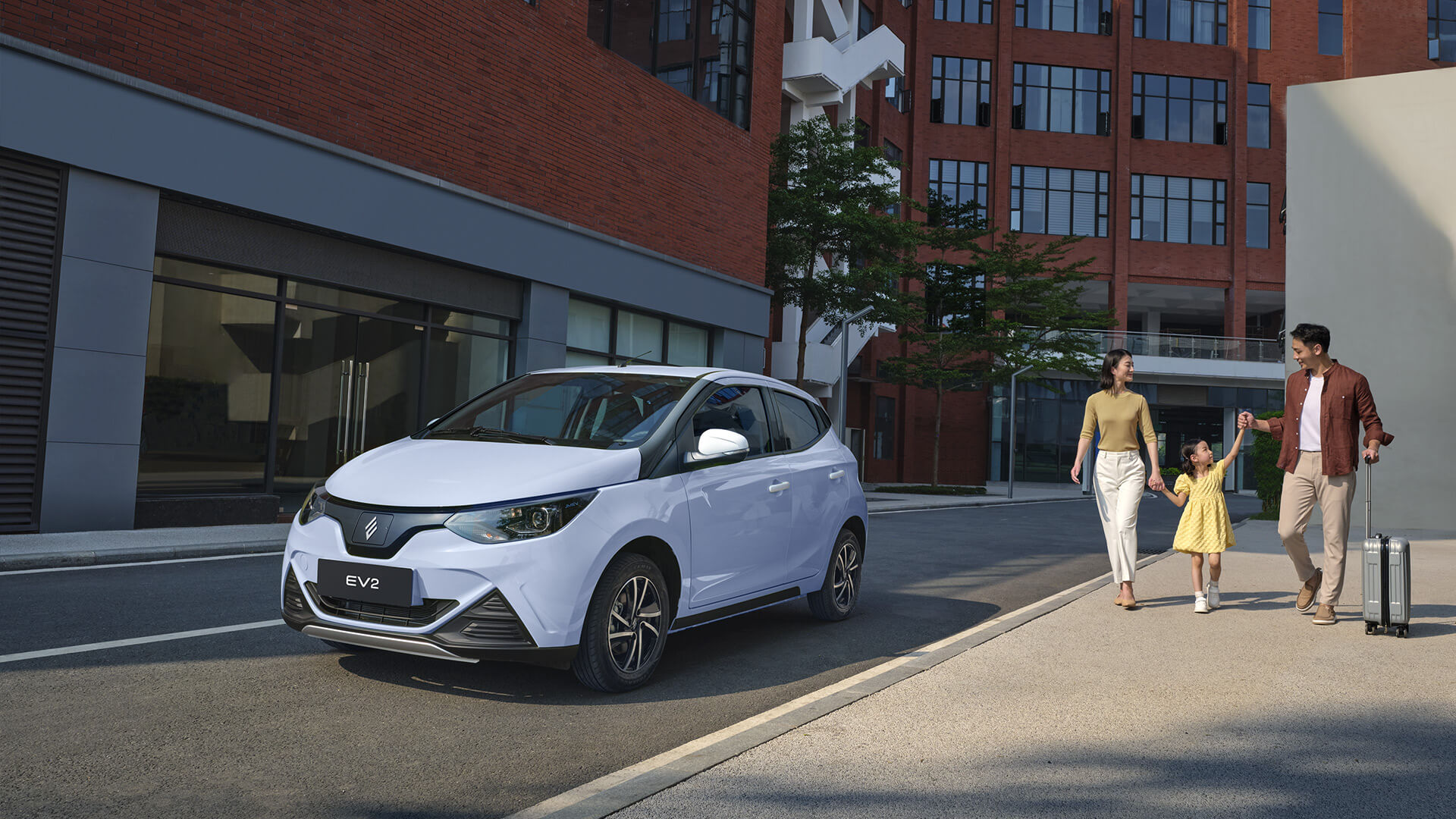
Goodbye expensive popular car: electric vehicle for less than R$ 70,000 starts being sold in Brazil with a range of 200 km and targets those looking to escape gasoline.
-
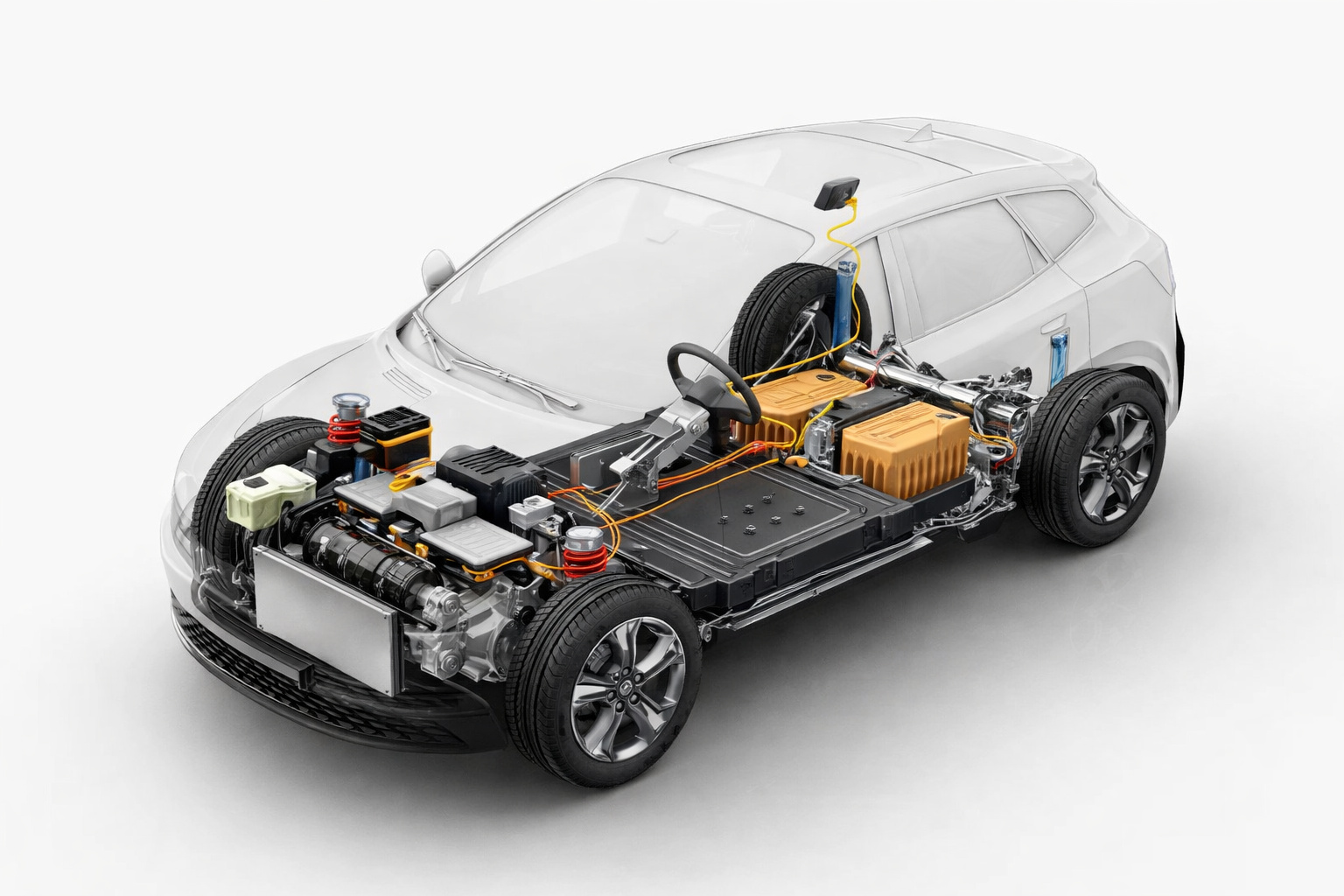
China Surprises Automotive Industry With Battery That Promises Electric Car Able to Run Up to 1,000 km Without Recharge

According to him, the contraction particularly affected the more expensive electric vehicles, priced at US$ 50,000, US$ 70,000, and US$ 80,000, which were not finding sufficient demand among American consumers.
Farley explained that the company had planned a full line of electric vehicles, but also maintained hybrids, learning from the actual market behavior and deciding to listen to customers.
Strategic Evaluation and Financial Impact
The interview host noted that the change represented an investment of US$ 19.5 billion, a significant amount to admit that the previous strategy did not deliver the expected results with pure electric vehicles.
Farley acknowledged the cost involved, stating that the decision was necessary to allow focus on what customers really want to buy, rather than projections that did not materialize in the market.
He emphasized that the observed reality guided the strategy, highlighting that the company follows customers where the market is today, not where it was expected to be previously.
According to Farley, this approach tends to improve profitability for companies, benefit shareholders, and drive the creation of many new jobs in the United States, reinforcing the economic logic behind the change.
Affordable Electric Platform and Path to Profitability
The executive stated that Ford has an affordable electric platform, the UEV, with prices starting at US$ 30,000, considered central to the automaker’s new portfolio.
He highlighted that the company knows its customers well and is not trying to guess preferences, but to offer products aligned with observed demand, combining electric, hybrid, and intermediary solutions.
Farley stressed that, with this reorientation, Ford’s electric vehicle division now has a clear path to profitability, something that did not exist prior to this decision.
According to him, the current portfolio would allow the team to focus on bringing these products to market consistently, supported by affordable prices and greater technological diversity.
Hybrid Expansion and Market Share Goals
The changes introduce a new approach to electrification, with a broader and more varied portfolio, integrating hybrids, electric vehicles, and extended-range electric vehicles, known as EREVs.
The announced goal is for 50% of the company’s sales to come from these categories, a significant increase from the current 17% recorded in the automaker’s portfolio.
Farley stated that Ford has been occupying the third position in the hybrid market in the United States, but leads the hybrid pickup segment with about 80% market share.
According to him, the company will begin manufacturing the Bronco and the entire line with hybrid versions, reinforcing the focus on this segment where commercial performance has been more consistent.
Recent Results and Market Outlook
The executive noted that hybrid sales represented 20% of the total, but in some months have reached 30%, driven by the F-150, the best-selling vehicle in the United States.
He suggested envisioning a Ford with the entire line including hybrids and EREVs, combined with an affordable electric platform, forming a solid foundation to meet different consumer profiles.
Farley concluded by stating that the company believes it is on the right path, aligned with what Americans want to buy today, reflecting real market preferences in the current automotive landscape.
This strategy, according to him, acknowledges the current market moment and seeks to balance electrification, affordability, and demand, avoiding repeating bets that have not gained enough traction.








Seja o primeiro a reagir!