





 Portuguese
  English
  Spanish
  4 min of reading
  0 comments


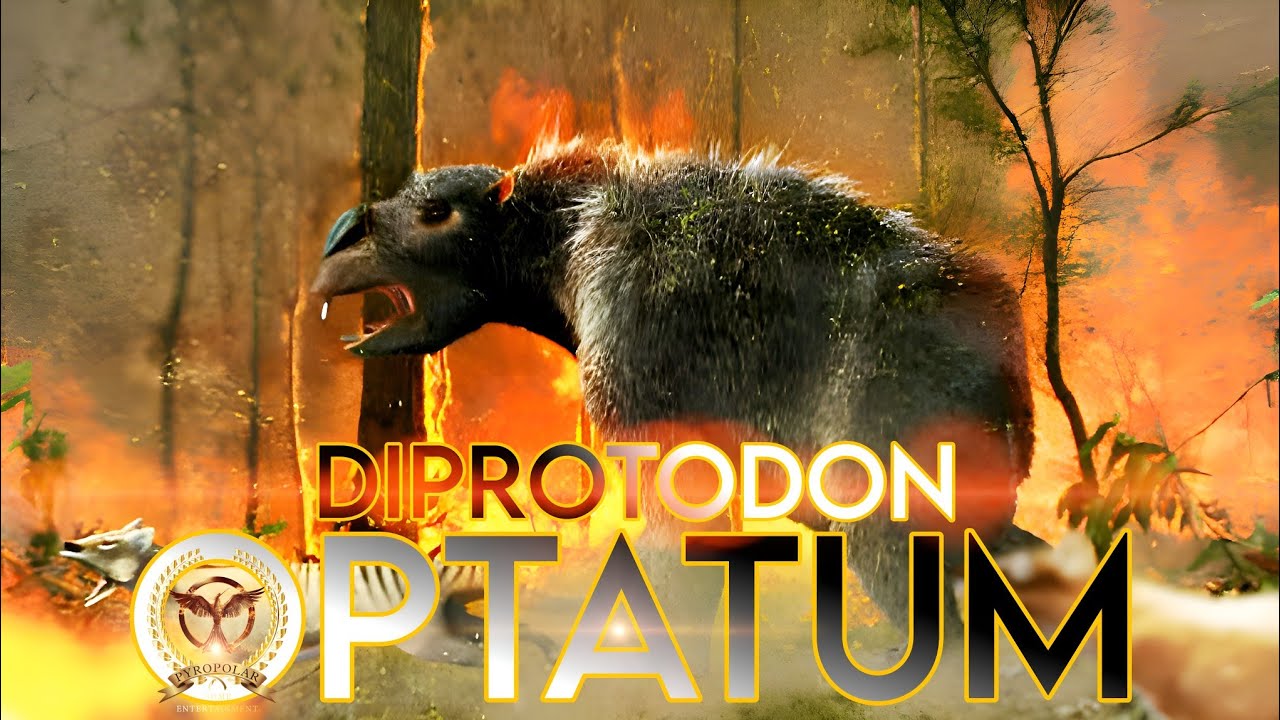
Weighing Up To 2.8 Tons And Comparable In Size To A Rhinoceros, The Diprotodon Was The Largest Kangaroo In History And Dominated Prehistoric Australia.
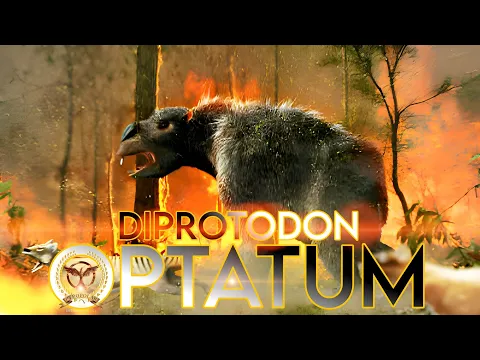
When talking about kangaroos, the common image is of an agile, jumping, and relatively light animal. The Diprotodon optatum completely breaks this perception. This extinct marsupial was not only the largest kangaroo that ever existed, but it also holds the title of the largest terrestrial marsupial in all known history. Its size was so extreme that it outmatched the majority of today’s large herbivores in mass and directly rivaled modern rhinoceroses.
Fossils found in various regions of Australia indicate an animal that could exceed three meters in length and weigh an estimated 2,500 to 2,800 kilograms. In practical terms, this means a “kangaroo” the size of a small car, with a massive body, sturdy legs, and a skeletal structure designed to support tons.
Colossal Dimensions: Why The Diprotodon Continues To Impress Today
What stands out about the Diprotodon is not only its length but the set of proportions.
-
Tourists on Everest were poisoned by guides who mixed substances in food to provoke false symptoms of altitude sickness while helicopter operators and hospitals charged inflated rescue fees to insurance companies.
-
Few people know this, but Neil Armstrong, one of the most famous NASA astronauts in history, survived the Korean War after jumping from the plane during his seventh combat mission aboard the USS Essex aircraft carrier of the United States.

-
Diving with a camera in Lake Furnas reveals a submerged city with an entire street, almost intact houses, a preserved bridge, a wood stove, a Kombi, and even a bus at the bottom of the largest lake in the Southeast.

-
Iceland accidentally drilled into a magma pocket at 2,100 meters and revealed that the extreme heat beneath the crust could pave the way for a new source of continuous energy.

Unlike modern kangaroos, adapted for long jumps, this giant had a heavy, low, and extremely robust body. The hind legs were wide and strong, but not well-suited for jumping, suggesting a slower mode of locomotion, similar to that of large quadruped herbivores.
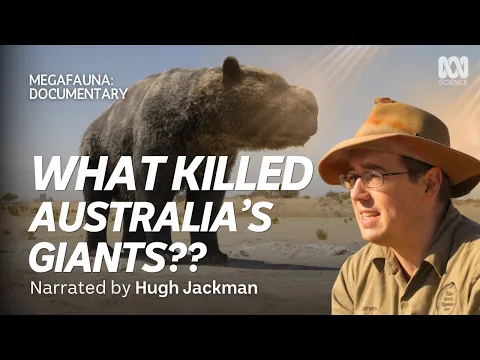

The skull was enormous, with prominent front incisors — a characteristic that gave rise to the name “Diprotodon,” which literally means “two forward teeth.” The powerful jaw allowed it to crush large volumes of hard vegetation, roots, and thick leaves typical of the arid and semi-arid environments of prehistoric Australia.
A Dominant Herbivore In An Australia Very Different From Today
The Diprotodon lived during the Pleistocene, approximately 1.6 million to 46,000 years ago, a period when Australia was home to an impressive megafauna. The continent was inhabited by giant lizards, flightless predatory birds, terrestrial crocodilians, and marsupials of gigantic proportions.
In this scenario, the Diprotodon sat at the top of the food chain among herbivores. There were no natural predators capable of easily hunting healthy adults.
Its mere presence shaped the landscape: by consuming large amounts of vegetation, it helped open clearings, influenced plant distribution, and even the dynamics of natural fires, similar to the role elephants play today in Africa.
Direct Comparison With Rhinoceroses And Large Mammals Today
To understand the scale of the Diprotodon, simply compare it to living animals. An adult white rhinoceros weighs between 2,000 and 2,500 kilograms.
The largest modern kangaroo, the red kangaroo, rarely exceeds 90 kilograms. This means the Diprotodon could be more than 30 times heavier than a current kangaroo and, in some cases, heavier than certain rhinoceroses.
In terms of body length, the Diprotodon also rivaled large African ungulates. Its shoulder height and trunk width created a silhouette that bore no resemblance to the agile kangaroo of today, reinforcing the visual impact this animal would have if it still existed.
How The Largest Kangaroo That Ever Existed Lived
Fossil evidence suggests that the Diprotodon lived in groups, possibly familial, which offered additional protection against threats and facilitated the exploration of large areas in search of food. Fossilized trails found in Australia indicate collective movements, reinforcing the hypothesis of social behavior.
These groups roamed plains, open forested areas, and regions near waterways. The dependence on large volumes of vegetation and water made the Diprotodon sensitive to climate changes, especially during periods of prolonged drought.
The Extinction Of The Australian Giant
The extinction of the Diprotodon is one of the most debated themes in Australian paleontology. The main hypotheses point to a fatal combination of factors: climate changes at the end of the Pleistocene, with increased aridity, and the arrival of the first humans on the Australian continent.
Archaeological evidence suggests that human populations may have hunted Diprotodons or at least directly competed for water and vegetation resources.
Even a relatively small pressure on a slow-reproducing, large animal could have been enough to accelerate its disappearance.
Why The Diprotodon Remains So Important To Science
The study of the Diprotodon goes beyond curiosity about a “giant kangaroo.” It helps scientists understand how ecosystems dominated by megafauna functioned, how large herbivores shape landscapes, and why giant species are especially vulnerable to rapid environmental changes.
Additionally, the Diprotodon has become a symbol of extinct Australian megafauna, often cited in studies about mass extinctions caused by the interaction between climate and human activity.
A Colossus That Redefines What We Understand By Kangaroo
Looking at the Diprotodon optatum, it becomes clear that the modern concept of a kangaroo is just a reduced and specialized version of a group that once included true titans.
With a size comparable to that of rhinoceroses, a weight exceeding two tons, and absolute dominance over prehistoric Australian environments, the Diprotodon was not only the largest kangaroo that ever existed — it was one of the largest land mammals on the planet in its time.
Its story shows that Australia once harbored giants capable of rivaling any megafauna in the world, and that the extinction of these colossi forever changed the ecological balance of the continent.









-

-

6 pessoas reagiram a isso.