





 Portuguese
  English
  Spanish
  4 min of reading
  0 comments


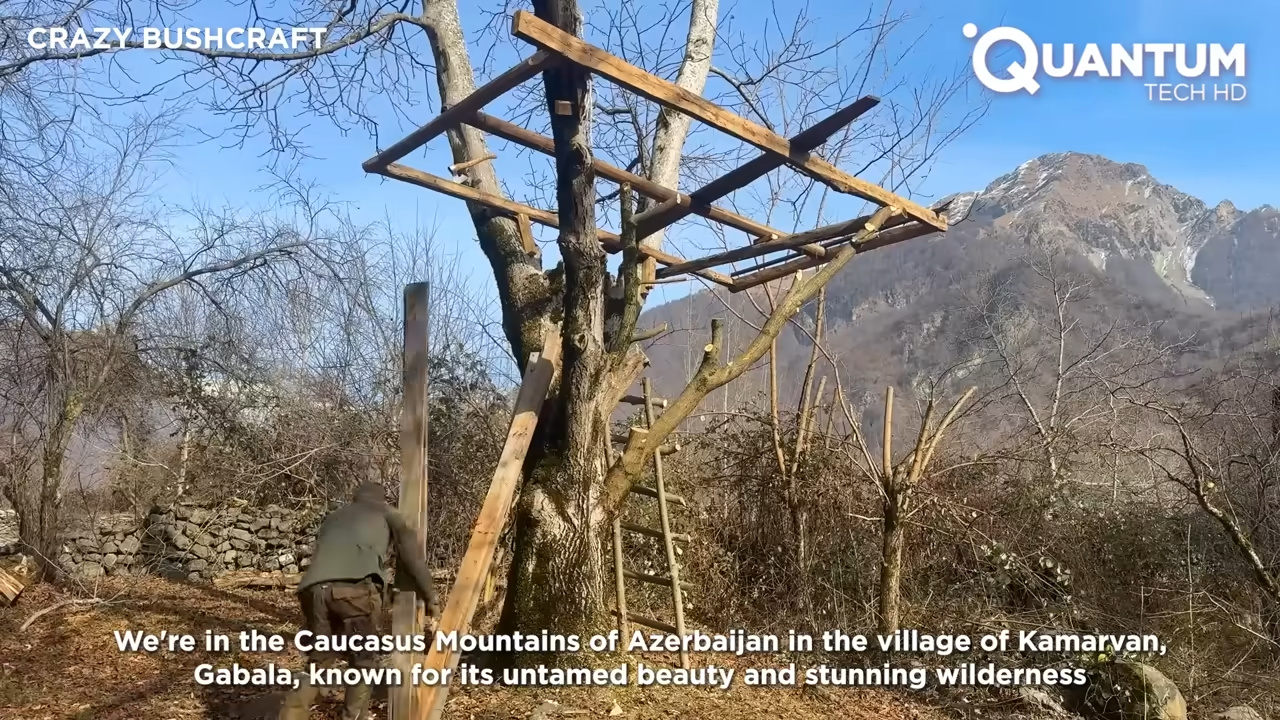
Man Builds Tree House In Totally Isolated Location, Lives Outside Civilization And Erects Functional Water Mill From Scratch, From Start To Finish
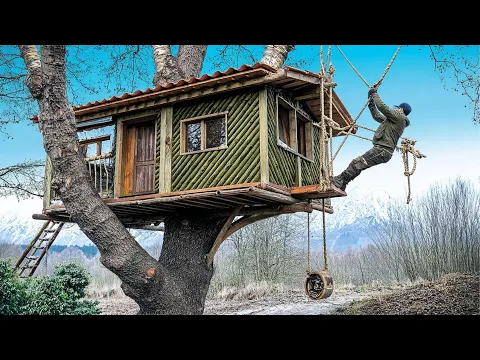
In a mountainous and virtually untouched region of the Caucasus, far from power grids, roads, or any modern infrastructure, an artisan building project attracts attention not only for its extreme isolation but also for the level of engineering applied with minimal resources. A man built a complete tree house by himself, capable of serving as a permanent dwelling, using exclusively wood from the forest, traditional techniques, and solutions for energy self-sufficiency.
The project, documented by the Crazy Bushcraft channel, reveals how basic principles of structural engineering, hydraulics, and utilizing natural resources are still sufficient to create a functional habitation outside civilization — something that sparks growing interest in an increasingly dependent world on centralized systems.
Construction Of The Tree House Without Foundations And Low Environmental Impact
Unlike conventional houses, the structure does not use concrete foundations, metal stakes, or any permanent ground intervention. The house is supported by a support system distributed among living trunks and strategically positioned wooden supports, reducing soil compaction and preserving the root system of the trees.
-
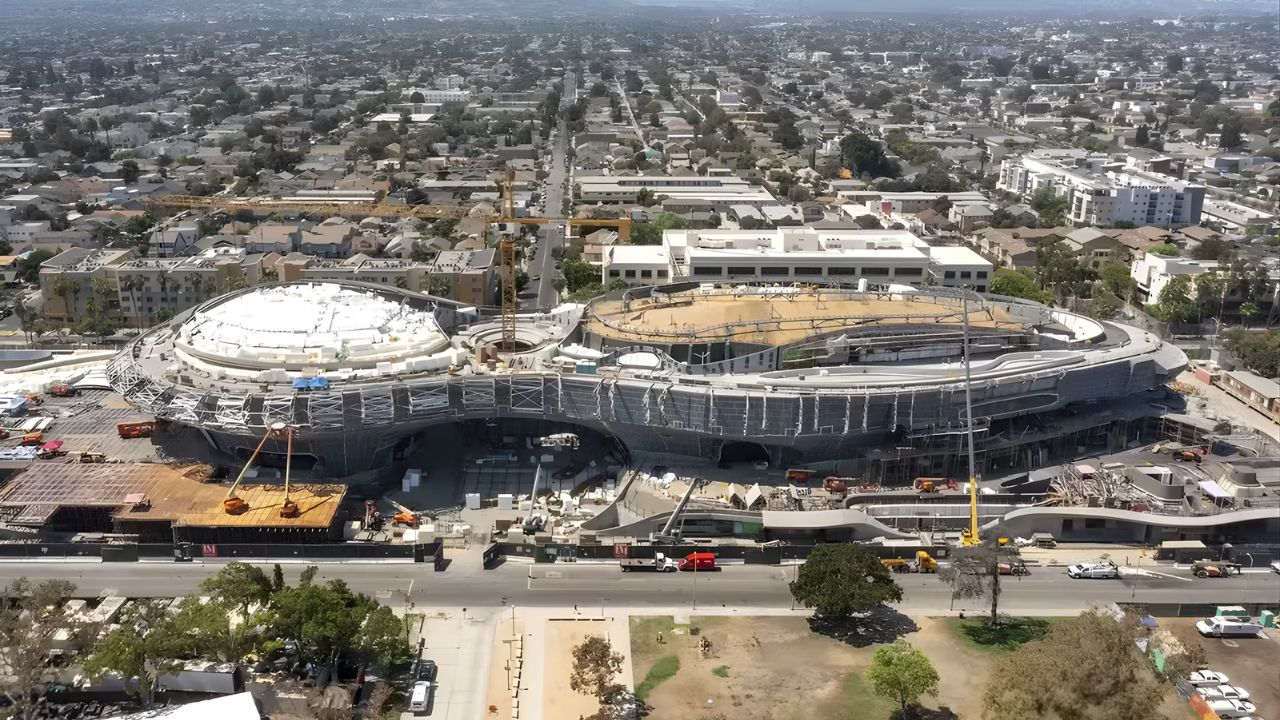
Created by George Lucas with over $1 billion, a futuristic museum in the shape of a spaceship with 1,500 curved panels is about to open in Los Angeles and will house one of the largest private collections of narrative art in the world.
-
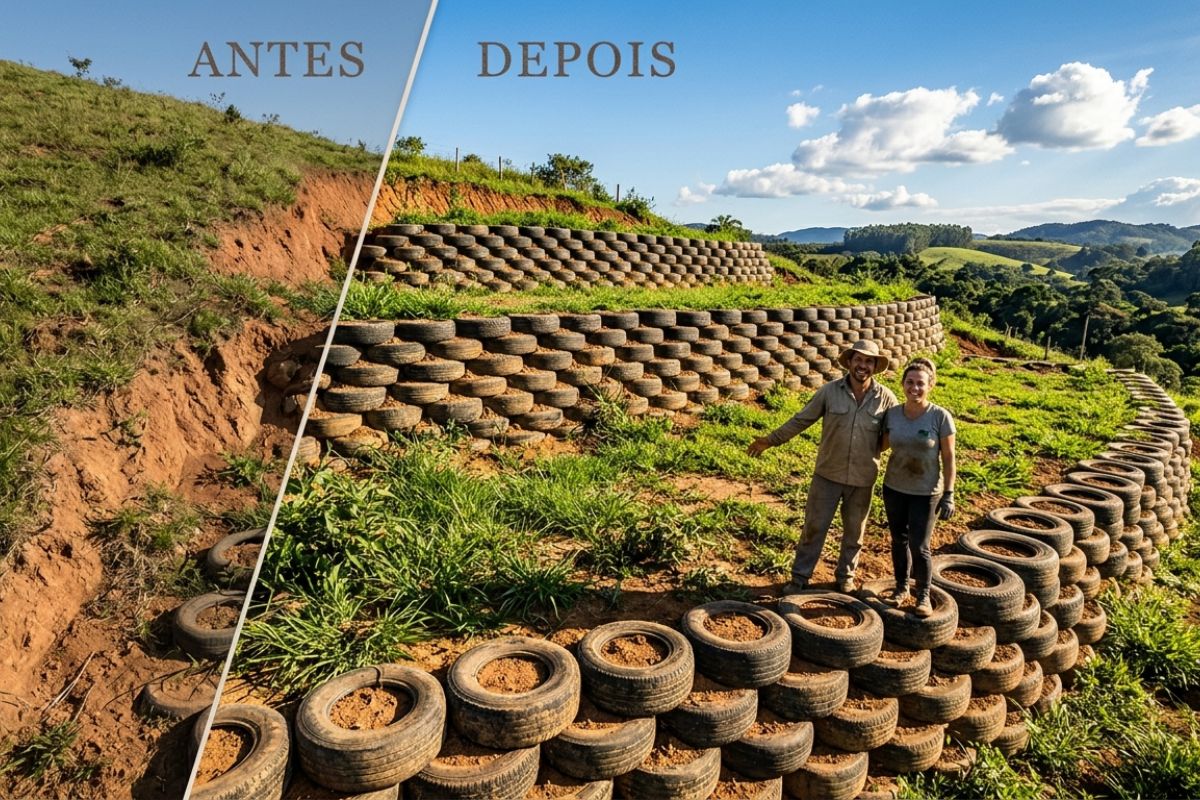
Couple shows how they built a retaining wall on their property using 400 old tires: sloped land turned into plateaus, tires are aligned, filled, and compacted with layers of soil, with grass helping in support and at almost zero cost.
-
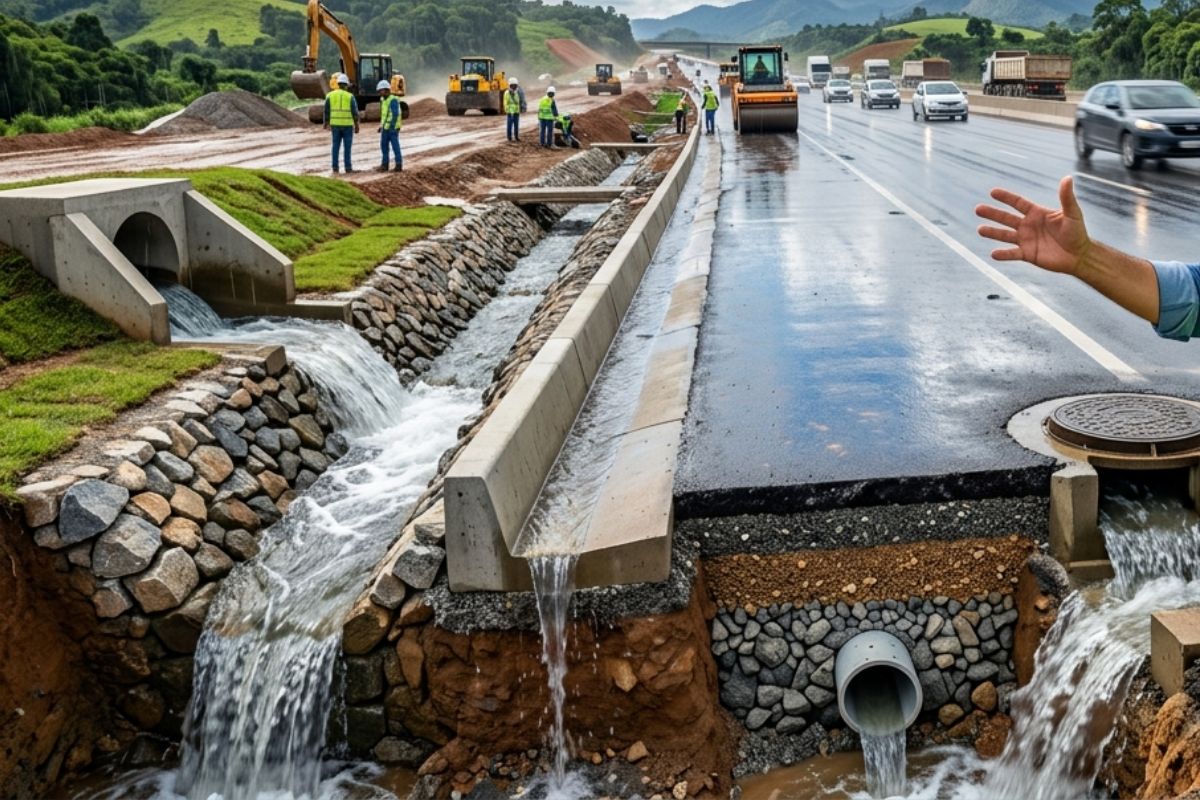
Engineer explains drainage during the rainy season: the difference between surface water and deep water, ditches, gutters, and water outlets on the road, as well as drains and drainage mattresses, to prevent erosion, aquaplaning, and flooding at the construction site today.
-
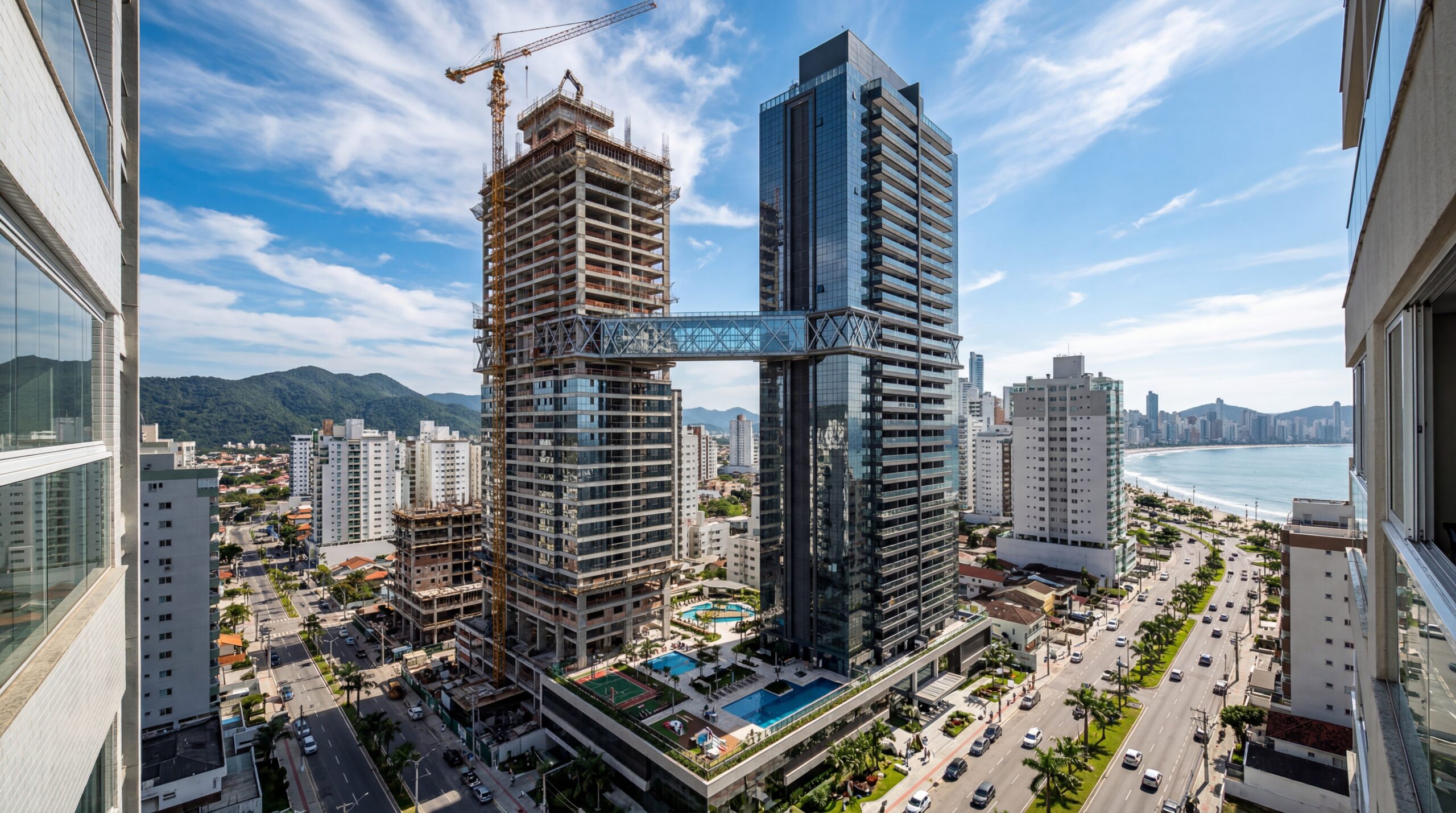
With 55 floors, 177 meters in height, a 15-meter walkway between the twin towers, ventilated facade, and 6,300 m² of leisure space, Ápice Towers already has one tower completed and another nearly at the top.


This type of structural solution allows the building to absorb small natural movements caused by wind, thermal variations, and tree growth, enhancing the durability of the construction.
Each beam is manually sculpted for a precise fit, ensuring lateral stability and load resistance without the need for industrial screws or welding.
Local Wood As The Main Structural And Constructive Input
All the raw material used in the construction comes from the surrounding forest. Logs are selected, cut, and prepared by hand, turning into pillars, beams, stairs, and panels. There is no waste: smaller branches become bracing, strips, or secondary elements of the structure.

This type of construction demands technical knowledge about the mechanical resistance of wood, orientation of the fibers, points of highest tension, and the material’s behavior under moisture and cold — common conditions in the mountains of the Caucasus. The result is an elevated structure capable of supporting human weight, static loads, and weather throughout the seasons.
Natural Thermal Insulation And Adaptation To The Mountain Climate
To make the house habitable during cold periods, the builder adopts natural thermal insulation techniques.
Layers of wood are combined with organic materials, such as moss taken from the ground in whole plates, preserving the microecosystem and reapplying it to the roofing.

This method creates an efficient thermal barrier, reducing heat loss and keeping the interior protected from wind and moisture. Unlike synthetic insulators, moss does not release microplastics or toxic gases and integrates back into the environment over time.
Functional Water Mill Guarantees Energy Autonomy
One of the most impressive aspects of the project is the construction of a fully functional water mill.
By taking advantage of a nearby natural stream, the builder develops a simple yet efficient hydraulic system, using repurposed mechanical parts and custom-made blades.

Water is channeled in a controlled manner to move the turbine, generating enough energy to meet the basic needs of the dwelling. It is a practical example of off-grid microgeneration, a concept increasingly discussed in sustainability and energy resilience projects.
Life Outside Civilization And The Return To Basic Engineering Solutions
The tree house is not just a visually impressive refuge. It represents a real application of survival engineering, where every construction decision must consider durability, minimal maintenance, and total independence from external systems.

Without conventional electricity, urban supply, and logistical support, the project demonstrates how ancient techniques, when well applied, can still provide security, basic comfort, and functionality — even in extreme environments.
An Experiment That Calls Attention In Times Of Energy And Environmental Crisis
In a global scenario marked by energy crises, rising material costs, and discussions about sustainability, projects like this gain relevance beyond the visual aspect. They raise discussions about conscious consumption, self-sufficiency, and viable alternatives for housing in remote areas.
More than just an isolated construction, the tree house with a functional water mill becomes a symbol of how engineering, nature, and simplicity can coexist without relying on large infrastructures.
And you, reader: would you live in a house like this, completely outside civilization, relying solely on what nature provides?








-

-

-

-

7 pessoas reagiram a isso.