





 Portuguese
  English
  Spanish
  6 min of reading
  1 comment


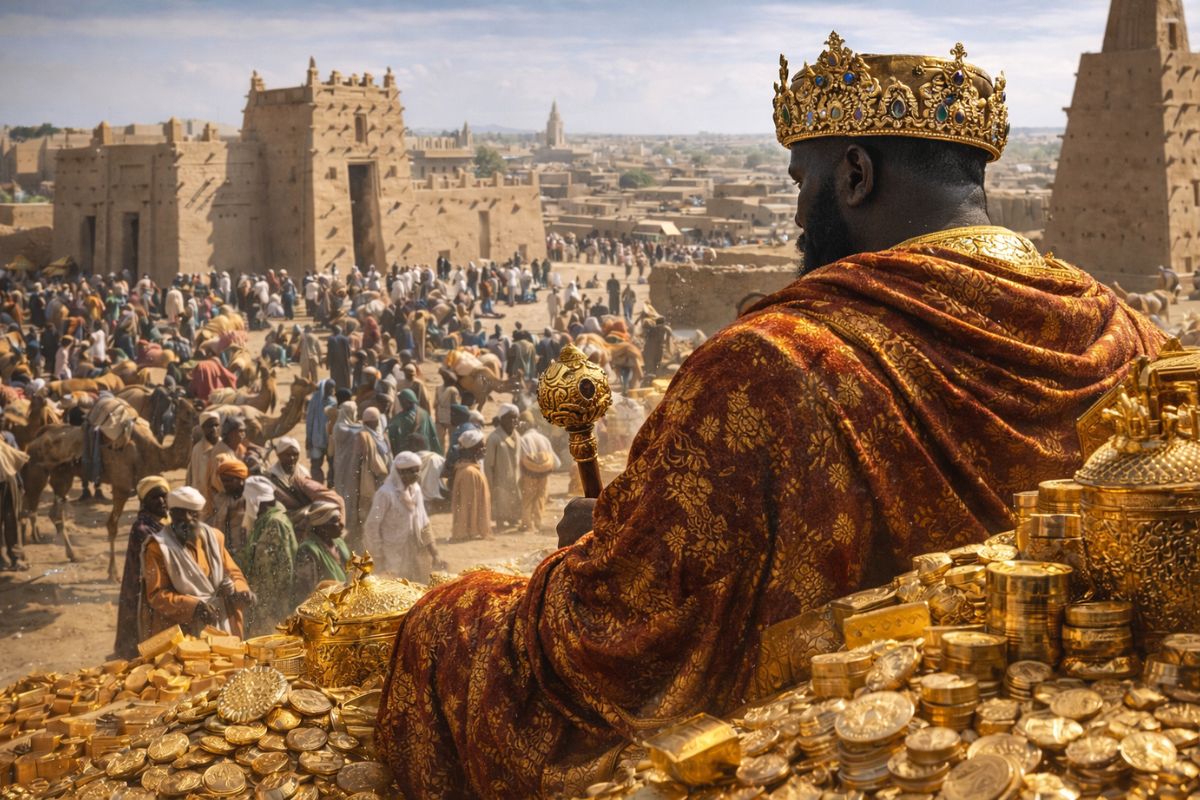

The Story Of The Richest Man In The World Shows How Mansa Musa Used The Mali Empire In West Africa To Enrich Himself With Gold And Make Timbuktu An Islamic Knowledge Hub.
Many people associate the title of richest man in the world with today’s billionaires, linked to technology or finance. However, when we look at history, the symbolic figure in this role is an African ruler from the 14th century, leading an empire that controlled gold, salt, and trade routes connecting West Africa to North Africa and the Middle East.
The story of Mansa Musa, ruler of the Mali Empire, helps to understand how wealth, political power, and religion intertwined during a time when the Sahel was one of the most strategic regions on the planet. By concentrating productive gold mines, trans-Saharan routes, and an administration capable of collecting taxes on entire caravans, he became a historical reference for extreme fortune and how a ruler could use material resources to create lasting cultural impact.
Who Was Mansa Musa And In What World Did He Become The Richest Man In The World
Mansa Musa, also known as Kankan Musa, assumed the throne of the Mali Empire in the early 14th century, during a time of territorial expansion and political strengthening.
-
Goodbye iron: new technology from Xiaomi promises to revolutionize the way we iron clothes with 500 kPa steam, continuous flow of 120 g/min, heating in 65 seconds, and six smart modes for different fabrics.

-
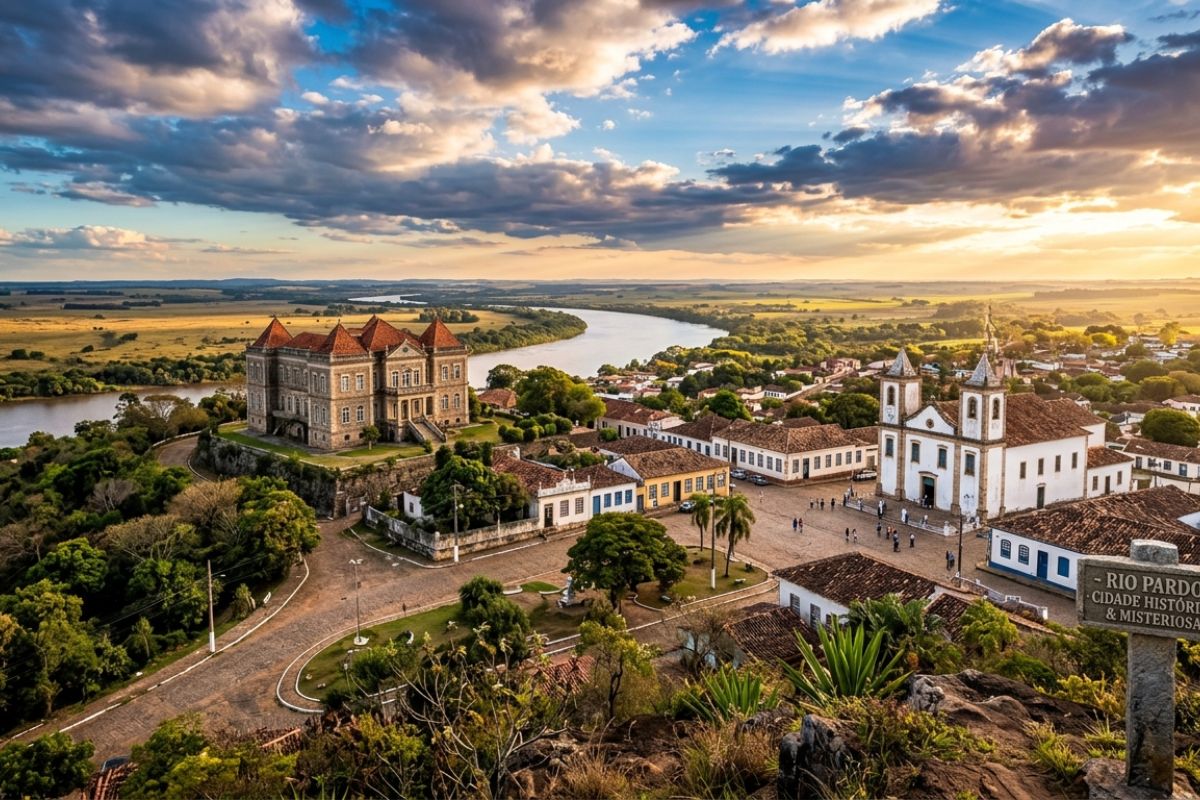
Rio Pardo, the most mysterious city in Rio Grande do Sul: untouched Pampas castle, the missing treasure of the Devil Boy, bride’s saint, invisible tunnels, and a 200-year curse today.
-
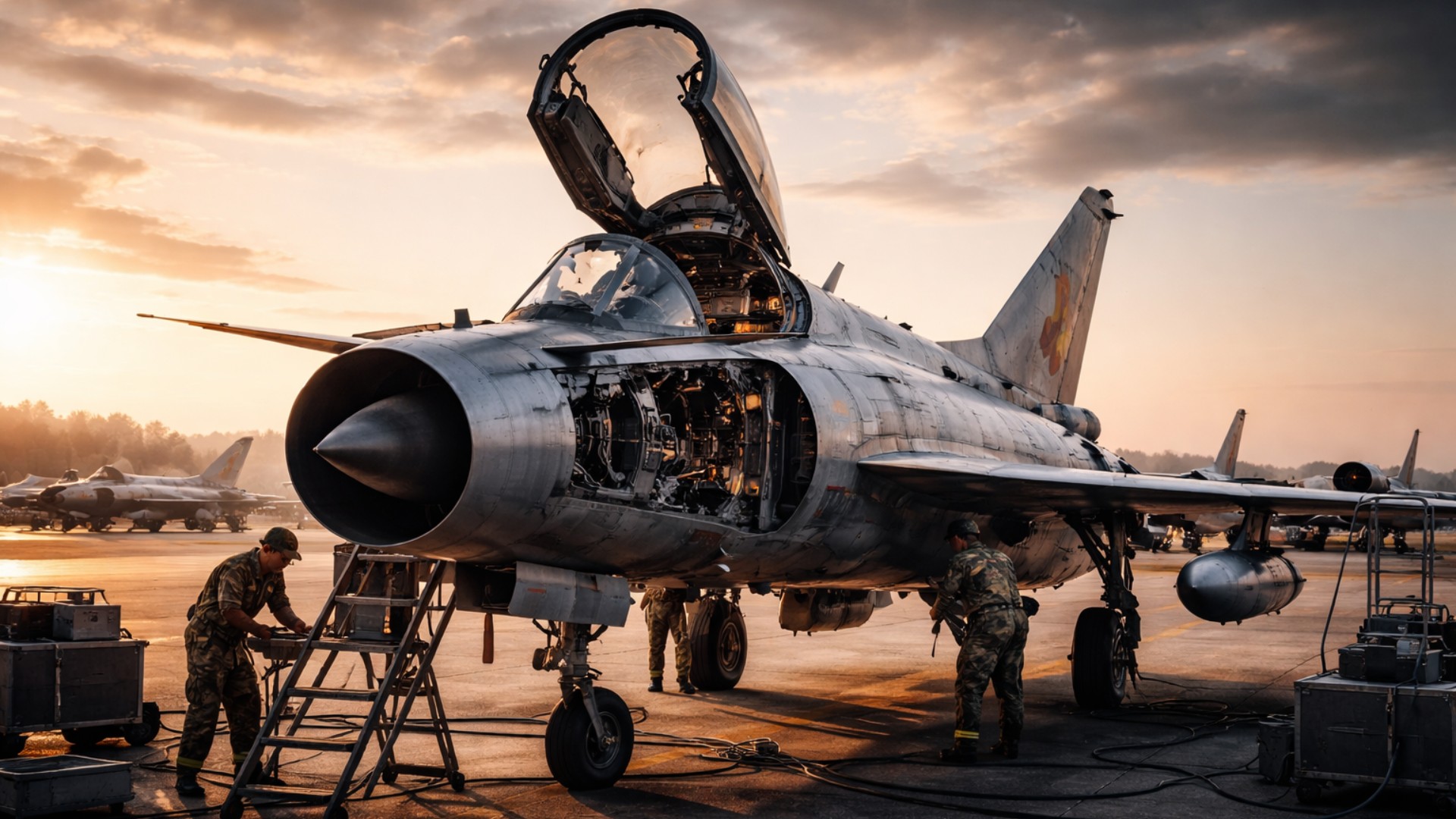
China retires the J-7 fighter after years of military protection and can now transform military items into drones, following more than 60 years of operation of the J-7, derived from the MiG-21, with thousands of units produced and strategic use in the PLAAF and PLANAF.
-
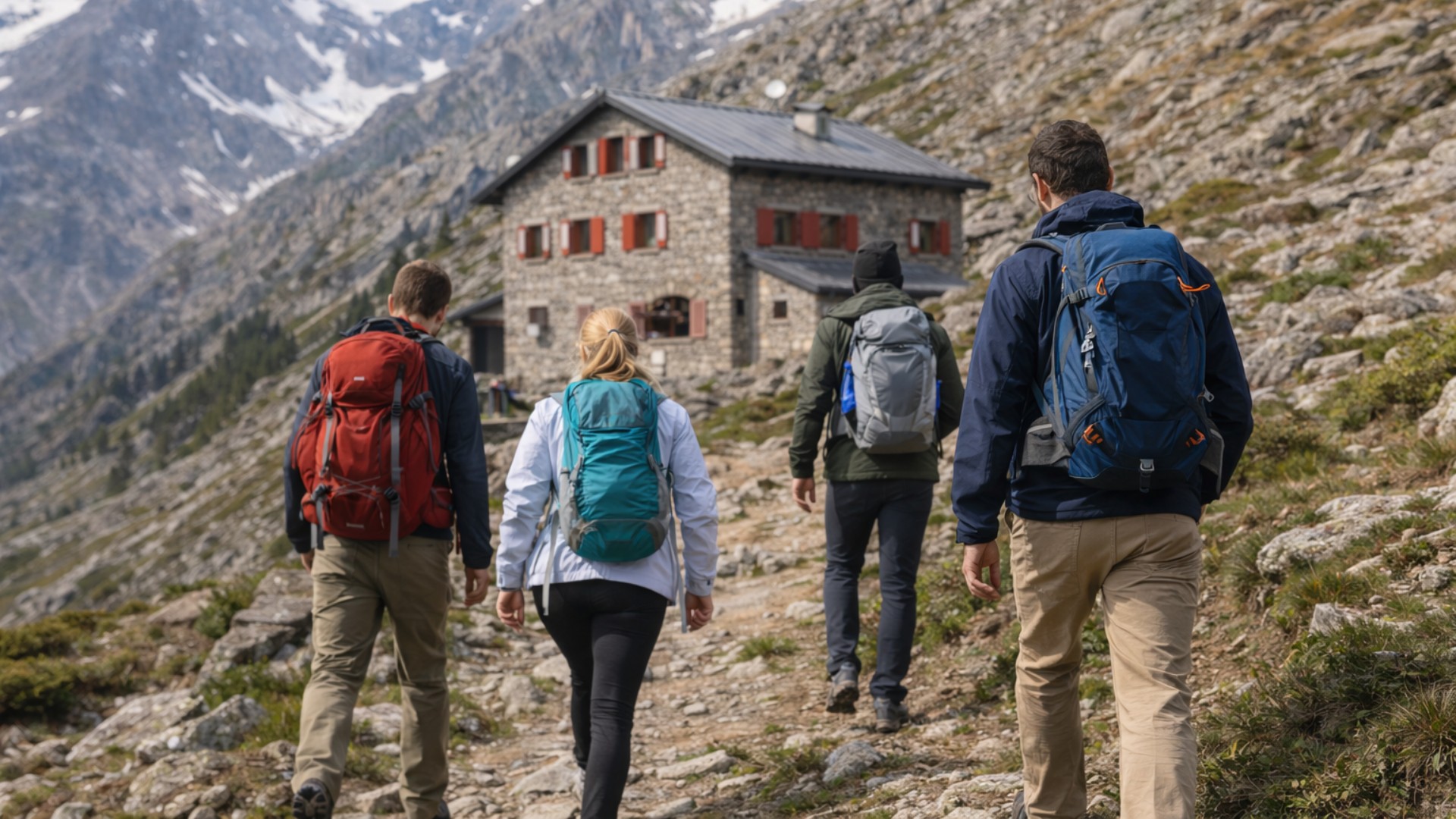
Volunteers are sought to live in the mountains for a month: a study pays people to stay at 2,500 meters, with 24-hour monitoring of sleep, metabolism, and blood pressure.

The title “Mansa” meant “king” or “sultan” and reflected a power that was not only symbolic but deeply tied to control over lands, cities, and trade routes.
He ruled a territory that encompassed parts of present-day Mali, Senegal, Mauritania, and neighboring regions. This space was not merely geographic; it was economic and strategic, as it included areas with highly productive gold mines, salt reserves, and key points in the routes crossing the Sahara.
In this context, the richest man in the world was not just someone with overflowing coffers, but the center of a mechanism that connected African products to distant markets.
Why Mansa Musa Is Considered The Richest Man In The World In All History
The label richest man in the world when discussing Mansa Musa appears in historical accounts, travelers’ chronicles, and modern comparisons made by researchers.
There is no precise value in current currency that can be verified, but the logic behind this title is clear: the Mali Empire concentrated a significant portion of the gold production known at the time.
In addition to gold, the state collected taxes on salt, textiles, and slaves, charging tolls on caravans crossing trans-Saharan routes between West Africa, North Africa, and the Middle East.
Instead of a fortune isolated in a bank account, Mansa Musa embodied the wealth of an entire empire, at a time when gold was the foundation of political power, stability, and international prestige.
Natural Resources, Trade And Power: The Foundation Of Mansa Musa’s Wealth
To understand why Mansa Musa is remembered as the richest man in the world, it is necessary to look at the set of resources and structures under his command.
The Mali Empire brought together gold and salt mines, fertile lands, growing cities, and mandatory stopovers for caravans carrying valuable goods.
The abundance of natural resources was only part of the equation. What transformed this foundation into an unprecedented fortune was the combination of intense trade with a political organization capable of taxing and managing a vast territory.
An efficient administrative system allowed for tax collection, control of routes, and maintenance of order in the regions that guaranteed the empire’s wealth.
Sahel Routes, Taxes, And The Role Of Mali In Trans-Saharan Exchanges
The Sahel and West Africa played a central role in trans-Saharan routes, linking the production of gold and salt to demand in distant markets.
Caravans carried precious metals, salt, textiles, and people, crossing the desert on paths that passed through cities under Mali’s influence.
In this scenario, the richest man in the world was also the ruler who controlled the passage of these goods. By charging fees and taxes on the constant flow of caravans, the Mali Empire transformed routes into a continuous source of revenue.
This strategic position made Mansa Musa an indispensable figure for anyone wishing to negotiate large volumes of wealth in the region.
Timbuktu And The Use Of Wealth To Create An Islamic Center Of Knowledge
Mansa Musa’s fortune was not limited to the accumulation of gold. A significant part of the resources was directed towards building, reforming, and financing spaces linked to religion and knowledge.
Cities like Timbuktu stood out as centers of Islamic knowledge, with mosques, Quranic schools, and study environments attracting scholars from different regions.
Transforming mineral wealth into intellectual and religious heritage was a hallmark of Mansa Musa’s reign.
By investing in Timbuktu and other urban centers in the Sahel, the richest man in the world helped to solidify Mali as a respected intellectual hub, associating his name not only with gold but also with the production of legal, theological, and philosophical knowledge within the Islamic tradition.
The Pilgrimage To Mecca And The Economic Impact Of Generosity
One of the most well-known episodes of Mansa Musa’s life is his pilgrimage to Mecca. The journey, organized with thousands of people, pack animals, and a great deal of gold, served as both an act of faith and a demonstration of the power and logistical capability of the Mali Empire.
During the journey, generous donations in cities along the route would have altered the circulation of precious metals and caused adjustments in local prices.
This story appears in chronicles that highlight how the generosity of the richest man in the world could influence entire regional economies, reinforcing his image as a sovereign overflowing with resources to the point of affecting markets beyond his borders.
International Prestige And The Image Of The Richest Man In The World In Ancient Maps
Mansa Musa’s prestige extended beyond West Africa. In ancient European maps, he appears crowned and holding a gold nugget, a visual symbol of his power and his connection to Mali’s wealth.
These representations not only reveal European interest in African resources but also illustrate that the idea of the richest man in the world had circulated long before the contemporary era of billionaire rankings.
This iconographic image reinforces Mansa Musa’s position as a reference when discussing the wealth of medieval Africa, the empires of the Sahel, and the importance of African resources in the global economy of the time.
The figure of the “king with gold” became a visual shortcut to represent a continent associated with vast material fortunes.
The Legacy Of The Richest Man In The World For Africa And For The Current Debate On Wealth
Mansa Musa’s reign left a lasting mark by strengthening an urban network in the Sahel, supporting mosques, study centers, and written production.
Material wealth was converted into cultural, religious, and intellectual heritage, helping to solidify Mali as a reference of power and knowledge.
In 2026, his trajectory continues to be studied in books, courses, and research that seek to highlight the wealth of pre-colonial Africa and the role of African empires in the global economy.
By revisiting the history of the richest man in the world, we reopen discussions on how we measure fortune, how we relate power and culture, and why we so often ignore the centrality of Africa in global economic processes of the past.
If you could choose, would you prefer someone like the richest man in the world to invest his fortune in monumental works, in knowledge, in wealth distribution, or in something completely different?




Foi um Rei que soube administrar os recursos do Império e aplicar estes, em benefício de muitos.
MEU nome é Helder Diniz Silva, Engenheiro, Gerente Regional das Empresas Financeiras FIAT, Regional MG, aos 20 anos de idade, Gestor Corporativo, Diretor de Infraestrutura do Projeto Telefonia Móvel GSM, WCDMA TDMA, 3G trabalhando em todos os Estados da Região Sul e Sudeste. Especialista em Energia Renovável, IA Generativa!
Autor, Filósofo, Economista! Domínio de Direito Constitucional, Econômico, Administrativo no formato Autodidata!
Responsável elas Primeiras Usinas Fotovoltaicas na Região Sudeste!
Especialista em Micro e Macro Usinas Hidrelétricas.
Engenheiro Eletricista e de Telecomunicações.
CREA MG 86351/D
037.99844.2669