





 Portuguese
  English
  Spanish
  4 min of reading
  0 comments


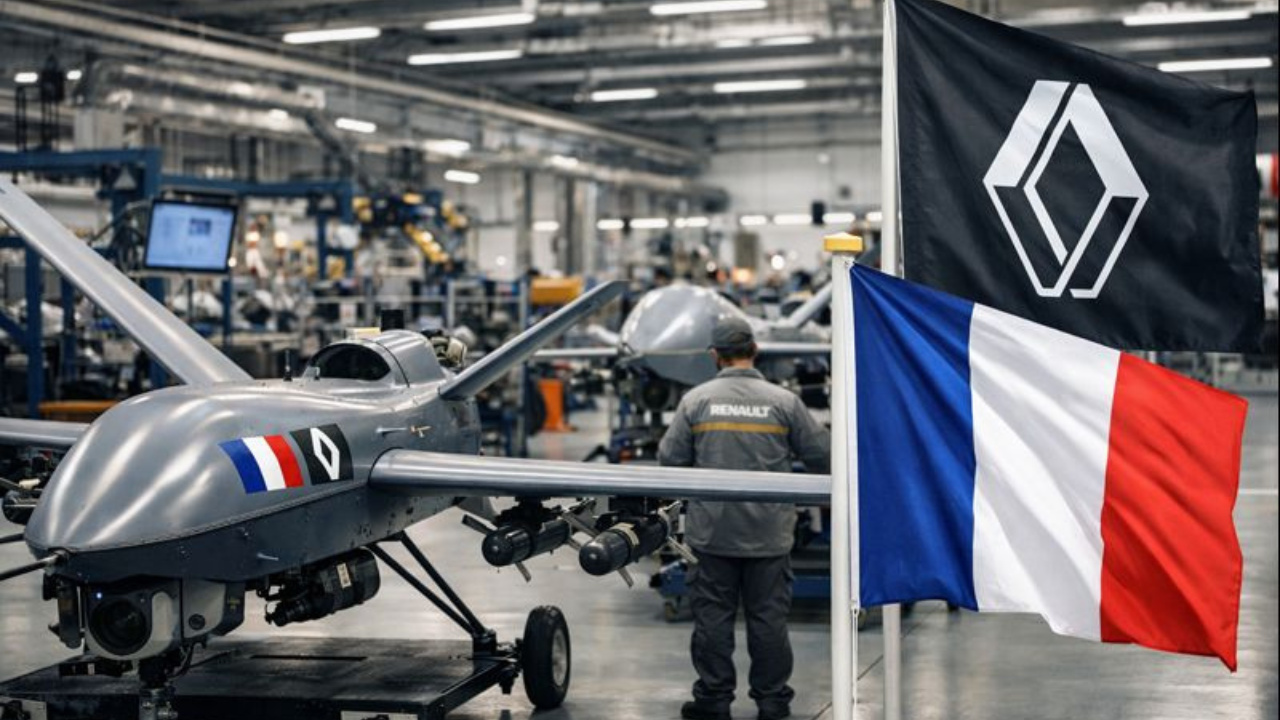
The Conflict in Ukraine Boosts the Defense Industry and Leads Renault to Invest in the Production of Military Drones.
The defense industry in Europe is experiencing an unprecedented acceleration.
In light of the conflict in Ukraine, international geopolitical pressure, and the strategic repositioning of the United States, Renault has announced an unprecedented partnership to develop and produce military drones on French soil.
The project involves the defense company Turgis Gaillard, will take place at the factories in Le Mans and Cléon, France, under state supervision, and marks a new phase of military reindustrialization in the country.
-
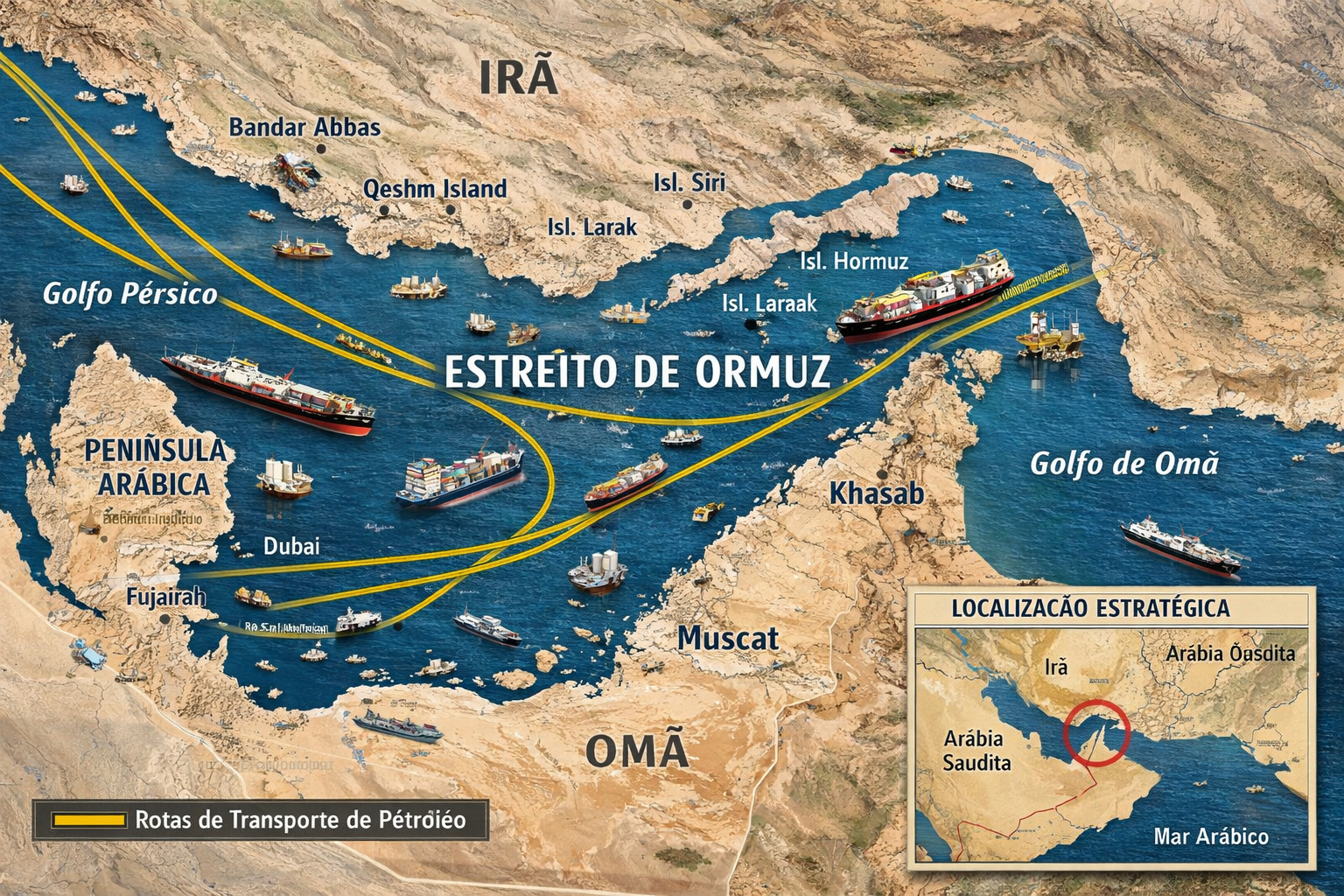
Global summit with over 40 countries pressures Iran for a blockade in the Strait of Hormuz and warns of direct impact on oil, food, and the global economy.
-
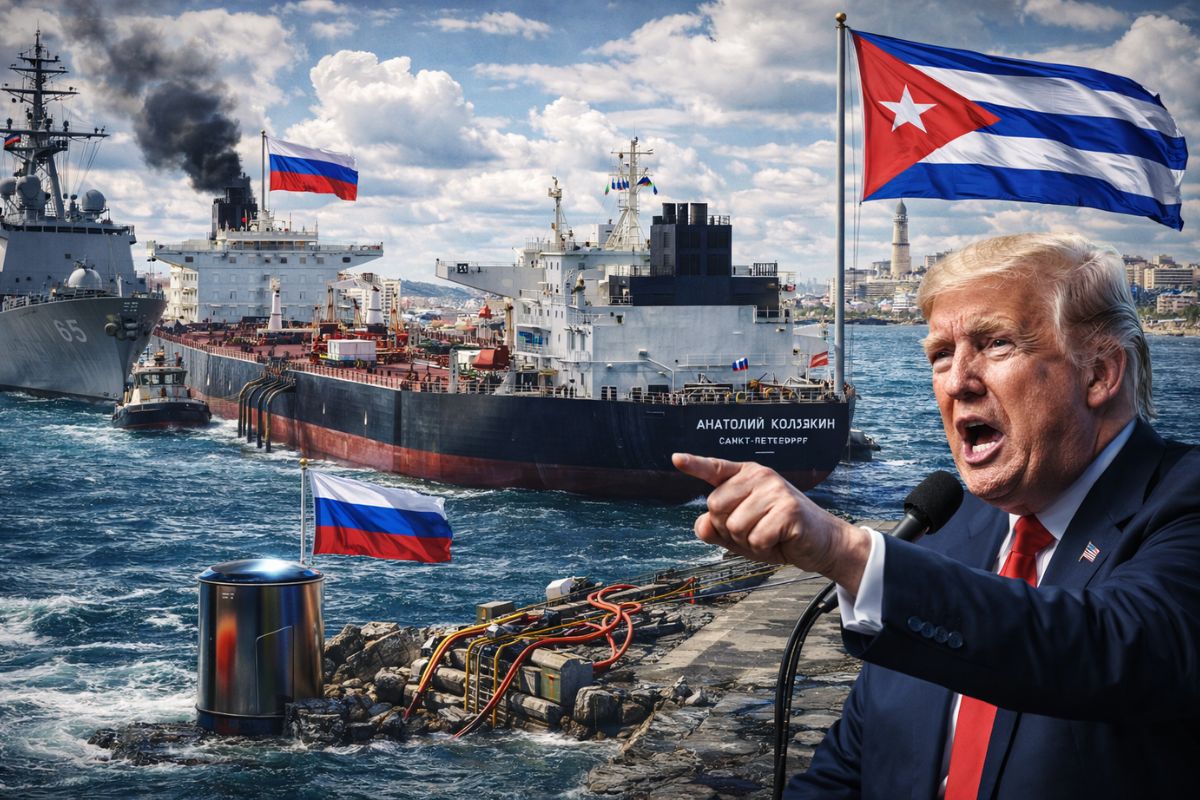
Russia has broken the U.S. maritime blockade to send oil to Cuba and is now loading a second ship while Trump says that “Cuba is next” in a possible military action against the island.
-
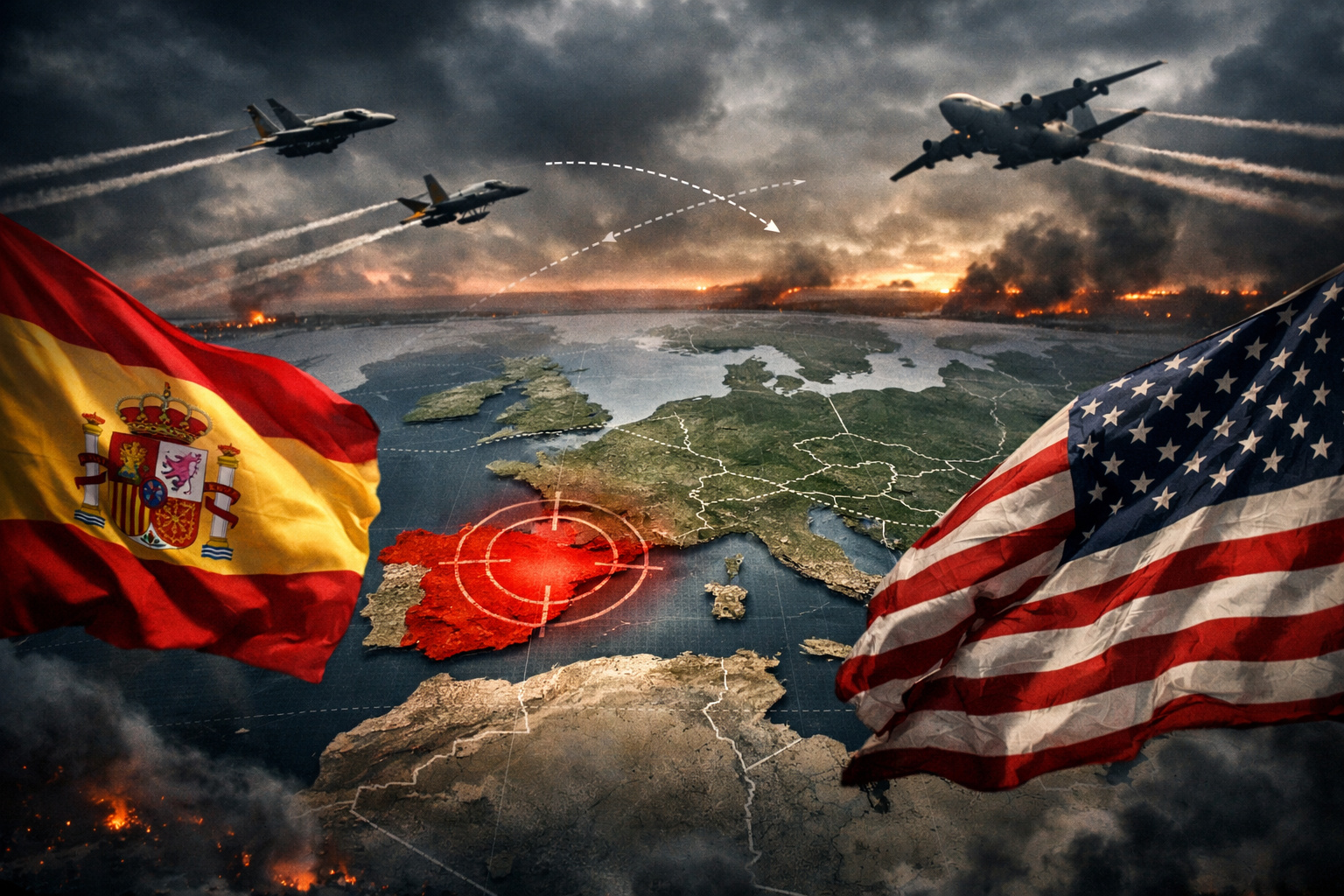
Spain challenges the USA and closes its airspace for operations against Iran, raising global tension and provoking the threat of a trade rupture.
-
While no other country manufactures tanks in Latin America, Argentina activates the TAM 2C-A2 and raises a curiosity about the technological lag in the region.
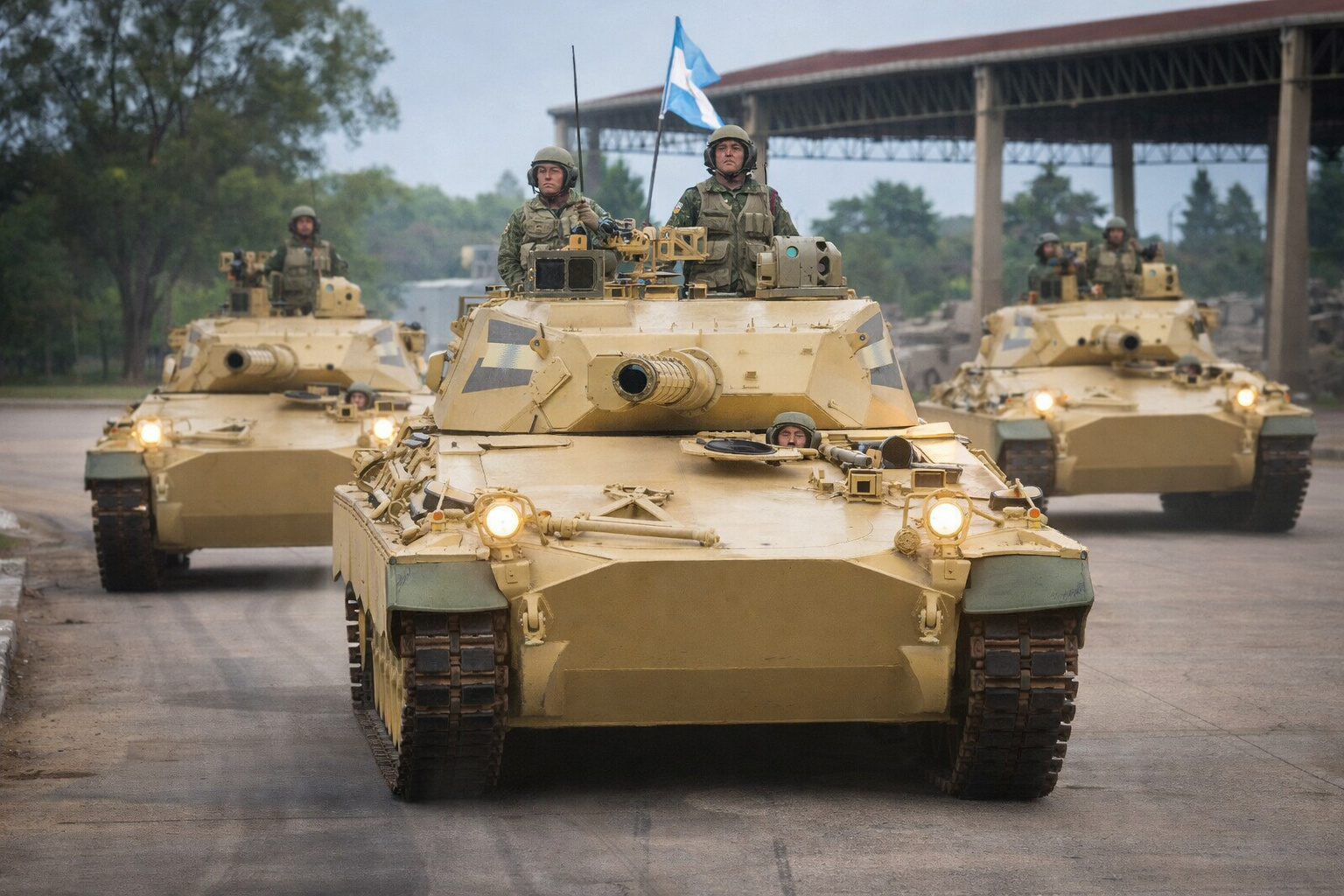

The decision was announced this year and occurs in the context of prolonged warfare in Eastern Europe, with a direct impact on the continent’s security.
The move signals a structural change in the role of major automakers, which are now integrating into national defense strategic supply chains.
Defense Industry Receives Boost with Renault’s Entry
The entry of Renault into the defense industry represents a direct response to the need to expand France’s military production capacity.
The agreement with Turgis Gaillard outlines the development and manufacture of military drones primarily for the French Army.
These equipment are deemed essential in today’s landscape of modern warfare.
Military drones allow surveillance, reconnaissance, and tactical operations with reduced human risk.
As a result, they have become one of the most demanded assets since the outset of the conflict in Ukraine.
Moreover, Renault’s involvement reinforces the French strategy of keeping sensitive production within its own territory.
This way, the country reduces external dependencies and strengthens its strategic industrial base.
The Conflict in Ukraine Accelerates Military Reindustrialization in Europe
The conflict in Ukraine serves as a catalyst for this transformation.
Since the Russian invasion, European countries have started reevaluating stocks, logistical chains, and production capacity for armaments.
As a result, military reindustrialization has shifted from being merely a political debate to becoming an operational priority.
In this context, major industrial groups have been called upon to contribute.
Automakers, in particular, have the infrastructure, skilled labor, and production capacity at scale, which are decisive factors in times of strategic urgency.
Therefore, Renault’s decision is part of a broader movement to reorganize the European industry in response to rising geopolitical risks.
Military Drones and the Historical Experience of the Automotive Industry
Although it may seem unprecedented, the relationship between automakers and armaments is not new.
During World War II, Volkswagen produced military vehicles such as the Kübelwagen and Schwimmwagen, adapted from the Beetle platform to meet the German army’s needs.
Similarly, BMW played a significant role by manufacturing aviation engines for the Luftwaffe, including the radial BMW 801 and the BMW 003 jet engine.
Additionally, the company produced motorcycles and vehicles for military use.
These examples show that in periods of war or extreme tension, the automotive industry often takes on strategic functions in national defense.
Renault and Ukraine: From External Cooperation to Internal Production
Last year, Renault had already signaled this shift by announcing a collaboration with a small or medium-sized French defense company to produce combat drones on Ukrainian soil.
The initiative was seen as a significant turning point in French industrial policy.
At the time, the French Minister of Defense, Sébastien Lecornu, described the agreement as a “win-win” model of cooperation with Ukraine.
According to him, the proposal envisioned the union of a large automaker and a specialized company to establish assembly lines within the war-torn country.
Now, the strategy is evolving.
Instead of producing only abroad, France is strengthening its own defense industrial capacity by utilizing Renault’s existing facilities.
Military Reindustrialization and Economic Impact
The military reindustrialization has not only strategic effects but also economic ones.
The adaptation of automotive factories for military drone production generates jobs, keeps production chains active, and preserves advanced industrial knowledge.
Furthermore, this movement may pave the way for new contracts and dual-use technologies, that is, applicable to both civilian and military purposes.
Navigation systems, sensors, and embedded intelligence developed for military drones could, in the future, influence the automotive and technology sectors.
Meanwhile, Renault diversifies its activities at a time of global transition in the automotive industry, marked by electrification and intensified international competition.
Defense Industry as a Strategic Axis for the Future
In summary, Renault’s entry into the defense industry, driven by the conflict in Ukraine, reinforces a clear trend: major industrial groups are returning to play a central role in national security.
The production of military drones emerges as an immediate response to present demands, but also as a long-term strategic investment.
Thus, France consolidates its military reindustrialization, while Renault expands its prominence in an increasingly unstable global scenario.
See more at: France Asks Renault to Start Manufacturing Military Drones and Germany Considers Doing the Same with Volkswagen









-

Uma pessoa reagiu a isso.