





 Portuguese
  English
  Spanish
 4 min of reading
  5 comments


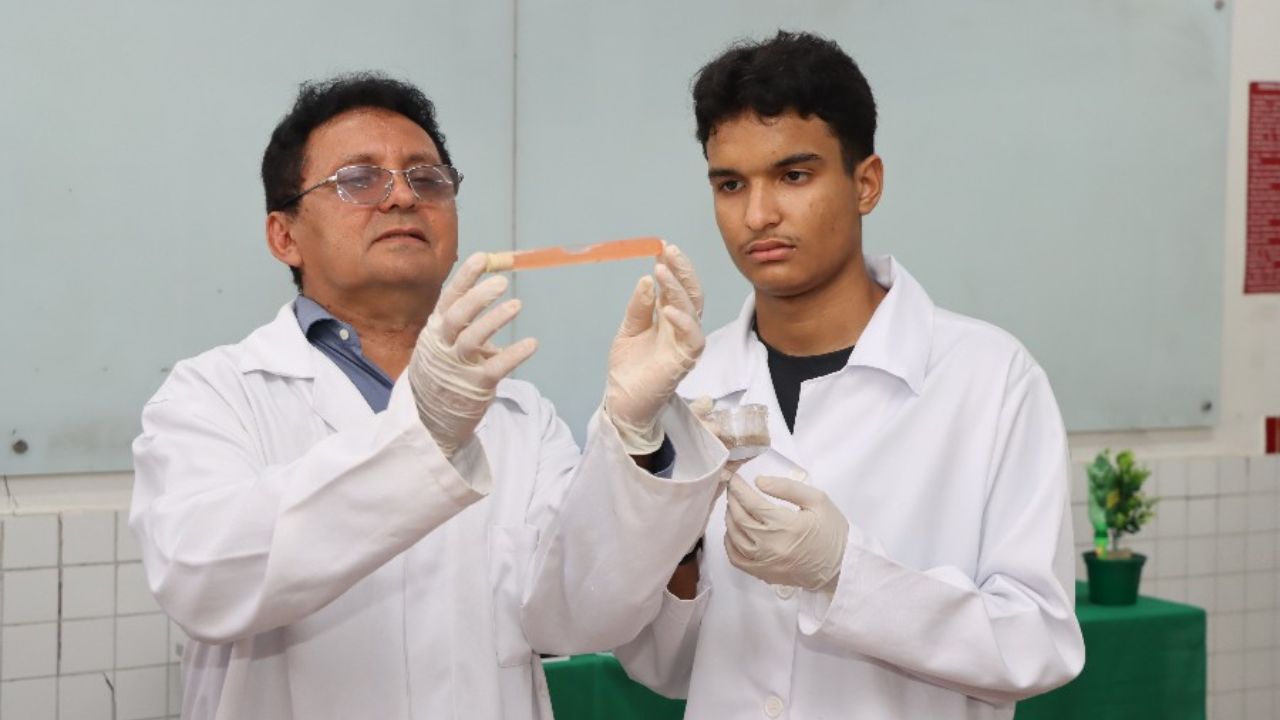


Research In Maranhão Identifies Bacterium Capable Of Reducing Pesticide Use, Lowering Costs, And Strengthening Family Farming In Areas Pressured By Agribusiness.
Producing food without compromising people’s health or environmental balance is still one of the biggest challenges facing Brazilian agriculture. In regions where pesticide use has intensified in recent years, such as Maranhão, a scientific discovery could represent a turning point.
Researchers from the State University of Tocantina Region of Maranhão (UEMASUL) identified a bacterium capable of reducing dependence on chemical fertilizers and agricultural poisons, offering a particularly promising alternative for family farming.
The study was conducted within the context of MATOPIBA — an area that includes Maranhão, Tocantins, Piauí, and Bahia — known for the rapid expansion of agribusiness.
-
INMET danger alert: heavy rains between the 3rd and 4th may drop up to 100 mm/day and winds of 60 to 100 km/h in several regions of Brazil require extra caution.

-
The parts crisis may bring back the drop notch and microSD in 2026; while Windows 11 promises to become lighter, leaks mention batteries of up to 10,000 mAh and 200 MP cameras.

-
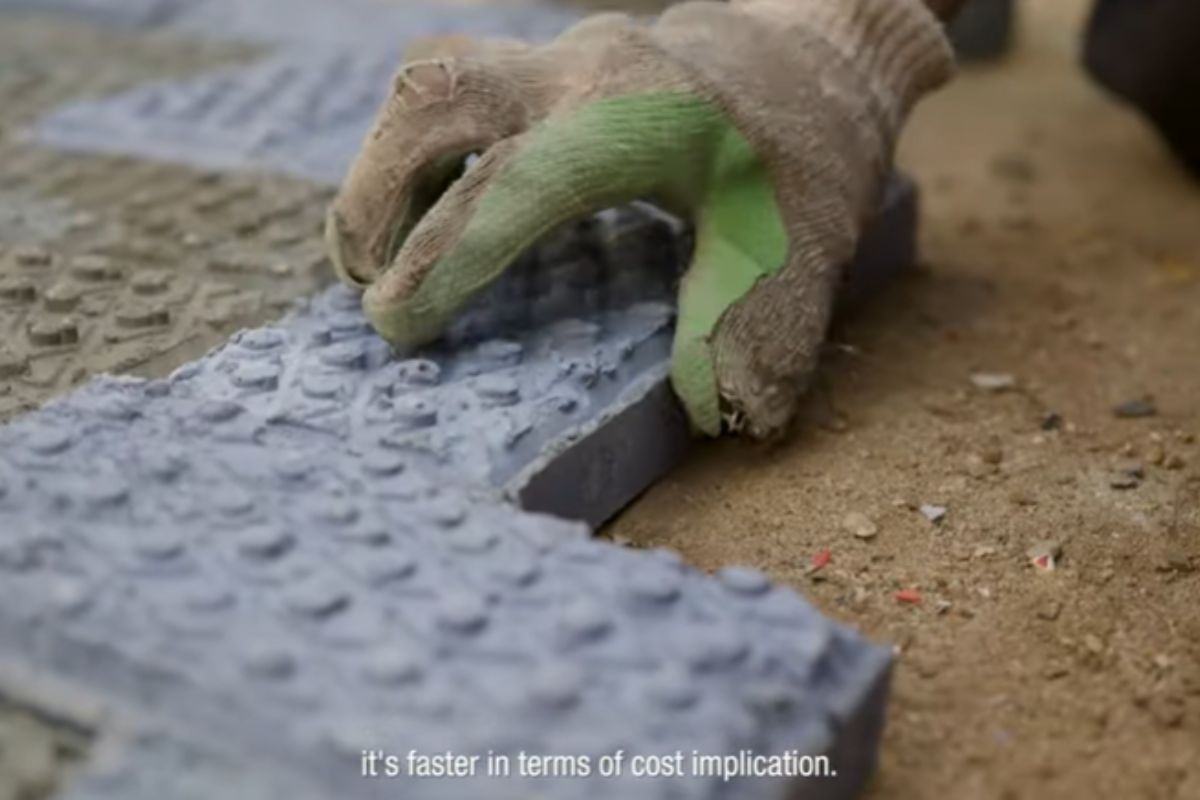
In Kenya, engineer Nzambi Matee created “bricks 2.0” using packaging plastic: a mixture with sand, heated and pressed; they are 5 times more resistant, already have official licensing, and are being used in streets and construction projects.
-
More than 20,000 positions could be opened, and thousands of technicians are starting to be trained in Brazil, as the expansion of data centers creates an urgent race for professionals to keep the internet, cloud, and artificial intelligence running 24 hours a day.


Although this agricultural frontier attracts significant investments, it also accumulates frequent reports of environmental and human contamination due to pesticides, making this research even more relevant.
Numbers Reveal The Urgency Of Alternatives To Pesticides
The rise in pesticide use in Maranhão has left increasingly visible marks. Data from the Pastoral Land Commission (CPT) shows that, among the 182 reports of contamination by these products in Brazil during the first half of 2024, 156 occurred in the state.
The leap is significant when compared to the same period in 2023, with an increase of almost ten times.
This scenario helps explain why researchers, farmers, and local communities have begun to seek solutions capable of reducing dependence on chemical inputs, especially in regions where the pressure from agribusiness has intensified in recent years.
Bacteria To Reduce Pesticide Use: A Discovery That Emerged Outside The Original Plan
While the debate about pesticides is at the center of this research, the bacterium was not identified in a study initially focused on that goal.
The discovery occurred during experiments with organic biofertilizers used in the production of palms intended for carbon sequestration.
It was in this context that researchers observed the activity of an unknown microorganism.
After a series of microbiological, agronomic, and genetic analyses, the team confirmed that it was a non-pathogenic bacterium, posing no risk to human or animal health.
The new strain has been named Mycobacterium Agroflorensis.
Natural Functioning And Direct Impact On Soil
Unlike conventional chemical fertilizers, Mycobacterium Agroflorensis operates by respecting the natural processes of the soil.
Its main function is to facilitate the availability of essential nutrients for plant development, such as nitrogen, phosphorus, potassium, iron, and vitamins.
Tests conducted in pots, monitored agricultural greenhouses, and environmental simulations indicated significant gains.
Among the observed results are increased chlorophyll, greater water retention in the soil, more balanced plant growth, and enhanced carbon sequestration capacity.
According to the professor of Biological Sciences and research coordinator, Zilmar Timóteo Soares, the data points to a possible change in agricultural management practices.
“Germination with chemical fertilizer is faster, but growth with the microbacterium is healthier.
The plant grows more, becomes greener, consumes less water, and carries no chemical residues,” he explains.

Gains Go Beyond Productivity
The tests also involved crops common to family farming, such as papaya, cassava, beans, and corn.
In addition to increased production, researchers identified improvements in the nutritional quality of the harvested foods.
For Zilmar, this difference is essential for the debate on food security.
“It’s no use producing a lot if it comes with diseases caused by food contamination. Food security is about quantity and quality,” he asserts.
Family Farming As The Axis of Transformation
The discovery becomes even more relevant when viewed through the lens of family farming.
Data from the 2024 Statistical Yearbook of Family Farming indicate that the sector accounts for about 23% of the gross value of agricultural production and for 67% of occupations in rural areas. Furthermore, it drives the economy of 90% of Brazilian municipalities with up to 20,000 inhabitants.
Even occupying only 23% of arable land, family farmers are responsible for a large part of the food consumed daily in the country.
In MATOPIBA, however, this model faces increasing difficulties, especially due to intensive pesticide use.
“Our goal is to develop a technology accessible to the simplest farmer, that can be used without environmental or health risks,” emphasizes Professor Zilmar.
The Vision Of Those Who Work Directly In The Field
In the green belt of Imperatriz, Maranhão, the impacts of prolonged pesticide use are already part of the producers’ routine.
Horticulturist and agronomist Massao Takaoka reports the challenges faced in soil management.
“I use the minimum possible, but there are many problems with nematodes, a soil worm, perhaps due to some type of pesticide use or because natural enemies in the land have been eliminated, causing an imbalance,” he reports.
In cabbage production, Massao was able to completely eliminate the use of pesticides during the harvest.
When asked about adopting biological solutions, he is direct: “For sure.”
What Lies Ahead
Despite the promising results, Mycobacterium Agroflorensis will still undergo two to three more years of tests in open soil, environmental assessments, and patent registration processes before reaching the market.
Even so, the bacterium is already seen as one of the most promising alternatives to reduce the impacts of agribusiness in sensitive regions.
If the results are confirmed on a large scale, the technology could reduce soil and water contamination, lower production costs, and strengthen those at the base of Brazilian food: family farming.









Muito importante este tipo de defensivo natural, praticamente elimina o uso daqueles aviões pulverizando as plantações e contaminando propriedades em volta dos grandes produtores. Porém acho que a indústria química vai fazer de tudo para evitar que isso avance. Ainda mais tendo uma boa parte do agronegócio e do congresso com uma mentalidade bem atrasada. Vamos ver no futuro !
171. Só ignorante embarca nessa.
Matéria mais ****…..agora os micro-organismos só atuam em pequenas produtores. agricultura familiar….esse defensivo microbiana não atua em plantações maiores.
Faltaram informações importantes nesse artigo, sim, mas o que se deu a entender foi a associação ao pequeno produtor pelo custo x benefício. O grande produtor visa produção à curto prazo, que nem sempre são as mais favoráveis ao solo e à cultura cultivada.