





 Portuguese
  English
  Spanish
  4 min of reading
  0 comments


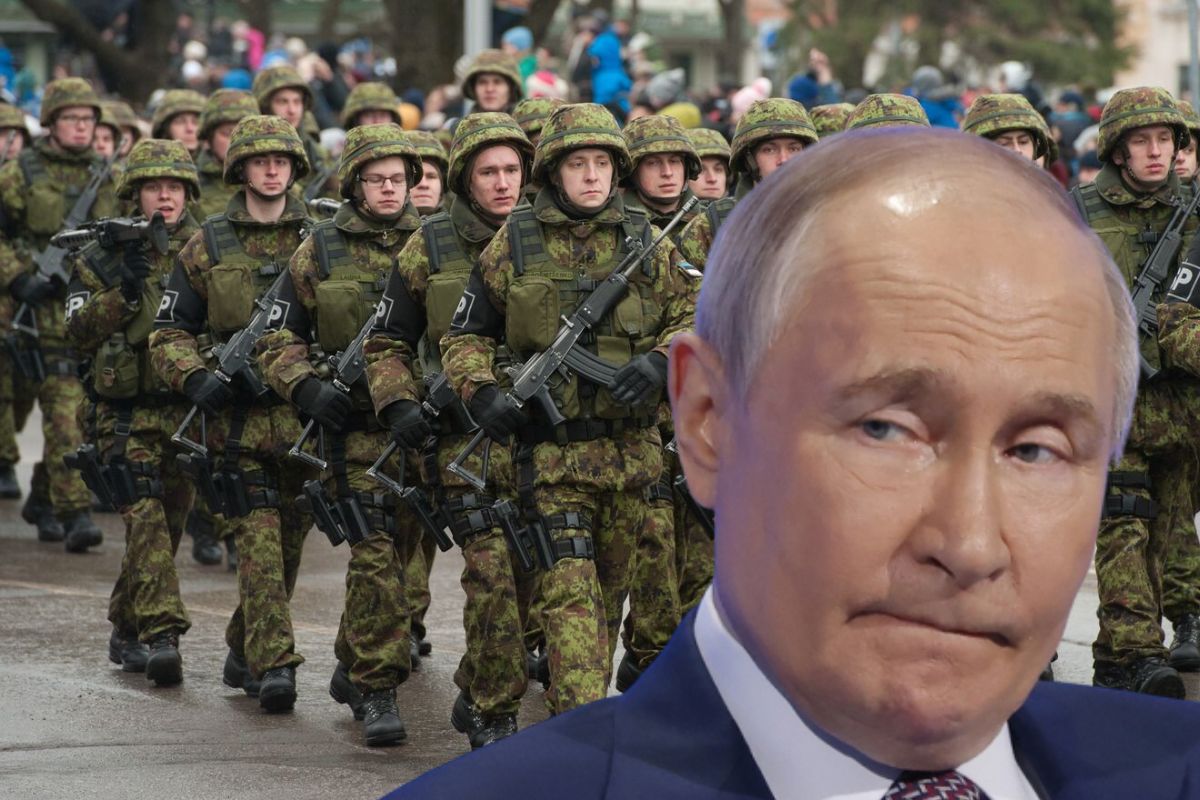
On The Border With Russia, Estonian City With Russian-Speaking Majority Strengthens Defenses And Trains Civilians, Fearing To Be The Next Target Of Moscow And A Trigger Of World War.
There is a city in Europe actively preparing for a possible war. It is Narva, located in Estonia, directly on the border with Russia. With the majority of the population speaking Russian, the city is seen as a vulnerable point. The Estonian government fears a Russian invasion, similar to Moscow’s actions in Ukraine and Georgia.
Therefore, Narva and Estonia are strengthening military and civilian defenses. A conflict there could have global consequences, involving all of NATO.
The Geography Of Narva
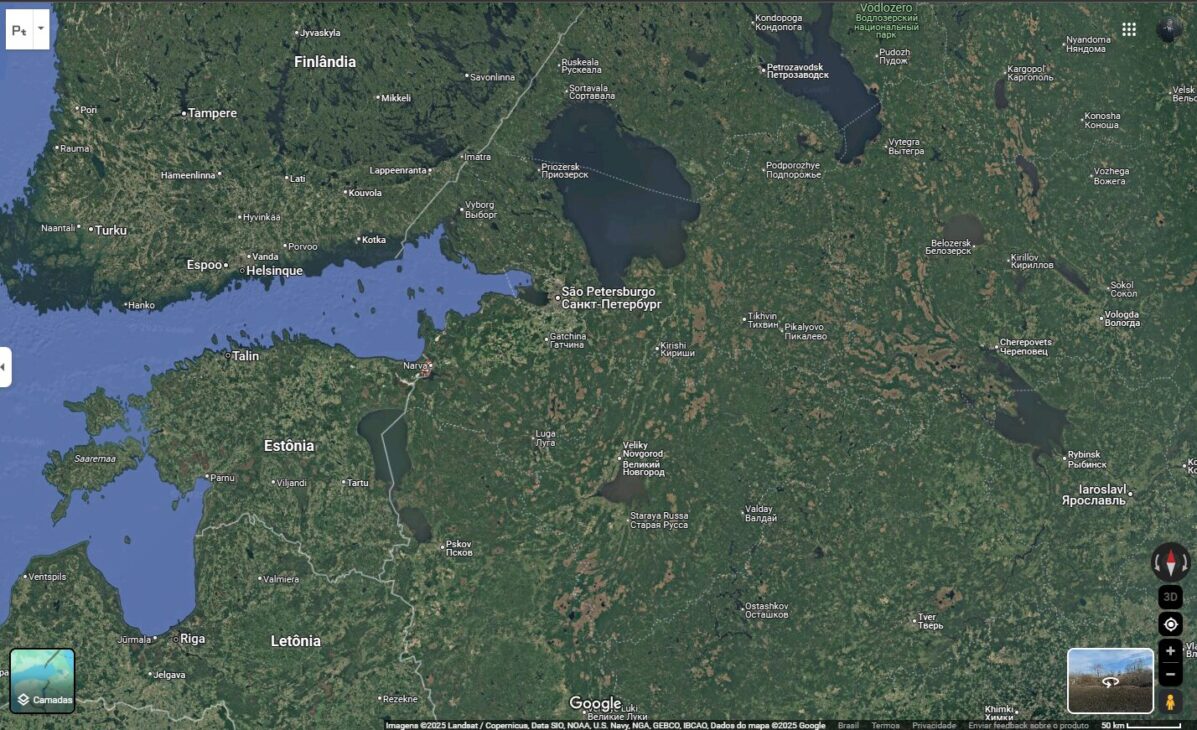
Narva is the easternmost city in Estonia. The country is a member of the European Union and NATO. The physical border with Russia is marked by the Narva River, which is about 150 meters wide. On the other side of the river is the Russian city of Ivangorod, with military presence.
-
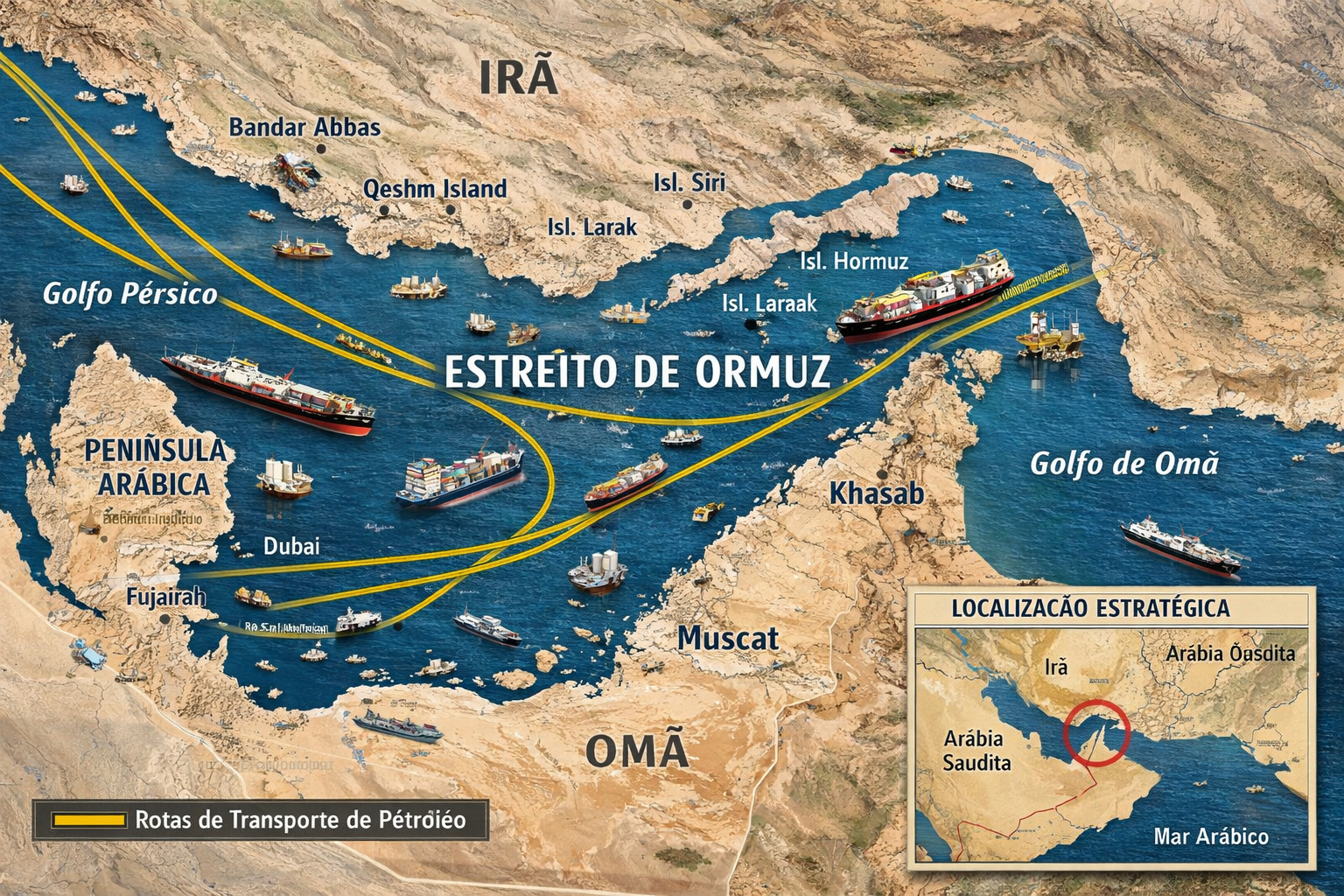
Global summit with over 40 countries pressures Iran for a blockade in the Strait of Hormuz and warns of direct impact on oil, food, and the global economy.
-
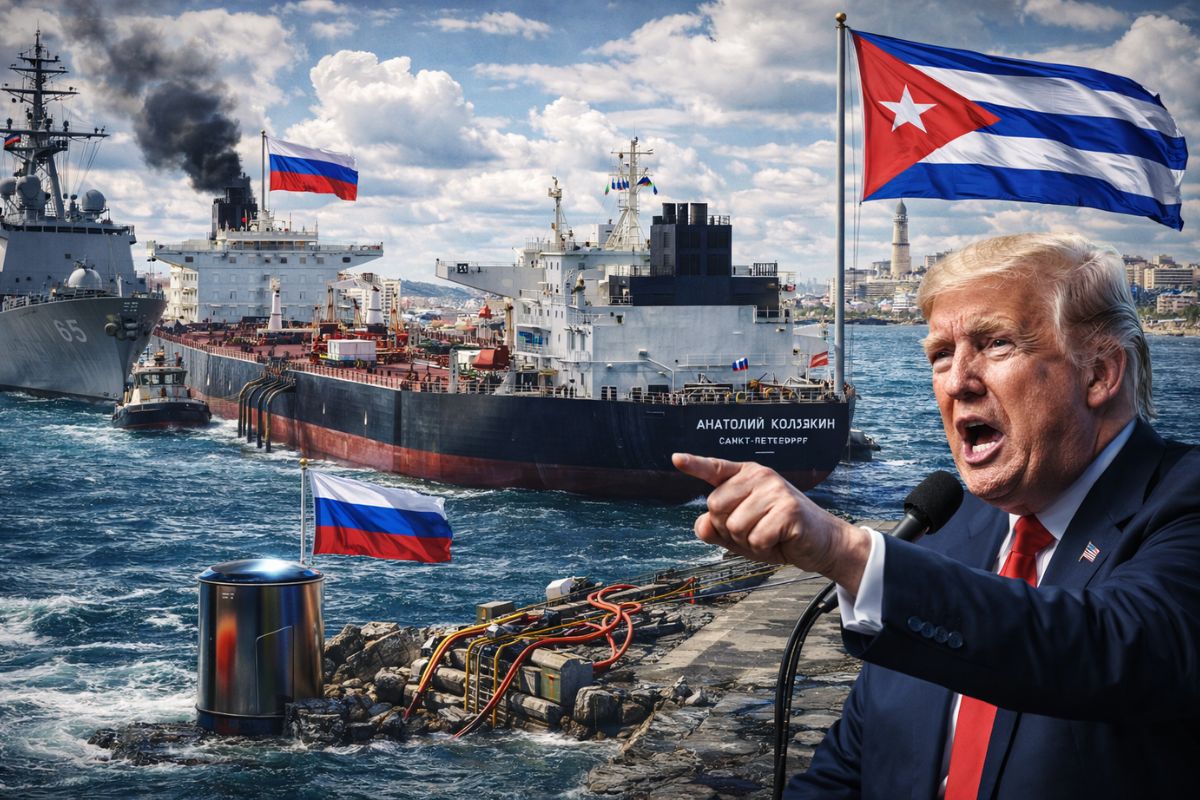
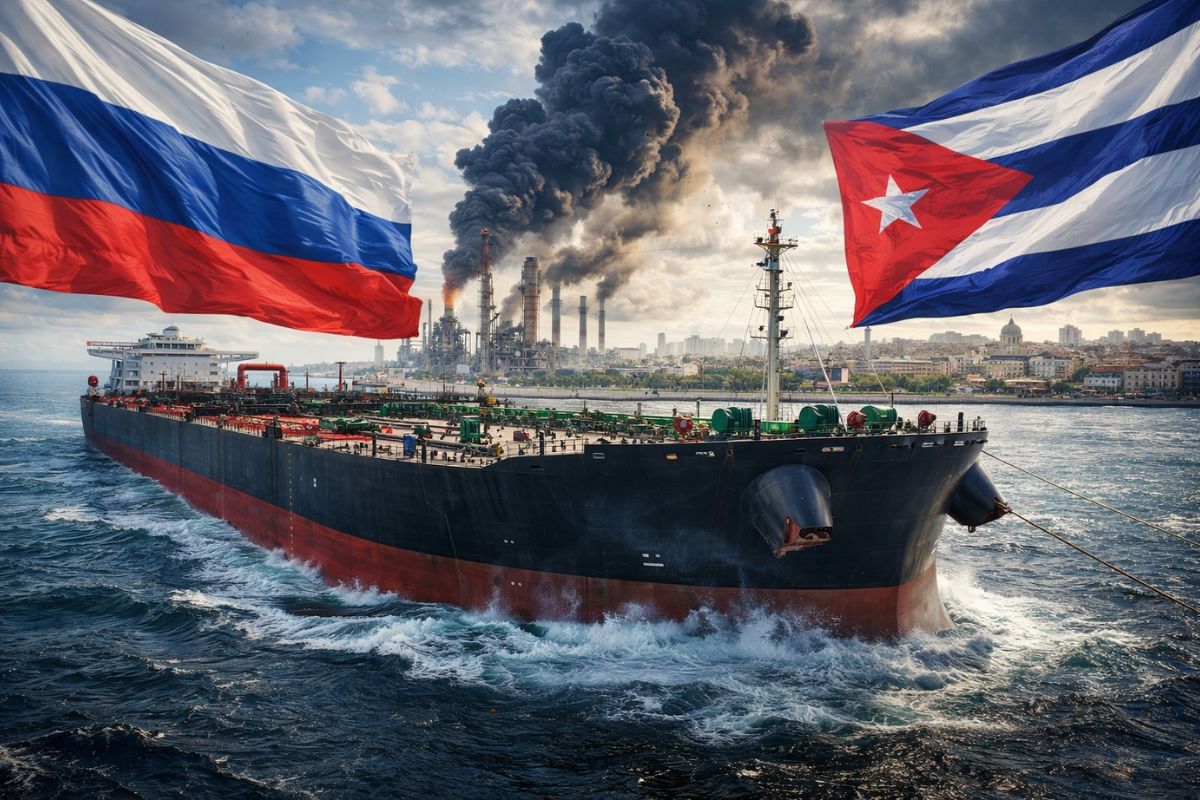
Russia has broken the U.S. maritime blockade to send oil to Cuba and is now loading a second ship while Trump says that “Cuba is next” in a possible military action against the island.
-
Spain challenges the USA and closes its airspace for operations against Iran, raising global tension and provoking the threat of a trade rupture.
-
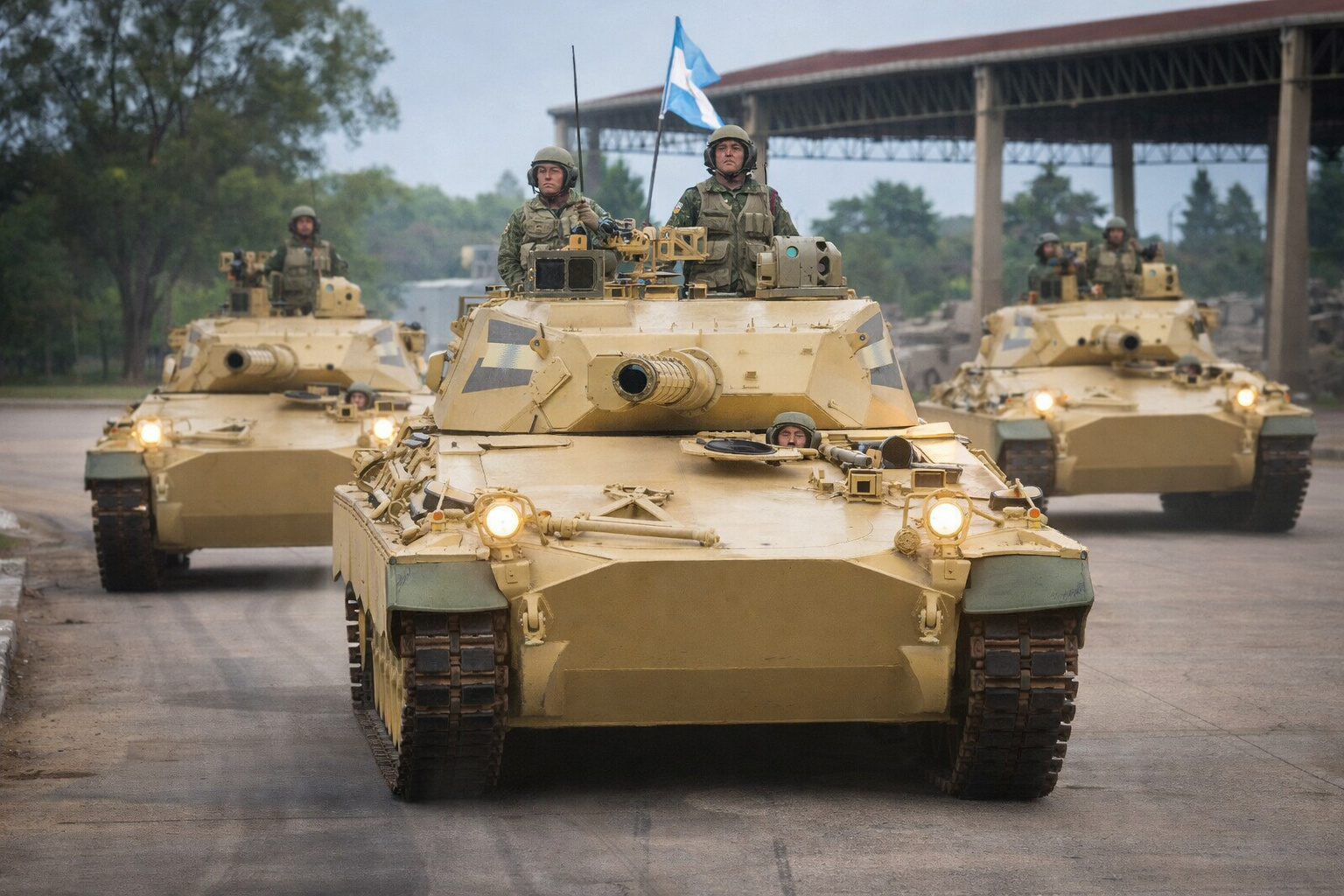
While no other country manufactures tanks in Latin America, Argentina activates the TAM 2C-A2 and raises a curiosity about the technological lag in the region.

A single dual-lane bridge, measuring 162 meters, connects the two countries. During the Soviet era, it was called the “Friendship Bridge.” Narva is 210 km from the Estonian capital, Tallinn, and only 160 km from St. Petersburg in Russia.
Why Does Estonia Fear A Russian Attack In Narva?
The main concern of Estonia is the demographics of Narva. About 96% of its residents speak Russian. This makes the city a potential target for Russian policy of “protection” of Russian-speaking populations. Russia has used this justification to intervene militarily and annex territories in Georgia (2008), Crimea (2014), and eastern Ukraine (2022 and 2024).
The argument is to defend the interests of these peoples, even violating the sovereignty of other countries. Before the invasion of Ukraine in 2022, Putin accused the neighboring country of “genocide” against Russian speakers. Estonian authorities, such as Prime Minister Kaja Kallas in 2023, assert that Russia cannot be trusted.
Bunkers, Trenches, And The New Campo Rito Base
In the face of the threat, Estonia is taking action. More than 600 bunkers are being built inside and around Narva. Trenches, tank traps, and observation towers are being installed at the border. Military readiness zones have been activated to ensure a quick response. Less than 20 km from Narva, the Campo Rito military base is under construction.
It is the first base in the country since the Cold War, designed to accommodate 1,000 soldiers. The focus is on advanced defense, rapid troop movement, and integration with NATO. Estonia is also expanding its reserve forces from 24,000 to 43,000 soldiers by 2028. Military training has been adapted for real combat and enemy delaying tactics.
NATO Cooperation
Estonia’s preparation occurs in coordination with NATO. The country has increased its defense investment to 3.3% of GDP, one of the highest in the alliance. Troops from other NATO members are present in the country, such as British soldiers. American rockets have been installed in Estonian territory. Countries like Poland and Norway have sent heavy equipment, including missiles, armored vehicles, and drones.
Joint military exercises with American, French, and British forces were conducted in the region at the end of 2024. Estonia has also strengthened ties with Finland and Sweden, enhancing NATO’s control over the Baltic Sea.
The Strategy To Involve Civilians In Resistance
Estonia knows that, in the event of an attack, it will need to resist alone in the first hours. Therefore, it adopts a plan of “Total Defense.” The strategy combines military forces with the preparation of the civilian population. The Estonian Defense League, a voluntary militia, has over 20,000 members. The Women’s Volunteer Defense Organization trains women in logistics, surveillance, and cybersecurity.
Young people receive physical training and security awareness. The idea is not to evacuate but to arm and train civilians to resist, destroy bridges, block roads, and preserve supplies. The goal is to buy time until NATO reinforcements arrive and avoid quick territorial losses like those of Ukraine in 2022.
Other Fronts In The Conflict

Tension is not just military. Estonia faces intense Russian intelligence activity. Cyberattacks (over 4,500 registered in 2022) and Russian disinformation campaigns have increased. The goal is to divide Estonian society and destabilize the government. In 2024, the Estonian police arrested suspects linked to Russian espionage networks. In response, the Estonian government is also working to reduce Russian influence internally. It approved laws in 2022 to remove Russian from schools, control media linked to Moscow, and remove Soviet monuments.
The population of Narva knows the horrors of war. The city was the site of one of the bloodiest battles of World War II in 1944, being completely destroyed. Despite marginalization during the Soviet occupation, Estonian identity survived. The question of the loyalty of the Russian-speaking population in a new conflict persists.
The Trigger Of The Third War? The Serious Consequences Of An Attack On Narva
The scenario in Narva is tense due to its global implications. As Estonia is a NATO member, a Russian attack on Narva would activate Article 5 of the treaty. This collective defense clause obliges all members of the alliance to defend the attacked country. This could drag the entire West into a direct conflict with Russia. It would quickly turn a localized invasion into a Third World War. Estonia and its allies are preparing to avoid this scenario, but the risk is considered real.







Seja o primeiro a reagir!