





 Portuguese
  English
  Spanish
  4 min of reading
  0 comments


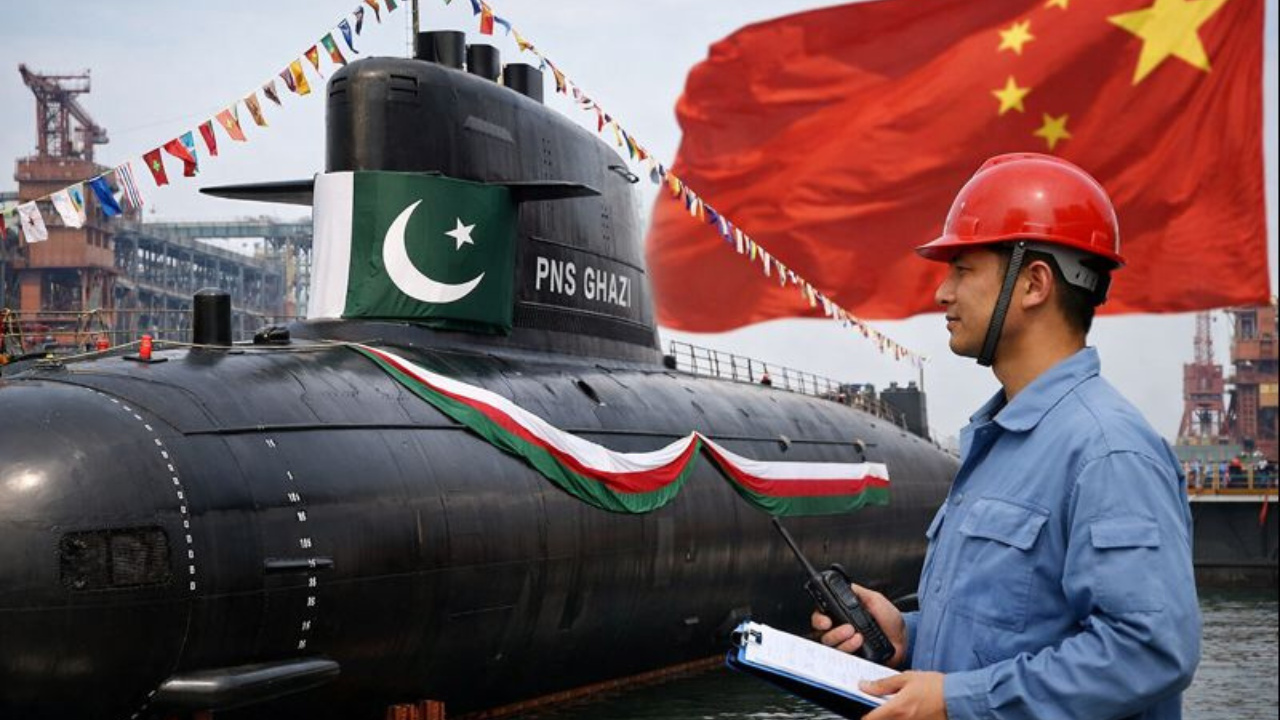
Hangor Submarines with Air-Independent Propulsion Modernize the Pakistan Navy and Strengthen Military Cooperation with China.
The Pakistan Navy announced on the 17th the launch of another attack submarine of the Hangor class, the PNS Ghazi, built in China.
The event took place at the Wuchang Shipbuilding Industry Group shipyard as part of an agreement made in 2015 with Beijing.
This initiative strengthens the naval modernization of the country, enhances its deterrence capacity, and reinforces China-Pakistan Military Cooperation, especially in light of strategic disputes in the Indian Ocean.
-
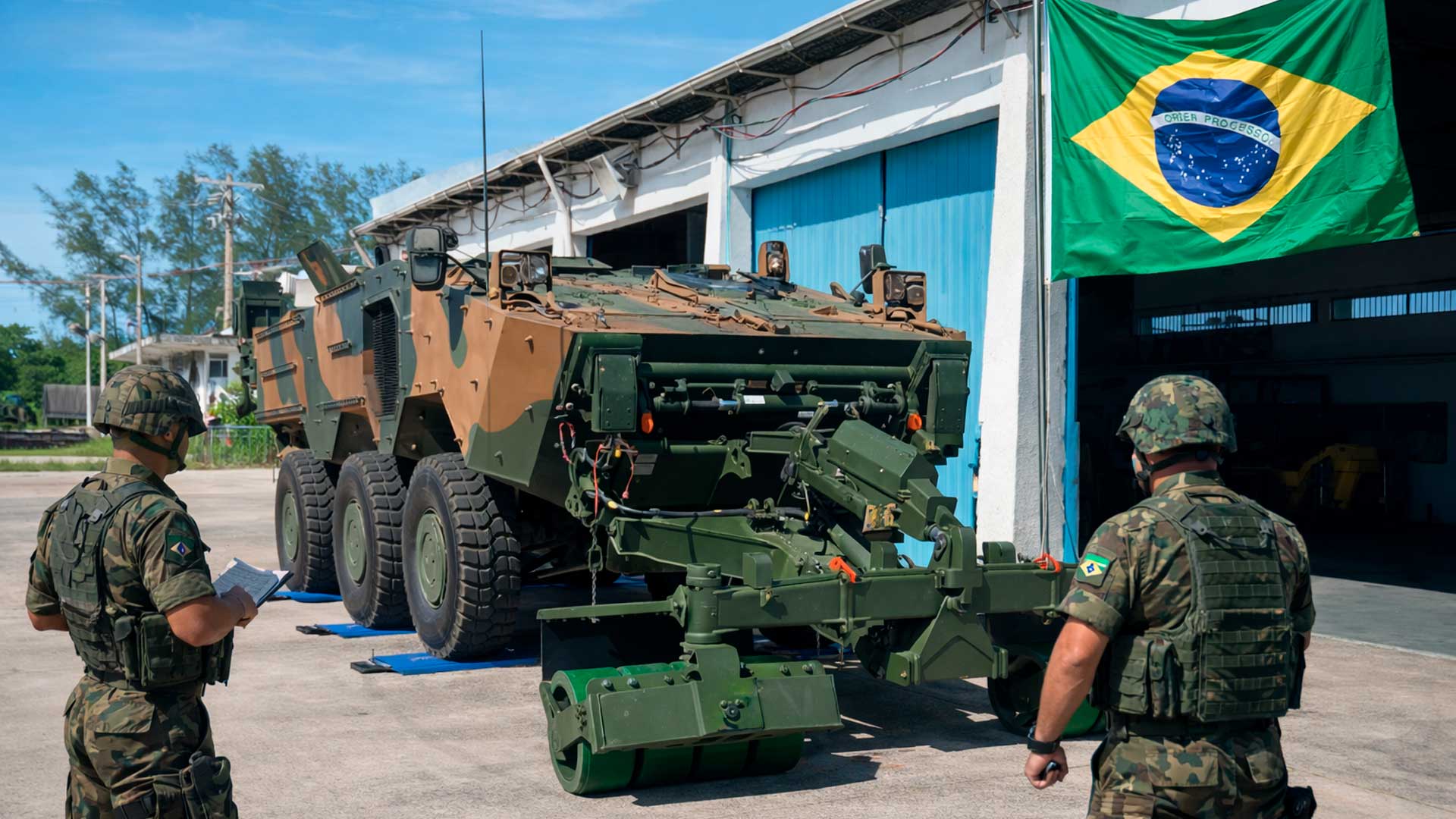
Brazil advances with decisive tests until June, the 6×6 Guarani armored vehicle with engineering equipment enters the most important phase and can enhance the operational capability of the Army.
-
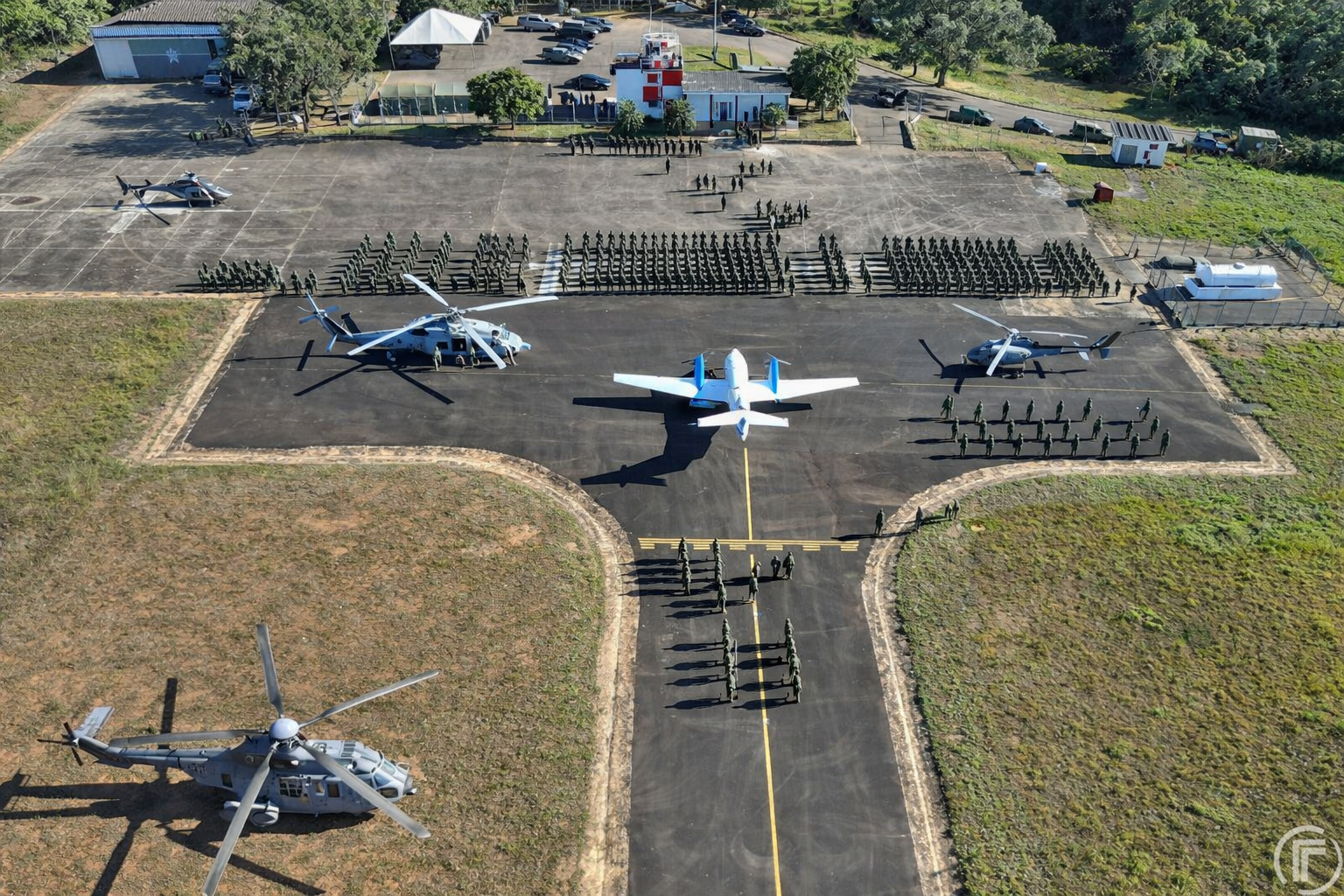
Furnas Airport is handed over to the Navy and becomes a strategic base with complete military operations, attack drones, and international mobilization at Furnas Lake.
-
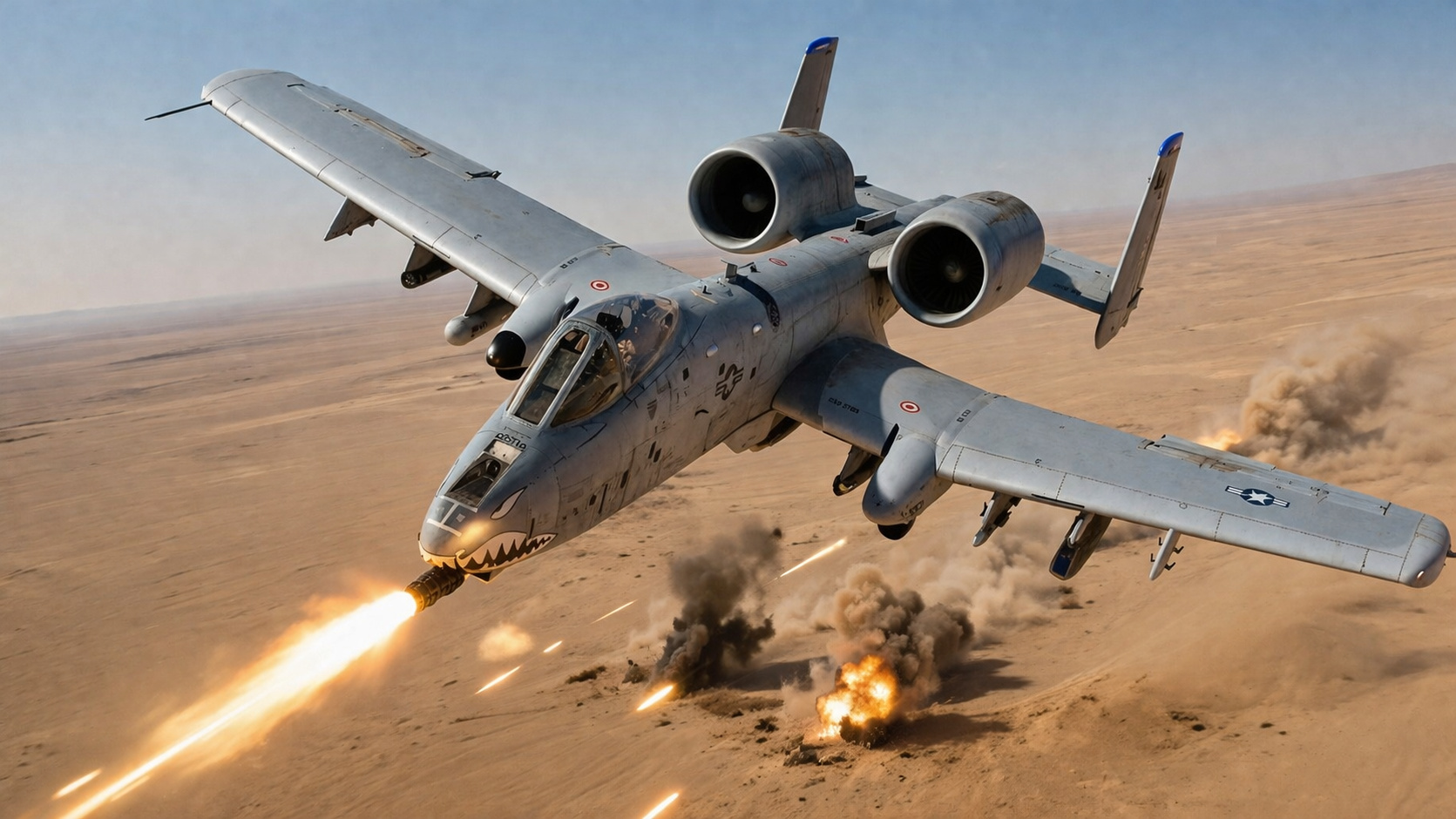
Few people know, but “mega burst” attacks from the A-10 in the Middle East are intriguing analysts and even experienced former pilots of the U.S. Air Force.
-
Manufactured in Brazil and exported to Saudi Arabia and Malaysia, the ASTROS system is renamed as Fogos in 2026, gaining AI, cruise missiles with a range of 300 km, and air defense costing R$ 3.4 billion, transforming a launcher from the 1980s into the most ambitious multidomain platform in Latin America.

Hangor Submarines Mark Strategic Advancement of the Pakistan Navy
The launch of the PNS Ghazi represents a decisive step in the fleet renewal program of the Pakistan Navy.
The vessel is the fourth submarine of the Hangor class produced at Chinese shipyards, completing this initial phase of the bilateral contract.
Additionally, the project foresees the construction of four more units in Pakistani territory, at the Karachi Shipyard and Engineering Works, within a broad technology transfer program.
Thus, Islamabad aims not only to enhance its naval power but also to develop its own industrial capabilities.
China-Pakistan Military Cooperation Goes Beyond Submarines
The Hangor class is based on the Chinese model Type 039B, adapted to Pakistani operational needs.
This diesel-electric model prioritizes stealth, acoustic silence, and mobility in modern naval warfare scenarios.
Therefore, the project symbolizes more than just a simple arms purchase.
It reflects the deepening of China-Pakistan Military Cooperation, which also includes joint programs for frigates and integrated combat systems, as highlighted by the Global Times newspaper.
Air-Independent Propulsion Expands Submarine Autonomy
One of the main differentiators of the Hangor Submarines is the use of Air-Independent Propulsion, known by the acronym AIP.
This technology allows submarines to remain submerged for significantly longer periods without the need to surface for oxygen.
Meanwhile, this capability enhances operational discretion, reduces the risk of detection, and broadens the strategic reach of naval missions.
In modern conflicts, submerged autonomy has become a decisive factor for the balance of power at sea.
Offensive Capability Includes Cruise Missiles
According to Pakistani media, the Hangor Submarines are equipped to operate with standard torpedo tubes and cruise missiles launched from submerged platforms.
Among them stands out the Babur-3, a subsonic missile developed by the country’s National Defense Complex.
According to official reports, the weapon was conceived based on reverse engineering of technologies associated with the BGM-109 Tomahawk, which Pakistani intelligence accessed following a U.S. attack in 1998.
Dimensions Place the Hangor Class Among the Most Modern
Public estimates suggest that the Hangor class submarines are between 76 and 77 meters long and have an approximate displacement of 2,800 tons.
These figures position the vessels at a comparable level to that of the leading contemporary conventional units.
Moreover, the combination of size, armament, and Air-Independent Propulsion provides the Pakistan Navy with a more balanced operational capacity that aligns with current regional challenges.
Timeline and Commissioning
The contract signed in 2015 outlined the delivery of the eight submarines between 2022 and 2028.
The first unit was launched in April 2024, followed by new batches in March 2025.
The PNS Ghazi is now the fourth and final submarine produced at Chinese shipyards.
According to Pakistani authorities, the units built in China are expected to begin their operational incorporation from 2026, gradually reinforcing the country’s presence in the Indian Ocean.
Geopolitical Impact in the Indian Ocean
The expansion of the submarine fleet occurs in a context of increasing geopolitical competition in the Indian Ocean, a vital route for global commerce and international energy flow.
Thus, the Hangor Submarines enhance Pakistan’s deterrence capacity and reinforce its strategic role in the region.
Prior to this program, the Pakistan Navy operated French submarines of the Agosta-70 and Agosta-90B classes, equipped with previous generation AIP systems.
The new units represent a significant leap in autonomy and combat capability.
Military Power and Regional Scenario
In 2025, Pakistan ranked 12th in the global military power ranking of the Global Firepower Index.
Still, investment in the Hangor Submarines indicates a clear strategy for naval modernization and repositioning.
Therefore, the combination of advanced technology, China-Pakistan Military Cooperation, and focus on the Indian Ocean solidifies the submarines as one of the central pillars of Pakistan’s maritime defense in the coming decade.








Seja o primeiro a reagir!