





 Portuguese
  English
  Spanish
  4 min of reading
  0 comments


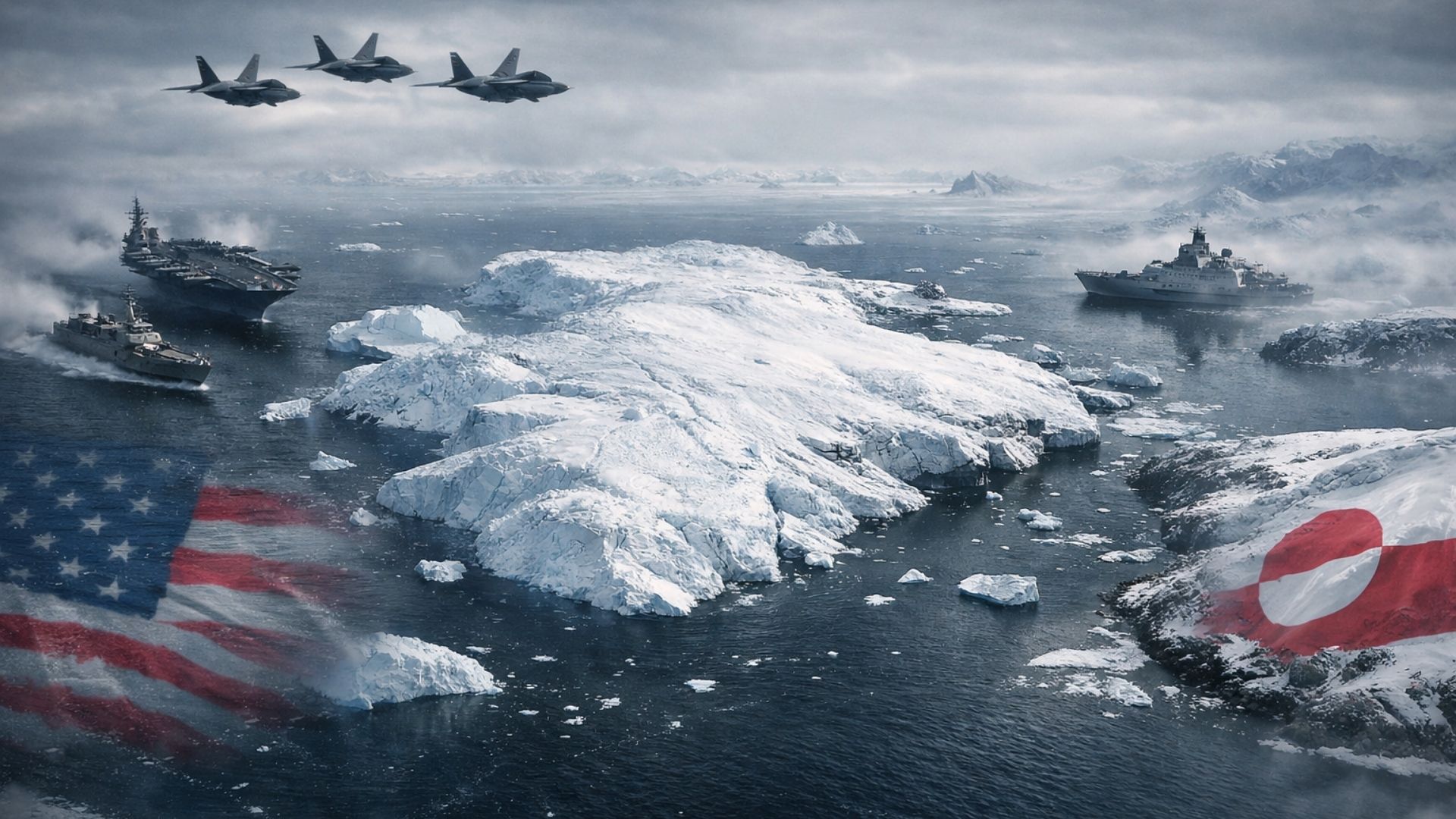
Diplomatic Tensions Involving US, Greenland, and Denmark Intensify After Trump’s Statements, Amid European Concerns Over Sovereignty, International Law, and Strategic Disputes in the Arctic, Aggravated by the Political Impact of the Recent US Operation in Venezuela.
Authorities in Greenland and Denmark have publicly reacted to the new statements from the President of the United States, Donald Trump, regarding the possibility of the Arctic island becoming part of American territory.
The reactions occurred in a context of increased international attention to Washington’s foreign policy, following the US operation in Venezuela that resulted in the detention of former President Nicolás Maduro, according to information released by American authorities and international media.
The Venezuelan episode has amplified the fallout from the statements about Greenland.
-
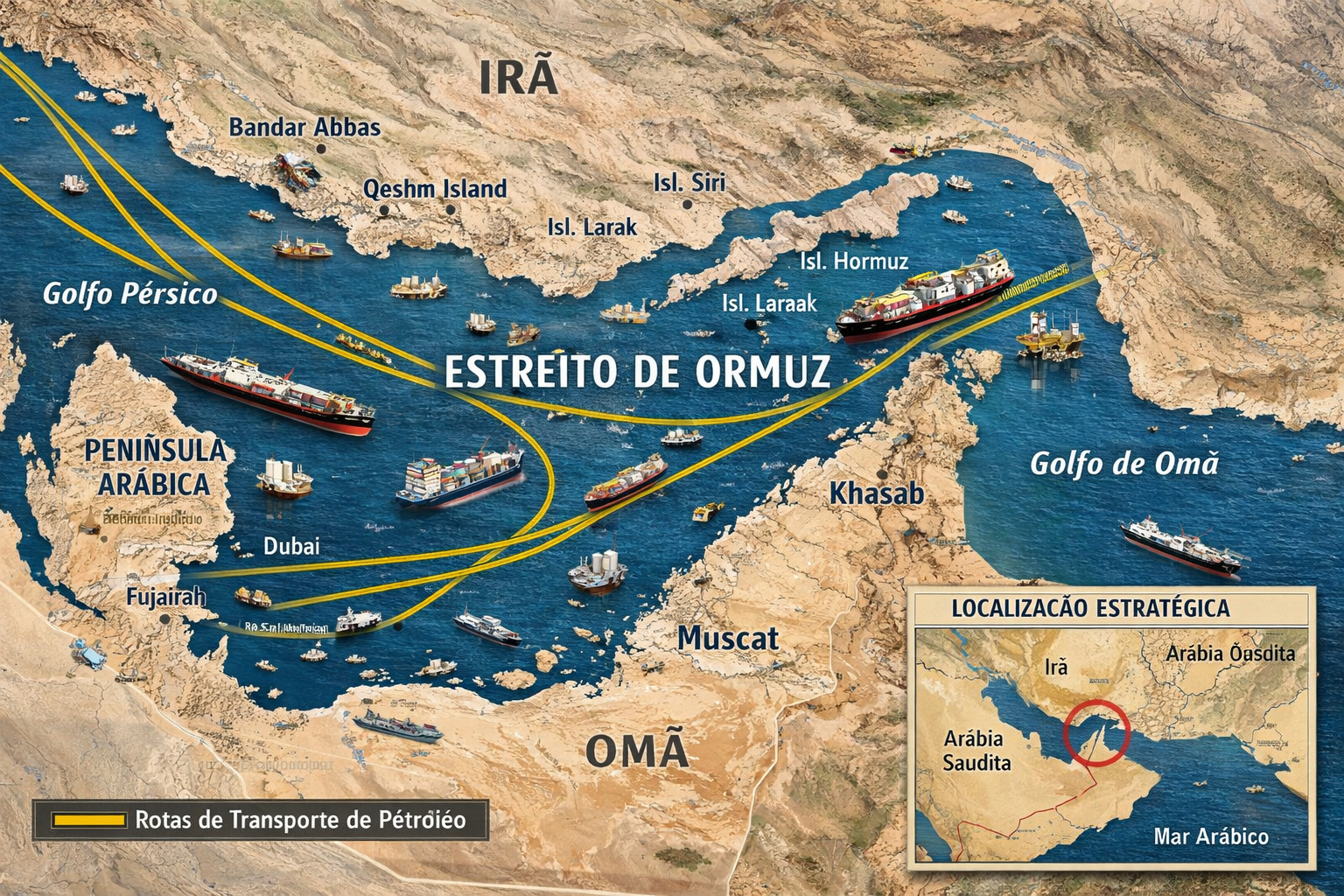
Global summit with over 40 countries pressures Iran for a blockade in the Strait of Hormuz and warns of direct impact on oil, food, and the global economy.
-
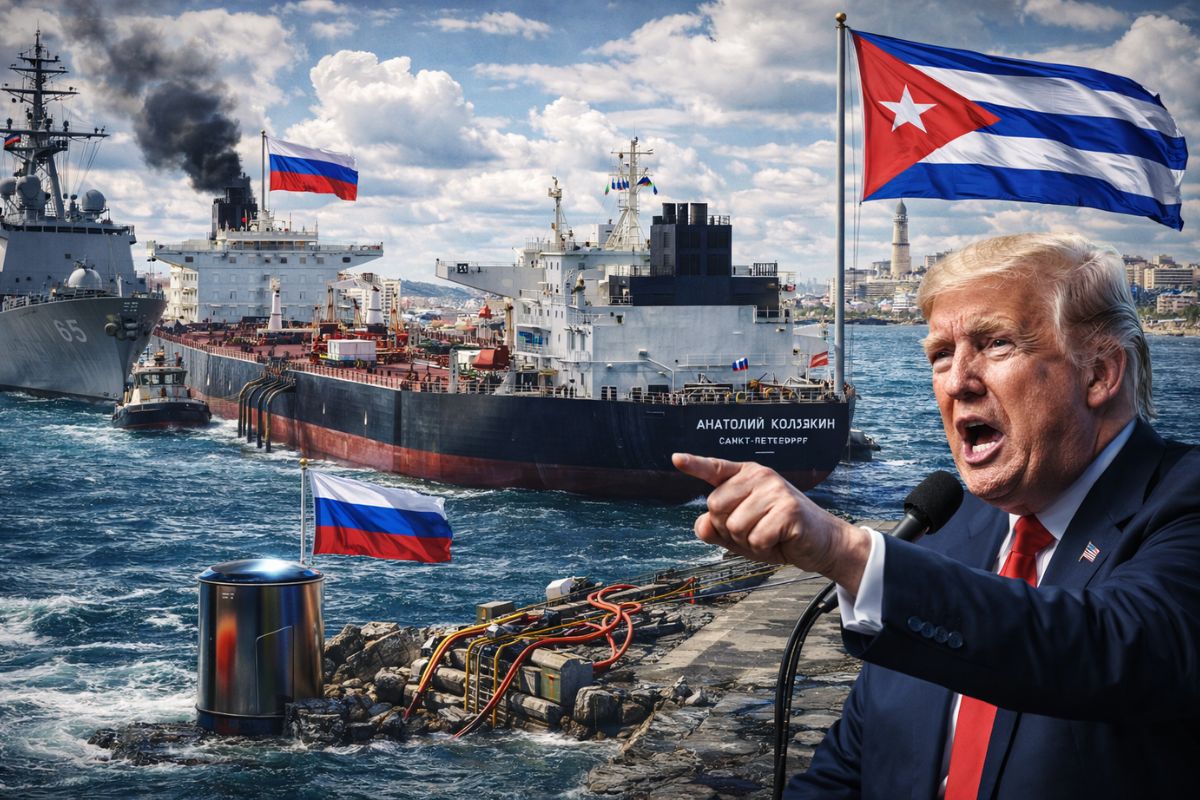
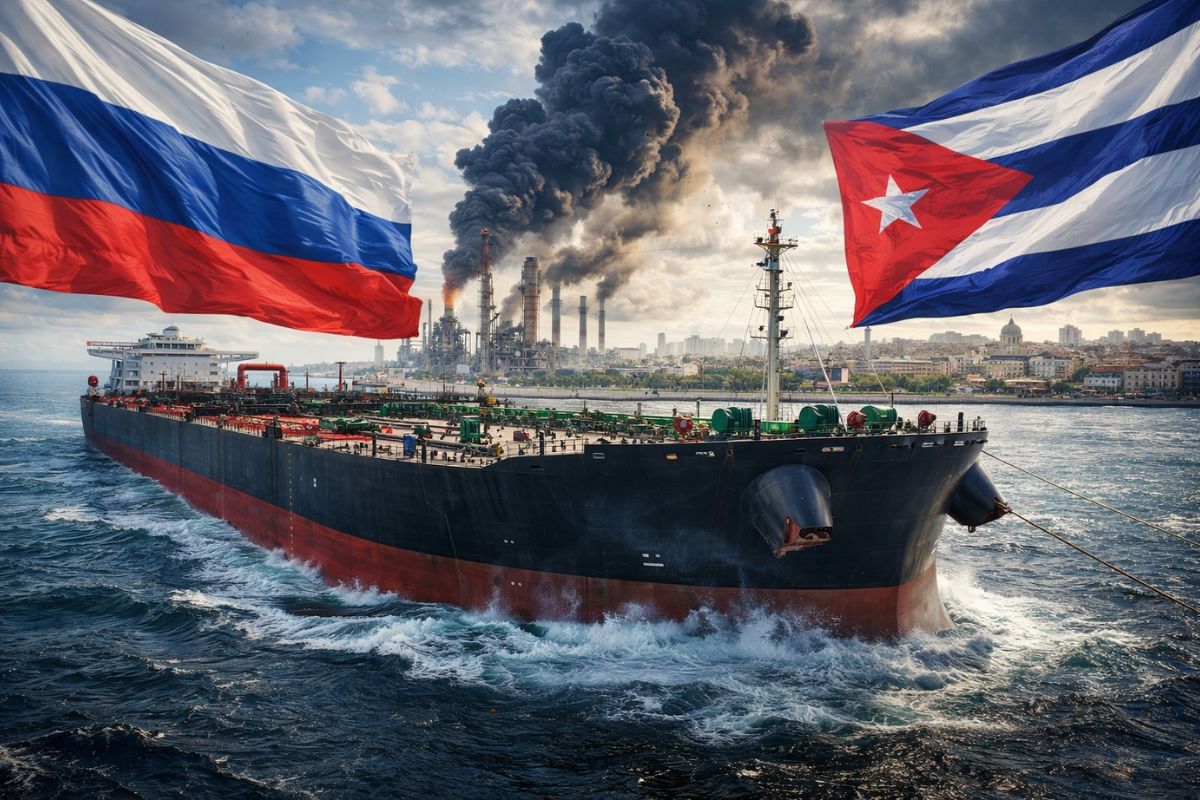
Russia has broken the U.S. maritime blockade to send oil to Cuba and is now loading a second ship while Trump says that “Cuba is next” in a possible military action against the island.
-
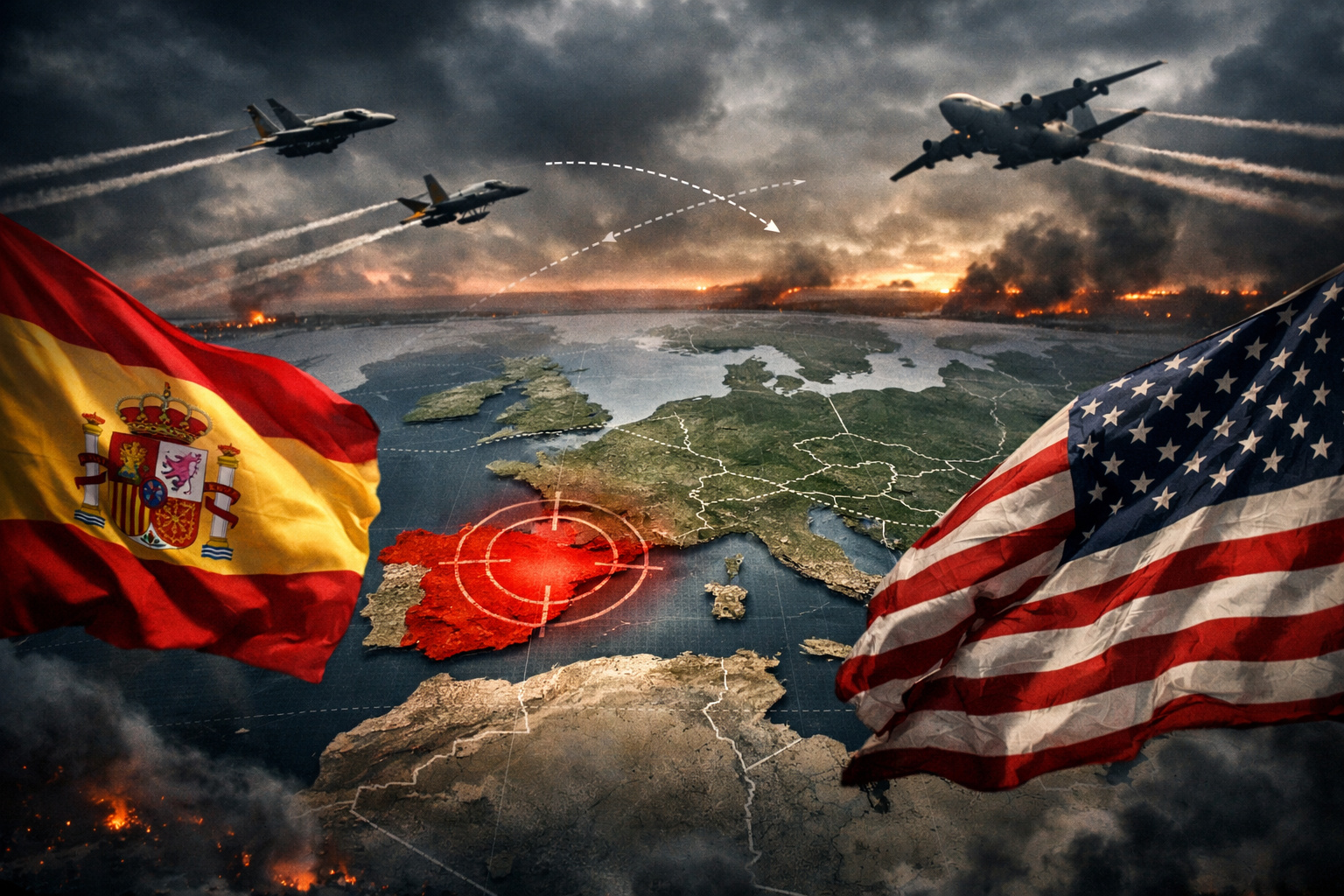
Spain challenges the USA and closes its airspace for operations against Iran, raising global tension and provoking the threat of a trade rupture.
-
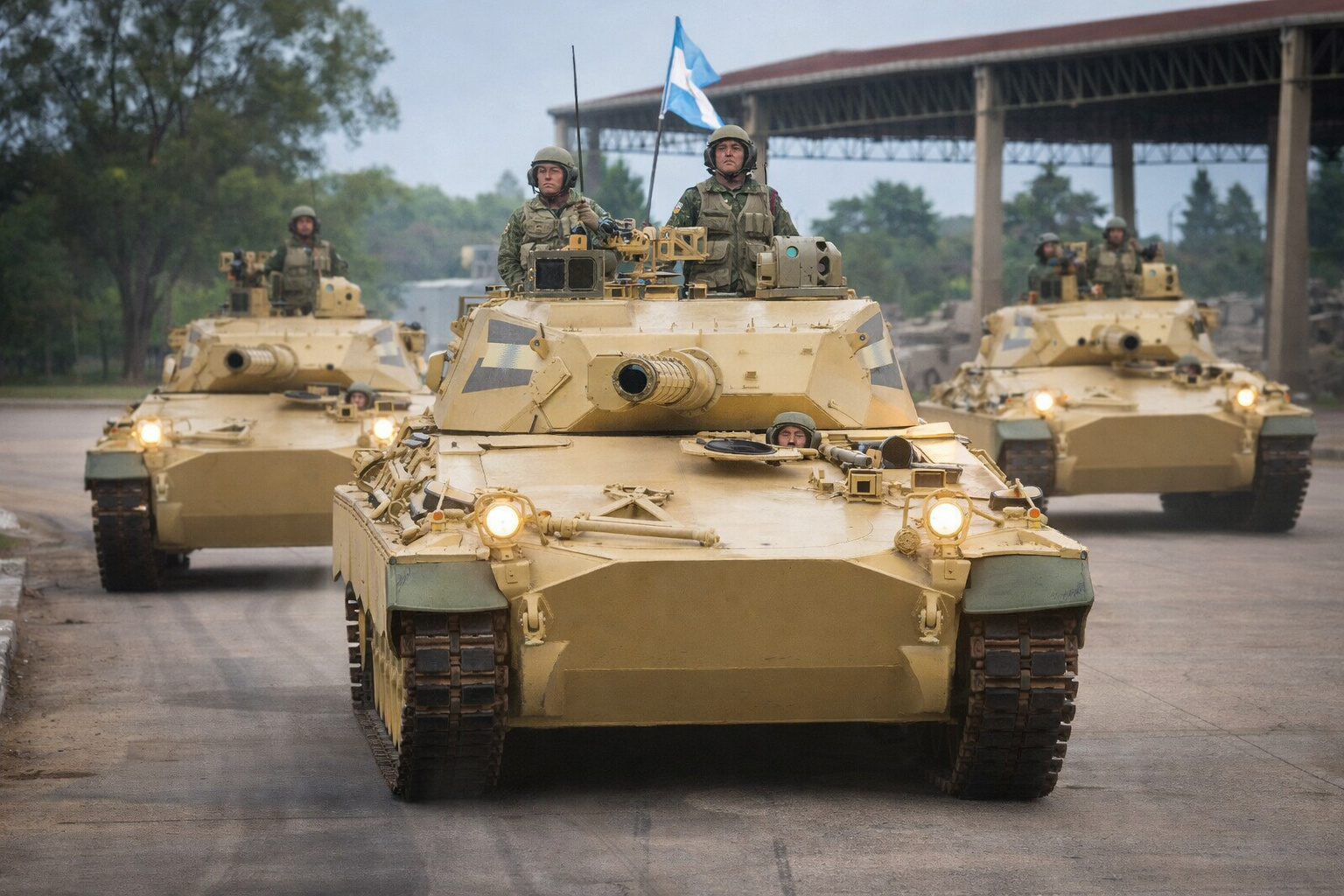
While no other country manufactures tanks in Latin America, Argentina activates the TAM 2C-A2 and raises a curiosity about the technological lag in the region.

International organizations and European governments have begun to assess the possible diplomatic impacts of the operation, publicly expressing concerns about precedents and the observance of international law.
Greenland’s Reaction to US Statements
The Prime Minister of Greenland, Jens-Frederik Nielsen, stated that “enough is enough” when commenting on the resumption of statements from Washington regarding a potential annexation.

In a social media post, the local government leader rejected what he described as “pressures, insinuations, and fantasies” and emphasized that the territory is open for dialogue, as long as it occurs through institutional means and with respect for international law.
According to Nielsen, the local government believes that any debate about the political future of the island should involve the Greenlandic population and respect existing democratic mechanisms.
This position reflects previous statements from autonomous territory officials, who reiterate that Greenland is not for sale.
Arctic Security and American Strategic Interest
The reactions came after Trump reiterated that the United States “needs Greenland” for national security reasons.
The statement was made to reporters and reiterated in an interview with The Atlantic magazine, according to reports from American and European outlets.
According to the President, Denmark would not have the capacity to ensure the defense of the territory on its own.
Greenland occupies a strategically considered position in the Arctic, a region that has been gaining geopolitical relevance due to disputes over maritime routes, military presence, and natural resources, according to recurring analyses from research centers and international security experts.
Besides the military aspect, the territory is mentioned in global debates for concentrating minerals classified as critical for high-technology sectors and energy transition.
Nonetheless, in the most recent statements verified by international media, Trump emphasized primarily arguments related to defense and national security.
Danish Government Rejects Annexation and Cites NATO
In Copenhagen, Prime Minister Mette Frederiksen described as “absolutely absurd” any argument supporting the US takeover of Greenland.

In statements to reporters, she urged Washington to stop what she described as threats directed at a historical ally.
The head of government reminded that Denmark, like Greenland, is part of the North Atlantic Treaty Organization, NATO, and is covered by the collective defense guarantees provided in the treaty.
According to Frederiksen, cooperation with the US in the Arctic exists, but does not include discussions about sovereignty.
Social Media Post Generates Diplomatic Discomfort
Tensions increased after a post from Katie Miller, wife of Stephen Miller, Deputy Chief of Staff at the White House.
She shared an image of Greenland with the colors of the American flag accompanied by the word “SOON.”
The content generated an immediate reaction from local authorities.
Nielsen described the gesture as disrespectful and stated that decisions regarding the future of the territory are not made through social media.
Danish authorities also expressed discomfort and reinforced that they expect a relationship based on mutual respect between allies.
Venezuela Raises Alerts Among European Diplomats
Behind the scenes in Europe, diplomats have begun to relate the rhetoric about Greenland to the context of the recent US operation in Venezuela.
The detention of Maduro, confirmed by American authorities, led the former Venezuelan president to appear in court in New York.
In the proceedings, he denied the charges and claimed he was taken against his will, according to reports from Reuters.

The United Nations Human Rights Office stated, according to Reuters, that actions of this kind raise questions about the compliance with international norms.
International law experts consulted by news agencies indicated that interventions without multilateral backing tend to escalate diplomatic tensions.
European Support for Greenland’s Sovereignty
Other European governments have publicly stated that only Greenland and Denmark can decide on the future of the territory.
According to the Associated Press, leaders of Nordic countries emphasized that any change in political status must occur through democratic means.
France expressed solidarity with Copenhagen and reiterated that international borders cannot be altered by the use of force.
European authorities also stressed that the debate about the Arctic should occur within the rules of international law and the commitments made between allies.
With no public indications of retreat from Washington, the topic remains at the center of the diplomatic agenda between the United States and Europe.
Analysts consulted by international media believe that the combination of political statements, symbolic gestures, and recent precedents keeps the issue in the spotlight and pressures the relationship between allies.







-

Uma pessoa reagiu a isso.