





 Portuguese
  English
  Spanish
  3 min of reading
  0 comments



Orsted Takes Legal Action Against Trump Administration Following Suspension of Major Offshore Wind Project in the United States Valued at US$ 5 Billion.
Wind energy has returned to the center of the debate in the United States following a decision by the Trump Administration that directly impacted advanced offshore projects. In response, Orsted, the world’s largest offshore wind farm developer, has filed a lawsuit against the federal administration, claiming billions in damages and regulatory uncertainty.
The case involves the Revolution Wind project, valued at approximately US$ 5 billion, and occurs at a time when American energy policy is tightening regarding renewable sources, particularly offshore wind generation.
Orsted Attempts to Block Order That Halted Offshore Wind Project
The lawsuit filed by Orsted seeks a preliminary injunction to suspend the government order that halted the Revolution Wind project. According to the company, the interruption occurred after years of technical analysis, environmental reviews, and regulatory approvals.
-
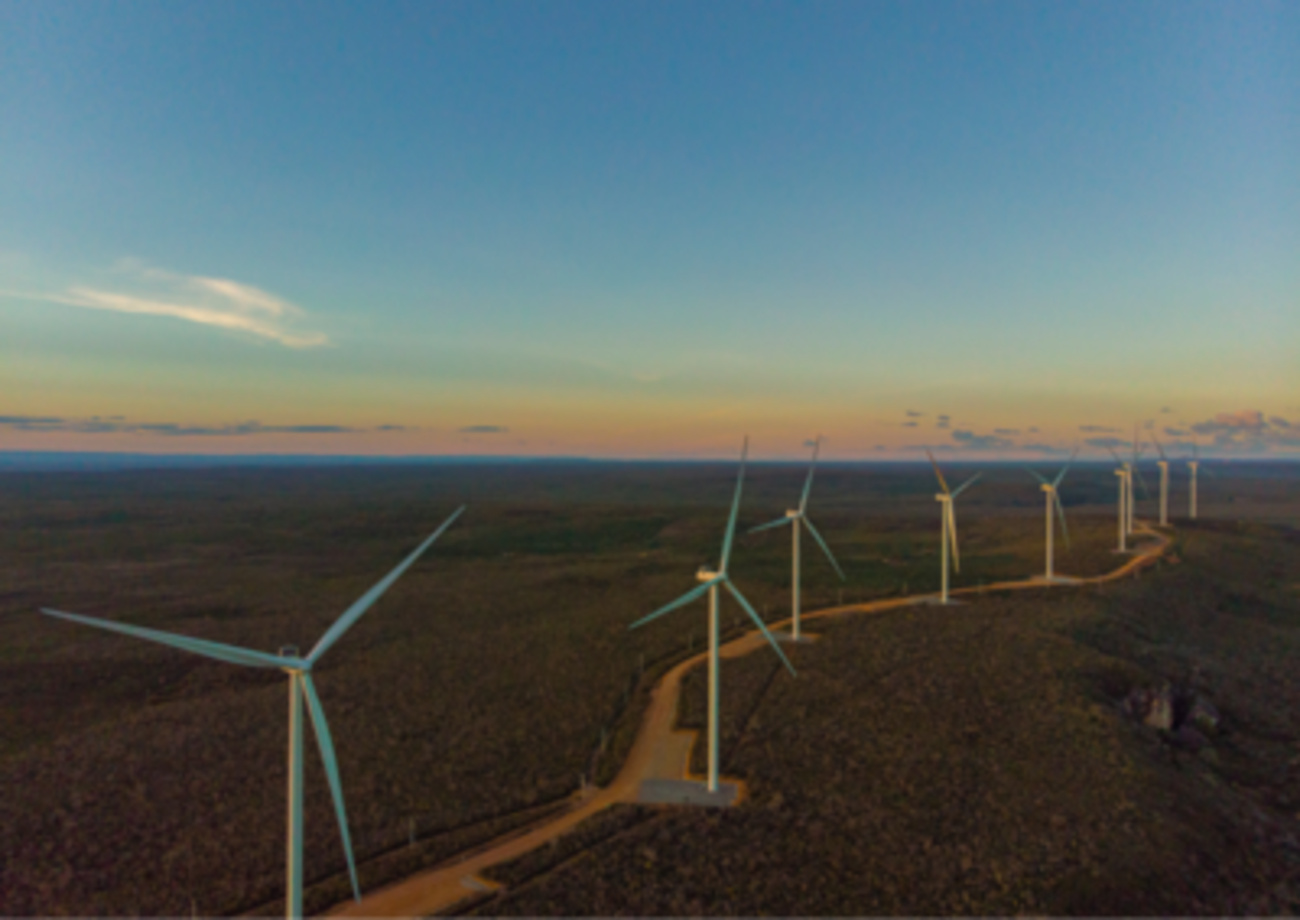
Giant of the winds in Rio Grande do Norte: Serra do Tigre Wind Complex receives new investments and accelerates the expansion of clean energy generation to supply millions of Brazilian homes.
-
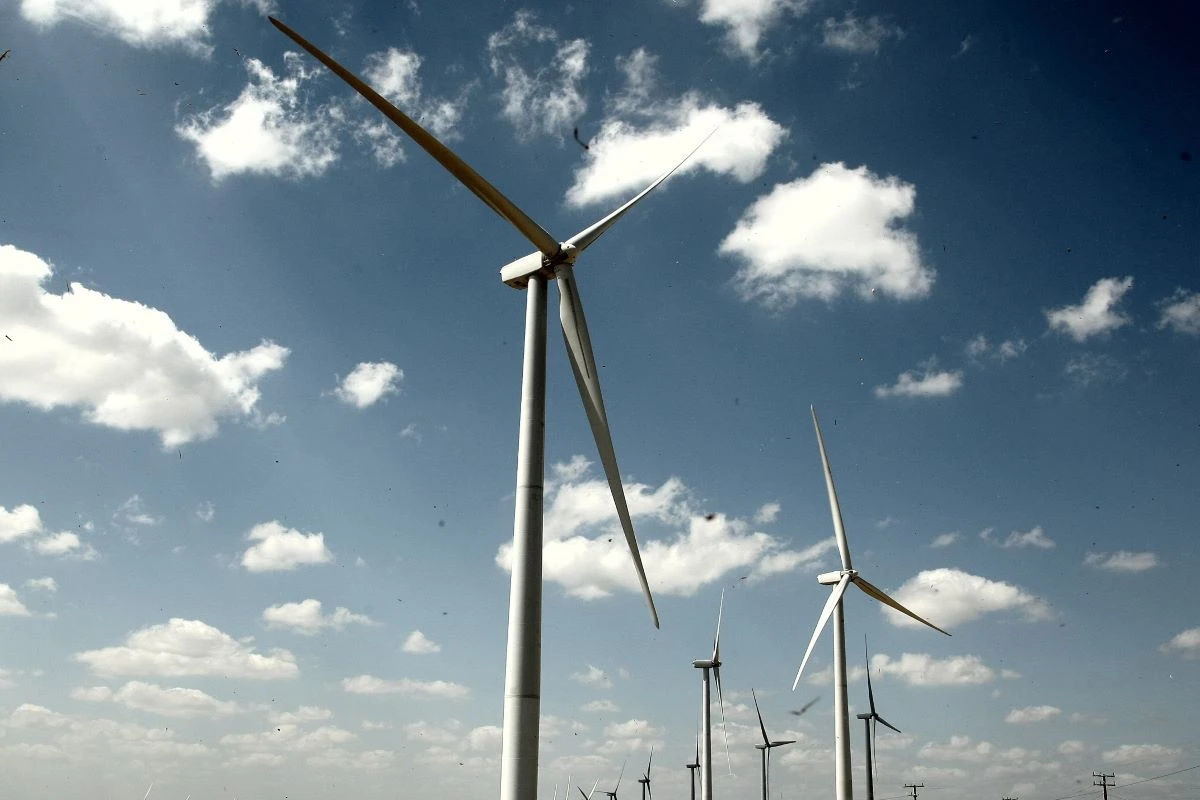
Urgent energy transition: Greenpeace advocates for massive investments and points to Brazil as a global leader in wind energy production in the coming years.
-
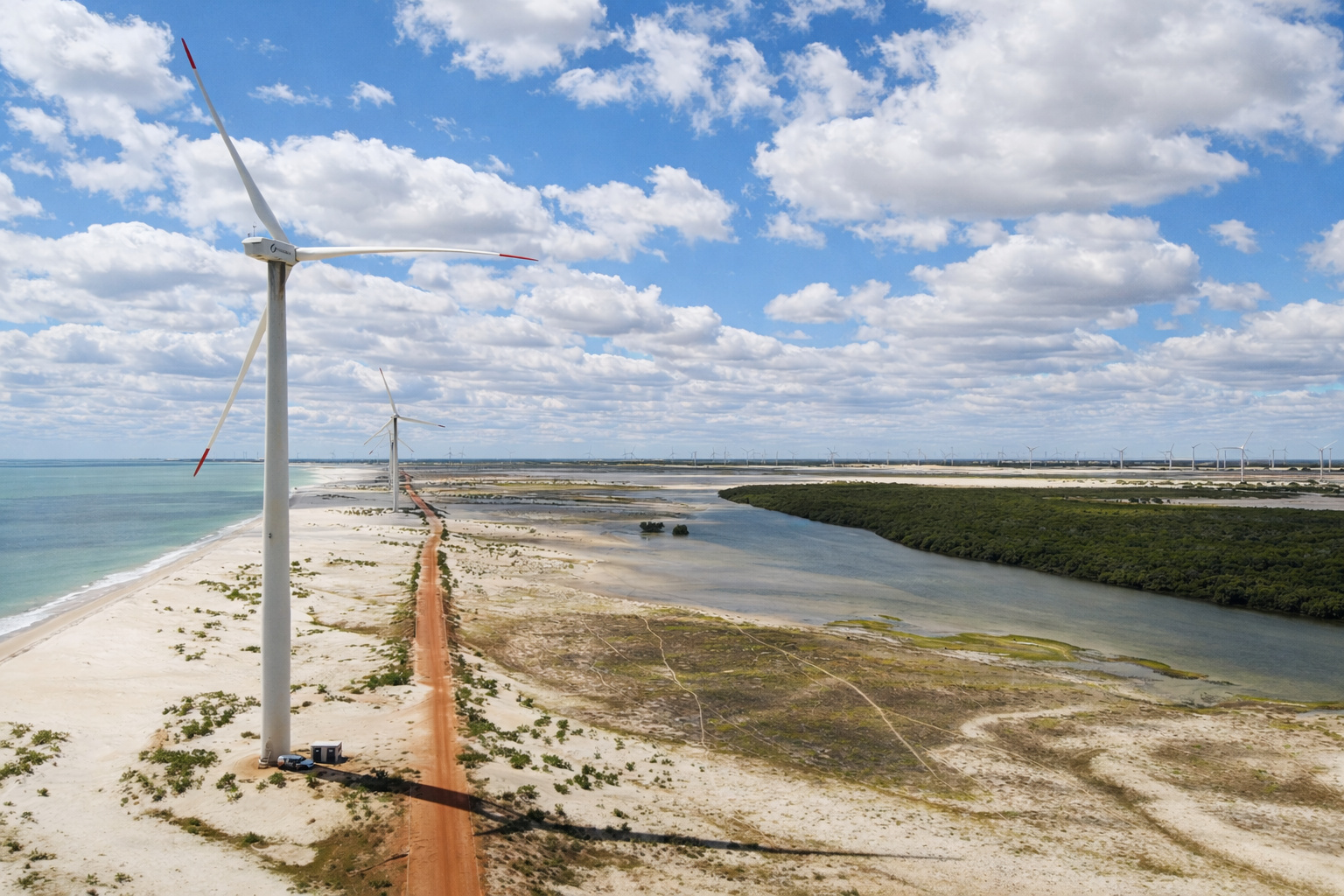
Conflict in the Sertão: Rural communities in Rio Grande do Norte report issues with wind farms and the new challenges of clean energy in the semi-arid region.
-
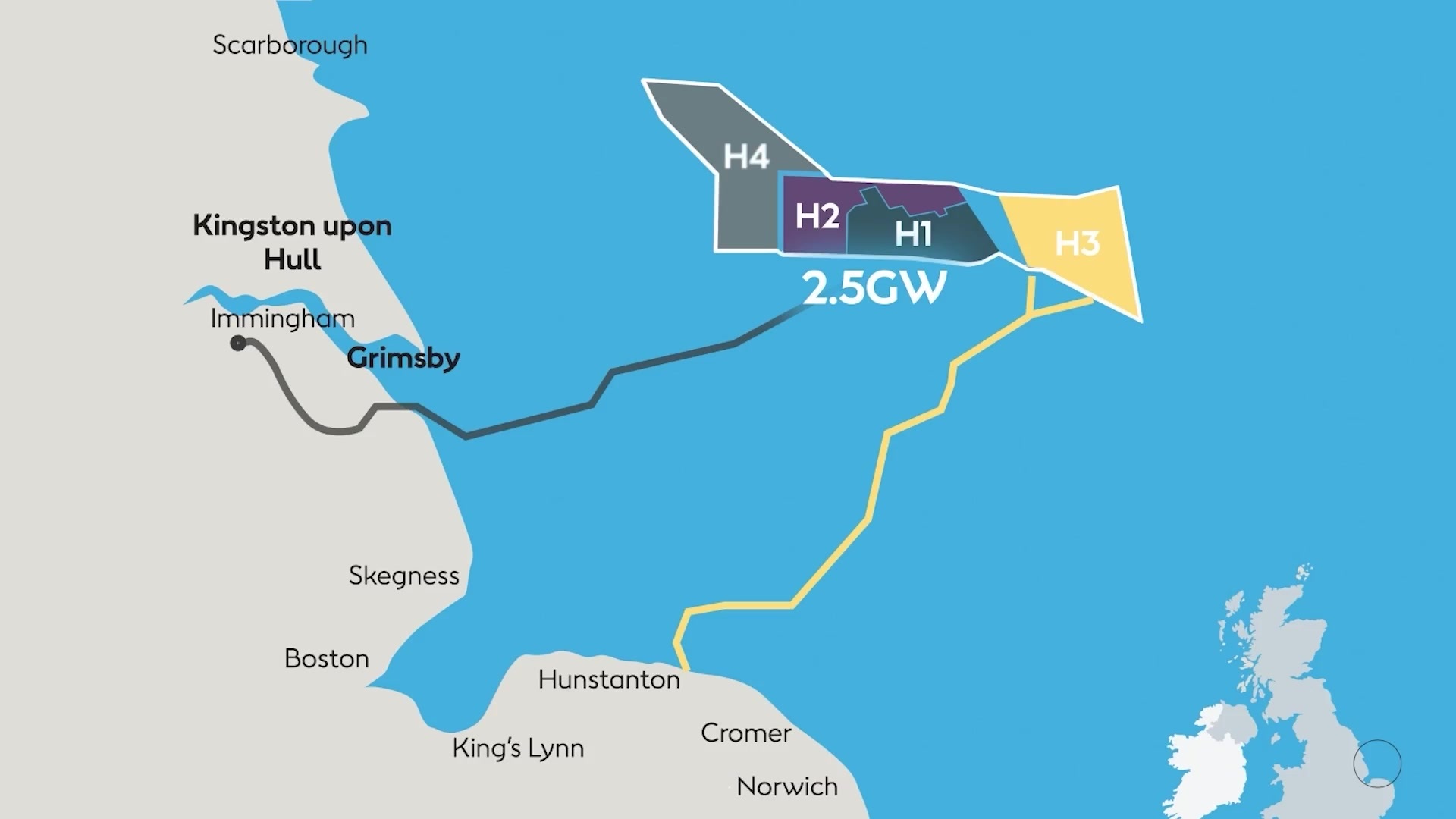
231 turbines of 260 meters at 160 km from the coast, monopiles weighing as much as nine blue whales embedded in the North Sea, and a crane ship taller than the Eiffel Tower: Hornsea 3 will be the largest offshore wind farm on the planet by 2027, and its first components have already arrived in England.

According to the developer, maintaining the suspension jeopardizes already made investments and generates significant financial impacts. The company claims that billions of dollars were invested in the project based on permits previously granted by American authorities.
Trump Administration Expands Restrictions on Wind Energy
The suspension of Orsted’s project was not an isolated case. In December, the Trump administration suspended contracts for five major offshore wind energy projects in the United States. The decision was justified by alleged national security concerns raised by the Department of Defense.
This measure heightened tensions between the renewable energy sector and the federal administration. Companies in the segment have begun to question the regulatory predictability and the business environment for long-term investments in the country.


Revolution Wind Project Has Already Consumed Billions of Dollars
The Revolution Wind project is considered strategic for the expansion of offshore wind energy in the United States. Located approximately 24 kilometers off the coast of Rhode Island, the project is a joint venture between Orsted and Skyborn Renewables, a company affiliated with Global Infrastructure Partners.
According to regulatory documents, approximately US$ 5 billion has already been invested in the project. Construction was at an advanced stage when the suspension order was issued, which increased the financial impact of the decision on the investors involved.
Market Reaction Following Announcement of Legal Action
The financial market reacted positively to the announcement of Orsted’s legal action. The company’s shares, traded on the Copenhagen stock exchange, rose by more than 4%, ranking among the highest gains in the European Stoxx 600 index.
Investors interpreted the move as an attempt to reduce additional risks and preserve the project’s value. The expectation is that a favorable decision could pave the way for the resumption of construction and greater regulatory clarity in the offshore wind sector.
Recurring Critiques of Wind Energy Mark Political Clash
The clash occurs in a context of frequent critiques from President Donald Trump regarding wind energy. The Republican has labeled the source as harmful to both the economy and the environment, a stance that contrasts with policies adopted by previous administrations.
For Orsted, the case represents more than just a specific dispute. The company assesses that the outcome could influence the future of investments in offshore wind energy in the United States, especially in an environment of increasing regulatory restrictions and political uncertainties.
In this context, the legal dispute is seen as a significant test for the renewable energy sector, which seeks legal security to enable large-scale, long-term projects in the American market.








Seja o primeiro a reagir!