





 Portuguese
  English
  Spanish
  3 min of reading
  0 comments


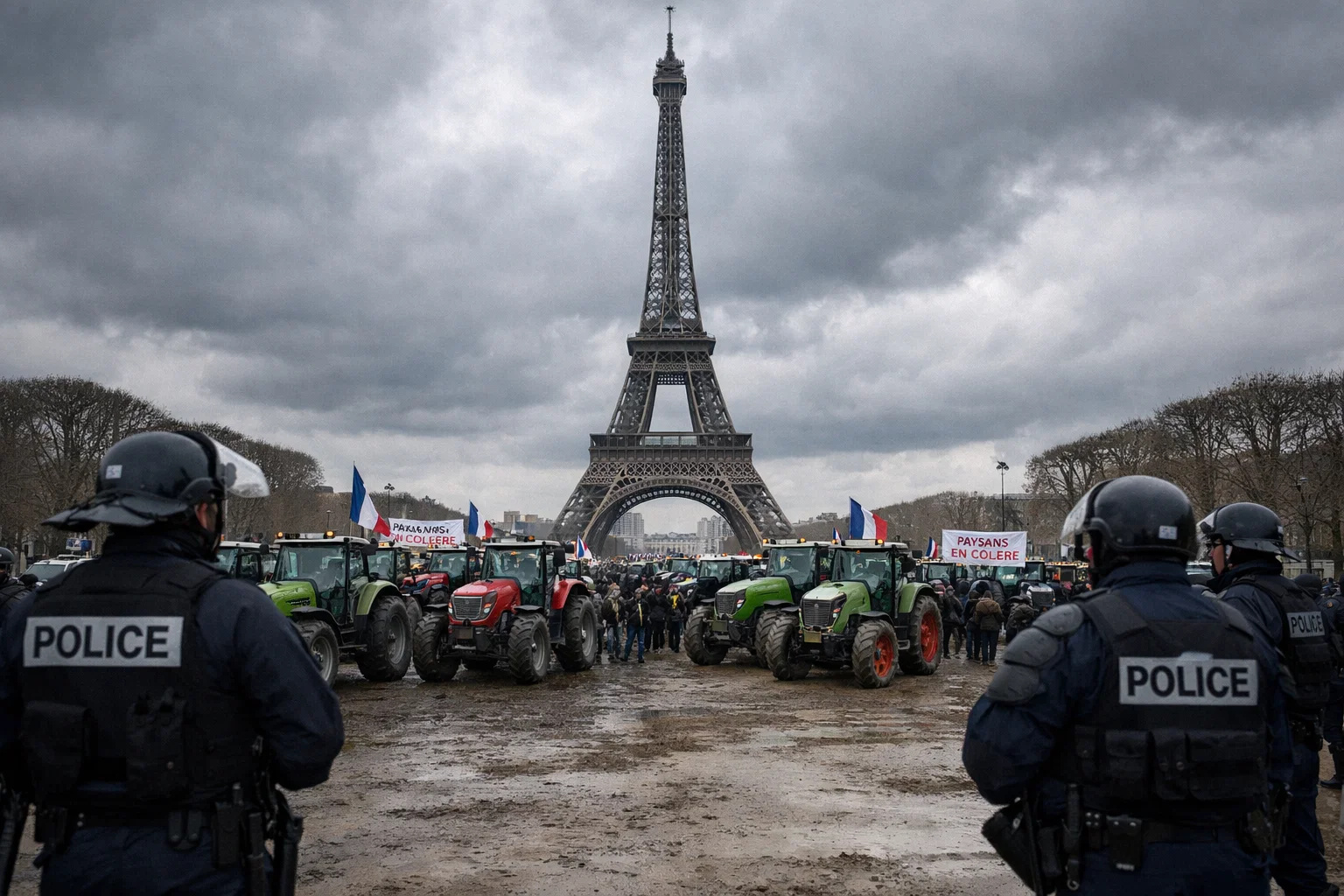
Protests Just Before the Vote on the Trade Deal Expose Economic, Electoral, and Social Tensions in France and Rekindle the Debate on the Impact of Mercosur on European Agriculture

French farmers’ protests against the European Union–Mercosur agreement have gained momentum this week, putting Paris on high alert early in the morning. Even before dawn, farmers blocked highways and strategic points in the capital, demonstrating rejection of the EU-Mercosur trade agreement, which is set to be voted on Friday (9) and could profoundly alter the European agricultural market.
The information was released by Reuters and confirmed by French authorities. According to protesters, the agreement poses a direct threat to local agriculture. This is because, in the sector’s view, the trade opening could facilitate the entry of cheaper food from South America.
-
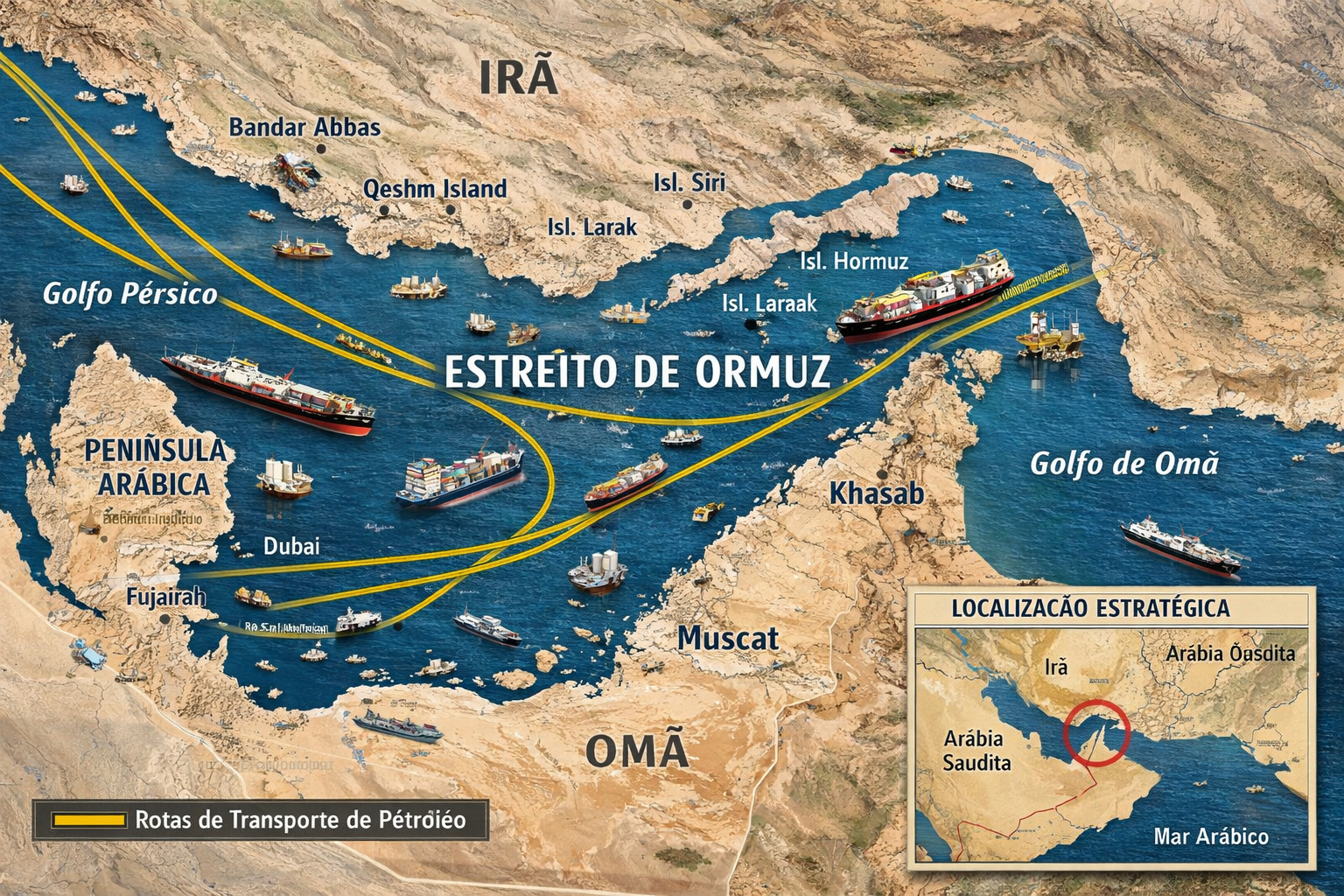
Global summit with over 40 countries pressures Iran for a blockade in the Strait of Hormuz and warns of direct impact on oil, food, and the global economy.
-
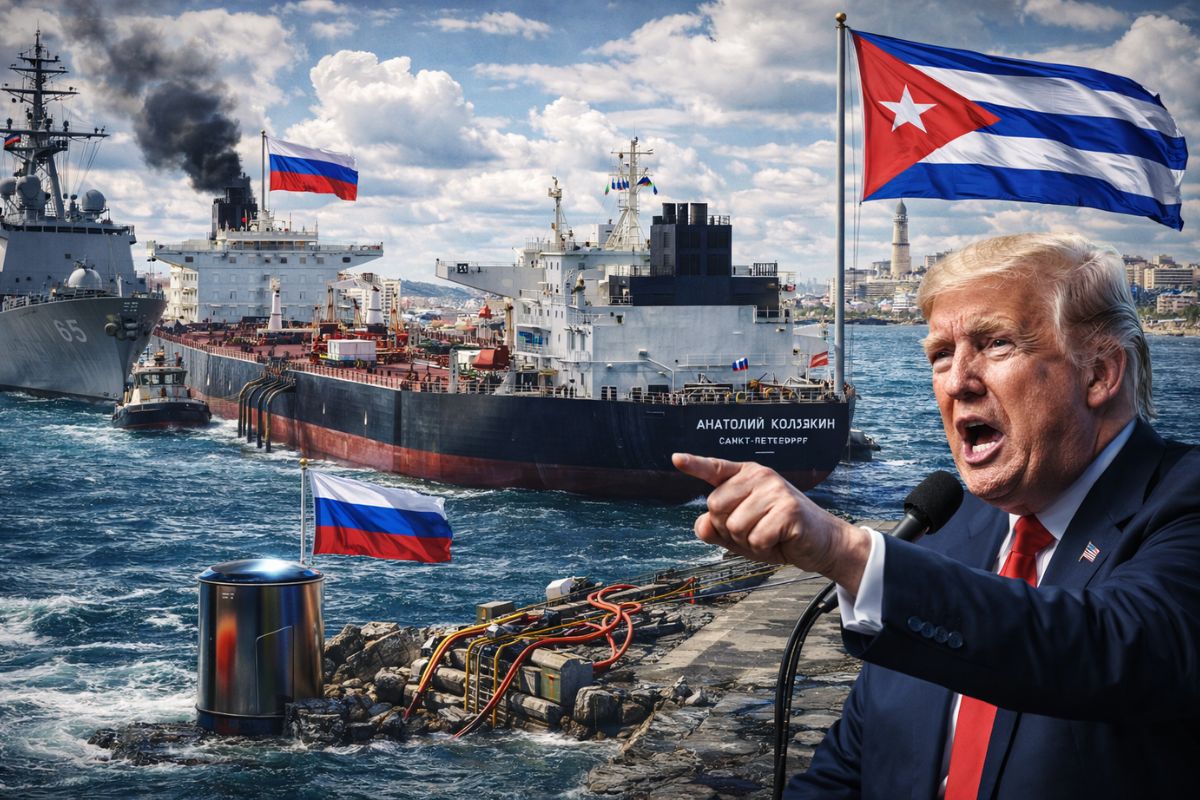
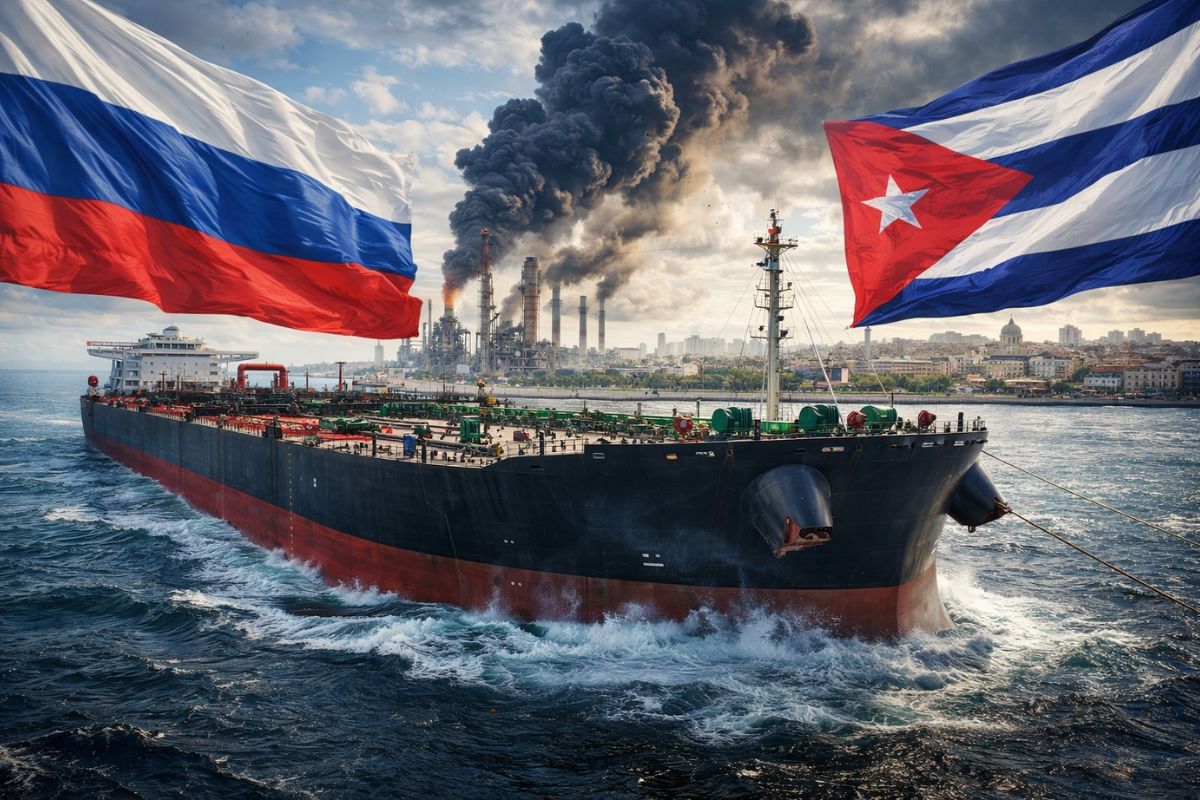
Russia has broken the U.S. maritime blockade to send oil to Cuba and is now loading a second ship while Trump says that “Cuba is next” in a possible military action against the island.
-
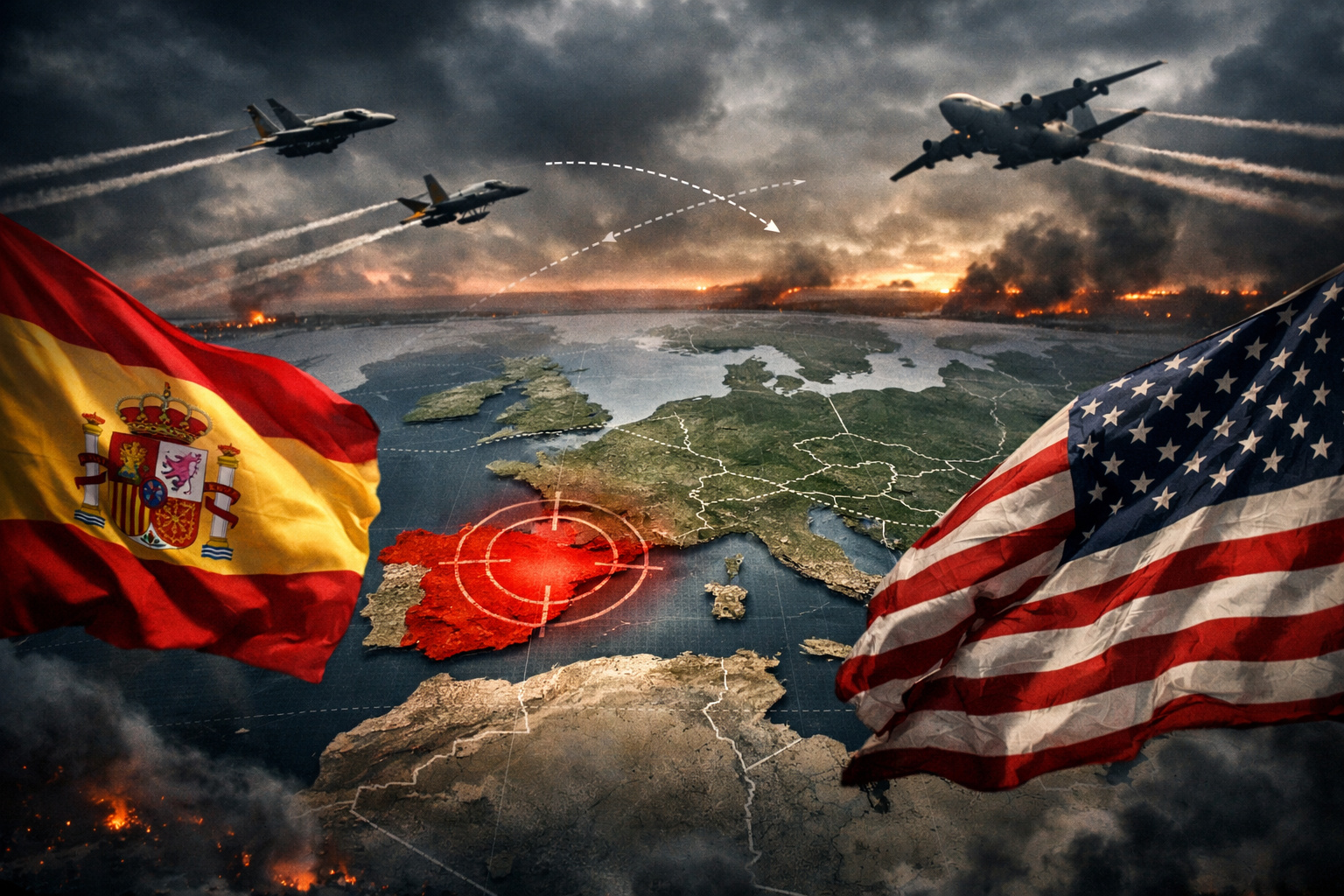
Spain challenges the USA and closes its airspace for operations against Iran, raising global tension and provoking the threat of a trade rupture.
-
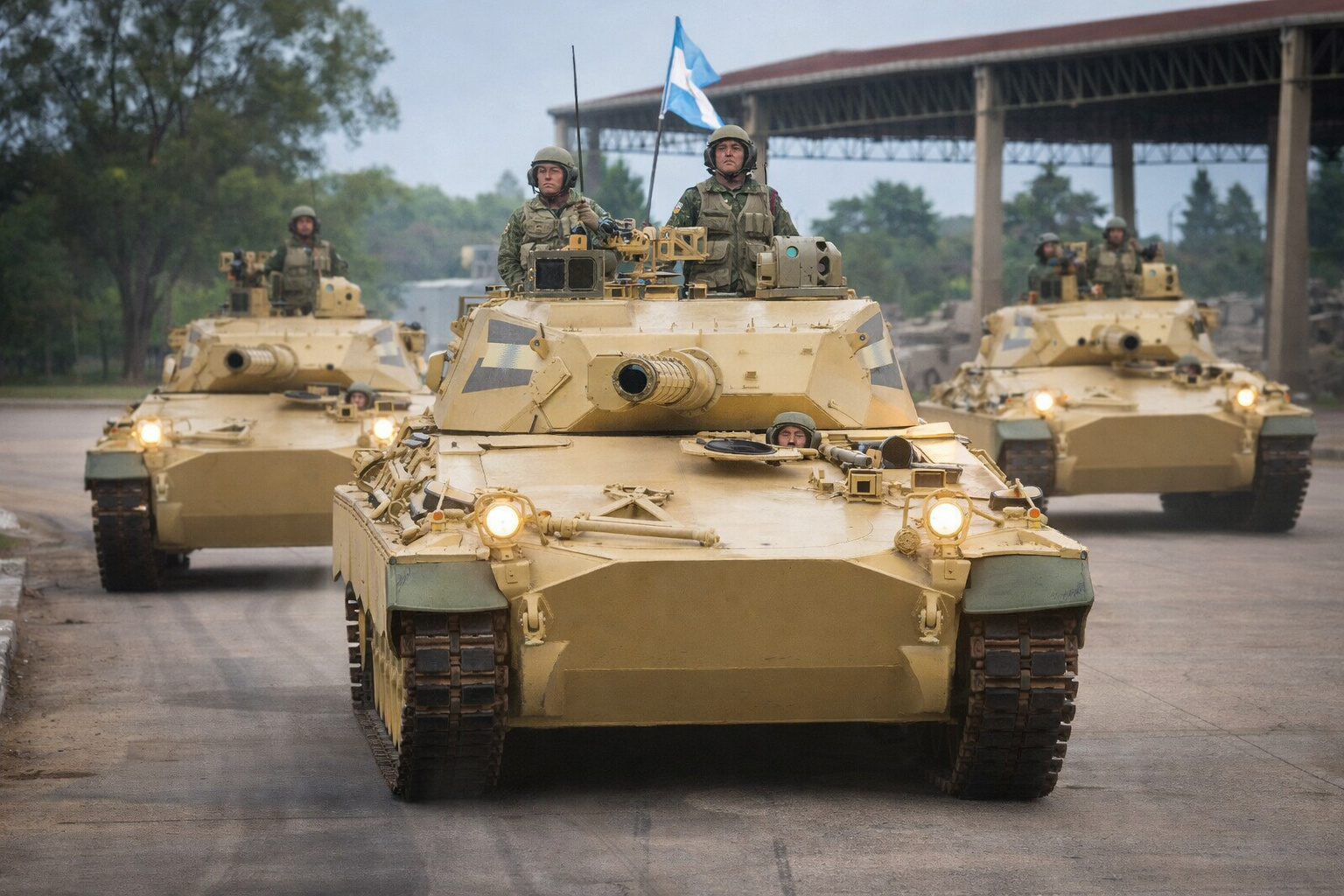
While no other country manufactures tanks in Latin America, Argentina activates the TAM 2C-A2 and raises a curiosity about the technological lag in the region.

Additionally, farmers criticize internal government policies in France. Among them are the handling of health crises in the livestock sector and the ongoing rise in production costs. Thus, the agreement with Mercosur has come to symbolize a larger problem.
Blockades, Tractors, and Rising Pressure in the Streets of Paris
In the early hours of the morning, farmers broke through police checkpoints. Then, they advanced with tractors through symbolic avenues of the capital. The Champs-Élysées was one of the main areas affected. At the same time, the surroundings of the Arc de Triomphe were also blocked.
According to the Ministry of Transport, the impact was immediate. As a result, about 150 kilometers of traffic jams formed on the highways leading to Paris. The A13, which connects the capital to Normandy, was among the most affected.
While dozens of tractors remained positioned at strategic points, police surrounded the protesters. Even so, there were no confrontations. The protest occurred peacefully despite the tense atmosphere.
“We are between resentment and despair,” stated Stéphane Pelletier, leader of the Rural Coordination. According to him, farmers feel abandoned by the state. “Mercosur is a clear example of this,” he concluded, at the foot of the Eiffel Tower.
Later, farmers from FNSEA and youth producer unions joined the protest. This way, the mobilization gained even more political strength.
Agreement with Mercosur Increases Political Pressure on Emmanuel Macron
The protest comes at a particularly sensitive time for President Emmanuel Macron. Currently, the government does not have a solid majority in Parliament. Moreover, municipal elections are approaching as the far-right advances in the polls.
Historically, France has been one of the main opponents of the European Union–Mercosur agreement. Even after last-minute concessions, the agreement remains politically delicate.
“This agreement is still not acceptable,” declared Maud Bregeon, government spokesperson, to France Info radio. However, she avoided saying whether Macron will vote against it or abstain.
On the other hand, the Minister of Agriculture, Annie Genevard, was more direct. According to her, France will continue to fight against the agreement in the European Parliament. In other words, even an initial approval would not resolve the deadlock.
European Union Tries to Reduce Resistance and Enable the Agreement
Meanwhile, the European Commission is trying to quell farmers’ dissatisfaction. This week, it proposed to advance 45 billion euros in agricultural funds. Additionally, it suggested reducing import tariffs on fertilizers.
Countries like Germany and Spain support the agreement. Italy could be decisive. If Rome votes in favor, the agreement could move forward even without French support.
At the same time, farmers are also protesting against national health policies. They criticize, for example, the culling of cattle due to contagious nodular dermatitis. Instead, they advocate for vaccination.
Moreover, protesters are calling for less bureaucracy and lower regulatory costs. According to the Minister of Transport, Philippe Tabarot, the police avoided confrontations. “Farmers are not our enemies,” he stated.
Do you believe that global trade agreements should proceed even when they put local producers at risk, or should the protection of national agriculture come first?







Seja o primeiro a reagir!