





 Portuguese
  English
  Spanish
  5 min of reading
  8 comments


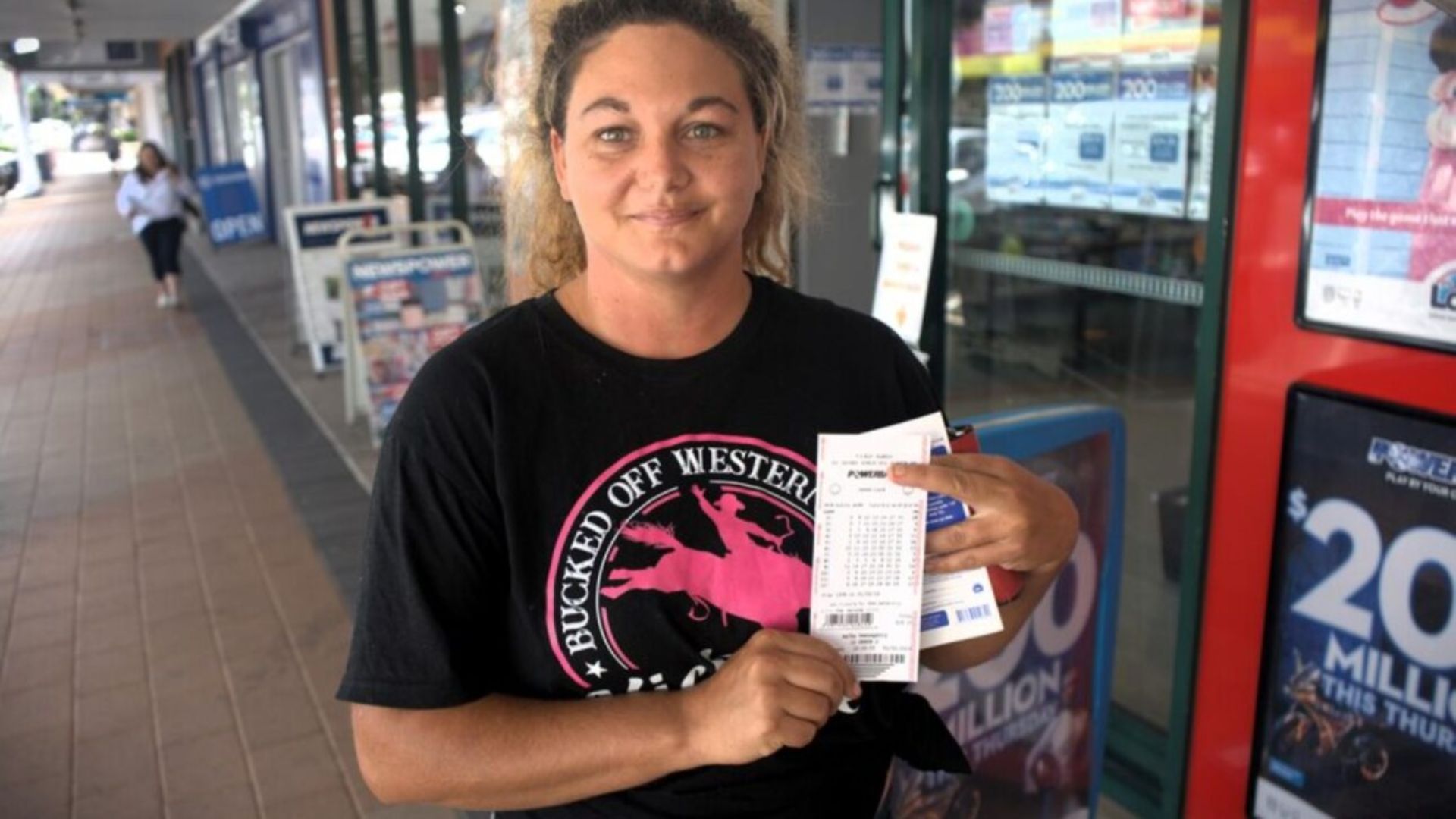


An Improvised Agreement in a New York Pizzeria in 1984 United a Detective and a Waitress Over a Lottery Ticket. What Came Next Spanned Decades and Arrived in Theaters with Another Version.
An agreement made “in place of a tip” in a neighborhood pizzeria made national headlines in the United States in 1984 and, a decade later, inspired a Hollywood movie.
Detective Robert Cunningham, a regular customer at Sal’s Pizzeria in Yonkers, New York, agreed with waitress Phyllis Penzo that they would split a state lottery ticket.
The US$ 1 ticket went on to win US$ 6 million, and Cunningham honored the agreement by passing half to the employee.
-
Tourists on Everest were poisoned by guides who mixed substances in food to provoke false symptoms of altitude sickness while helicopter operators and hospitals charged inflated rescue fees to insurance companies.

-
Few people know this, but Neil Armstrong, one of the most famous NASA astronauts in history, survived the Korean War after jumping from the plane during his seventh combat mission aboard the USS Essex aircraft carrier of the United States.

-
Diving with a camera in Lake Furnas reveals a submerged city with an entire street, almost intact houses, a preserved bridge, a wood stove, a Kombi, and even a bus at the bottom of the largest lake in the Southeast.

-
Iceland accidentally drilled into a magma pocket at 2,100 meters and revealed that the extreme heat beneath the crust could pave the way for a new source of continuous energy.

The case became a reference for “keeping one’s word” and served as the basis for the plot of “It Could Happen to You” (1994), starring Nicolas Cage and Bridget Fonda.
Agreement and Ticket at Sal’s Pizzeria in Yonkers
According to the account published at the time by People magazine, Cunningham had been a frequent visitor to the restaurant for years and, at the end of a dinner, proposed to substitute the tip with a partnership on the New York State Lotto ticket: each would choose three numbers.
On April 1, 1984, the officer called Penzo at 9 AM to inform her that they had won the jackpot.
Initially, she thought it was an April Fool’s joke, but the confirmation came shortly after: they were the city’s new millionaires.
The payment would be made in 21 annual installments of US$ 285,715, totaling the US$ 6 million prize.
Promise Kept and Prize Division
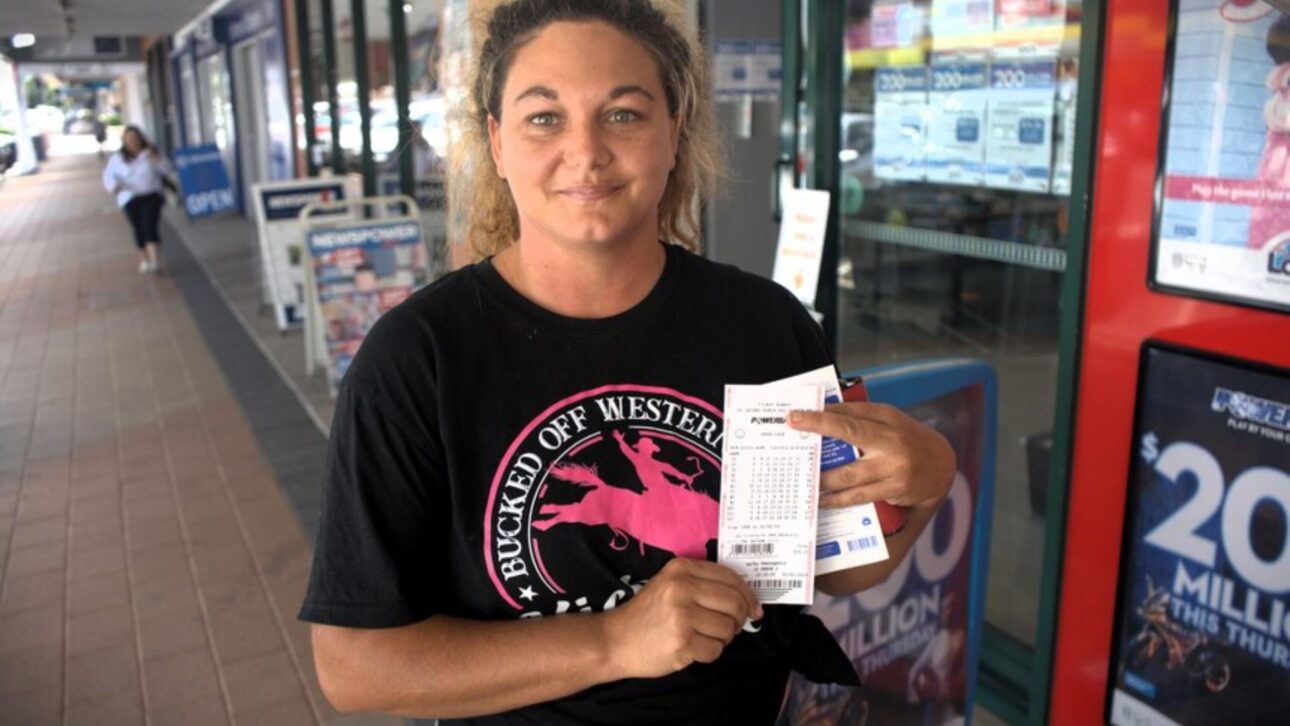
The commitment was upheld without dispute.
According to People, Cunningham stated that “if I said it, I do it“, emphasizing that the agreement had been made clearly at the restaurant table.
Penzo, for her part, reported that she would buy a house and help her family; the officer, with four adult children, mentioned that he would continue working.
The money, therefore, did not interrupt their routines at that first moment; it merely ensured a more comfortable financial outlook.
What the Film Changed in Relation to Real Life
Ten years later, when the film “It Could Happen to You” hit theaters, Entertainment Weekly interviewed the two protagonists from the real story.
Cunningham and Penzo confirmed the essentials: there was an agreement, the ticket was cashed, and the amount was split equally.
But they emphasized that the film took artistic liberties— in the movie, the officer promises half because he has no money for the tip and later starts a romance with the waitress; in real life, they were long-time friends, married to other people, and there was no romantic involvement between the two.
Chronology and Verifiable Details
The chronology of the episode was widely documented. In mid-March 1984, in the Sal’s Pizzeria dining room, the regular customer suggested the partnership on the ticket.
The draw confirmed the prize in early April and, within a few weeks, the agreement was already the subject of reports with numbers, names, and photos of the beneficiaries.
The headline that became popular in the press summarized the feat: the “most valuable tip”— although technically, the ticket had not been given as a table tip, but rather as an agreement to split the ticket instead of the tip.
This detail, recorded in the original material, helps differentiate the case from other stories in which tickets are given to employees without prior sharing arrangements.
Characters and Location: Confirmed Identification
The identification of the locations and characters is also verifiable.
The restaurant was located in Yonkers, a municipality neighboring the Bronx; Cunningham lived in Dobbs Ferry, within the same metropolitan area as New York.
The pizzeria was a frequent spot for city police officers, which explains the familiarity between the detective and the waitress.
This information is found both in the 1984 coverage and in the interviews granted in 1994, when the film’s release rekindled interest in the original case.
Payment in Annuity and Real Impact
In the cinema, the story took on romantic contours and visual appeal scenes that never occurred, such as the hot air balloon ride over Central Park.
Still, the “factual skeleton” remained: a promise made at a meal counter, a winning ticket, and the decision to keep one’s word even in the face of a sum that would change anyone’s life.
In interviews, Penzo joked that she “hated macadamias”—a trait attributed to Bridget Fonda’s character—and listed pragmatic purchases made with her share, such as buying a home and a car for her family.
The prize amount, paid as annuity, reinforces another objective fact.
Unlike current prizes that offer choices between lump sum or amortized payments, the model of that time provided regular disbursements over two decades.
In the case of Cunningham and Penzo, the US$ 285,715 annually, for 21 years, resulted in the approximate total of the announced prize.
This financial engineering was mentioned in the original report and illustrates the real impact of the win: significant, but spread over time, which helps explain why both continued working after the announcement.
Why the Case Remains a Reference
In addition to being based on a true story, “It Could Happen to You” confirmed in its promotional material that the script was inspired by the 1984 episode.
The film solidified the case in popular imagination and, for many viewers, served as the gateway to the true narrative behind the romantic comedy.
The credits, the main cast, and the premise “inspired by a true story” are listed in the film’s record, a useful document for separating what is cinema from what is fact.
From a journalistic standpoint, the Cunningham–Penzo case is often remembered for three factual reasons: the existence of a specific verbal agreement (to split the ticket instead of the tip), the documented confirmation of the annuity payment for the prize, and the unequivocal decision to honor the partnership without litigation or known disputes in the original episode.
These elements differentiate it from stories where the pure donation of tickets leads to subsequent disputes—and thus continue to be used as a reference when the theme involves “promise of sharing” and lottery tickets.
What other true stories of “kept promises” involving lottery prizes do you remember and deserve to be retold based on public documents?









Se eu tivesse que ganhar na loteria jamais eu pagaria outra vez para virar filme eu sairia gastando e sendo feliz, quem é que ganha na loteria e perde tudo? Faça um bem para a família que aí sim você vira um best-seller haahhahaha 😉
Verdade filme e farsa se nao conta vdd distorce vdd como na vida real sao casada filme tem envolvimento entao filme torna mentira e verdade mesmo tempo destruido a realidade da vida real pode ate ser baseado fato real mais vc sabe..que elesfizeram nao era pra ser aduterado como vc comprar corolla saber que chassis e aduterado kkkk asdim e filme kkkkk
YHARRION DOS UNIVERSOS INVISÍVEIS E VISÍVEIS MAGO ALLAN JOEB DE CARVALHO ISSO É AMIZADE SINCERA COM GRATIDÃO A FREQUÊNCIA QUÂNTICA DE ENERGIA SUPER BEM MAIOR DOS UNIVERSOS INVISÍVEIS E VISÍVEIS MAGO ALLAN JOEB…🦋🦋🦋