





 Portuguese
  English
  Spanish
  5 min of reading
  6 comments


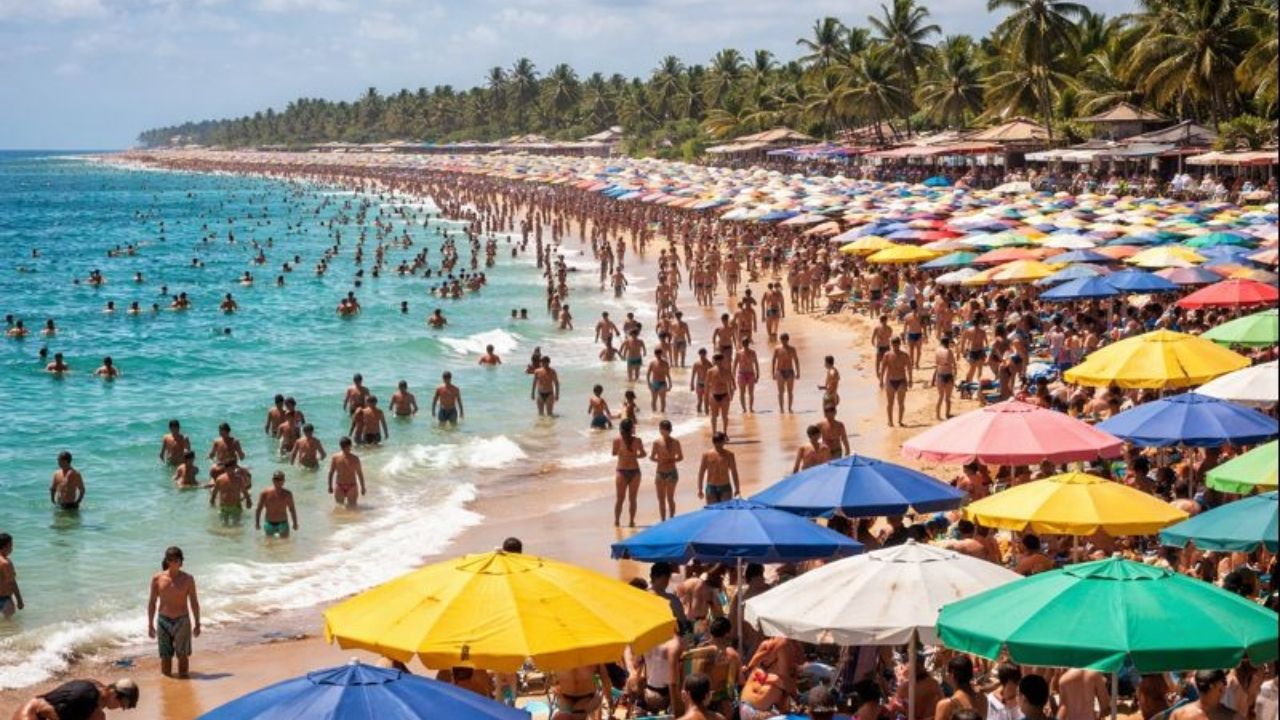


High Tourism Causes Overcrowding on Beaches, Intensifies Conflicts, and Exposes Flaws in Urban Planning of Brazil’s Coastline.
According to O Globo, the accelerated advance of tourism in Brazil in 2025, driven by a historic record of visitors, brought important economic gains to various regions, but also revealed a structural problem: overcrowding on famous beaches like Porto de Galinhas and Balneário Camboriú.
The phenomenon occurs mainly during the high season, involves domestic and foreign tourists, and exposes flaws in urban planning, insufficient infrastructure, and environmental impacts.
See also: Tourism for Seniors Grows and Reveals Accessible Destinations in Brazil and Abroad
-
6 sources of free fertilizer that you are throwing away every day and can transform your garden without spending anything.

-
With a water crisis on the radar, Sabesp invests in reclaimed water for data centers and transforms sewage treatment into a solution that saves millions of liters and protects public supply.

-
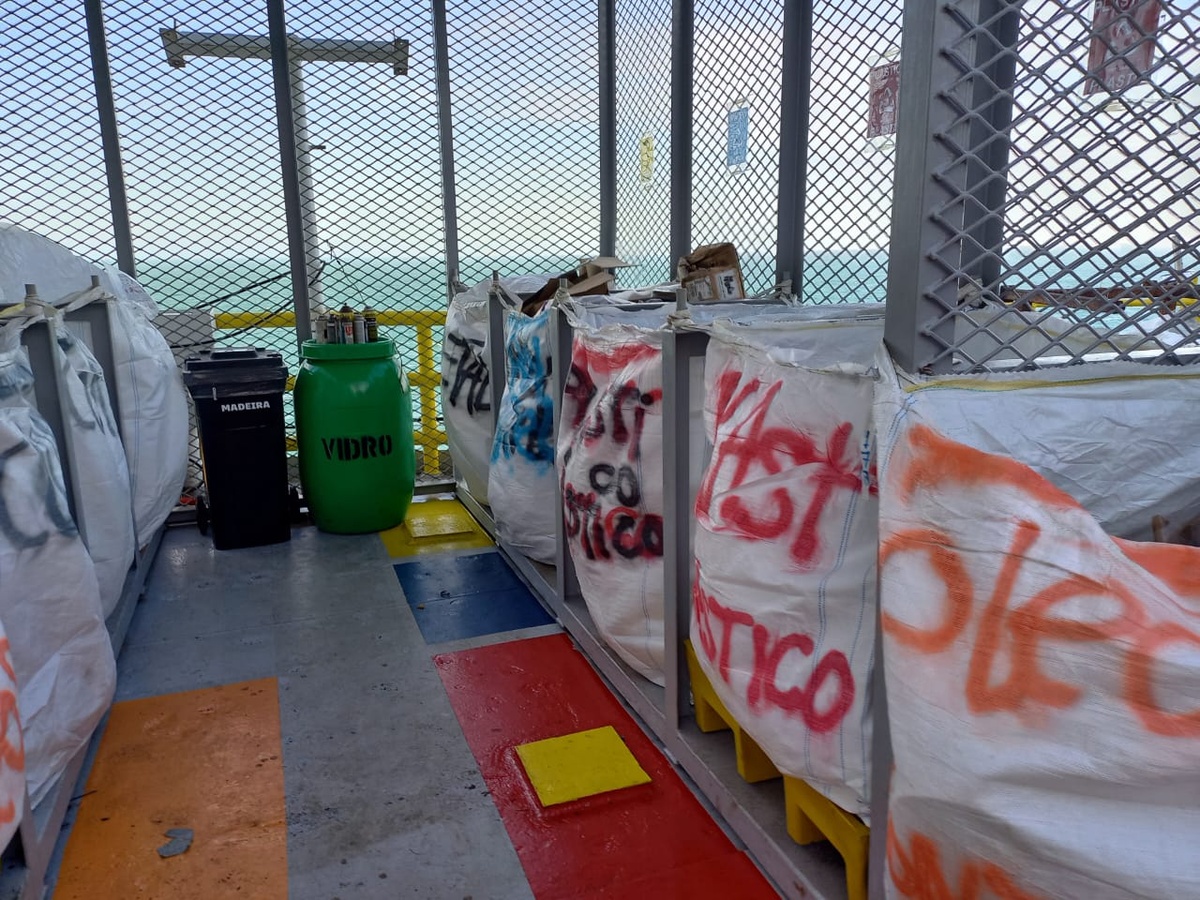
Foresea achieves 100% offshore waste reuse in 2025, eliminates landfill disposal, and consolidates sustainable strategy with 1,500 tons recycled.
-
With earth, bamboo, straw, and lime mortar, a specialist builds a house for just over $460 and draws attention for its cost being much lower than traditional construction.


Tourism and urban planning experts interviewed by the newspaper warn that, without integrated public policies, the sector’s success may compromise the destinations themselves.
Conflicts on Beaches Reveal Limits of Mass Tourism
Incidents of aggression between vendors and tourists recorded at the end of the year in Porto de Galinhas and Balneário Camboriú served as a national alert.
For experts in destination management and coastal urbanism, the conflicts are a direct consequence of disordered growth combined with the absence of clear rules governing the use of public spaces.
Meanwhile, the federal government celebrated the record of 9.2 million international tourists in 2025, a number 37% higher than in 2024.
See also: Tourism in Brazil Soars in 2025, Leads Global Growth, and Attracts More Visitors from China
Although the result reinforces the economic relevance of tourism, researchers in the field of sustainable tourism point out that small and medium-sized cities cannot absorb such high volumes of visitors without prior investments in sanitation, mobility, and urban planning.
City Halls Adopt Rules to Curb Abuses on Beaches
After the conflicts in Porto de Galinhas, the city hall of Ipojuca prohibited the requirement of a minimum consumption on the sands.
The measure aimed to reduce tensions, protect consumers, and restore order in one of the most sought-after destinations in the Northeast.
Other cities have adopted similar initiatives. Niterói set a maximum price for the rental of beach umbrellas, while Florianópolis, Arraial do Cabo, and Ubatuba intensified their inspections.
According to experts in public policies for tourism, these actions are necessary but still sporadic in light of the size of the problem.
Visitor Control Advances in Environmental Areas
In addition to commercial rules, the debate over visitation limits in environmentally sensitive areas is growing. In destinations like Jericoacoara, Ilha Grande, and Morro de São Paulo, the imposition of fees has led to lawsuits and divisions among residents and entrepreneurs.
In the Lençóis Maranhenses, recognized as a World Natural Heritage Site by UNESCO, managers are considering implementing a daily limit on visitors.
Environmental conservation researchers emphasize that the rapid growth of visitation increases risks such as contamination of the aquifer and degradation of the dunes.
International Experiences Inspire Restrictions
On the international scene, limiting tourism is already a reality in several destinations. Mount Fuji in Japan and Machu Picchu in Peru have reduced hours and daily visitor numbers. Venice in Italy and Mallorca in Spain have begun to implement fees and restrictions.
Territorial management experts state that these examples show that controlling tourism does not mean stifling development but ensuring its sustainability.
Record Number of Tourists Increases Pressure on the Coast
In 2025, Brazil received 9,287,196 international tourists. Argentines led the flow, followed by Chileans, Americans, Paraguayans, and Uruguayans.
At the same time, domestic tourism also grew, increasing pressure on beaches and coastal cities.
Ana Carla Lopes, Executive Secretary of the Ministry of Tourism, advocated for coordinated action among the public sector, private initiative, and civil society.
Will there be a visitation fee? Will there be a discount for residents of the city? All of this is part of an integrated policy, she stated. Destinations that are more vulnerable to climate issues or a large influx of visitors need special attention, and sometimes, a fee is even necessary to contain mass tourism.
Porto de Galinhas Grows but Faces Urban Disorder
The recent crisis in Porto de Galinhas resulted in the indictment of 14 people by the Civil Police and opened the door for complaints from residents.
In 2025, the destination received 1.2 million visitors, according to the Porto de Galinhas Convention & Visitors Bureau.
Despite boosting local GDP, tourism growth has not been matched by structural improvements.
Urban planner Zeca Brandão from Universidade Federal de Pernambuco notes that warnings about disordered urban expansion have existed since 2005.
There had already been significant issues with traffic jams and basic sanitation, and tourism was suffering as a result, he states. Like many other beach cities, there is total urban chaos.
Lençóis Maranhenses Experience Boom and Discuss Limits
In Santo Amaro, the gateway to Lençóis Maranhenses, tourism triples the population during the high season. Matteo Soussinr, an entrepreneur in the sector, reports the accelerated growth of visitation.
There has been a radical change in the numbers, an exponential growth, he summarizes.
Visitation to the park increased by 191% since 2019, prompting municipalities, ICMBio, and the local community to study daily access limits.
Planning Remains the Main Challenge
According to Mariana Aldrigui, a tourism researcher at Universidade de São Paulo, Brazil still reacts too late to the problems.
We are reactive, without prior planning. Massification does not occur overnight, she states. In the absence of public policy, real estate speculation drives the city’s growth.
In 2024, national parks received 12.4 million visitors. ICMBio stated that it is working to expand infrastructure without compromising biodiversity, while the Ministry of Tourism highlighted actions to promote responsible tourism.
The challenge, according to experts in tourism and urban planning interviewed by the newspaper, is to transform growth into sustainability before overcrowding compromises the future of Brazilian beaches.









Cadê a Venezuela do Paulo Guedes!!!
O PASSARINHO VAI CANTAR CANTA MADURO ABRE O BICO rs rs
Viva o turismo brasileiro! Viva o governo Lula!
Não é Lula,são tds os incompetentes que tivemos na nossa política.
Cecília. Esse Raimundo Melo, deve ser um **** recalcado que só sabe criticar tudo e a todos sem conhecimento de causa. Ele nem sabe do que se trata o assunto e vai logo falando bobagem porque alguém da gangue dos inconformados mandou os seguidores ignorantes essa desinformação.
O maior divulgador de fake news, mentiras, calúnias, etc e tal é aquele **** deputado federal de Minas Gerais (NF) .
Você sabe de quem eu estou falando né? O negócio dele é tumultuar o ambiente, e tocar o terror nas pessoas mais humildes que não entendem muito de política. É pura enganação o que ele faz. Não vou mais falar desse ****. Não compensa gastar a ponta do dedos digitando sobre o ****.
E por fim. Antes que que a gangue solte os Pitbull em cima de mim, deixa eu esclarecer um detalhe.
Não sou ****, não gosto do Lula e não sou obrigado a gostar e torcer pro Minto que está passando uma férias de 27 anos na Papudinha. Fui
Viva a picanha, viva os traficantes que são vitimas dos usuários.Viva os jumentos eleitores de ****!!!