





 Portuguese
  English
  Spanish
  5 min of reading


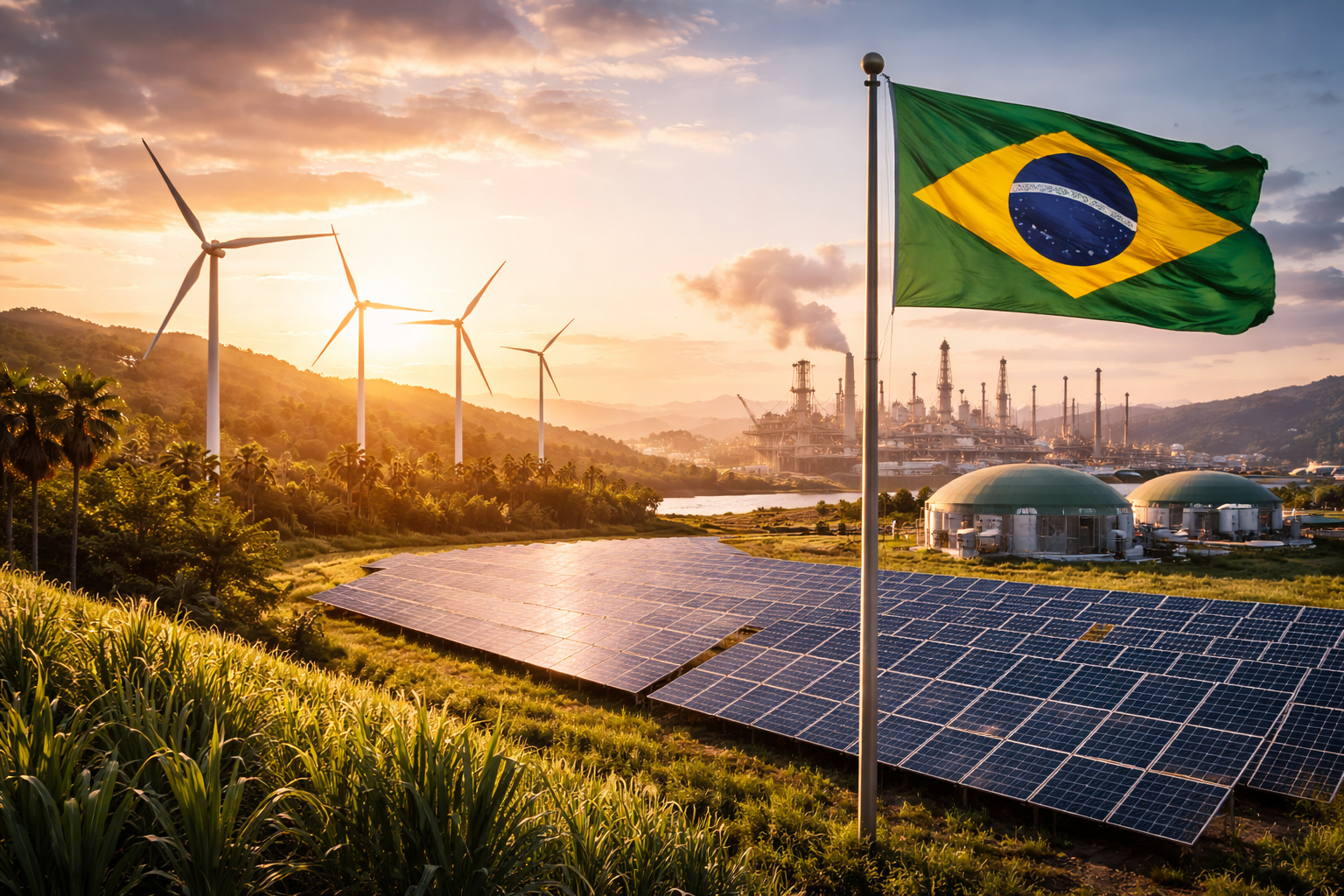
The energy transition has returned to the center of international debate following the release of a report prepared for the presidency of the COP30, which will be held in Brazil. The document analyzes economic, social, and productive factors and concludes that the country occupies an intermediate position in the global process of moving away from fossil fuels.
According to the report titled “Transitioning away from fossil fuels: a broader perspective to drive implementation”, the world is progressing in the energy transition, but in an unequal and gradual manner. Despite constant warnings from scientists and environmentalists, the accelerated abandonment of oil, gas, and coal still faces structural, economic, and political resistance.
In this context, Brazil emerges as a country that has significant advantages but still faces important limitations to fully lead this movement.
-
6 sources of free fertilizer that you are throwing away every day and can transform your garden without spending anything.

-
With a water crisis on the radar, Sabesp invests in reclaimed water for data centers and transforms sewage treatment into a solution that saves millions of liters and protects public supply.

-
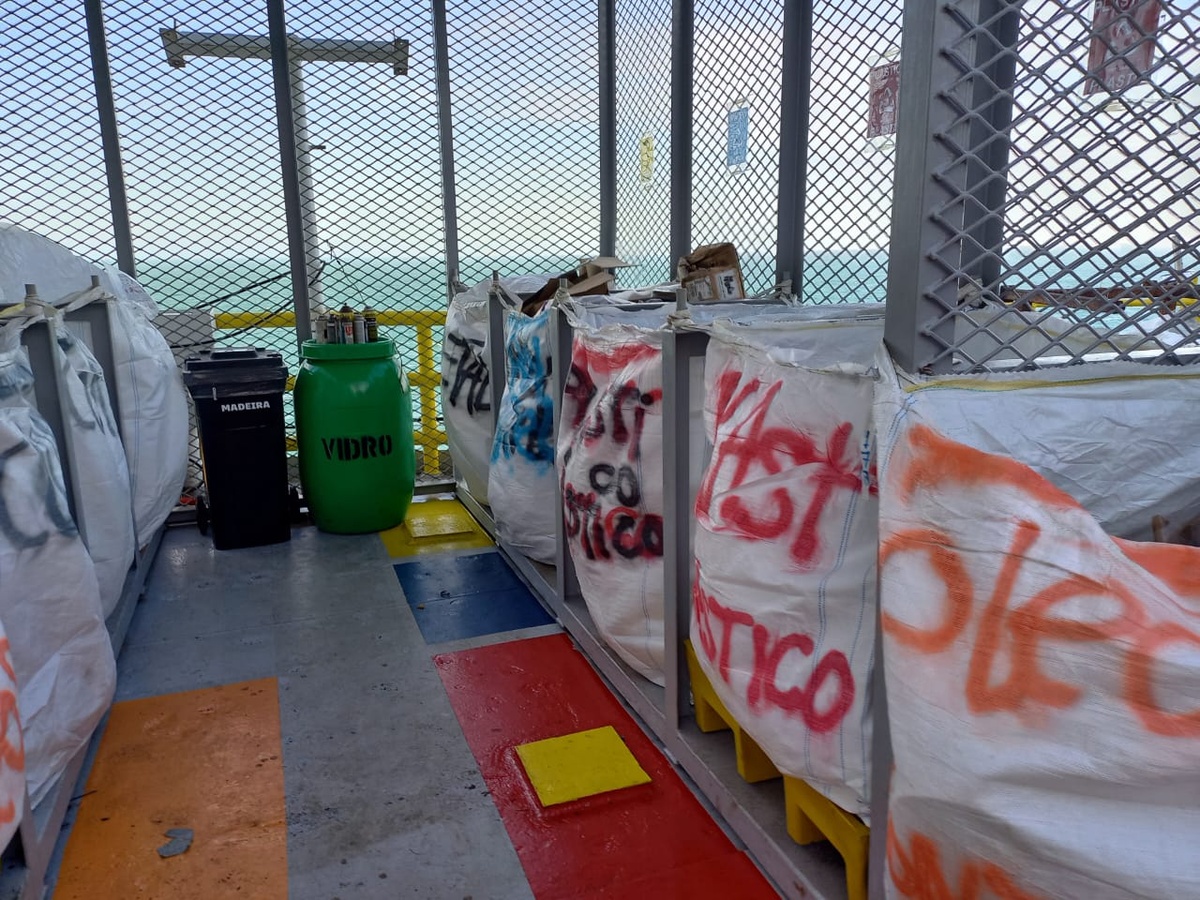
Foresea achieves 100% offshore waste reuse in 2025, eliminates landfill disposal, and consolidates sustainable strategy with 1,500 tons recycled.
-
With earth, bamboo, straw, and lime mortar, a specialist builds a house for just over $460 and draws attention for its cost being much lower than traditional construction.


The Maturation of the Debate on Energy Transition
The report starts from a central finding. The debate on the energy transition has evolved from being merely conceptual to focusing on practical implementation. According to the authors, governments and companies are already recognizing the need to reduce the use of fossil fuels. However, the speed of this change varies significantly between countries.
According to the document, released in the preparatory context for COP30, many states still balance climate commitments with economic and social concerns. Thus, the energy transition occurs progressively, non-linearly, and often cautiously.
This reading helps explain why Brazil appears in an intermediate position. The country is not among the absolute leaders, but it is also not among the most lagging.
Brazil’s Position in the Global Scenario
Brazil has an energy matrix that is historically cleaner than the global average. According to data from the Brazilian government and international organizations, a significant portion of the energy consumed in the country comes from renewable sources, such as hydroelectric, biomass, and wind power.
Still, the report highlights that Brazil’s energy transition faces structural challenges. The dependence on revenues associated with oil, regional inequality, and infrastructure limitations hinder faster progress.
According to the document prepared for the COP30 presidency, Brazil has favorable technical and natural conditions. However, it needs to accelerate investments, planning, and public policies to advance consistently.
Fossil Fuels and the Complexity of the Transition
One of the central points of the report is the recognition of the complexity involved in moving away from fossil fuels. The text emphasizes that oil, gas, and coal still sustain a large part of the global economy.
According to the authors, the energy transition does not depend solely on technology, but also on economic, social, and institutional factors. Countries that rely heavily on fossil resource extraction face additional challenges.
In Brazil’s case, oil plays a relevant role in exports and public revenues. Therefore, the report points to the need for strategies that reconcile economic development and emission reductions.
The Economic Dimension of the Energy Transition
The report emphasizes that the energy transition involves costs and opportunities. Countries that are better prepared are those that can transform energy change into an engine of economic growth.
According to the document, investments in renewable energy, energy efficiency, and industrial innovation create jobs and strengthen production chains. However, the absence of planning can widen inequalities.
In Brazil, the energy transition can boost sectors such as solar, wind, and biofuels. Still, the report warns that the benefits are not automatic. They depend on coordinated policies, financing, and regulatory stability.
Brazil’s Role at COP30
The holding of COP30 in Brazil gives the country greater visibility and responsibility. According to the report, the Brazilian presidency has the opportunity to deepen the global debate on implementation, and not just on targets.
Additionally, the document suggests that Brazil can act as a bridge between developed and developing countries. This intermediate position allows for dialogue with different economic realities.
According to statements from the Brazilian government, COP30 will prioritize issues such as climate finance, social justice, and a fair energy transition. These points directly align with the report’s conclusions.
Energy Transition and Social Justice
Another relevant aspect addressed in the report is the social dimension of the energy transition. The document highlights that the change in the energy model needs to consider workers, communities, and regions dependent on fossil fuels.
According to the authors, a successful energy transition must be just. This means creating economic alternatives for affected populations and avoiding increased inequalities.
In Brazil, this concern is central. Oil and gas-producing regions need economic diversification strategies. At the same time, areas with renewable potential require investments in infrastructure and training.
The Global Pace of the Energy Transition
The report also contextualizes the global pace of the energy transition. Despite the growth of renewable sources, the consumption of fossil fuels remains high in many economies.
According to data cited in the document, the world is experiencing a period of hybrid transition. Clean sources are growing, but coexist with traditional energy systems.
This reality reinforces the idea that the energy transition is a process, not an isolated event. Countries progress at different speeds, depending on their internal conditions.
Challenges and Opportunities for Brazil
By positioning Brazil at an intermediate level, the report does not present a negative diagnosis. On the contrary. It indicates that the country has significant room for progress.
According to the authors, Brazil can accelerate the energy transition by integrating industrial, energy, and environmental policies. Furthermore, strengthening innovation and green financing appears as a decisive factor.
At the same time, the report warns of risks. The lack of coordination and political instability may delay progress. Therefore, long-term planning emerges as a key element.
Official Sources and Chronological Context
According to the report “Transitioning away from fossil fuels: a broader perspective to drive implementation”, prepared for the COP30 presidency, the debate on the energy transition has entered a phase of global maturation. The document was released in the preparatory context for the climate conference that will be held in Brazil.
According to data from the Brazilian government and international energy organizations, the country maintains a relatively clean matrix but still economically depends on fossil fuels. Already according to analyses from institutions linked to the UN, the speed of the energy transition varies according to economic and social factors.
In this way, the report concludes that Brazil occupies an intermediate position, marked by high potential and concrete challenges. The energy transition, far from being a simple process, continues to require a balance between climate ambition, economic development, and social justice.






Seja o primeiro a reagir!