





 Portuguese
  English
  Spanish
  3 min of reading
  0 comments


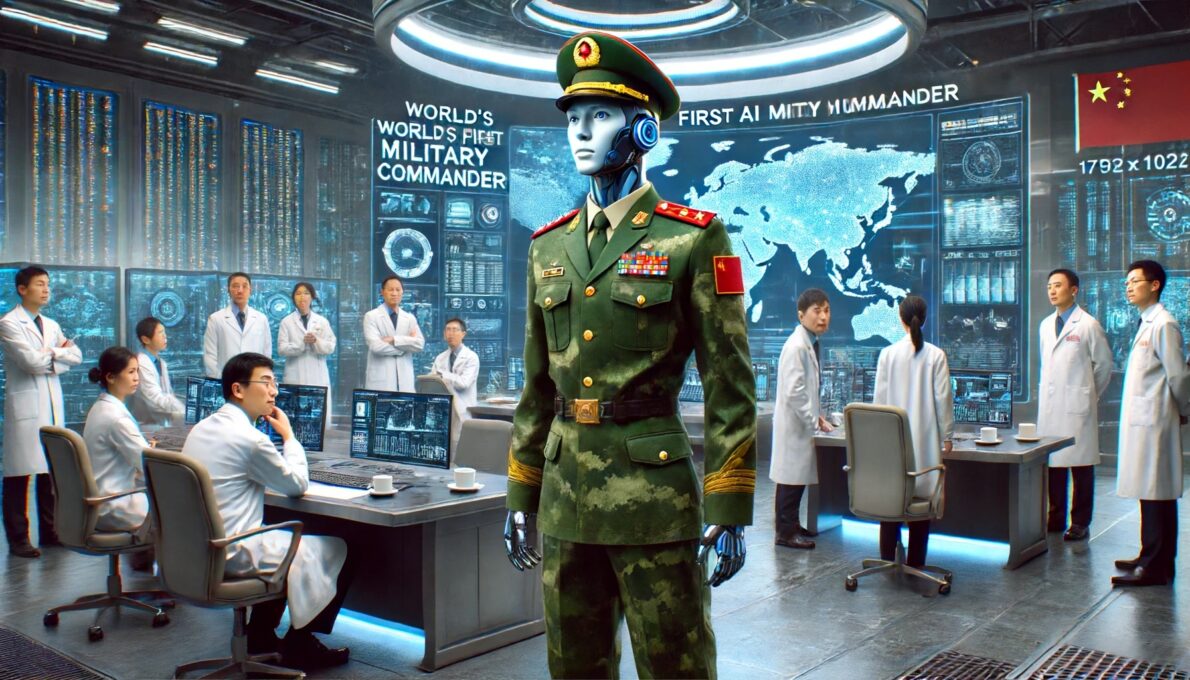
Chinese Scientists Develop The World’s First AI Military Commander. The New Technology Is Capable Of Learning From Experiences And Memorizing Strategies In Simulation.
Chinese scientists have taken a giant leap into the future of military technology by developing the world’s first AI military commander. The AI military commander is strictly confined to a laboratory at the Joint Operations College of the National Defense University in Shijiazhuang.
AI Military Commander Evolves “Thoughts” In War Simulations
The world’s first AI military commander has been developed to mirror a human commander in all aspects, including thought patterns, personality, and even their flaws.
The level of Artificial Intelligences is evolving exponentially. According to another study published in recent tests, the Artificial Intelligence was able to deceive more than 50% of people while pretending to be human.
-
INMET danger alert: heavy rains between the 3rd and 4th may drop up to 100 mm/day and winds of 60 to 100 km/h in several regions of Brazil require extra caution.

-
The parts crisis may bring back the drop notch and microSD in 2026; while Windows 11 promises to become lighter, leaks mention batteries of up to 10,000 mAh and 200 MP cameras.

-
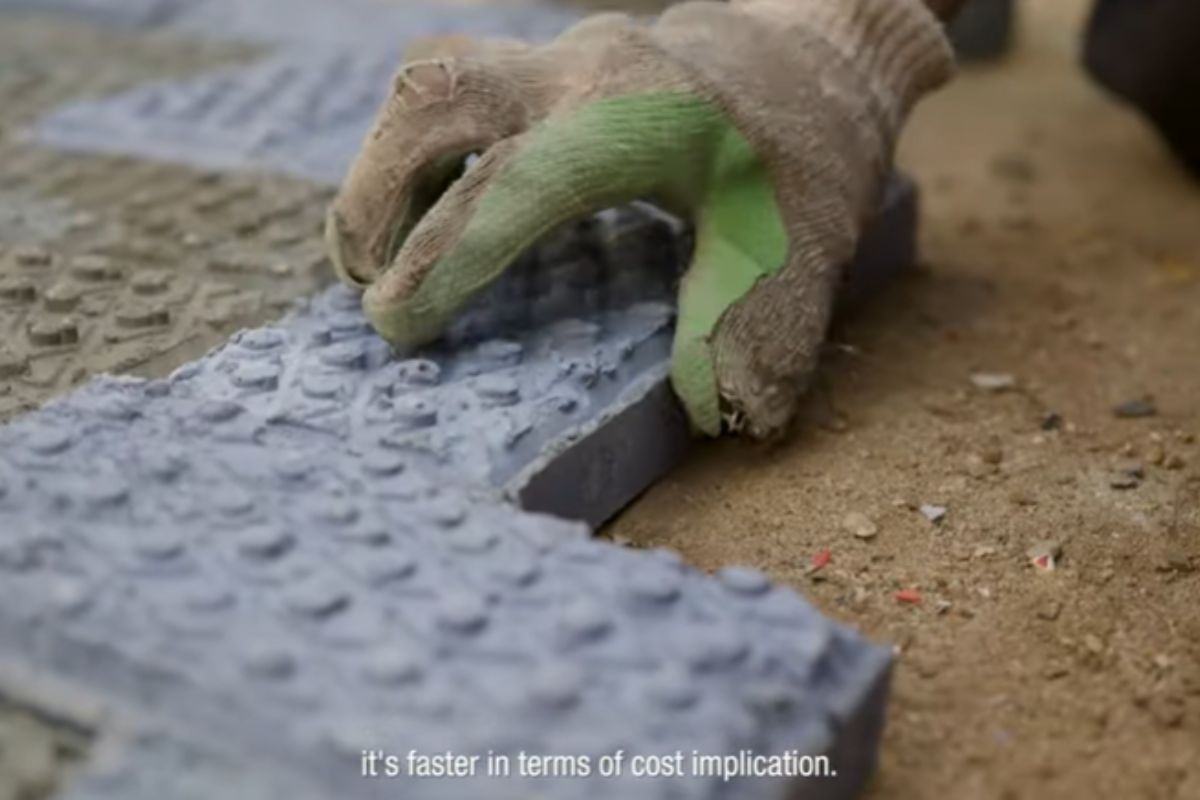
In Kenya, engineer Nzambi Matee created “bricks 2.0” using packaging plastic: a mixture with sand, heated and pressed; they are 5 times more resistant, already have official licensing, and are being used in streets and construction projects.
-
More than 20,000 positions could be opened, and thousands of technicians are starting to be trained in Brazil, as the expansion of data centers creates an urgent race for professionals to keep the internet, cloud, and artificial intelligence running 24 hours a day.

In large-scale war simulations involving all branches of the People’s Liberation Army (PLA), the world’s first AI military commander was given unprecedented supreme authority, learning and evolving rapidly in ever-changing virtual wars.
This innovative research project by Chinese scientists was revealed in May in a peer-reviewed paper published in the Chinese journal “Common Control & Simulation”. The team of Chinese scientists, led by senior engineer Jia Chenxing, emphasized that AI technology carries both potential and risks in military applications, but this project offers a viable solution to the growing dilemma.
World’s First AI Military Commander Does Not Pose Risks To Humanity, According To China
In China, the principle “The Party Commands The Gun” Is Strictly Followed, And Only The Central Military Commission Of The Communist Party Of China Has Authority To Mobilize The PLA.
Although the AI technology of the Chinese scientists is acquiring the capability to make independent decisions, advanced units, including drones and robotic dogs, have more freedom of movement and firepower, but the command authority remains firmly in the hands of humans at headquarters.
The PLA has prepared various operational plans for potential military conflicts in areas such as Taiwan and the South China Sea. An essential goal of the Chinese scientists is to test these plans in simulations to “weigh the good and the bad” and gain insights into the chaos of battle, according to what Jia and his colleagues wrote.
Military simulations at the campaign level often require human commanders to make immediate decisions in response to unexpected events. However, the number of senior PLA commanders and their availability are very limited, making it impossible for them to participate in a large number of war simulations.
Can AI Military Commander Replace Humans?
According to a report from the South China Morning Post, the world’s first AI military commander can replace human commanders when they cannot take part in a virtual battle or exercise command authority. Within the laboratory, it can exercise this power freely, without any human interference.
The team led by Jia explained that the commander was initially configured only as an experienced and brilliant strategist, possessing solid mental faculties, a balanced and firm character, capable of analyzing and judging situations calmly, without emotional or impulsive decisions, and quick in developing practical plans by recalling decision-making scenarios as memories.
However, this configuration can be adjusted if necessary. To simulate the human weakness of forgetting, the scientists also imposed a limit on the size of the AI commander’s knowledge base. When the memory reaches the limit, some units of knowledge are discarded. This development allows the PLA to conduct a large number of war simulations without human intervention.








Seja o primeiro a reagir!