





 Portuguese
  English
  Spanish
  5 min of reading
  1 comment


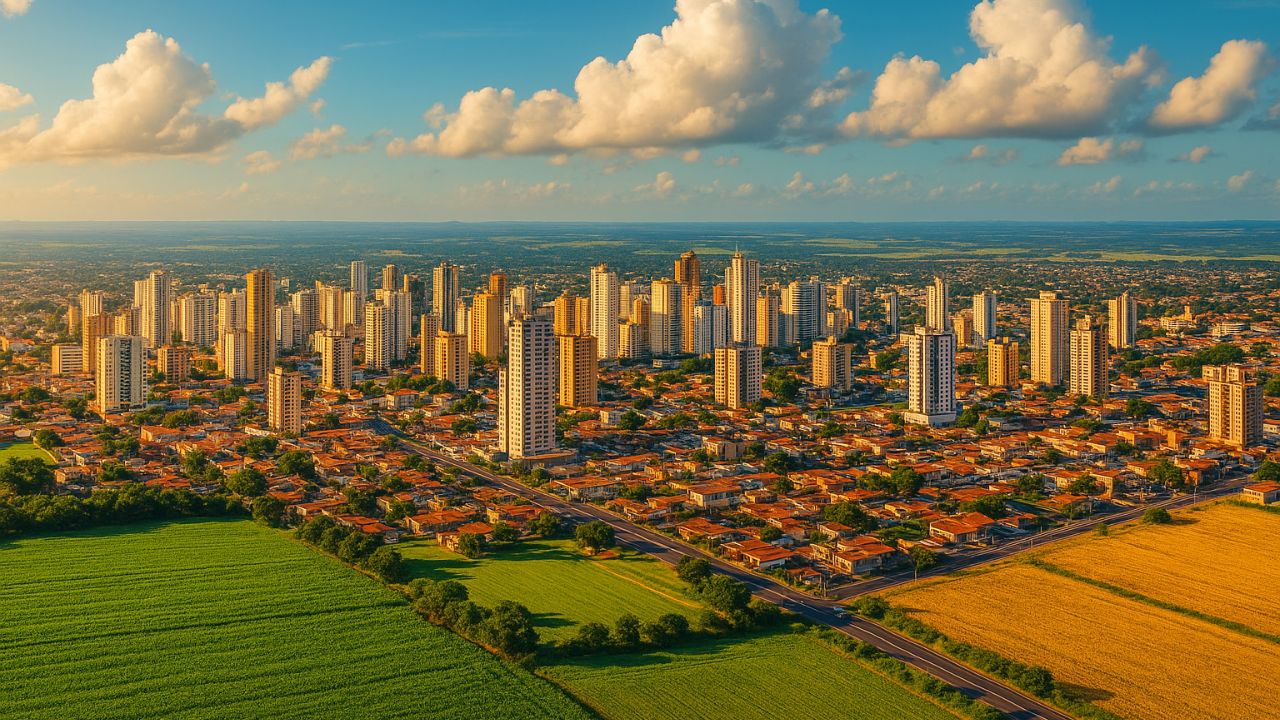


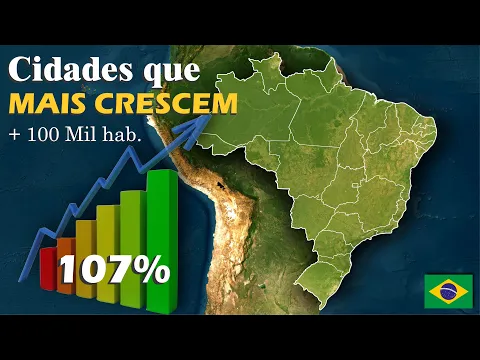
The 20 Brazilian Cities That Grew The Most Between 2010 And 2025 Already Exceed 100 Thousand Inhabitants And Advance Driven By Agriculture, Industry, Logistics, Tourism, And Real Estate Expansion.
The 20 Brazilian cities that grew the most between 2010 and 2025 reveal a Brazil in motion, with new development routes and municipalities that attract residents due to jobs, infrastructure, and cost of living. Here, the criterion is straightforward: cities that reach over 100 thousand inhabitants in 2025 and stand out for their population growth during the period, based on the data presented.
The ranking also helps to understand a pattern: when the local economy gains traction, the population follows. In some cases, agriculture is the engine. In others, industry, the port, tourism, or integration with large capitals, which pushes housing into neighboring cities.
What This Ranking Reveals About The 20 Brazilian Cities That Grew The Most
Before going into the list, it is worth observing the backdrop. The 20 Brazilian cities that grew the most tend to gather at least one of these factors: strong production chains, logistical connectivity, service supply, a real estate boom, or proximity to metropolitan regions that “overflow” with population.
-
“No one will make us change the Pix,” says Lula after the US report.

-
Lula responds directly to Trump and says that Pix is from Brazil and will not change under pressure from anyone, after a report from the United States pointed out the Brazilian payment system as an American trade barrier.

-
Amazon has just announced a new fee on all deliveries, and your online purchases will become more expensive starting April 17, including for those buying from the United States here in Brazil.

-
He sold his share for R$ 4 thousand, saw the company become a giant worth R$ 19 trillion, and missed the opportunity of a lifetime.


This explains why cities surrounding Brasília appear strongly, why port municipalities are skyrocketing, and why agricultural hubs in the Midwest and West of Bahia continue to accelerate.
20th To 16th Place: Growth With Services, Tourism, And Metropolitan Expansion

20th Santana de Parnaíba, São Paulo
In 2010, 108,313 inhabitants. In 2025, 163,787, growth of 51%. The municipality stands out for its service-based economy, with a business hub in Alphaville and planned urbanism. Quality of life and the real estate market attract new residents.
19th Caldas Novas, Goiás
In 2010, 70,473. In 2025, 106,820, growth of 52%. The strength lies in hospitality and thermal water tourism, with a direct impact on commerce and real estate. Constant visitors turn into jobs and a growing city.
18th Águas Lindas de Goiás, Goiás
In 2010, 159,378. In 2025, 245,352, growth of 54%. Close to the Federal District, it becomes a housing hub for those working in Brasília. Construction and retail sustain the expansion of neighborhoods and infrastructure. The surroundings of Brasília emerge as a population accelerator.
17th Chapecó, Santa Catarina
In 2010, 183,530. In 2025, 282,648, growth of 54%. Considered the capital of agribusiness in the South, it gathers food industries and cooperatives, exporting meat and agricultural products. The university sector also attracts young people. Agriculture, industry, and education combine to keep the city thriving.
16th Sarandi, Paraná
In 2010, 82,847. In 2025, 128,110, growth of 55%. Integrated into the metropolitan area of Maringá, it grows with commerce, logistics, services, and real estate expansion. Living in Sarandi and working in Maringá becomes a strategy for cost and mobility.
15th To 11th Place: Industry, Metropolitan Area, And Logistics Attracting Residents
15th Nova Serrana, Minas Gerais
In 2010, 73,699. In 2025, 114,791, growth of 56%. Known as the national capital of athletic footwear, it concentrates factories and jobs. The industrial dynamism attracts migrants and increases demand for infrastructure.
14th São José de Ribamar, Maranhão
In 2010, 163,045. In 2025, 259,165, growth of 59%. Close to São Luís, it grows with tourism and services from the metropolitan area, as well as new neighborhoods. Urban growth and proximity to the capital make a difference.
13th Rio das Ostras, Rio de Janeiro
In 2010, 105,667. In 2025, 168,455, growth of 59%. The advance is linked to the oil and gas chain of the Campos Basin and tourism. When the economy diversifies between energy and beach, the city gains traction.
12th Itajaí, Santa Catarina
In 2010, 183,315. In 2025, 294,850, growth of 61%. The port of Itajaí handles cargo and boosts logistics, industry, and commerce. Tourism and the nautical sector also stand out. A strong port often leads to a strong population.
11th Valparaíso de Goiás, Goiás
In 2010, 132,982. In 2025, 218,416, growth of 64%. Connected to the Federal District, it grows with commerce, services, transportation, and real estate expansion, with a large daily flow to Brasília. Another proof of how the DF redistributes housing in the surrounding areas.
10th To 6th Place: Royalties, Migration, Technology, And Construction Accelerate The Leap
10th Maricá, Rio de Janeiro
In 2010, 127,461. In 2025, 212,470, growth of 67%. Gains strength with oil royalties and public investments in infrastructure, as well as tourism and social programs that energize commerce and construction. Infrastructure and income circulation push the population.
9th Boa Vista, Roraima
In 2010, 284,313. In 2025, 485,477, growth of 71%. Receives a large migratory flow, including international, raising demand for services, commerce, and construction. The public sector and logistics also weigh in. Population growth here is a direct effect of migratory movement and the service economy.
8th Cidade Ocidental, Goiás
In 2010, 55,915. In 2025, 101,570, growth of 82%. In the surroundings of Brasília, it grows driven by the housing sector and large housing developments. Commerce and services advance to meet the population. When housing spikes, the entire city reorganizes.
7th Palhoça, Santa Catarina
In 2010, 137,334. In 2025, 253,469, growth of 85%. Part of the metropolitan area of Florianópolis, it stands out for its technological hubs, planned communities, and the services sector, supported by tourism and the educational sector. Technology and planned urbanism become magnets for new residents.
6th Camboriú, Santa Catarina
In 2010, 62,361. In 2025, 117,324, growth of 88%. Neighboring Balneário Camboriú, it grows with construction, tourism, and the real estate market. Proximity to a tourist hub attracts investment and population.
5th To 1st Place: Agriculture, Mining, And Industry Place These Cities At The Top
5th Luís Eduardo Magalhães, Bahia
In 2010, 60,105. In 2025, 118,382, growth of 97%. Known as one of the capitals of agribusiness, it has high-performance agriculture, mechanization, and productivity, with the presence of large companies and job creation. Here, agriculture is not just a backdrop; it is the central engine.
4th Sinop, Mato Grosso
In 2010, 113,099. In 2025, 223,780, growth of 98%. A hub of agribusiness in Mato Grosso, with soybean, corn production, and livestock, supporting industry and services in the chain. When the productive base is robust, growth becomes routine.
3rd Parauapebas, Pará
In 2010, 153,908. In 2025, 305,771, growth of 99%. One of the largest mining centers in the world due to the Carajás project. Mining, logistics, and services generate economic movement and migration. Large-scale mining changes the pace of an entire city.
2nd Fazenda Rio Grande, Paraná
In 2010, 81,675. In 2025, 165,943, growth of 103%. Integrated into the metropolitan area of Curitiba, expands with condominiums, commerce, services, and a workforce that commutes daily to the capital. The industrial sector also grows in the region. A bedroom city with industry creates an explosive combination for population growth.
1st Senador Canedo, Goiás
In 2010, 84,443. In 2025, 175,042, growth of 107%. An industrial hub, with highlights in the chemical, petrochemical, and logistics sectors. Proximity to Goiânia drives the arrival of companies, residents, and new ventures. When industry and logistics join with metropolitan strength, the growth shows up in the census.
Why The 20 Brazilian Cities That Grew The Most Matter Now
The 20 Brazilian cities that grew the most show how the country redistributes opportunities. Some grow because they have become housing extensions of capitals. Others because they have become productive hubs, with agriculture, mining, ports, or industry. What they have in common is that they all capture a wave of development that changes Brazil’s demographic map.
Which of these 20 Brazilian cities that grew the most surprised you the most, and do you think your city could enter this type of ranking in the future?



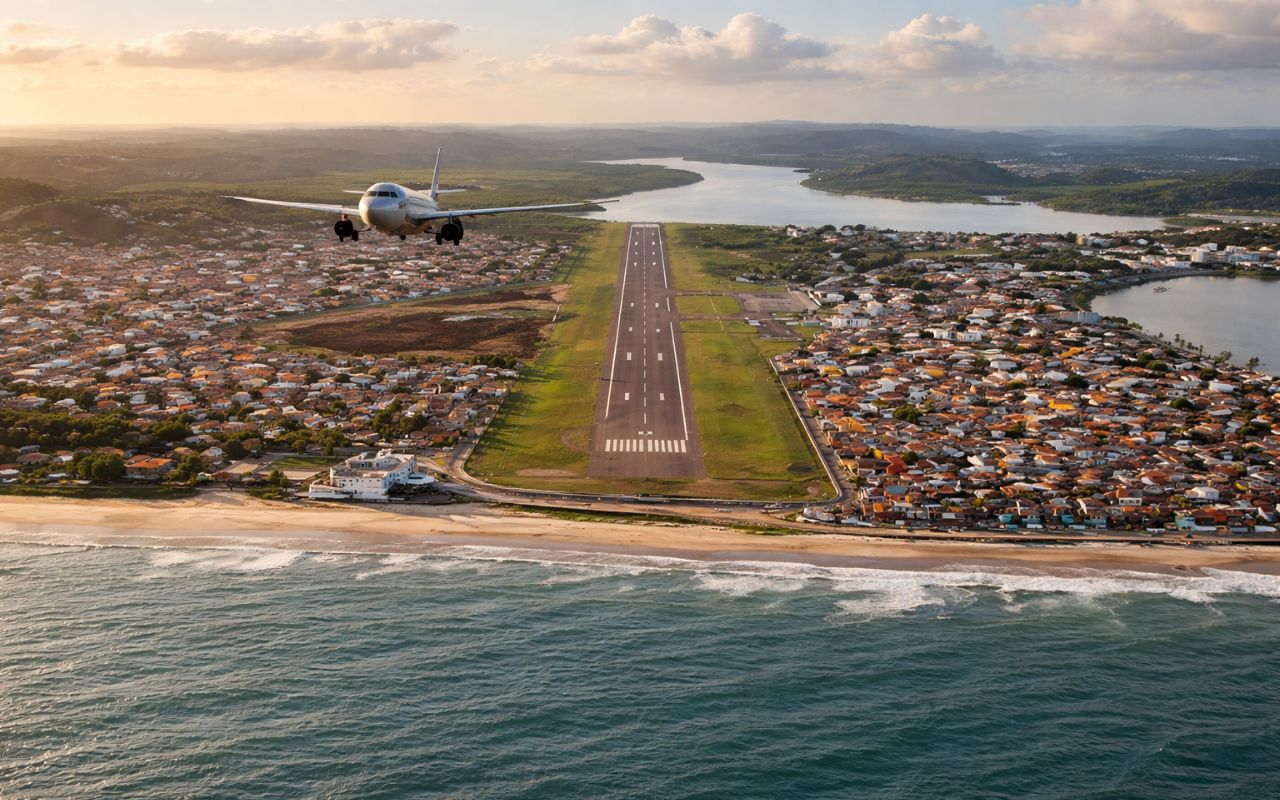



Sinop. Novas tecnologias para o agro, dentre elas a correção dos solos com a entrada da cultura da soja criou novos empregis e geração de renda que impulsionou o ciclo economico no município