





 Portuguese
  English
  Spanish
  5 min of reading
  16 comments


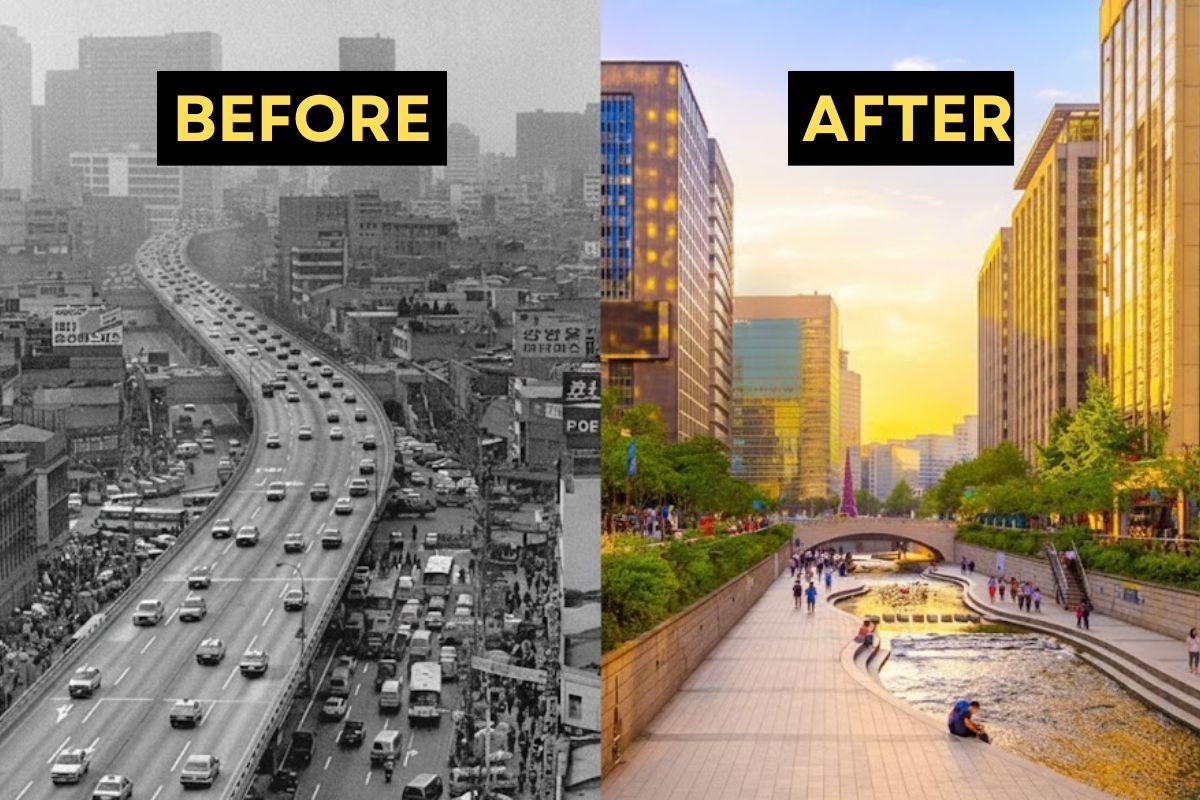


When Seoul Demolished The Cheonggyecheon Elevated Expressway, It Transformed Asphalt Into River, Reduced Cars, Cut Pollution, And Created A Linear Park That Became A Global Reference For Urban Renewal.
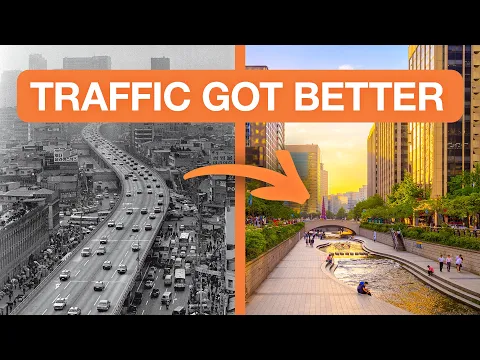
Seoul transformed asphalt into river when it made a decision that seemed like political suicide: to demolish an elevated highway in the heart of the city, built in the 1950s and 60s as a symbol of modernization and a “car-centric” future. The center, however, was in decline, with heavy congestion, noise, polluted air, and an area that was becoming increasingly less attractive to live, work, and shop.
What was most surprising was not just the construction, but the ripple effect. Even with media warnings, interest groups, and simulations indicating chaos, Seoul transformed asphalt into river and saw traffic evaporate instead of explode, while urban space gained life, shade, walking, tourism, and environmental recovery.
The Elevated Highway Became A “Car Sewage” And The Center Began To Die

The logic of the 20th century was simple: more lanes, more flow. In practice, the elevated expressway and its surroundings became a permanent bottleneck, with a hostile environment for pedestrians and commerce.
-
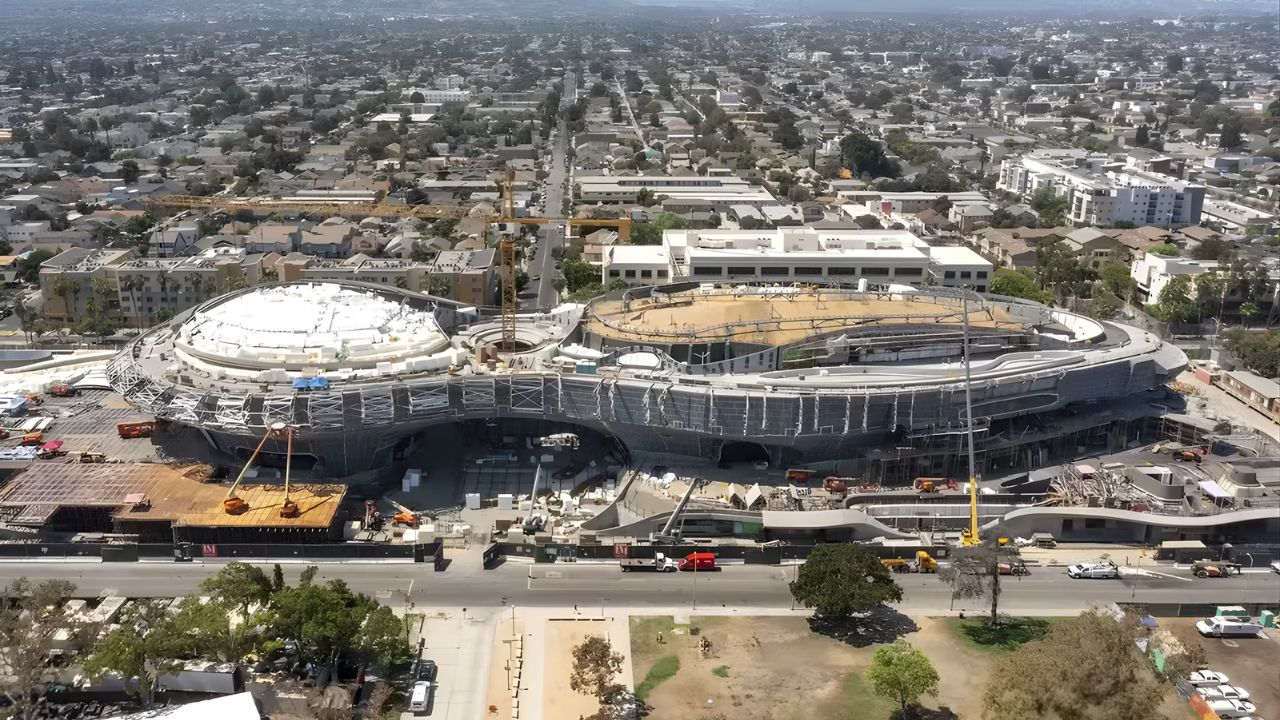
Created by George Lucas with over $1 billion, a futuristic museum in the shape of a spaceship with 1,500 curved panels is about to open in Los Angeles and will house one of the largest private collections of narrative art in the world.
-
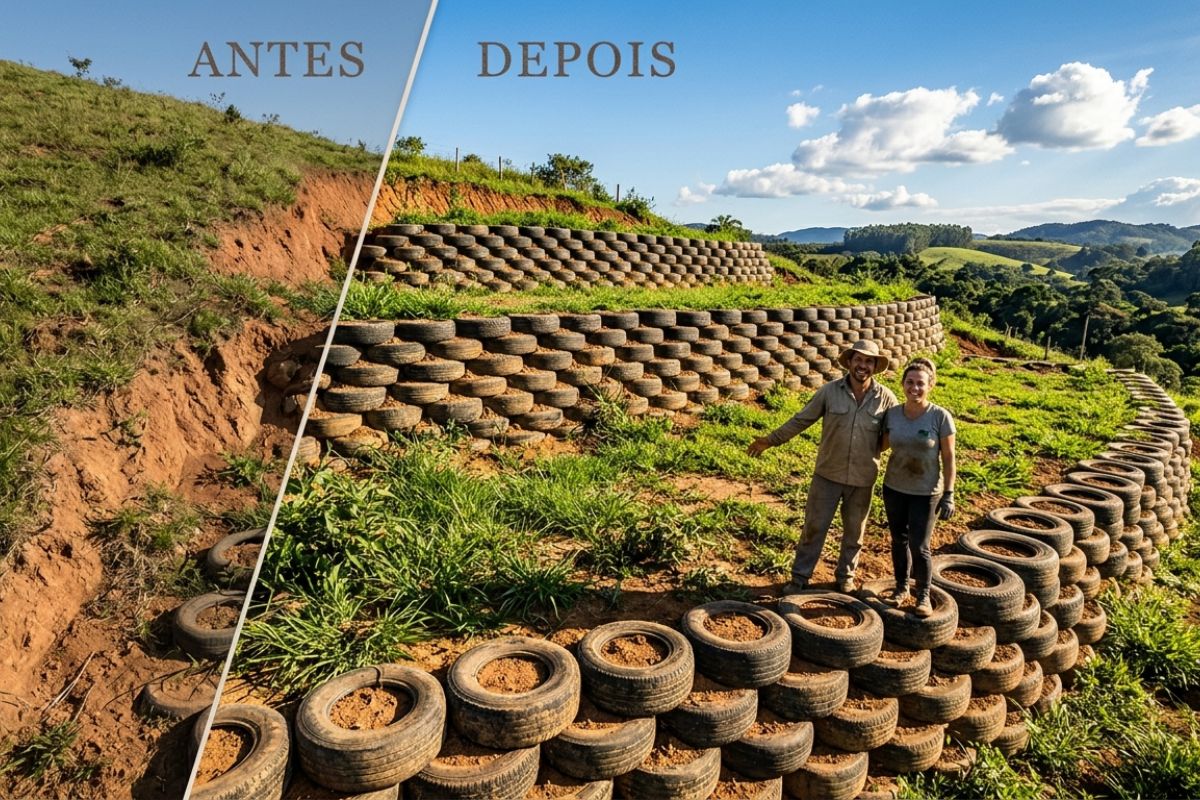
Couple shows how they built a retaining wall on their property using 400 old tires: sloped land turned into plateaus, tires are aligned, filled, and compacted with layers of soil, with grass helping in support and at almost zero cost.
-
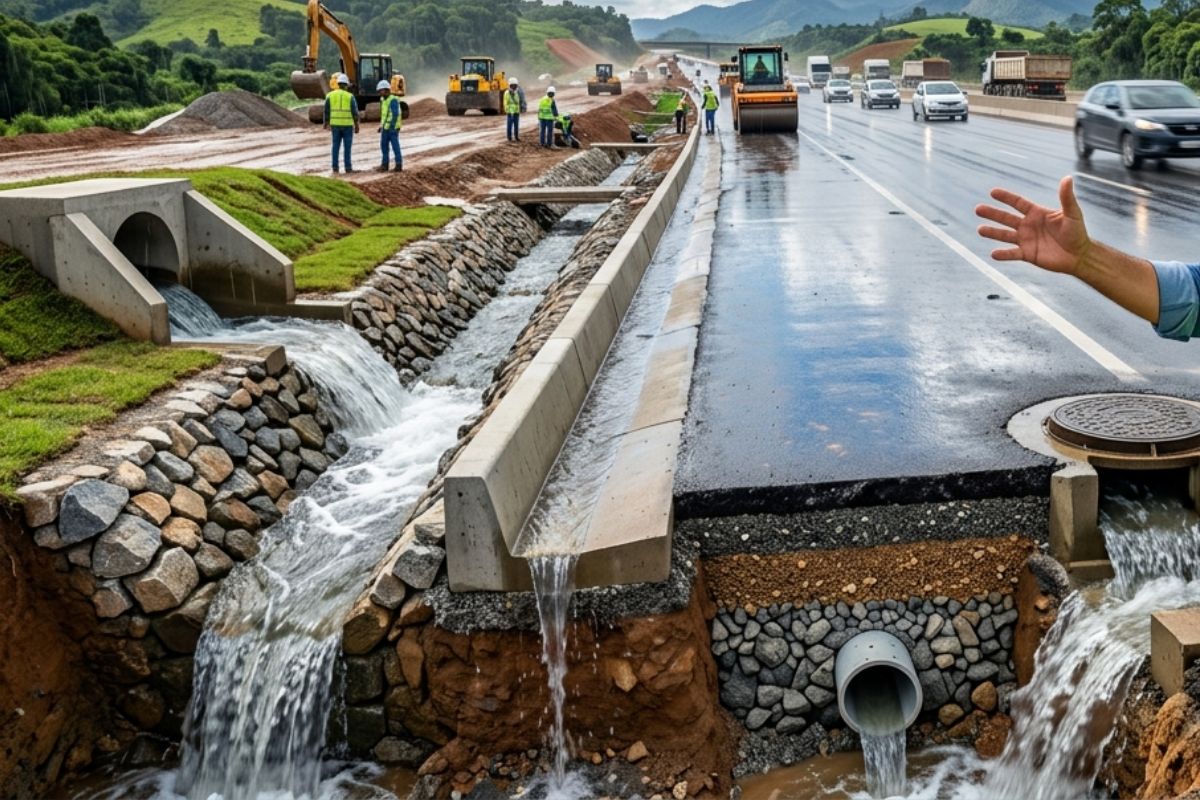
Engineer explains drainage during the rainy season: the difference between surface water and deep water, ditches, gutters, and water outlets on the road, as well as drains and drainage mattresses, to prevent erosion, aquaplaning, and flooding at the construction site today.
-
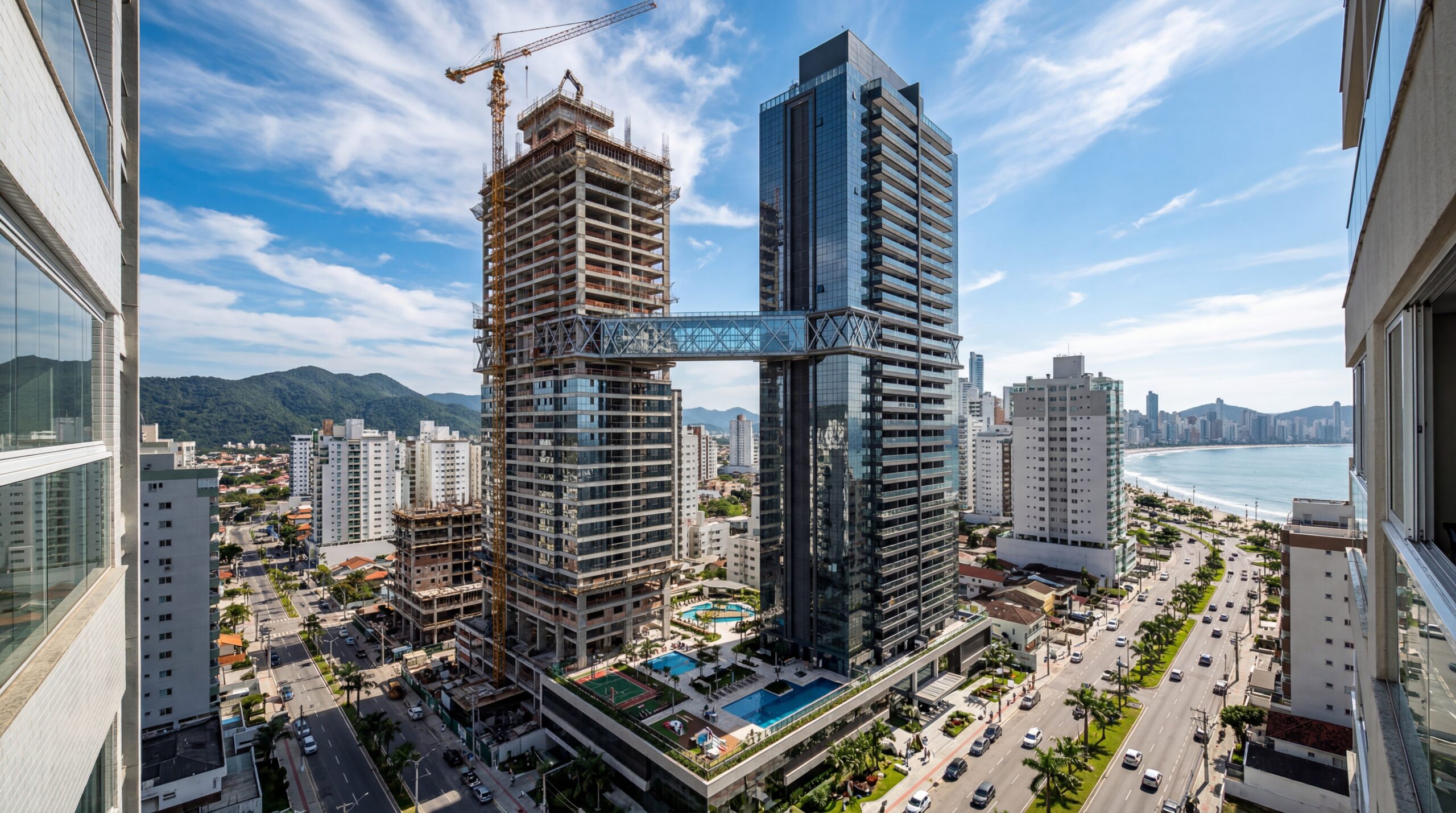
With 55 floors, 177 meters in height, a 15-meter walkway between the twin towers, ventilated facade, and 6,300 m² of leisure space, Ápice Towers already has one tower completed and another nearly at the top.

The center lost attractiveness, and the very structure of the highway fell into disrepair, becoming unsafe and forcing the city to choose between rebuilding or demolishing.
Seoul chose to demolish, and the choice was not “just remove.” The proposal was radical: to return to the place an element that existed before and had been swallowed by urbanization.
Why “Transforming Asphalt Into River” Was Not Just Aesthetics, It Was Strategy
The Cheonggyecheon project rests on a well-documented concept in urban planning: when you increase road capacity, you encourage more people to drive, and traffic worsens over time.
The reverse also happens: by removing a lane, part of the traffic simply disappears because people change routes, times, modes of transport, or cease making that trip.
In the case of Seoul, the expectation was collapse. The reported outcome after removal was the opposite of fear.
The Fear Of The “Traffic Apocalypse” And What Really Happened

After the removal of the expressway, the data cited in the foundational material indicated a 45% decrease in vehicle traffic over three years.
At the same time, there was an increase in subway use and, especially, buses. The most perplexing point: there was no increase in travel time for drivers, contradicting the narrative of inevitable disaster.
This effect is one of the reasons why Seoul became a recurring example in traffic engineering and urbanism debates, but it is just the entrance to what the project really changed.
Decrease In Pollution, Less Heat And A More Vibrant Center
When Seoul transformed asphalt into river, it gained an urban corridor that cools the surroundings and reduces the environmental impacts of heavy traffic.
The foundational text attributes a 35% reduction in nitrogen dioxide levels to the project, in addition to noise reduction and a cooling effect in the summer, with average temperatures 3.5 degrees lower compared to neighboring streets.
It was not just “it looks nice.” It became livable. The area began to attract people to walk, linger, circulate, and consume, and commercial activity began to grow again after years of stagnation.
A Linear Park That Became A Destination, Not Just A Passage
The Cheonggyecheon was not made as a simple channel. There was design care along the route, with more “urban” sections and others with a more natural appearance, benches, staying areas, and points that make the path interesting.
The space began to function as an urban and tourist attraction, as well as a gathering corridor in the center.
The project also included water management solutions for extreme events, with infrastructure designed to handle rare floods and closure of the path in case of heavy rain.
And there is a relevant detail: for most of the time, the water is pumped, not just “natural,” which reinforces that transforming asphalt into river was a choice of urban policy and operation, not just landscape engineering.
Biodiversity, Fish And The Return Of The “Center That People Want”
The requalification of the environment brought a significant increase in animal diversity according to the foundational material, with more birds and fish.
This helped to consolidate the symbolism of the project: a center that ceases to be a thoroughfare for cars and becomes a place to be.
The success of Cheonggyecheon opened the door for other initiatives to reduce elevated roadways and reappropriate space, including a second emblematic transformation.
Seoullo 7017: When The Road Does Not Disappear But Becomes A Pedestrian Bridge

At another point in Seoul, an elevated road was converted into a pedestrian bridge, Seoullo 7017, connecting areas near Seoul Station.
The structure gained plants, identified trees, resting spots, cafes, and connections with buildings, reinforcing the same logic: less priority for cars, more value for people and commerce.
Still, the foundational material points out criticisms, such as limited accessibility in some sections and connections that could be more direct, showing that even an exemplary case is not perfect.
What Other Cities Can Learn From Seoul’s Decision
Seoul transformed asphalt into river and proved that a city can correct past choices of car-centric urbanism when it decides to treat the center as a human space.
The project was costly and faced resistance, but the reported outcome suggests a broad balance: less traffic, less pollution, less heat, more walking, more urban life, and more economic activity.
If your city had an elevated highway cutting through the center, would you support a similar decision to “transform asphalt into river,” even with initial fears of traffic, or would you find it too risky?






Around 17 years ago, I had travelled the city centre of Seoul. I forgot the names of the locality now (difficult nomenclature to remember for long), that was towards southeast of Seoul Tower (located over a small hillock). At that time also there was a a man-made rivulet with pumped water and with sideways running through the flower and green parks alongsides. I still renember that area. It was around 1km or a little long only. Is it the same rivulet you are talking about or it is different one?
Around 17 years ago, I had travelled the city centre of Seoul. I forgot the names of the locality now (difficult nomenculture to remember for long), that was towards southeast of Seoul Tower (located over a small hillock). At that time also there was a a man-made rivulet with pumped water and with sideways running through the flower and green parks alongsides. I still renember that area. It was around 1km or a little long only. Is it the same rivulet you are talking about or it is different one?
Horrible article. Yes, congrats. 2 projects. What about the rest of the city that is quickly becoming Seoulless? If you’ve spent any time traveling and then lived in Korea, you will see Seoul is some of the widest streets and worst traffic.