





 Portuguese
  English
  Spanish
  5 min of reading
  0 comments


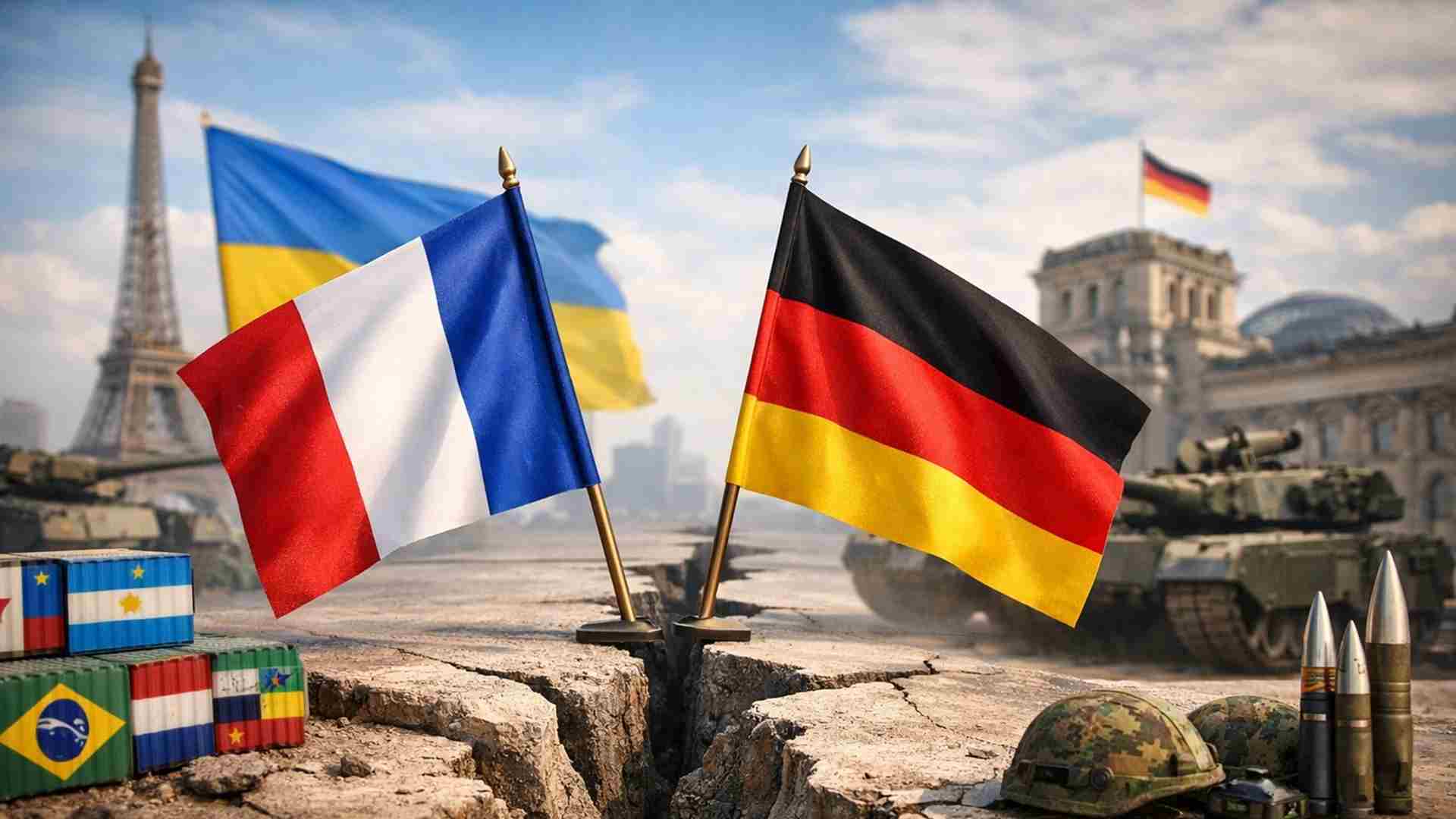
The Wear And Tear Between Paris And Berlin Intensifies Amid Divergences Over Military Support For Ukraine, Stalemate In The EU-Mercosur Agreement, Industrial Disputes In The Defense Area And Different Perceptions Of Political Leadership In The European Block After The Relief Of The External Crisis
The announcement made by Donald Trump in Davos changed the European political context just hours after weeks of trade and diplomatic threats. The president of the United States stated that Washington has established the framework for a future agreement regarding Greenland, an autonomous territory of Denmark.
According to Trump, the proposal discussed with NATO Secretary General Mark Rutte eliminates the imposition of new tariffs against European countries that opposed American ambitions regarding the Arctic island. He also explicitly ruled out the use of military force.
The reaction was immediate. Several European countries, including Denmark, positively received the announcement, while American markets reacted strongly upward. The agreement reduced external pressure, but did not resolve the internal fractures of the European Union.
-
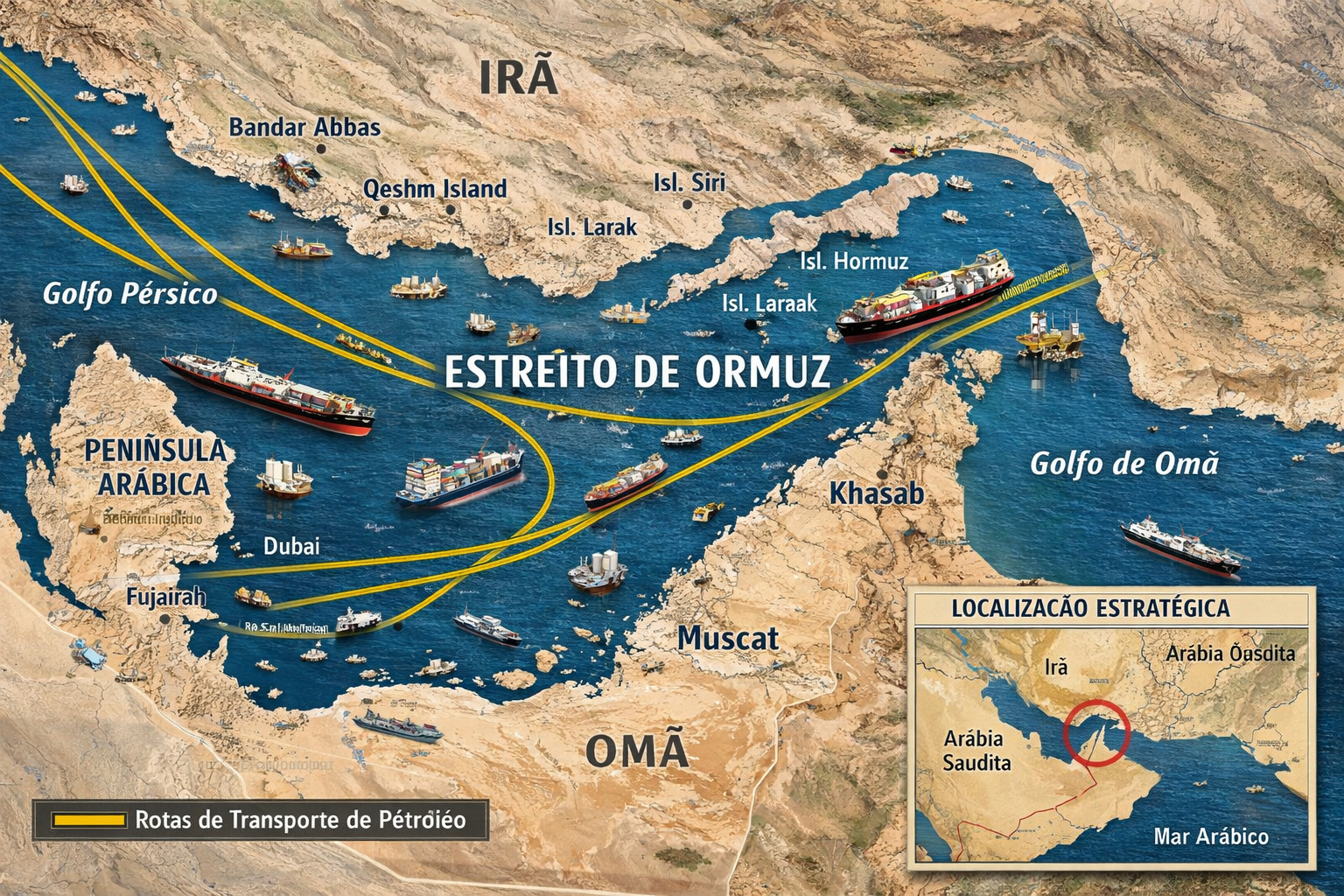
Global summit with over 40 countries pressures Iran for a blockade in the Strait of Hormuz and warns of direct impact on oil, food, and the global economy.
-
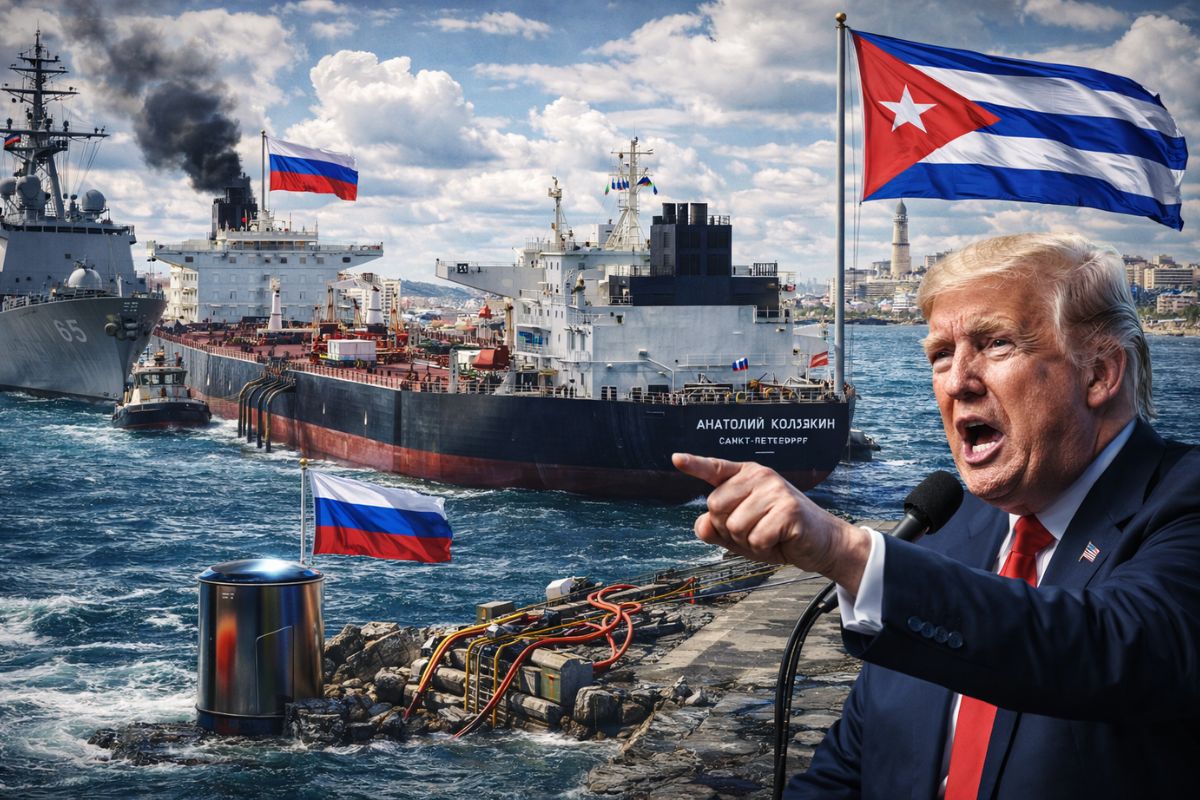
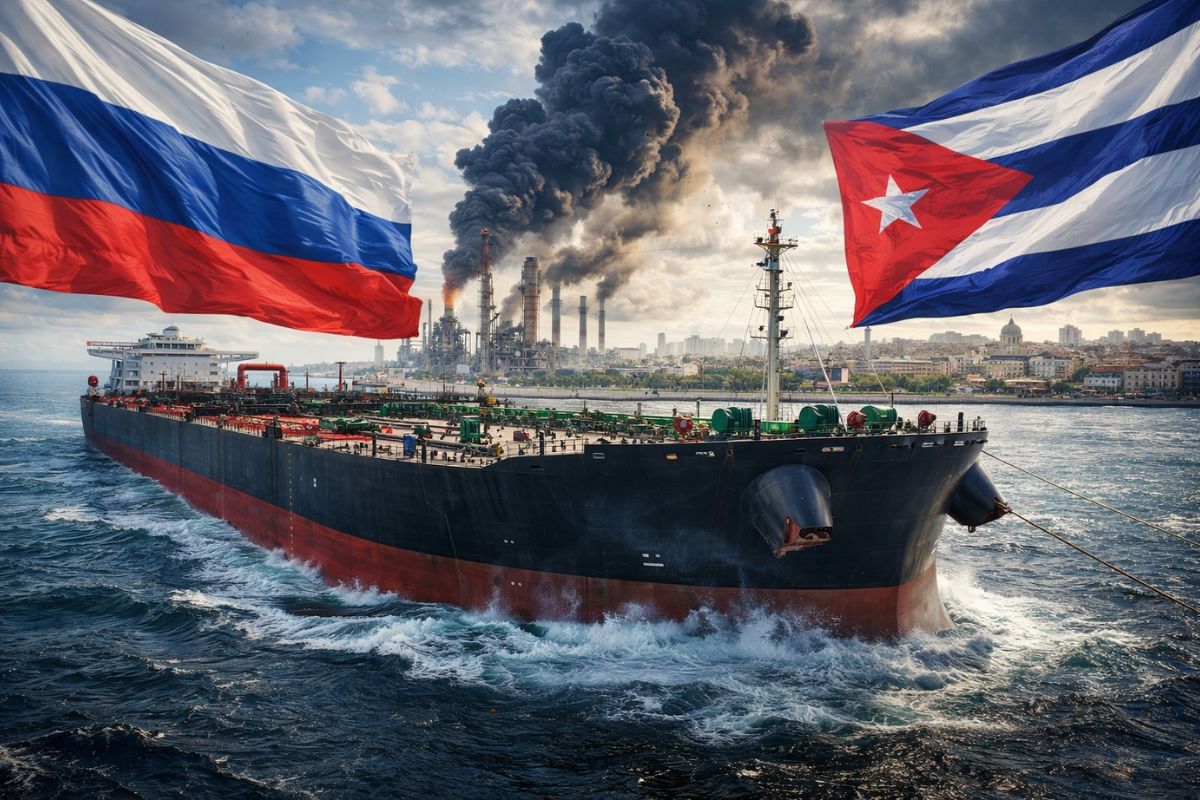
Russia has broken the U.S. maritime blockade to send oil to Cuba and is now loading a second ship while Trump says that “Cuba is next” in a possible military action against the island.
-
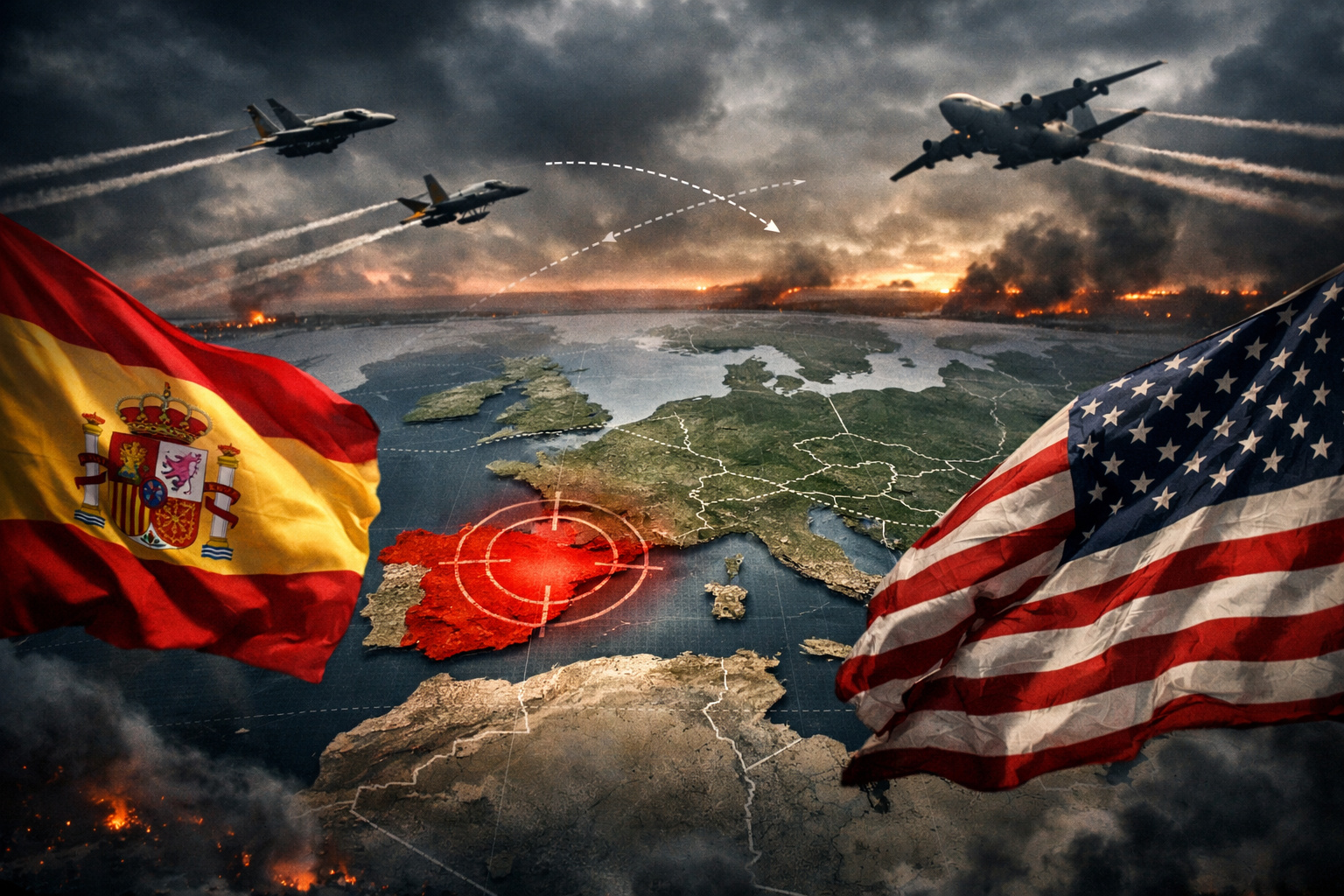
Spain challenges the USA and closes its airspace for operations against Iran, raising global tension and provoking the threat of a trade rupture.
-
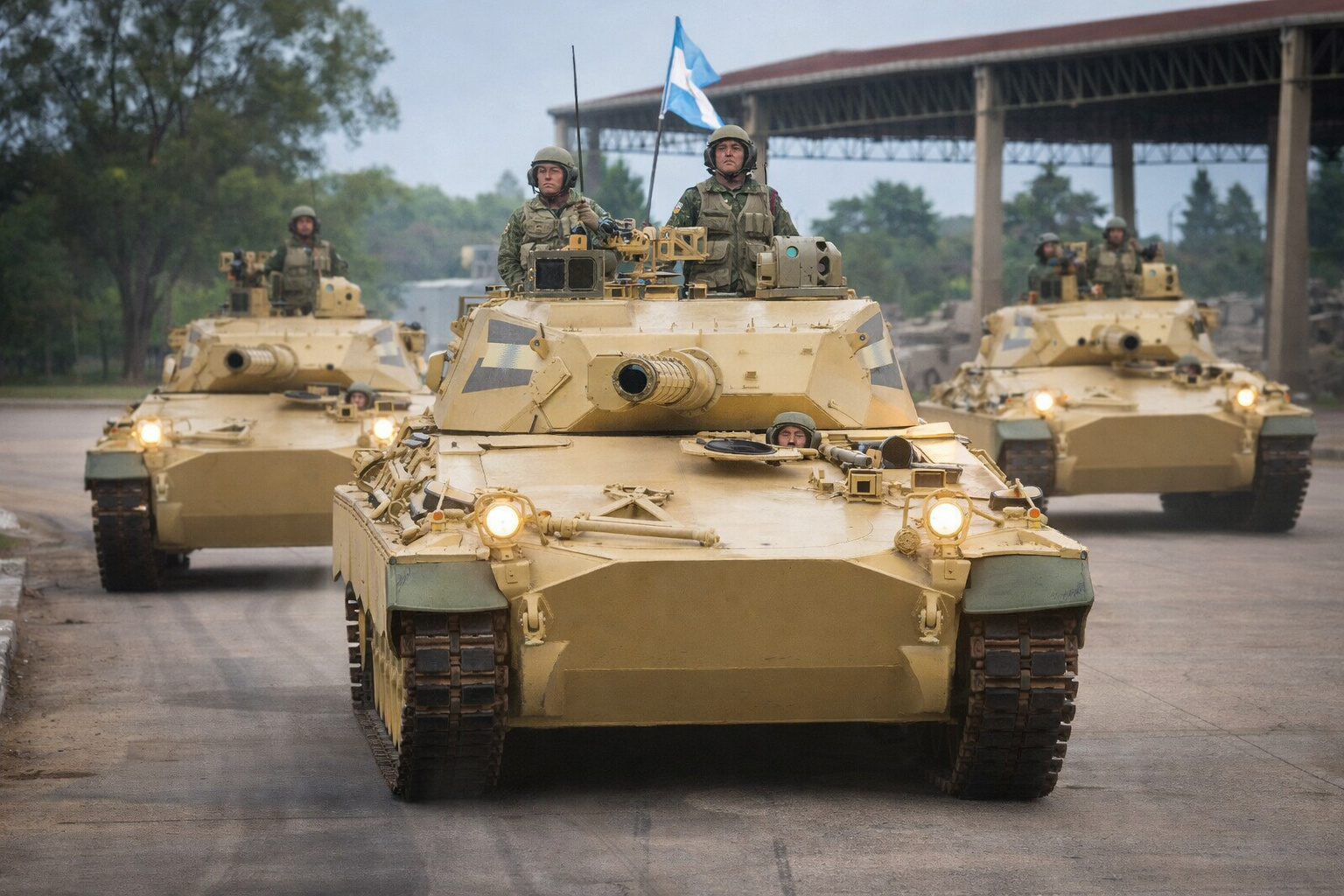
While no other country manufactures tanks in Latin America, Argentina activates the TAM 2C-A2 and raises a curiosity about the technological lag in the region.

Political Impact In Paris And Berlin After The Understanding With Washington
Prior to the announcement in Davos, France and Germany were on a collision course regarding how to respond to Trump’s threats concerning Greenland and trade tariffs.
The German Chancellor Friedrich Merz advocated for a conciliatory approach, while Emmanuel Macron promised retaliation with EU trade instruments.
With the preliminary agreement, the direct confrontation was defused, but strategic differences remained. The understanding with Washington removed the emergency factor that forced an immediate joint response, exposing accumulated divergences between Paris and Berlin.
An EU diplomat stated that, even without tariffs, “the Franco-German partnership remains paralyzed,” highlighting that the agreement merely postponed deeper conflicts over leadership, trade, and defense within the block.
Content Of The Agreement And The Role Of NATO In Greenland
The structure of the agreement involves the renegotiation of the 1951 treaty between the United States and Denmark, which authorized the American military presence in Greenland in perpetuity. The details of the renegotiation are still undefined.
A NATO official stated that the possibility of Denmark allowing the construction of more American military bases in areas considered sovereign territory of the U.S. was discussed. Trump described the arrangement as a “definitive” agreement and of “infinite” duration.
Mark Rutte declared that Danish sovereignty over Greenland was not discussed and that no commitment in that regard was proposed. Still, the new format reinforces American strategic presence in the Arctic.
Russia, China And The Geopolitical Logic Of The New Pact
A NATO spokesperson indicated that negotiations would focus on preventing any economic or military presence from Russia and China in Greenland. This suggests explicit clauses to exclude Beijing and Moscow from the island.
Russian President Vladimir Putin stated that the issue of Greenland did not concern Russia, but he then expressed tacit support for the U.S. acquisition of the territory, signaling acceptance of the new balance.
The exclusion of strategic rivals reinforced the geopolitical nature of the agreement and reduced European maneuverability, especially for countries advocating for greater strategic autonomy from Washington.
Minerals, Security And Contradictions In American Discourse
Trump stated that the agreement includes rights over rare earth minerals, involving both the United States and NATO. He did not detail the terms but confirmed that the resources are part of the negotiation.
American government officials see Greenland as a key piece to reduce global dependence on China for rare earth processing, essential for military systems, electric vehicles, and medical equipment.
Despite this, Trump publicly downplayed the importance of minerals, asserting that the central objective is national and international security. Hours later, however, he returned to citing minerals and missile defense as pillars of the agreement.
Internal Repercussions In The European Union
Hours before the announcement in Davos, members of the European Parliament had blocked the vote to ratify a trade agreement between the United States and the European Union, signed the previous year in response to tariff threats.
The understanding regarding Greenland temporarily defused this stalemate but did not eliminate political discomfort. For Paris, the agreement reinforces European dependence on Washington. For Berlin, it reduces immediate risks of trade war.
The absence of a unified European position during negotiations reinforced French criticisms regarding German assertiveness and fueled German frustrations with the lack of political cohesion from the French government.
Ukraine, Defense And The Accumulated Wear And Tear In The Franco-German Axis
Even with external relief, divergences over Ukraine remain central. German officials assess that France seeks political prominence but contributes less financially and militarily than Berlin.
The debate over the €90 billion loan from the EU to Ukraine highlighted the conflict. France advocated for purchases of European weapons, while Germany proposed prioritizing countries that contributed most to Kiev.
An EU diplomat classified the German position as a direct message to Paris, reflecting accumulated resentments and amplifying distrust between the two countries.
Mercosur And The FCAS Project As Points Of Breakdown
The EU-Mercosur agreement remains stalled, with Berlin frustrated by French opposition attributed to internal pressures from farmers. For German officials, this undermines France’s credibility in strategic negotiations.
The joint fighter project FCAS, valued at €100 billion, entered a critical state after a new impasse between Paris and Berlin. German lawmakers accuse French companies of exerting excessive pressure.
There are preliminary discussions about developing the fighter without French participation, a scenario considered a disaster but illustrating the degree of deterioration in defense cooperation.
An Agreement That Relieves The External Crisis But Exposes Internal Fissures
The understanding regarding Greenland removed tariffs, discarded military intervention, and temporarily stabilized the transatlantic relationship. However, it did not resolve the structural tensions between France and Germany.
Diplomats assess that, without an immediate threat, internal divergences become even more visible, making uncertain the Franco-German axis’s ability to lead the European Union in the coming years.









Seja o primeiro a reagir!