





 Portuguese
  English
  Spanish
 2 min of reading
  0 comments


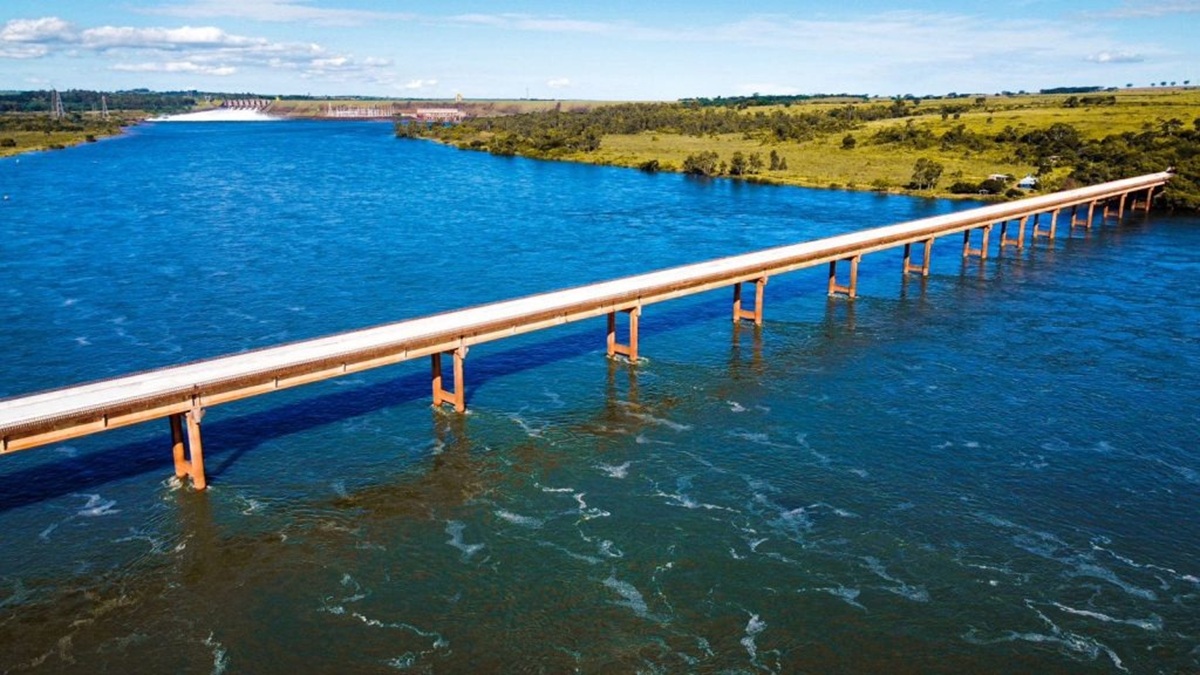
With 4,880 Km, the Paraná River Begins in Brazil, Crosses Paraguay and Argentina, and Becomes Vital for Energy, Navigation, Ecosystems, and Supply in Large Parts of South America
The Paraná River is the second longest river in South America, with approximately 4,880 km in length. Its course begins in Brazil, where the Paranaíba and Grande rivers meet, forming one of the continent’s main waterways.
From that point, it continues southward until it flows into the Río de la Plata, at the border region between Argentina and Uruguay.
Throughout this journey, it becomes essential for navigation, electricity generation, and water supply in different regions.
-
At 73.8 meters tall, the world’s tallest teapot-shaped building has 15 floors, ensures stability, and impresses with an internal space of 28,000 cubic meters.

-
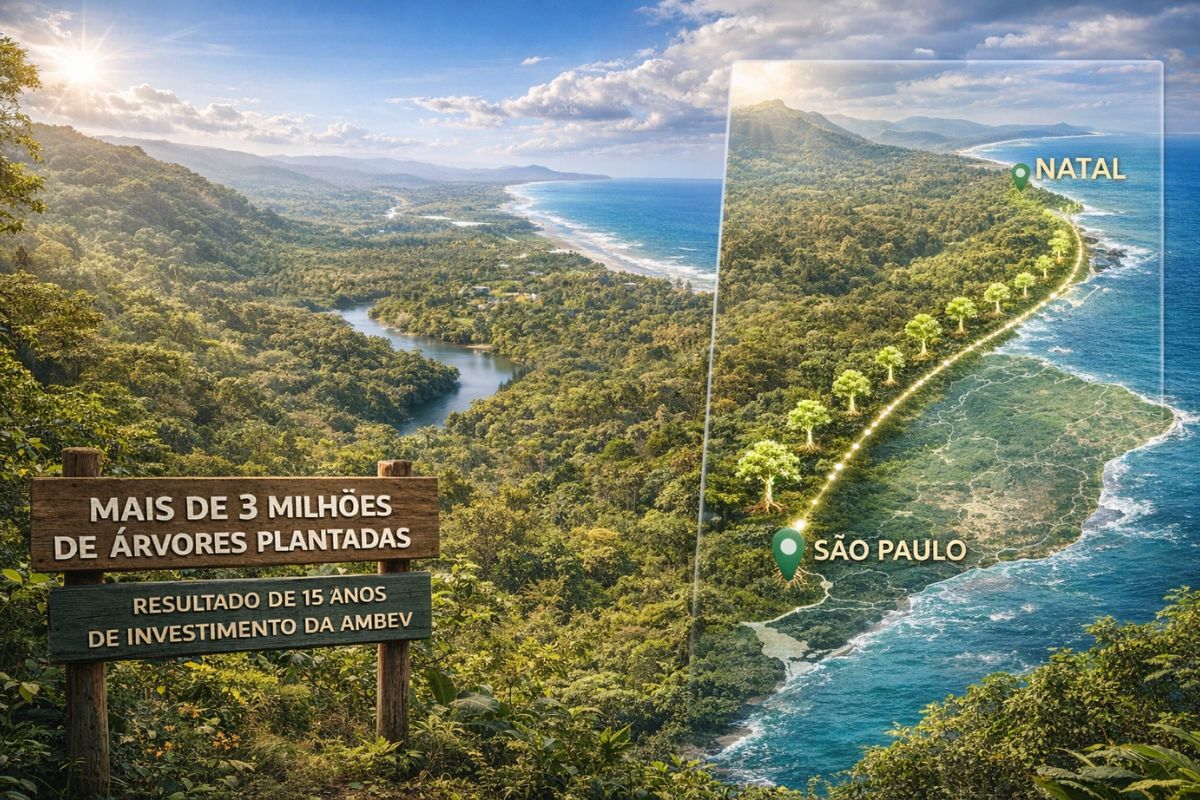
Ambev has planted over 3 million trees and restored an area equivalent to the coastline from São Paulo to Natal, and the result after 15 years of silent investment has finally appeared for all of Brazil to see.
-
A new AI collar technology for cattle eliminates physical fences, creates virtual barriers, monitors animals 24/7, and detects changes in behavior and health.

-
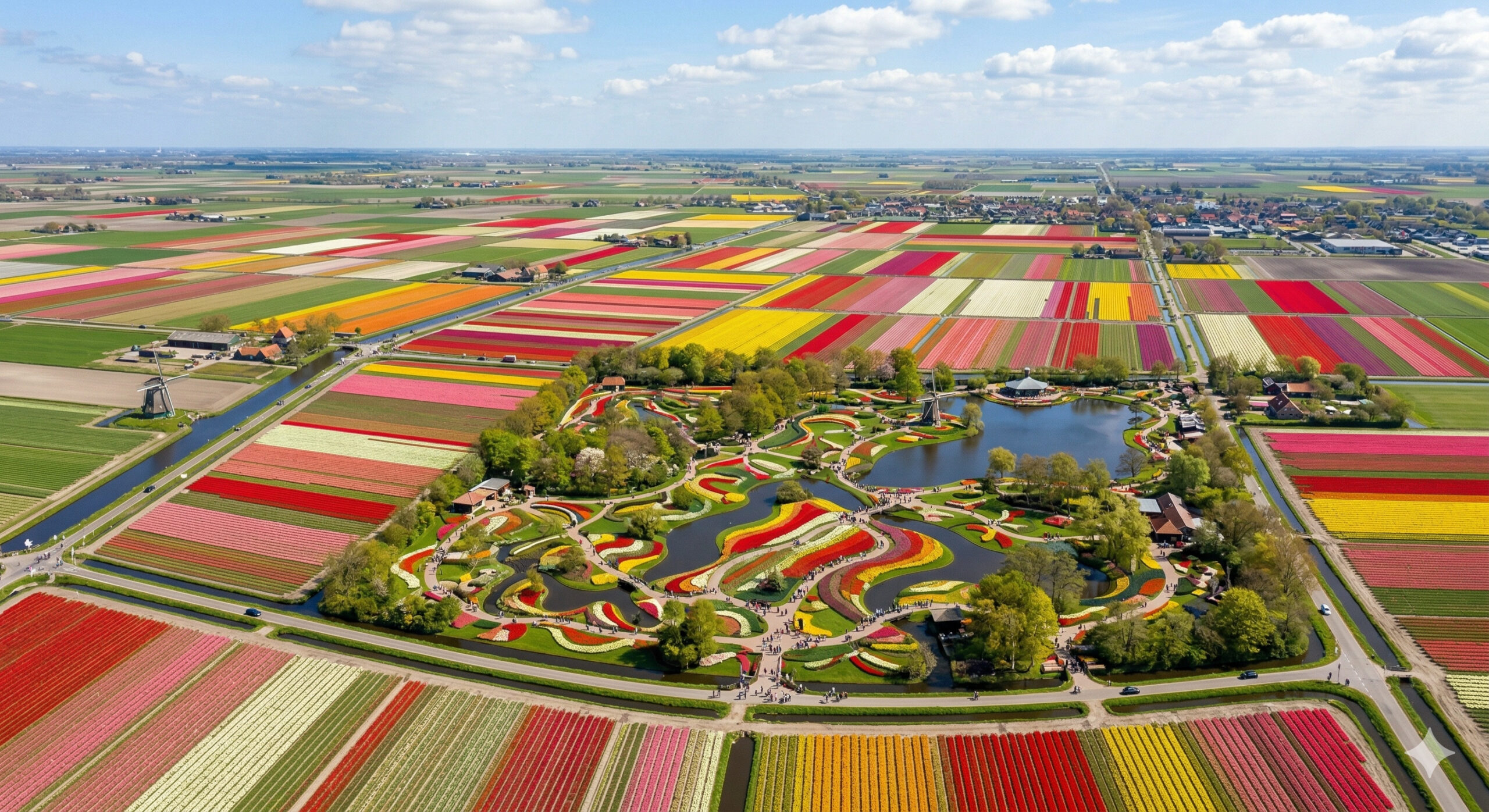
For a few weeks each year, an entire country blooms with billions of tulips, creating a mosaic of colors visible from the sky, while a single garden gathers more than 7 million flowers and attracts visitors from around the world to one of the most impressive shows in Europe.

Countries and Ecosystems Along the Route
The river crosses three countries: Brazil, Paraguay, and Argentina. In each of them, it plays a strategic role in regional development.
Moreover, it cuts through varied ecosystems, including tropical forests, wetland areas, plains, and extensive agricultural zones.
This environmental diversity contributes to the Paraná River being recognized as one of the great natural corridors of biodiversity in South America.
Energy, Transport, and Biodiversity
Among the most notable structures along its course is the Itaipu Dam, considered one of the largest hydroelectric plants in the world and jointly managed by Brazil and Paraguay. The presence of the dam reinforces its relevance for electricity production that serves millions of people.
The Paraná River has also consolidated itself as a strategic waterway for the transportation of goods from the interior of the continent to the Atlantic Ocean. This route promotes the movement of products and strengthens the economy of the countries that share its waters.
Aquatic fauna is another point of importance. The river hosts various species, particularly the golden dorado, a fish highly valued by sport fishermen.
The Paraná River is part of the Río de la Plata System, one of the largest river basins on the planet. This connection highlights its significance for the hydric, ecological, and economic dynamics of a large part of South America.








-

-

3 pessoas reagiram a isso.