Portuguese
  Spanish


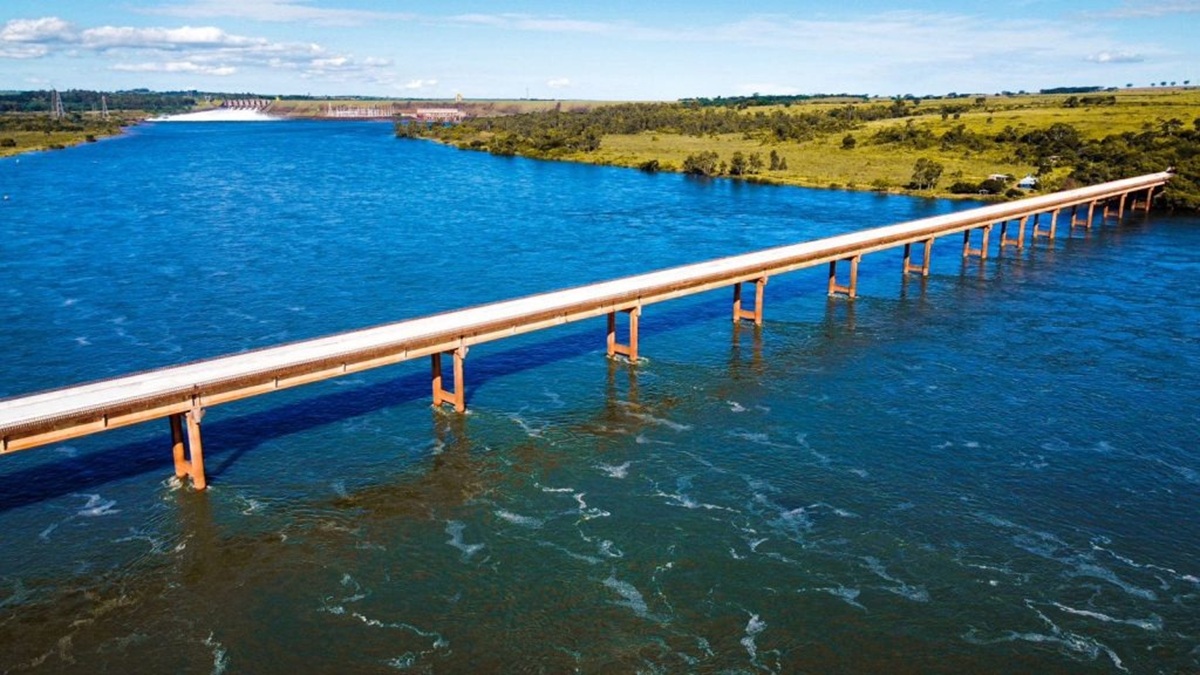


With 4,880 Km, the Paraná River Begins in Brazil, Crosses Paraguay and Argentina, and Becomes Vital for Energy, Navigation, Ecosystems, and Supply in Large Parts of South America
The Paraná River is the second longest river in South America, with approximately 4,880 km in length. Its course begins in Brazil, where the Paranaíba and Grande rivers meet, forming one of the continent’s main waterways.
From that point, it continues southward until it flows into the Río de la Plata, at the border region between Argentina and Uruguay.
Throughout this journey, it becomes essential for navigation, electricity generation, and water supply in different regions.
-
The Frenchman Who Brought the World Cup to Life: Overcoming Resistance and Crossing the Atlantic with the Trophy to Create Football’s Biggest Tournament

-
Archaeologists Reexamine 4,500-Year-Old Tombs in Ancient Mesopotamia, Suggesting Some Early Kings May Have Been Powerful Women
-
The North Face Co-Founder Donates Vast South American Lands to Create National Parks in Patagonia, Turning Private Wealth into Environmental Legacy

-
From Rural Brazil to Global Tech: Entrepreneur Builds a 800-Employee Company with Over $40 Million Annual Revenue in 19 Countries




Countries and Ecosystems Along the Route
The river crosses three countries: Brazil, Paraguay, and Argentina. In each of them, it plays a strategic role in regional development.
Moreover, it cuts through varied ecosystems, including tropical forests, wetland areas, plains, and extensive agricultural zones.
This environmental diversity contributes to the Paraná River being recognized as one of the great natural corridors of biodiversity in South America.
Energy, Transport, and Biodiversity
Among the most notable structures along its course is the Itaipu Dam, considered one of the largest hydroelectric plants in the world and jointly managed by Brazil and Paraguay. The presence of the dam reinforces its relevance for electricity production that serves millions of people.
The Paraná River has also consolidated itself as a strategic waterway for the transportation of goods from the interior of the continent to the Atlantic Ocean. This route promotes the movement of products and strengthens the economy of the countries that share its waters.
Aquatic fauna is another point of importance. The river hosts various species, particularly the golden dorado, a fish highly valued by sport fishermen.
The Paraná River is part of the Río de la Plata System, one of the largest river basins on the planet. This connection highlights its significance for the hydric, ecological, and economic dynamics of a large part of South America.