





 Portuguese
  English
  Spanish
  4 min of reading
  0 comments


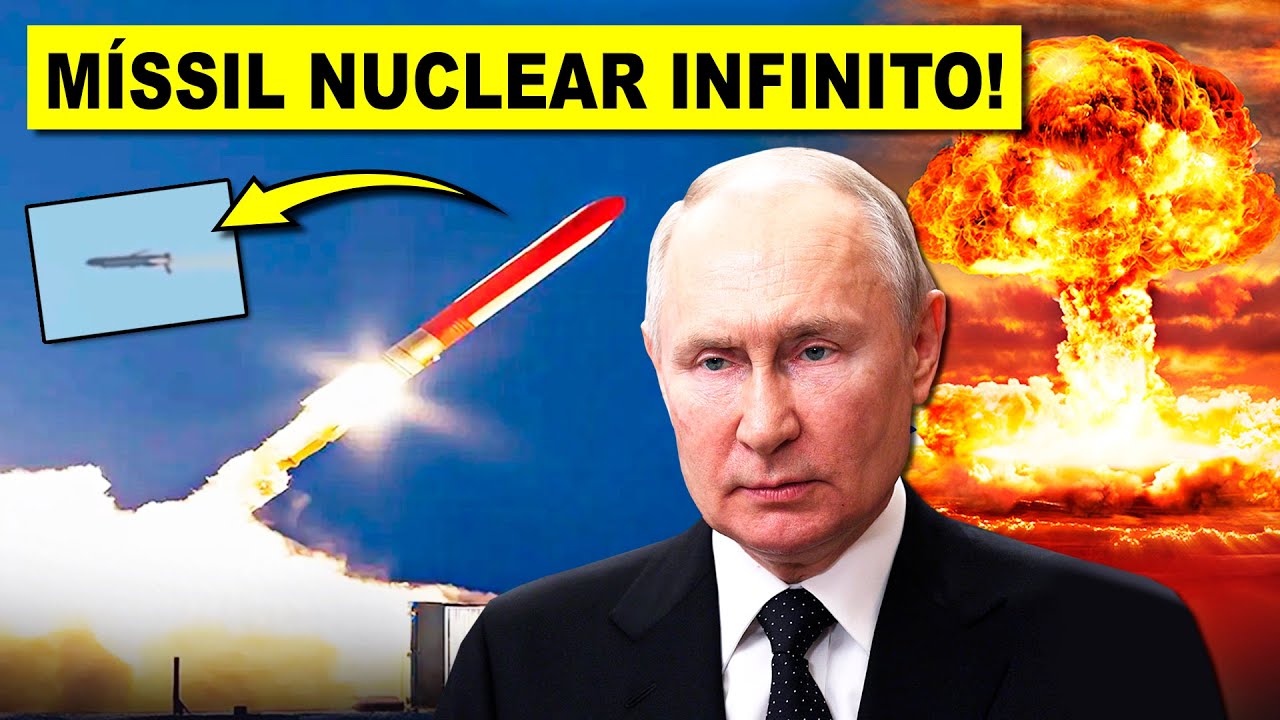
With Nuclear Propulsion, Range Over 14 Thousand Km and Extended Flight, the Russian Missile 9M730 Burevestnik Tries to Bypass Defenses and Redefine Strategic Deterrence.
Few recent military projects have provoked as much controversy as the 9M730 Burevestnik. Unlike conventional cruise missiles, limited by chemical fuel, the Burevestnik was designed to explore an extreme concept: onboard nuclear propulsion, capable of keeping the missile in flight for extended periods and with potentially intercontinental range. In practice, it is an attempt to create a weapon that ignores predictable routes, bypasses missile shields, and transforms the airspace into a domain of permanent uncertainty.
The Idea Behind Nuclear Propulsion
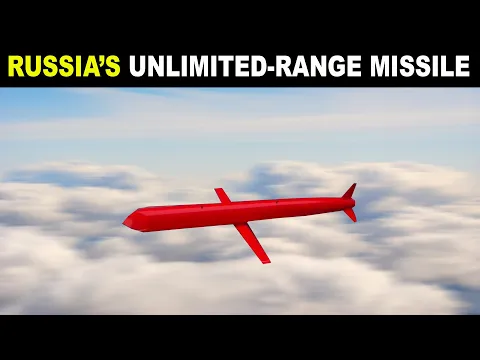
The principle behind the Burevestnik breaks with decades of missile engineering. Instead of carrying large fuel tanks, the system uses a compact nuclear reactor to heat the air passing through the engine, generating continuous thrust. This eliminates the main bottleneck of traditional cruise missiles: range.
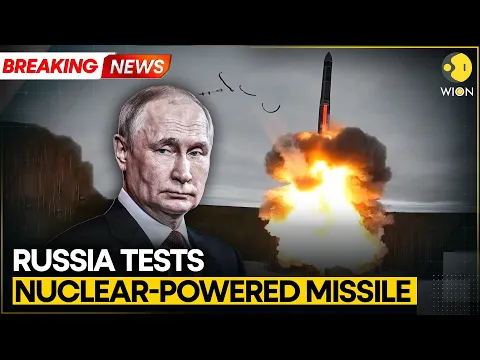

In theory, this approach allows for flights of thousands of kilometers without refueling, something confirmed by Russian authorities who cited tests with routes exceeding 14,000 km and lasting for many hours.
-
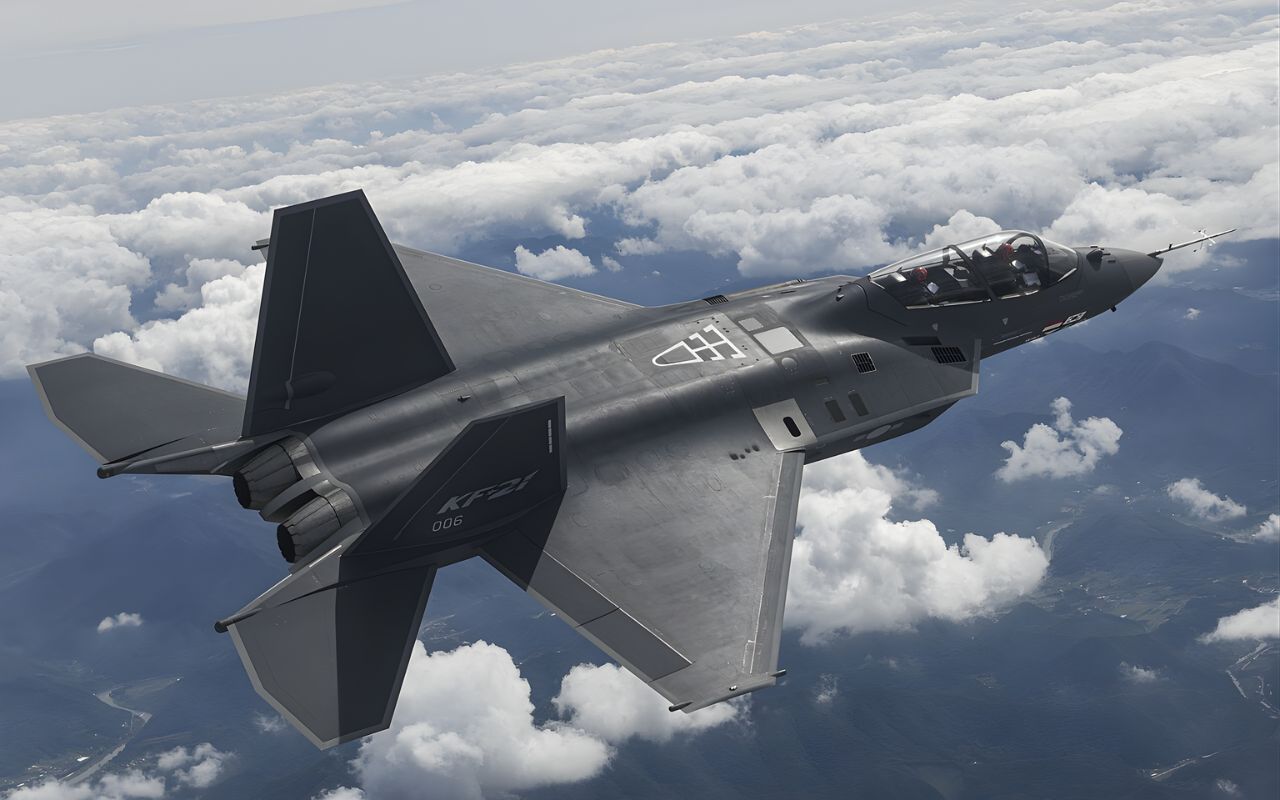
Military power: South Korea’s new KF-21 fighter jet will be a key component in replacing the aging aircraft of the air force, placing the country on the map of air military powers.
-
With 310 meters, 80 thousand tons, and capable of operating for 45 years, the new nuclear aircraft carrier France Libre will be the largest in France and will enter service in 2038.

-
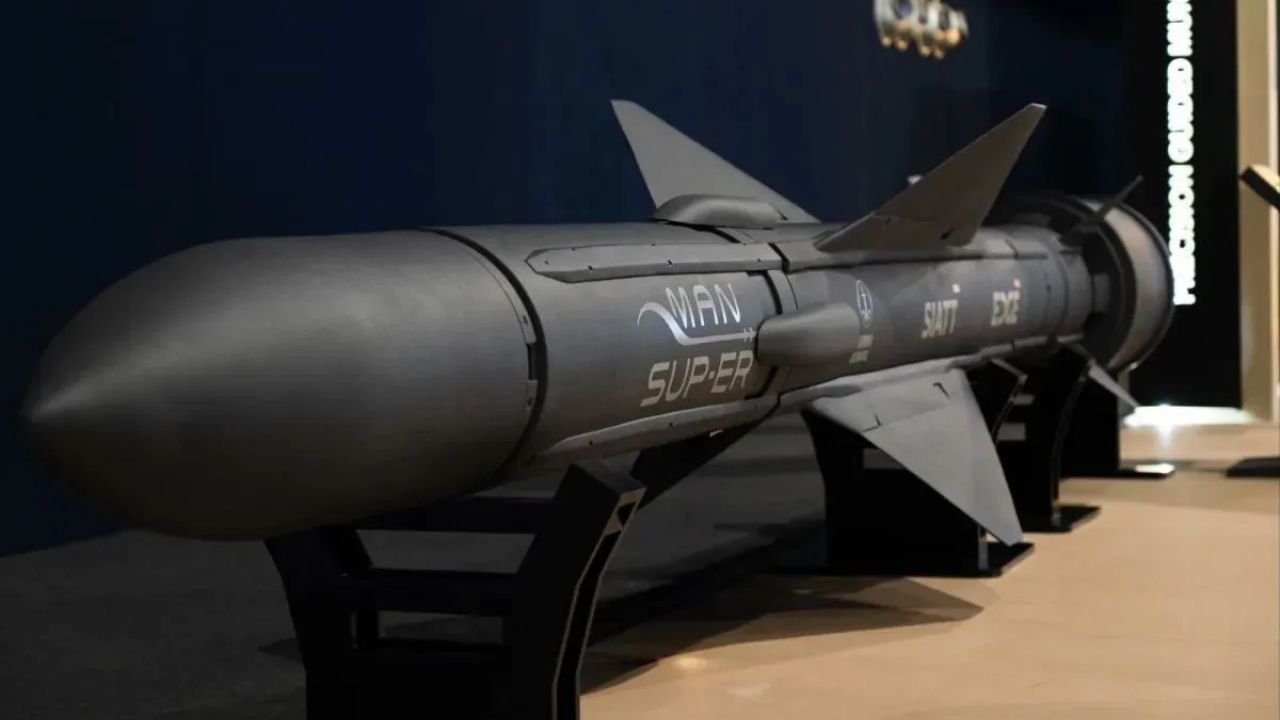
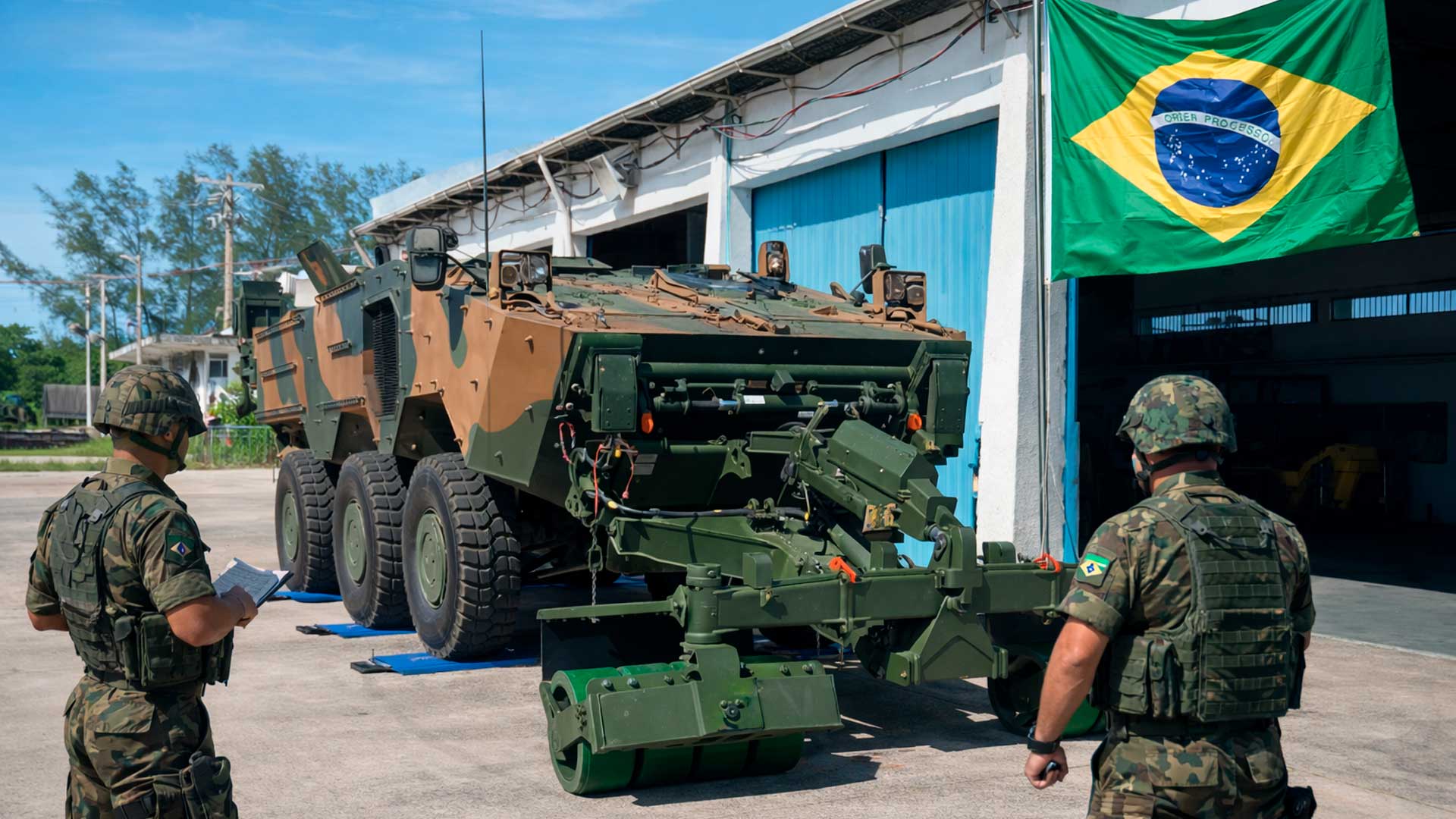
Brazil accelerates the evolution of the MANSUP missile, designing an air-surface version with a range exceeding 200 km, advanced guidance, and precision strike capability against land and naval targets, paving the way for a new generation of national armaments with global potential.
-
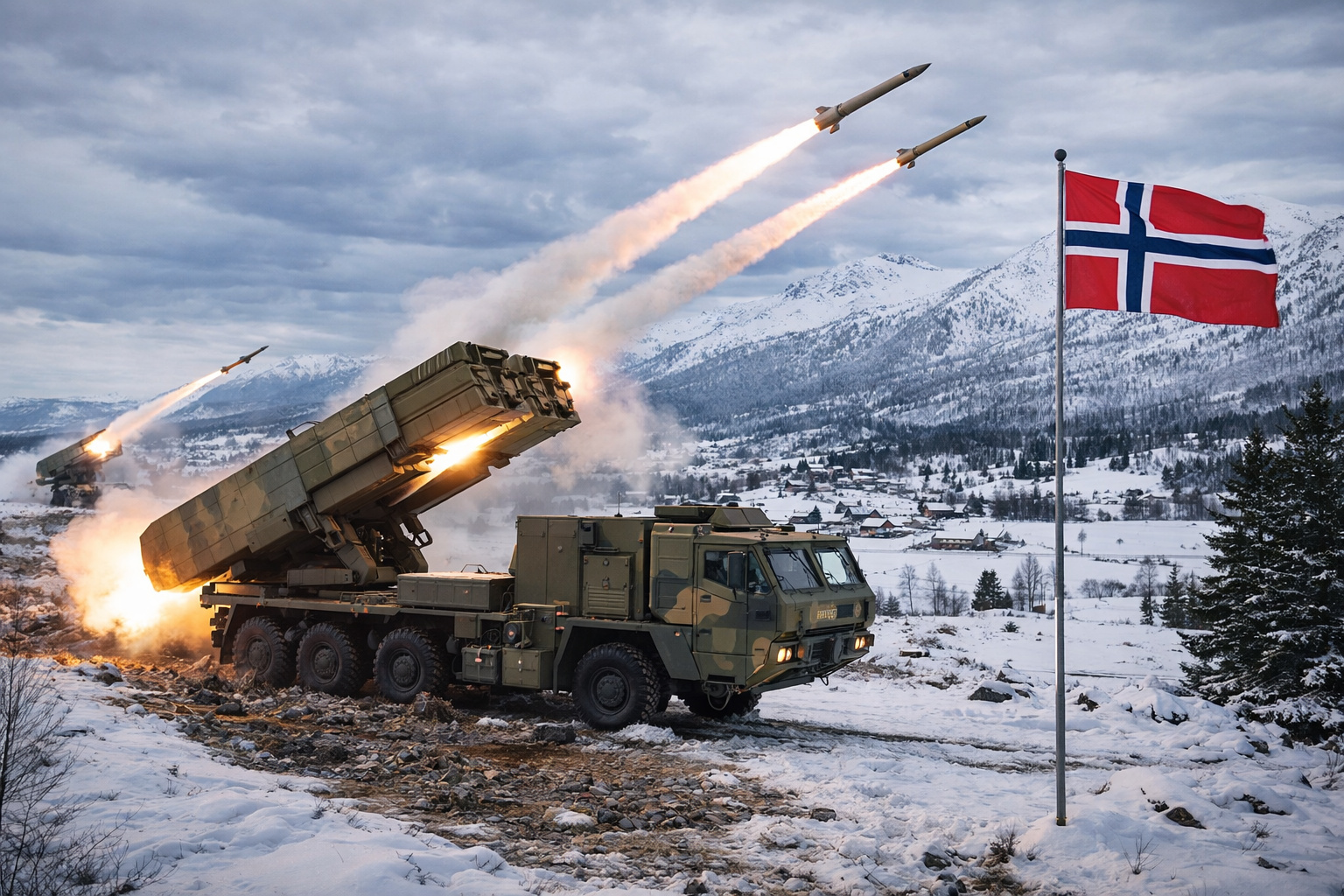
South Korea signs a $922 million deal with Norway, bringing Chunmoo launchers capable of firing guided missiles up to 290 km with an accuracy of 15 meters to Europe and turning the system into a key component of the new global race for precision artillery.

Western analysts believe that, if fully operational, the missile could stay in the air for days, choosing indirect and unpredictable paths to the target.
Low Flight and Low Observability
In addition to its range, the Burevestnik relies on a low-altitude flight profile, a typical feature of cruise missiles designed to evade long-range radars. Flying close to the terrain, the missile reduces the detection horizon and complicates the response of missile defense systems based on predictable ballistic trajectories.
This combination — extreme range + low flight — is at the core of the strategic proposal. While modern missile defense shields are optimized to intercept high-altitude ballistic threats, a missile that can circumvent the globe, fly close to the ground, and appear from unexpected directions represents a much greater conceptual challenge.
Nuclear Warhead and Strategic Role
The Burevestnik is designed to carry a nuclear warhead, directly fitting into the logic of strategic deterrence.
Unlike intercontinental ballistic missiles, which follow fast and detectable trajectories, this weapon fits into a model of persistent threat, capable of staying in the air and pressuring defenses for extended periods.
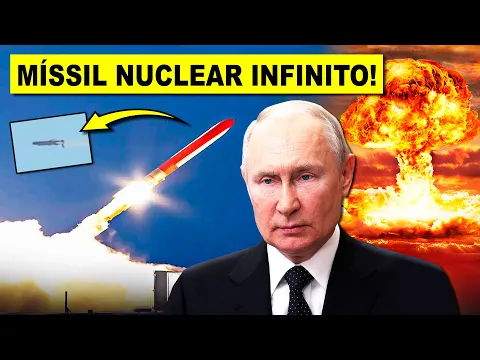
From the Russian perspective, this would add an extra layer to the traditional nuclear triad. It is not about replacing ballistic missiles or strategic submarines, but rather introducing an alternative vector, designed to exploit technological gaps in advanced defense systems.
Tests, Failures and Real Risks
Despite its ambition, the Burevestnik program faces serious doubts. Since the mid-2010s, development has been marked by failed tests and a serious accident in 2019, when an explosion linked to the program resulted in the deaths of specialists and the release of radiation in Russian territory.
These episodes reinforced international criticisms of the project, especially regarding the environmental risks associated with a missile carrying an active nuclear reactor.
Unlike a reactor confined in a power plant or submarine, a missile of this type raises concerns about contamination in the event of a failure during flight or crash.
Although it seems futuristic, the Burevestnik revives a concept explored during the Cold War. In the 1950s and 1960s, the United States studied a nuclear cruise missile in the Project Pluto, which was ultimately abandoned for technical, strategic, and environmental reasons. By resurrecting this idea, Russia signals its willingness to go beyond traditional limits, even in the face of elevated risks.
Impact on Global Military Balance
Regardless of its operational maturity, the Burevestnik already fulfills a strategic role: forcing adversaries to expend resources contemplating how to detect and neutralize a radically different threat.
In terms of deterrence, the mere possibility of a missile with almost unlimited range and unpredictable paths already alters strategic calculations.
By betting on airborne nuclear propulsion, Russia is not only seeking a new weapon but questioning the current model of missile defense, based on predictability and short reaction times. If the concept proves viable, the impact will be less about the destructive power itself and more about the instability it introduces into global military planning.
A Project That Redefines Limits or Exposes Its Dangers
The 9M730 Burevestnik symbolizes the point where extreme engineering, strategic ambition, and environmental risk converge. It represents both an attempt to break technological barriers and a reminder of the potential costs of pushing nuclear deterrence into still uncharted territories.
Even if it never achieves full operation, the project has already made it clear that in the 21st century, the arms race is not limited to speed or range. It also involves reimagining the very concept of strategic weaponry, and the Burevestnik is, today, one of the most radical expressions of this trend.








-

-

-

-

-

7 pessoas reagiram a isso.