





 Portuguese
  English
  Spanish
  4 min of reading
  0 comments


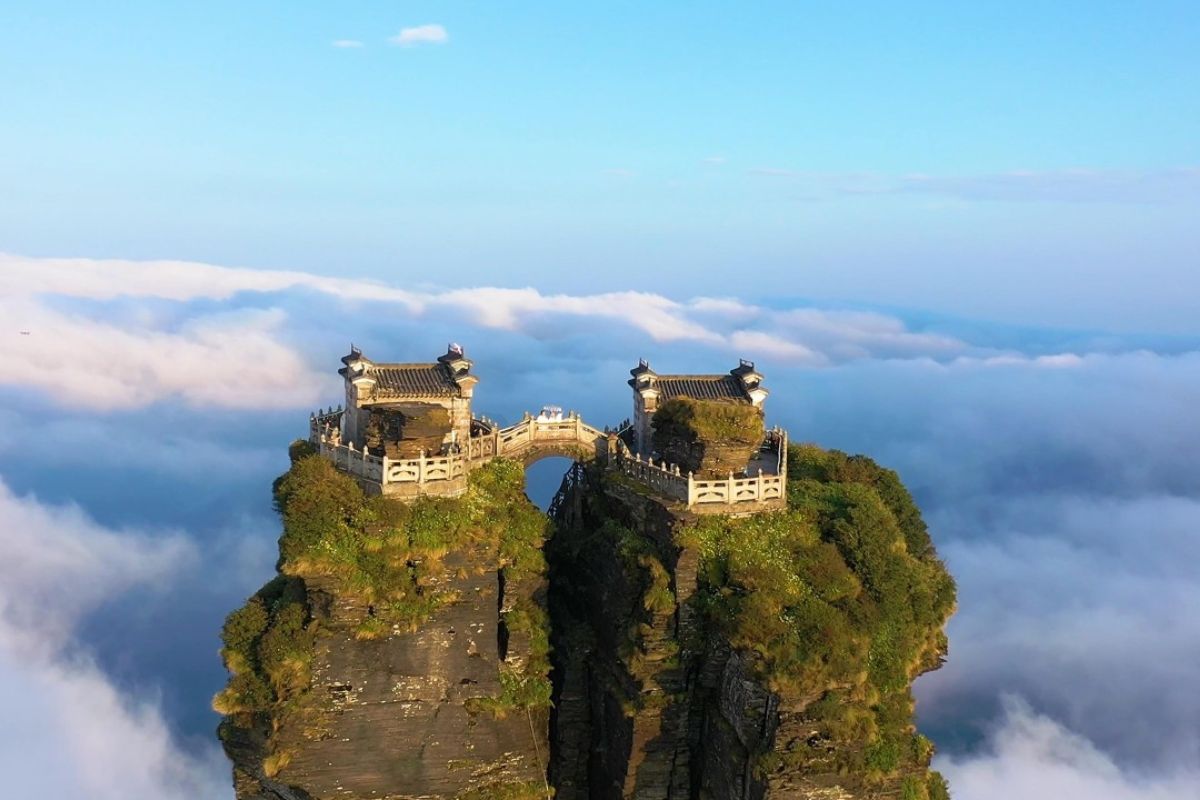
Between the Clouds of Guizhou Province, Fanjing Mountain Is the True City in the Sky, a Natural Sanctuary of Suspended Temples and Landscapes So Surreal They Seem to Defy Reality
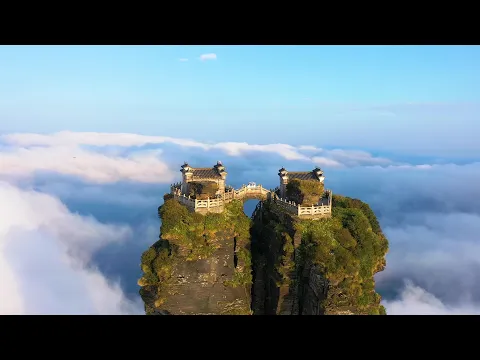
The so-called City in the Sky is not a product of imagination. Located in the Chinese province of Guizhou, Fanjing Mountain is one of the planet’s most stunning landscapes, where ancient temples balance on cliffs over two thousand meters high. The site, shrouded in mist and silence, appears suspended between heaven and earth, creating an almost divine atmosphere.
Visiting Fanjing is like crossing an invisible border between the real and the spiritual. Each curve, each step, and each cloud reveal a new dimension of the sacred and nature, transforming the journey into an experience that combines faith, courage, and contemplation.
The Heart of the City in the Sky
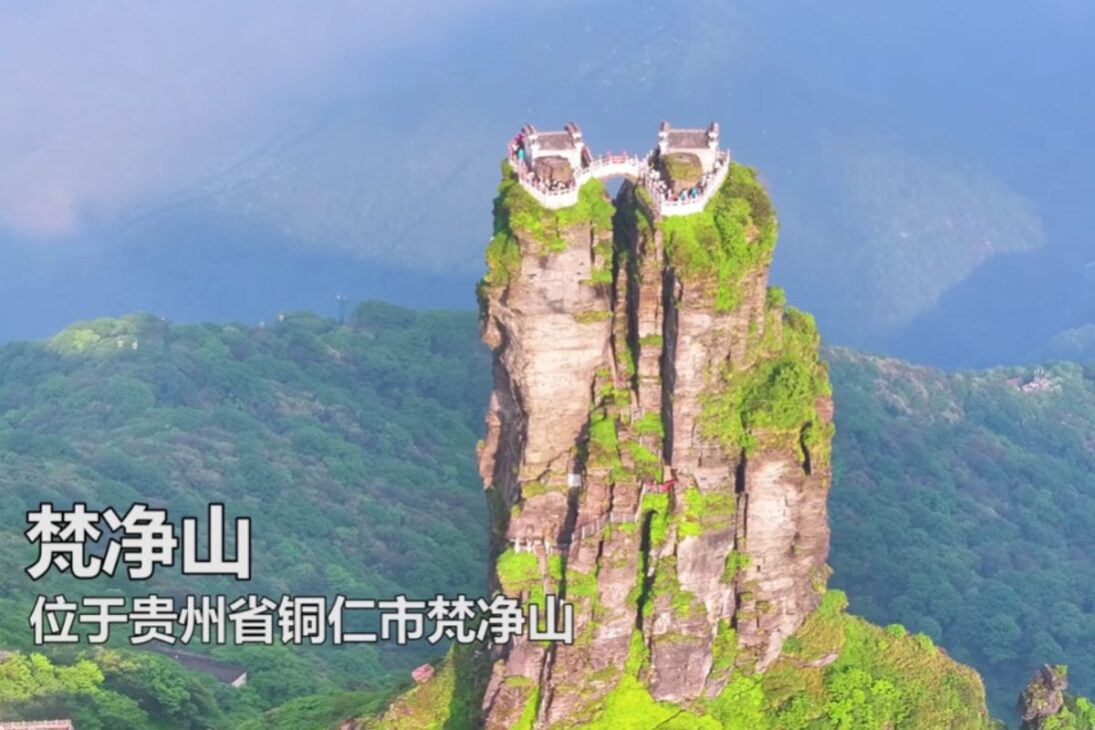
The Fanjing Mountain, known as Mount Fanjing or Fanjingshan, is recognized by UNESCO as a World Natural Heritage Site.
-
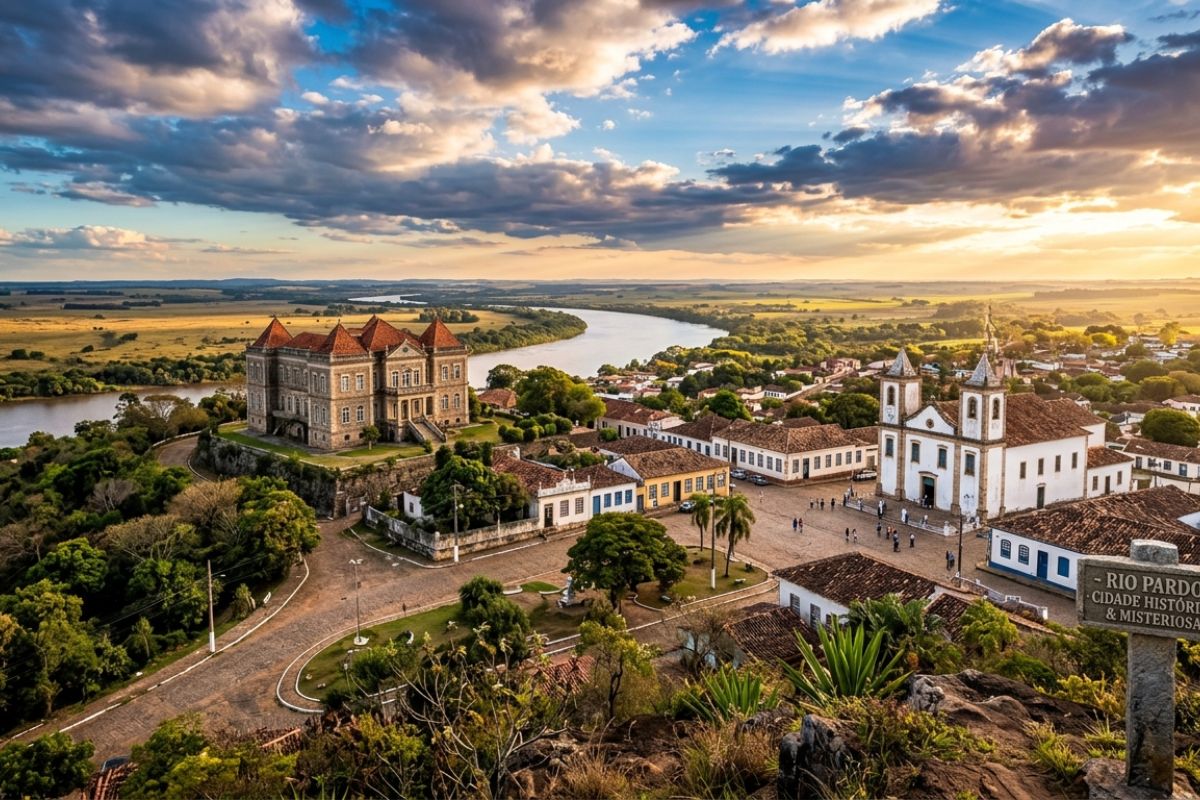
Rio Pardo, the most mysterious city in Rio Grande do Sul: untouched Pampas castle, the missing treasure of the Devil Boy, bride’s saint, invisible tunnels, and a 200-year curse today.
-
China retires the J-7 fighter after years of military protection and can now transform military items into drones, following more than 60 years of operation of the J-7, derived from the MiG-21, with thousands of units produced and strategic use in the PLAAF and PLANAF.

-
Volunteers are sought to live in the mountains for a month: a study pays people to stay at 2,500 meters, with 24-hour monitoring of sleep, metabolism, and blood pressure.
-
Goodbye to kitchen cabinets: innovation retires the traditional furniture of Brazilian kitchens by introducing modern pantries with modules of up to 2.40 m, 40% more organization, ergonomic access, adjustable shelves, and smart lighting in 2026.


At over 2,400 meters high, it houses two legendary peaks: the Ancient Golden Summit (Laojinding) and the Red Cloud Golden Summit (Hongyun Jinding).
These two points are what give rise to the fame of the City in the Sky, with temples literally built over abysses, interconnected by a narrow bridge that seems to float.
Access to the summit requires preparation and patience.
The route combines tourist buses, walking segments, and a cable car that offers a panoramic view of Guizhou’s forests.
Every meter traveled reveals a more stunning scene than the last, with hidden waterfalls, slopes covered in vegetation, and clouds that change shape every moment.
Where the Sacred Meets the Abyss
The Red Cloud Golden Summit is the most iconic point of the City in the Sky. At the top of this rock formation, nature and faith intertwine in balance.
There, two temples rise on opposite sides of a chasm called “Golden Sword.”
On one side stands the Maitreya temple, the Future Buddha, and on the other, the Shakyamuni temple, the Historical Buddha.
According to an ancient legend, both wished to meditate in the same place and sought help from the Jade Emperor to resolve the impasse.
The celestial ruler is said to have used a golden sword to divide the summit, creating the perfect space for both.
Today, visitors cross the suspended bridge between the temples and describe the feeling as walking on the very horizon.
Climbing and Contemplation
The ascent to the summit is challenging and fascinating. There are hundreds of steps, narrow trails, and passages that require a firm grip on the chains installed along the rocks.
At each stop, one’s gaze loses itself in a sea of mountains and clouds in constant motion.
The impression is that the world below disappears, leaving only the wind, the distant sound of temple bells, and the feeling of being at the edge of the sky.
Another striking point is the mushroom stone, at 2,318 meters altitude.
Its balanced shape on a narrow base is one of the most photographed natural symbols of the region.
Already at the ancient Golden Summit, visitors find the Randeng Temple, dedicated to the Buddha who lights the lamps, a symbol of wisdom and spiritual enlightenment.
The Force of Time and Nature

Mount Fanjing has a geological origin that dates back about 1.4 billion years, being considered the first elevation in southern China to emerge from the ocean.
The site holds one of the largest biodiversity reserves in the country, with unique species of plants and animals.
Therefore, the number of visitors is limited to 8,000 per day, and entry is only permitted with identification registration.
Despite the restrictions, tourist traffic is continuously growing. Fanjing has become a symbol of the quest for balance between man and nature.
The mountain is seen as a reminder that there are still places on the planet where silence is sacred and the horizon seems infinite.
The City in the Sky is more than a tourist destination. It is a living metaphor for human elevation and coexistence between the natural and the spiritual.
Those who climb to its temples find not only an extraordinary scene but an invitation to introspection and reverence for the grandeur of Earth.
Would you have the courage to face the climb to the top of Fanjing Mountain and see this City in the Sky with your own eyes?






-

Uma pessoa reagiu a isso.