





 Portuguese
  English
  Spanish
  4 min of reading
  0 comments


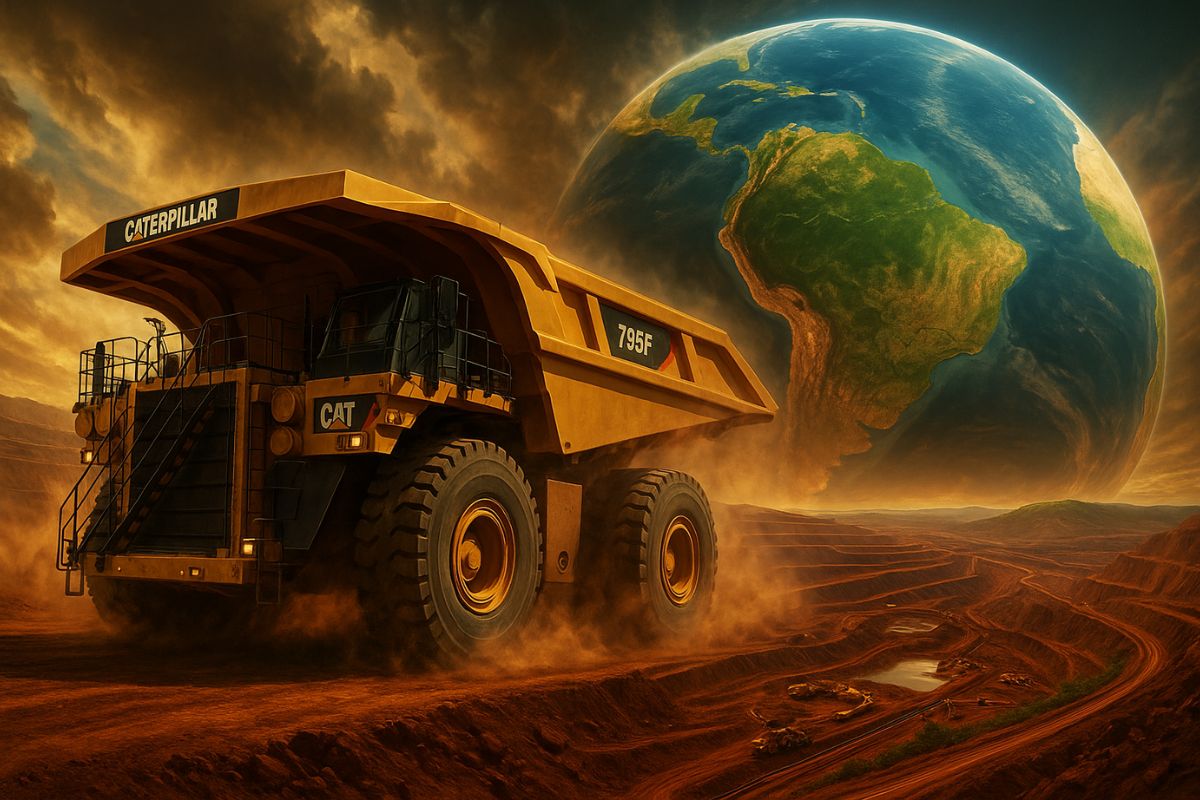
Founded in 1942, the largest miner in Brazil leads global iron ore production but faces the billion-dollar legacy of the Mariana and Brumadinho disasters while investing in its future.
Vale S.A. is a company of dualities. On one hand, it is the largest miner in Brazil and a global powerhouse, essential to the country’s economy and the world supply chain. On the other, its history is marked by two of the country’s largest socio-environmental tragedies, whose financial and reputational liabilities shape its present and future. Headquartered in Rio de Janeiro, the company is a leader in the production of iron ore and nickel, but its trajectory reflects the complex dilemmas of modern mining.
Analyzing Vale means understanding a corporation that operates excellently with its world-class assets, such as the Carajás Complex, while dealing with the continuous multibillion-dollar costs to repair the damage caused by the dam collapses in Mariana (2015) and Brumadinho (2019).
The Story of Vale
The history of the company began on June 1, 1942, when it was founded as the state-owned Companhia Vale do Rio Doce (CVRD) during the government of Getúlio Vargas. Its creation was a strategic piece in the Washington Agreements, ensuring the supply of iron ore to the Allies during World War II.
-
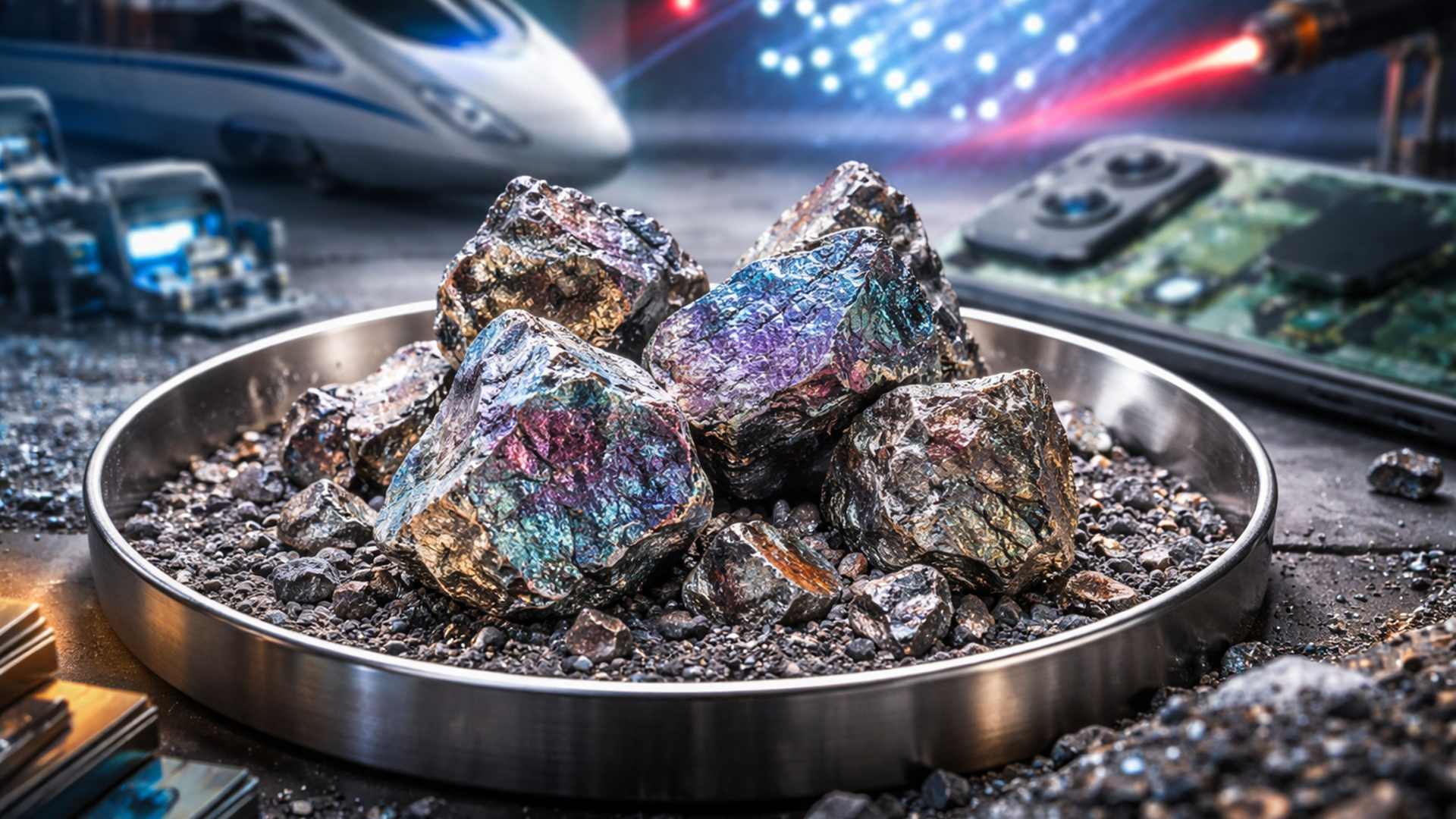
Rare earths are in everything, from cell phones to bullet trains, and what almost no one realizes is why they have become the target of such a delicate global war.
-
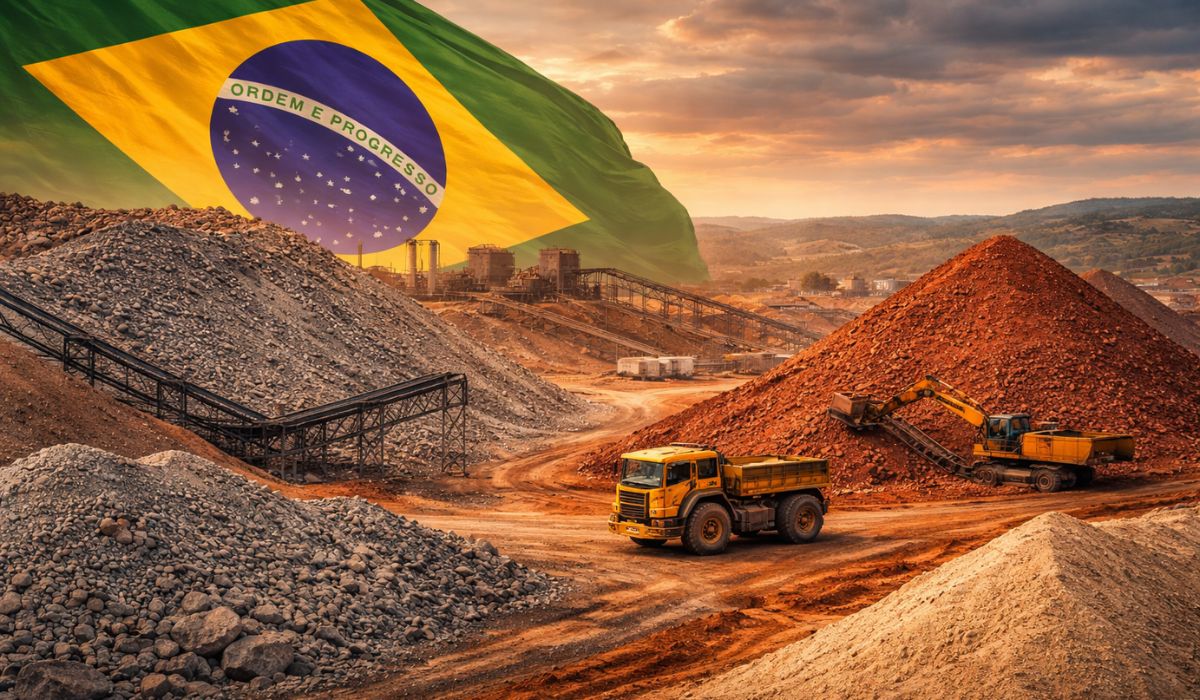
Brazil extracts 26.3 million tons of ore from what was previously treated as waste, transforming residues into wealth, producing over 3 million tons of sand, and demonstrating how national mining is relearning to generate value.
-
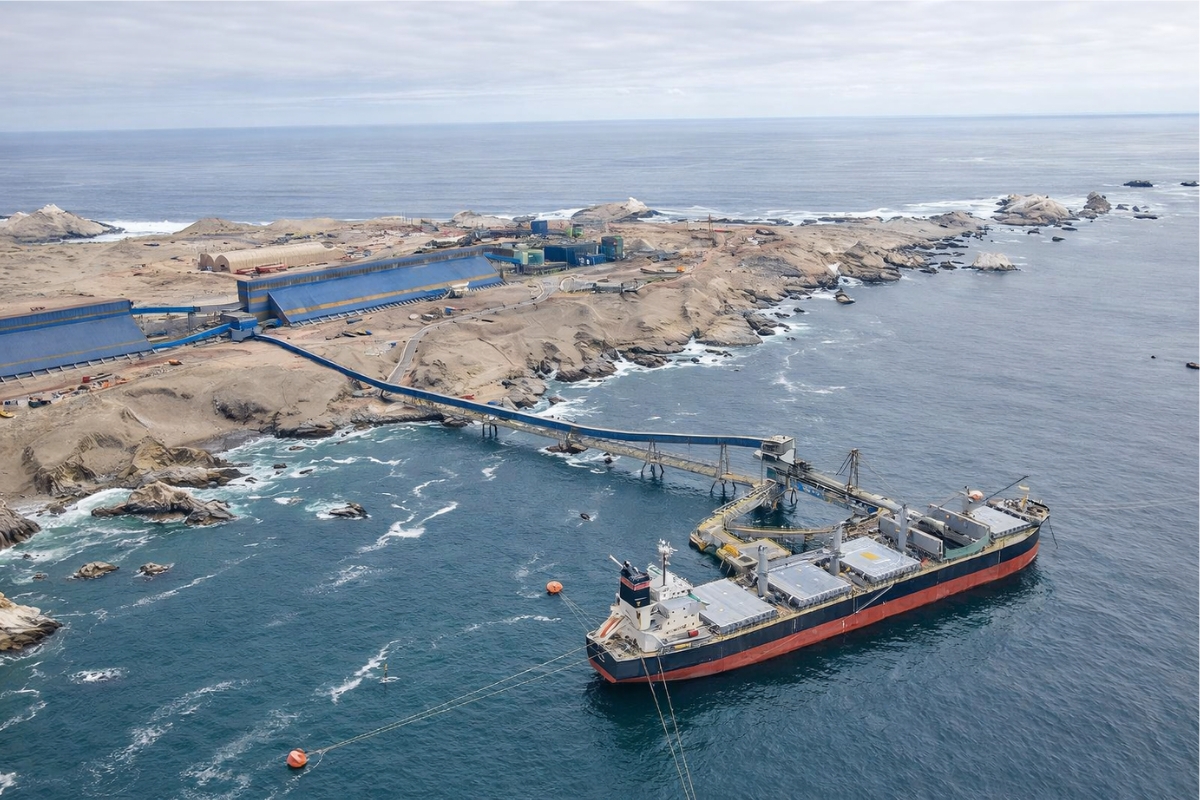
A $3.5 billion megaproject in Latin America pumps desalinated seawater at 1,050 liters per second over 194 km to keep a copper supermine in the Andes operational for another 20 years.
-
A hidden mine in the Andes valued at nearly R$ 1 trillion is starting to attract global attention, containing copper, gold, and silver, and raises an intriguing question: why do Argentina and Chile need to act together to exploit this gigantic wealth?
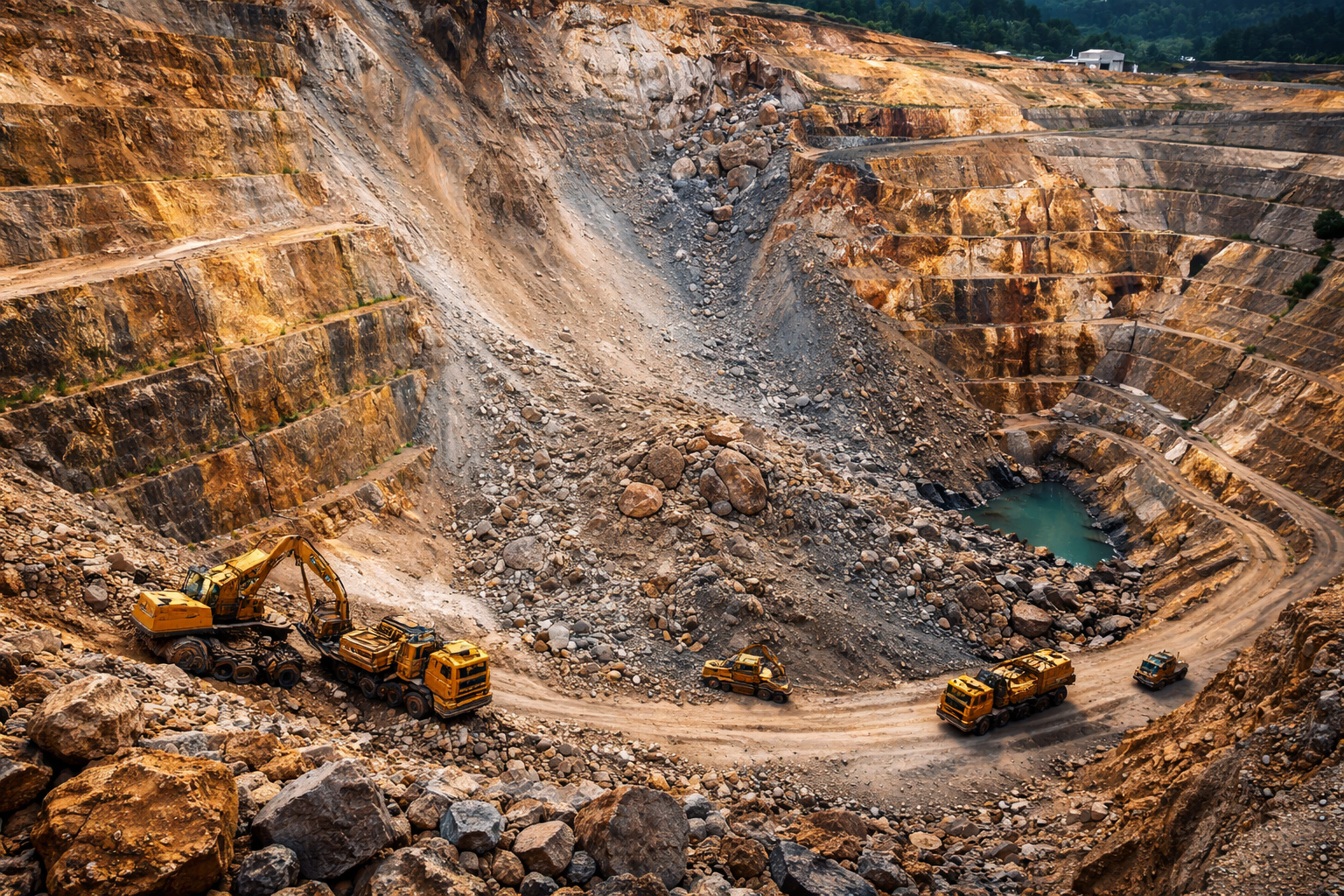

For more than five decades, the company grew under State control. The turning point occurred on May 6, 1997, when the company was privatized in a controversial auction, with the government selling its stake for about R$ 3.3 billion. After privatization, Vale began a strong international expansion, highlighted by the acquisition of the Canadian miner Inco in 2006, which transformed it into the largest nickel producer in the world.
The Power of Carajás and the Pivot for Energy Transition
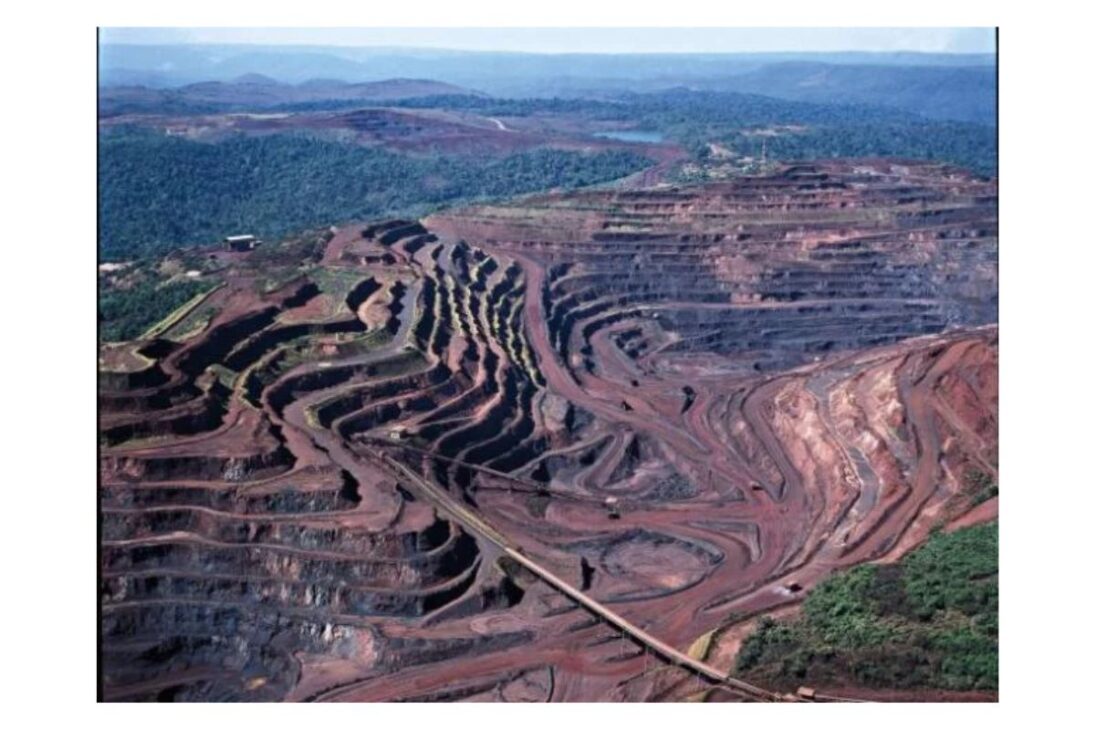
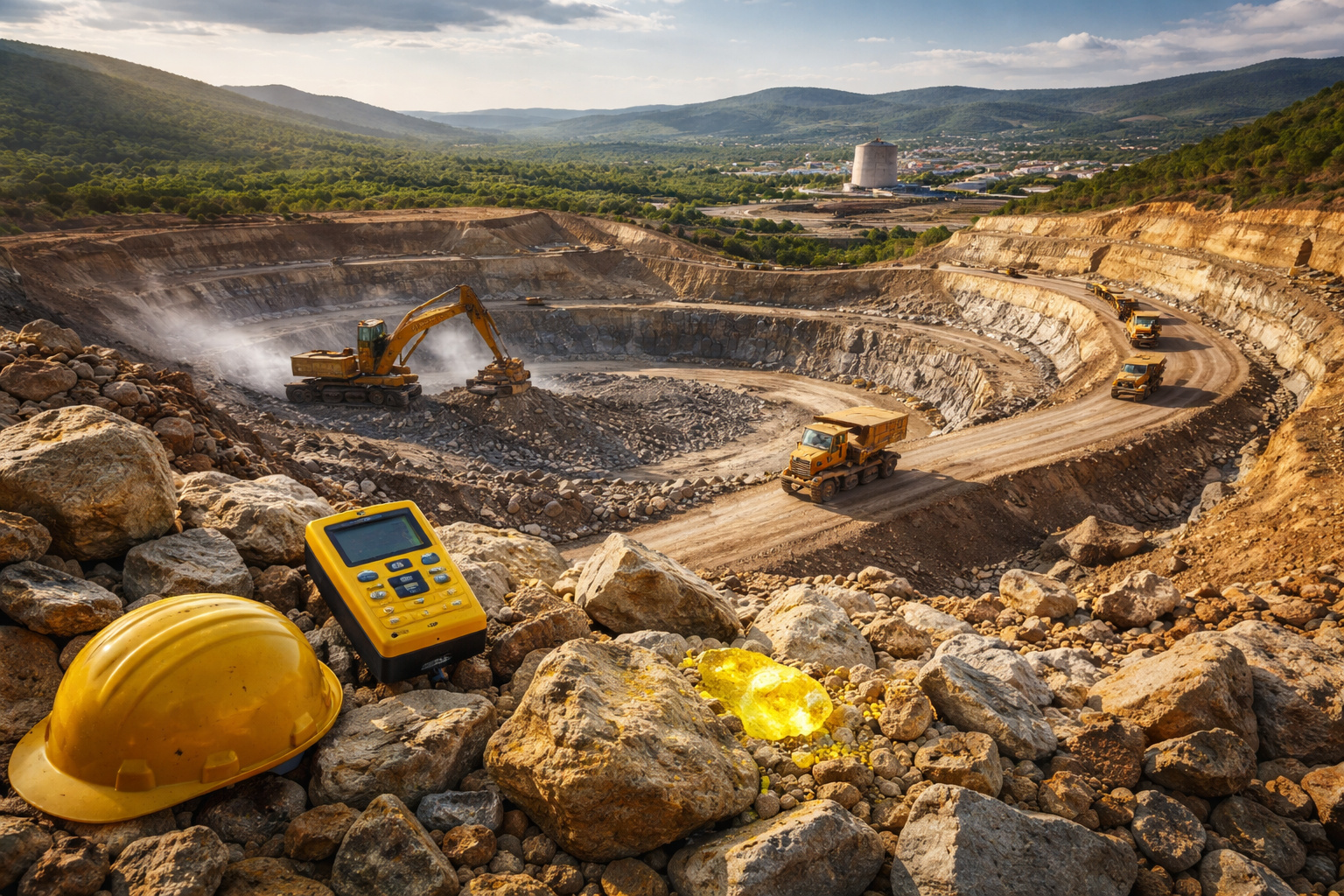
The operational heart of the largest miner in Brazil is the Carajás Complex in Pará. Discovered in 1967, the mineral province houses the world’s largest open-pit iron ore mine and is known for its extremely high product quality. The highlight of the complex is the S11D Project, a US$ 14.3 billion investment that uses an innovative conveyor belt system instead of trucks, reducing costs and diesel consumption by over 70%.
Recognizing changes in the global economy, Vale is also making a strategic pivot to become a leader in the supply of “Metals for Energy Transition.” The company has been heavily investing to expand its production of copper and nickel, essential minerals for the manufacture of electric vehicle batteries and renewable energy technologies.
The Paradox of Vale: The Disasters of Mariana and Brumadinho
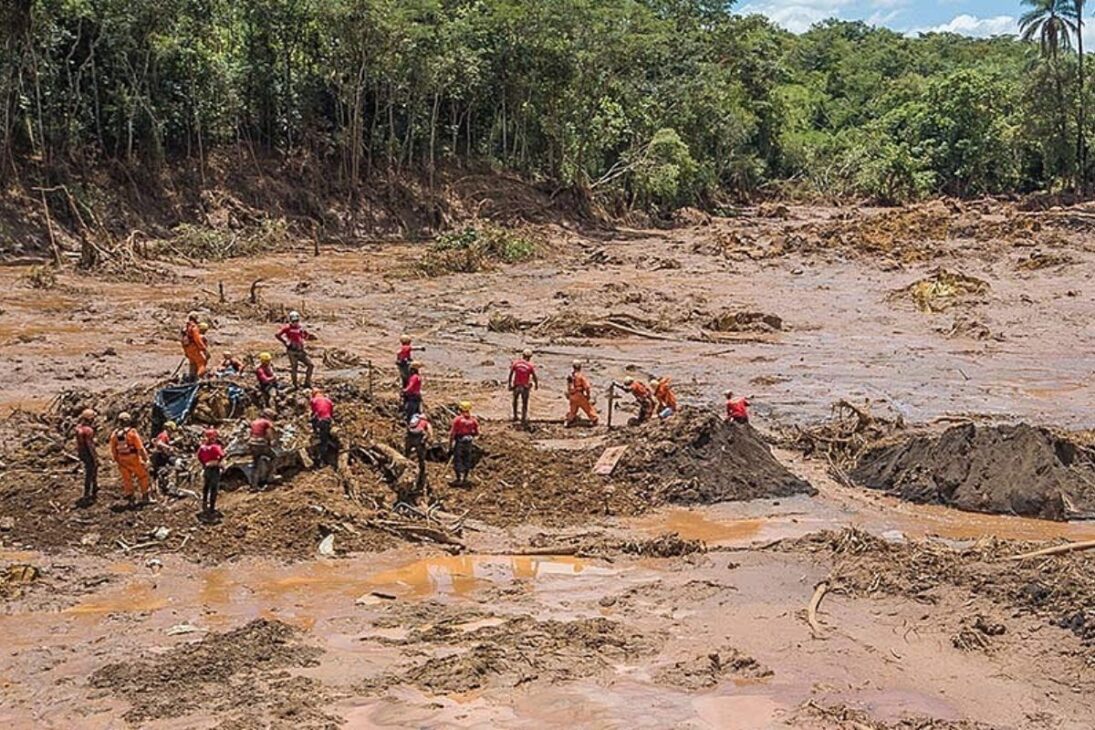
The image of Vale is indelibly marked by two catastrophes:
Mariana Disaster (November 5, 2015): the collapse of the Fundão dam, by Samarco (a joint venture between Vale and BHP), killed 19 people and released a wave of tailings that contaminated the entire Rio Doce basin to the ocean.
Brumadinho Disaster (January 25, 2019): the collapse of Dam I, directly managed by Vale, caused the death of 272 people, most of whom were company employees.
These events, classified by NGOs such as Earthworks and Greenpeace as “socio-environmental crimes,” resulted in billion-dollar liabilities. The reparations agreement for Brumadinho was closed at R$ 37.7 billion in 2021. For Mariana, a new renegotiation agreement was proposed in 2024 for R$ 170 billion, demonstrating the size of the negative legacy the company carries.
The Weight of the Largest Miner in Brazil in the Brazilian Economy
Despite the controversies, Vale’s importance to the Brazilian economy is undeniable. The company is one of the largest contributors in the country, having paid approximately US$ 6.05 billion in taxes and royalties in Brazil in 2024.
Its main product, iron ore, represented 9% of the total value exported by the country in 2023, making it a key player in generating surpluses in the trade balance. Additionally, the company is a significant job creator and attracts investments to the country.
The Future of R$ 70 Billion, the Novo Carajás Program
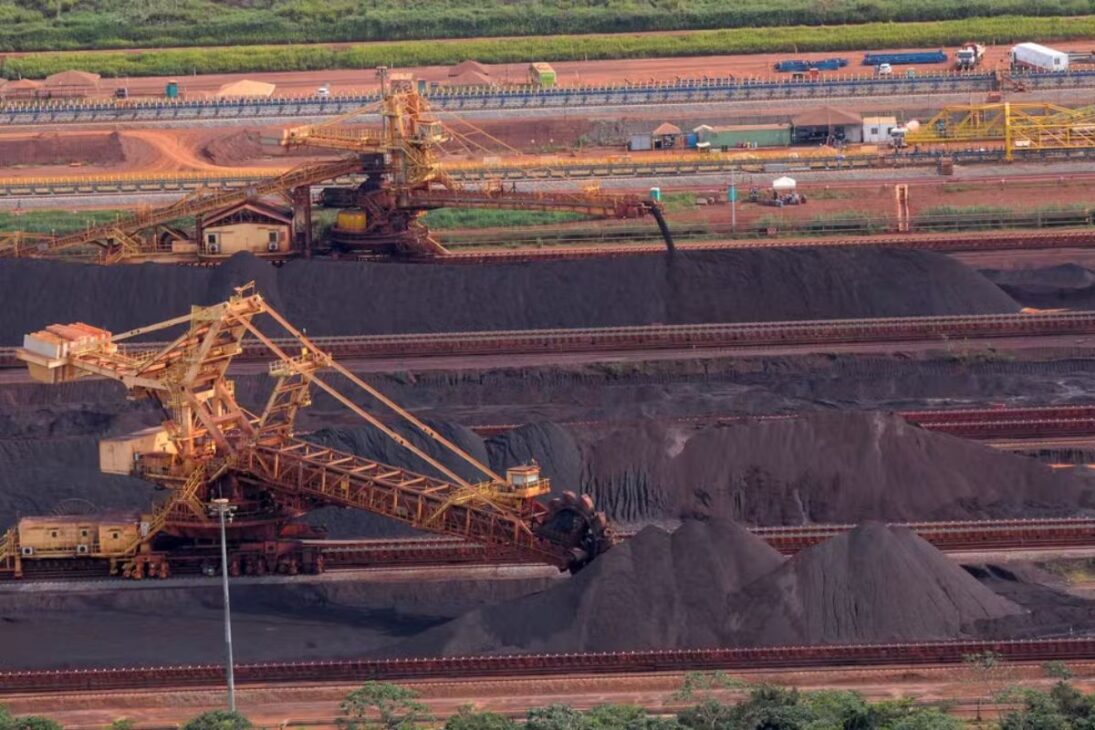
Looking ahead, Vale is betting on a new growth cycle. In February 2025, the company announced the “Novo Carajás” program, which foresees investments of R$ 70 billion by 2030. The goal is to expand the production capacity of iron ore to 200 million tons per year and increase copper production by 32%.
This program reinforces the focus of the largest miner in Brazil on its highest quality assets while also aligning with its strategy to consolidate itself as a leading supplier of the minerals that will be essential for the low-carbon economy of the future.






-

Uma pessoa reagiu a isso.