





 Portuguese
  English
  Spanish
  5 min of reading
  26 comments


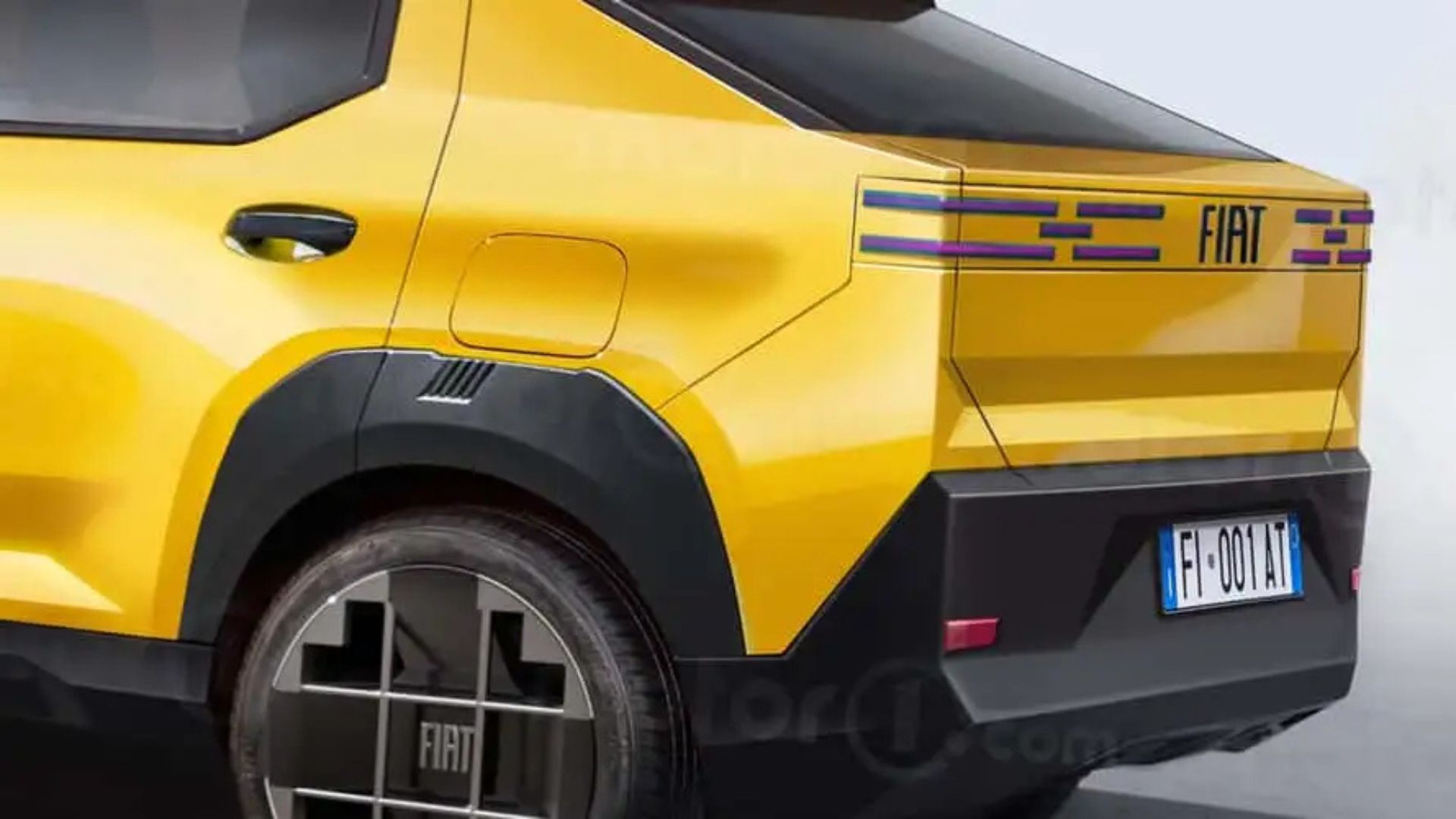


The New Generation of the Fiat Fastback Advances in Design, Technology, and Structural Base, with Tests in Europe, Production Confirmed in Brazil, and Profound Changes in Visuals, Digital Interior, Platform, and Powertrains, Including the Abarth Sports Version.
Fiat is already testing the next generation of the Fastback in Europe, which is expected to arrive in Brazil around the turn of 2026 and the beginning of 2027, according to specialized publications that have accessed images of the camouflaged prototype.
The spy shots indicate a broad change in the coupe SUV: a new exterior design aligned with the brand’s more “boxy” identity, a redesigned cabin with even more screens and the adoption of the Smart Car/CMP platform from the Stellantis group, base used by recent models from Citroën, Opel, and the Grande Panda.
The most recent images were captured in Italy and shared on social media by the FCA Fan Brazil profile, which often tracks the group’s prototypes.
-
With a 293.5 cm³ engine and a range of up to 400 km with a 14.1-liter tank, the Honda CB 300F Twister 2026 has up to 24.7 hp, an initial price of R$ 25,150, and already exceeds R$ 29,000 in the Fipe Table.
-
With a 1.3 engine, nearly 700 km of range, and Turbo 200, the Fiat model surpasses Polo, Tera HB20, and Onix, becoming the best-selling car in March; see the numbers for the Fiat Strada and others.
-
The Honda Fit has been discontinued for years, but the 2018 model is worth more today in the Fipe table than it cost brand new, proving that this used car, valued with a 1.5 i-VTEC engine and Magic Seat, only increases in price.
-
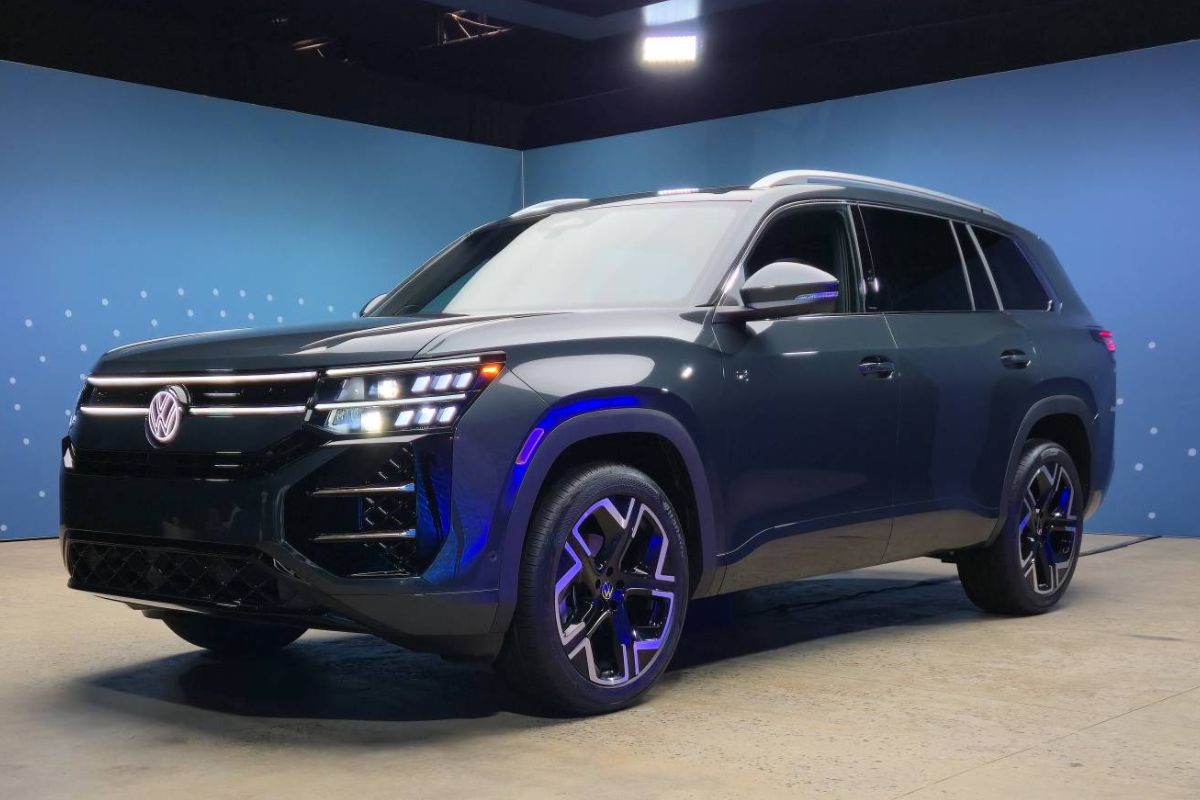
Volkswagen unveiled the 2027 Atlas with a 282-horsepower EA888 turbo engine, a 15-inch screen, massage seats, and a completely new interior to finally elevate the three-row SUV built on the MQB platform to a new level.

The set of changes indicates a restructuring of the Fastback beyond style, with expected impacts on interior space and the technical package, including versions with light hybrid powertrains.
Exterior Visual Adopts a More Straightforward Language from Fiat
The prototypes seen in Europe suggest that the Fastback will adopt the visual language already associated with the Grande Panda, featuring flatter surfaces and straighter cuts than the current model.

At the front, the car appears with narrower LED headlights and a higher hood, a solution common in designs aiming for a more robust appearance.
Although the camouflage still hides fine finishing details, the overall impression is of a utility vehicle with a more vertical front and a more modern lighting signature, following the pattern that Fiat has been applying to other models.
Still, the coupe SUV proposal is not expected to change.
The silhouette with a pronounced roof drop toward the rear, a hallmark of the Fastback since its launch, remains preserved in the photos taken during testing.
Redesigned Rear Changes the Visual Interpretation of the Model
At the rear, the spy shots show taillights positioned higher.
Another detail that stands out in the images is the change in the license plate location.
It appears moved from the trunk lid to the bumper, a change often accompanied by a redesign of the lid and rear finishing.
This type of modification typically also affects the bumper design and the visual width reading of the car, although the camouflage prevents confirming the final shape.
For now, what can be stated with certainty is that the rear will gain a new arrangement of elements, with the lighting in a higher position than in the Fastback currently sold in Brazil.
100% Digital Interior and Fewer Physical Controls
Inside, the redesign tends to be even more noticeable.
The records indicate a cabin with a simpler design, a reduction of physical controls, and a greater centrality of screens, in line with segment trends.
The expectation, based on the images, is for a redesigned dashboard with a larger digital instrument cluster and a bigger multimedia center, with a more prominent appearance at the top of the dashboard.
The central console appears taller and with a glossy black finish.

Automatic versions are expected to adopt a repositioned gear selector, in line with solutions already seen in other Stellantis products.
Some aesthetic items are also present in the prototypes, such as a two-spoke steering wheel, seats with synthetic upholstery, and geometric graphics.
There are also partially integrated headrests, a feature that has been appearing more frequently in designs prioritizing a sportier and more integrated appearance to the seat.
Smart Car/CMP Platform Changes Structure and Interior Space
The main technical shift mentioned by industry portals is the change of platform.
The new generation of the Fastback is expected to migrate to the Smart Car/CMP architecture from Stellantis, replacing the platform used in the current Brazilian Fastback.
This base is already known in the region for equipping vehicles such as the Citroën C3, Aircross, and Basalt produced in Brazil.
It is also present in international projects like the Opel Frontera and the Grande Panda itself.
In practice, the adoption of the Smart Car/CMP typically comes with changes in cabin layout, space utilization, and vehicle structure.
With the new platform, specialized publications point out that the Fastback could grow in dimensions.
The current Fastback has a wheelbase of 2.53 meters.
The expectation reported by part of the automotive press is for growth to around 2.60 meters, with the possibility of reaching 2.64 meters, in a configuration similar to that of the Citroën Basalt.
If confirmed, the expansion is likely to reflect directly on the legroom for rear passengers, one of the aspects often cited in evaluations of the current Fastback.
Engines in Brazil Maintain Strategy with Light Hybrid and Abarth

In the mechanical set, the indication is for continuity of what already exists in the Brazilian market.
The adjustments are expected to align with Stellantis’s light electrification strategy.
The publications regarding the prototype indicate the continued use of the 1.0 turbo flex engine, including versions with light hybrid system, as well as the 1.3 turbo flex destined for the Abarth variant.
Today, the Abarth family of the Fastback is offered with the Turbo 270 Flex engine.
This set is advertised by Fiat itself with 185 hp with ethanol.
However, with gasoline, the brand reports lower power for the same engine.
The expectation reported by specialized sites is that the next Fastback Abarth will maintain this power level.
Production is also expected to remain concentrated in Brazil, within the group’s industrial planning for the country.
While the car continues testing, the strategy to maintain 1.0 turbo and 1.3 turbo options, with light electrification in part of the range, appears to be the most mentioned path by media outlets that have followed the spy shots.
Any changes beyond this, however, depend on official confirmation from the manufacturer.
With the Fastback moving toward a new platform and an even more digital cabin, what will weigh more in the decision of the Brazilian public when the model arrives: the technological advances embedded or the practical gains in space and drivability promised by the new base?





Agr tá parecendo um carro de Minecraft 🤣
Tava bom, agora parece que colocou meu filho de 11 anos pra ser o designer, obs está parecendo gráfico de ROBLOX, vai encalhar.
Se vier assim que esse visual de cybertruck pode ter certeza que vai matar o carro, na verda tá parecendo que os responsáveis pelos designer estão brincando muito de Lego. Porque tá parecendo aqueles blocos quadrados de LEGO. Vai matar o carro.